Kingpin
"Winning isn't everything, but losing a hand is a start."
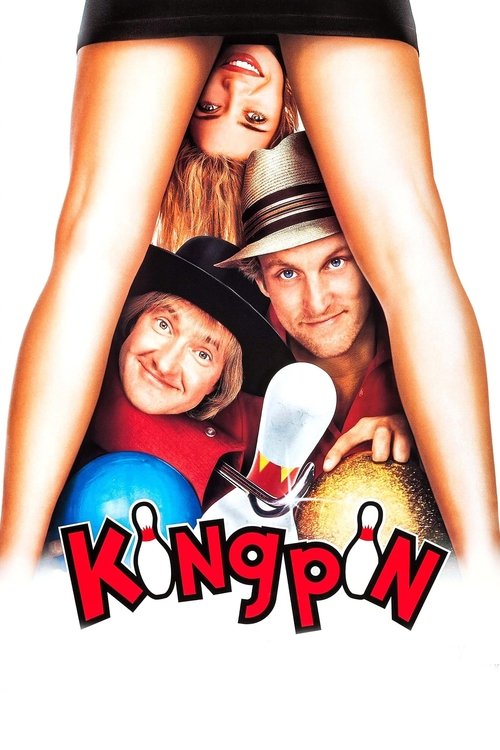
There is a specific brand of 1990s grime that current digital cinematography simply cannot replicate. It’s a texture of stale beer, nicotine-stained bowling alley tiles, and the kind of humid, mid-summer sweat that makes you want to take a shower just by looking at the screen. Bobby Farrelly and Peter Farrelly were the undisputed kings of this aesthetic, and while Dumb and Dumber (1994) took the box office crown, I’ve always felt that Kingpin is their true, unpolished diamond. It’s a film that exists in the awkward transition between the high-concept comedies of the 80s and the Judd Apatow-led sincerity of the 2000s, landing squarely in a gutter of glorious, gross-out absurdity.
I watched this most recent viewing while eating a bag of slightly stale pretzels I found in the back of my pantry, and honestly, the crunch of old sourdough felt like the only appropriate sensory accompaniment to Roy Munson’s life.
The Grotesque Charm of the Farrelly Universe
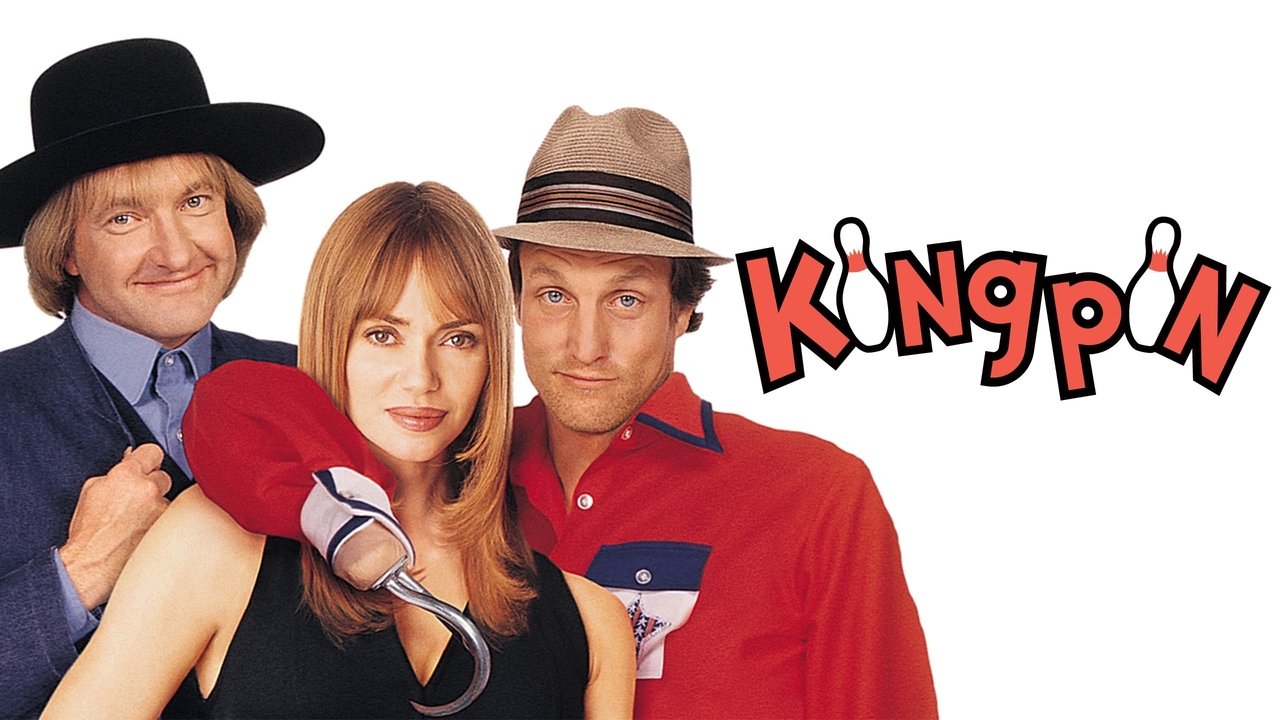
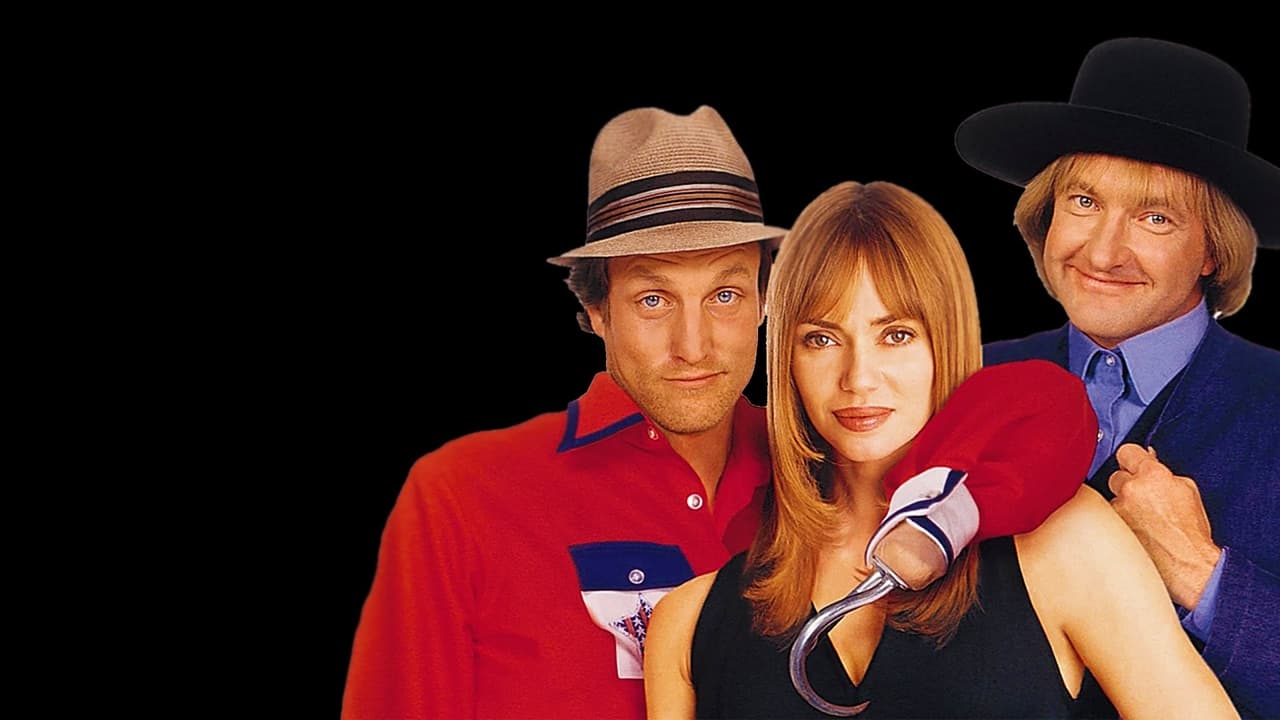
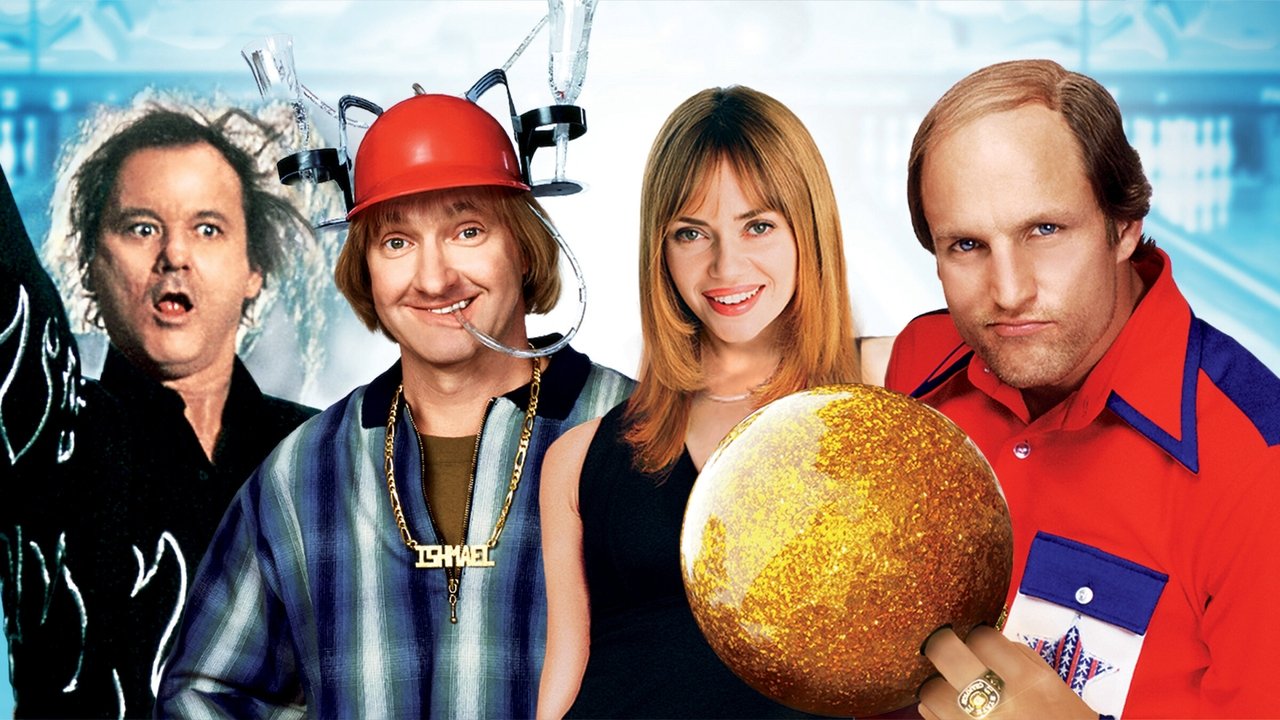
The film follows Roy Munson (Woody Harrelson), a bowling prodigy who had the world at his fingertips in 1979 until a hustle gone wrong resulted in his hand being replaced by a hook. Fast forward to the mid-90s, and Roy is a "Munson"—a term the movie successfully turned into real-world slang for a loser who has peaked and plummeted. Woody Harrelson plays Roy with a desperate, greasy charisma that makes you root for him even when he’s drinking his own comb-over out of a glass. It’s a performance that reminds me why Harrelson was such a force in this era; he could pivot from the intensity of Natural Born Killers (1994) to this kind of high-stakes buffoonery without breaking a sweat.
When Roy discovers Ishmael (Randy Quaid), a naive Amish man with a hidden talent for the pins, the movie transforms into a twisted road trip. The chemistry between Woody Harrelson and Randy Quaid is built on a foundation of pure friction. Ishmael’s wide-eyed innocence against Roy’s cynical, hook-handed desperation shouldn't work as well as it does, but the Farrellys have a knack for finding heart in the most repulsive places. Randy Quaid is particularly inspired here, capturing a specific brand of 90s "character actor weirdness" that feels like a relic of a time before comedy became so homogenized.
Big Ern and the Art of the Ad-Lib
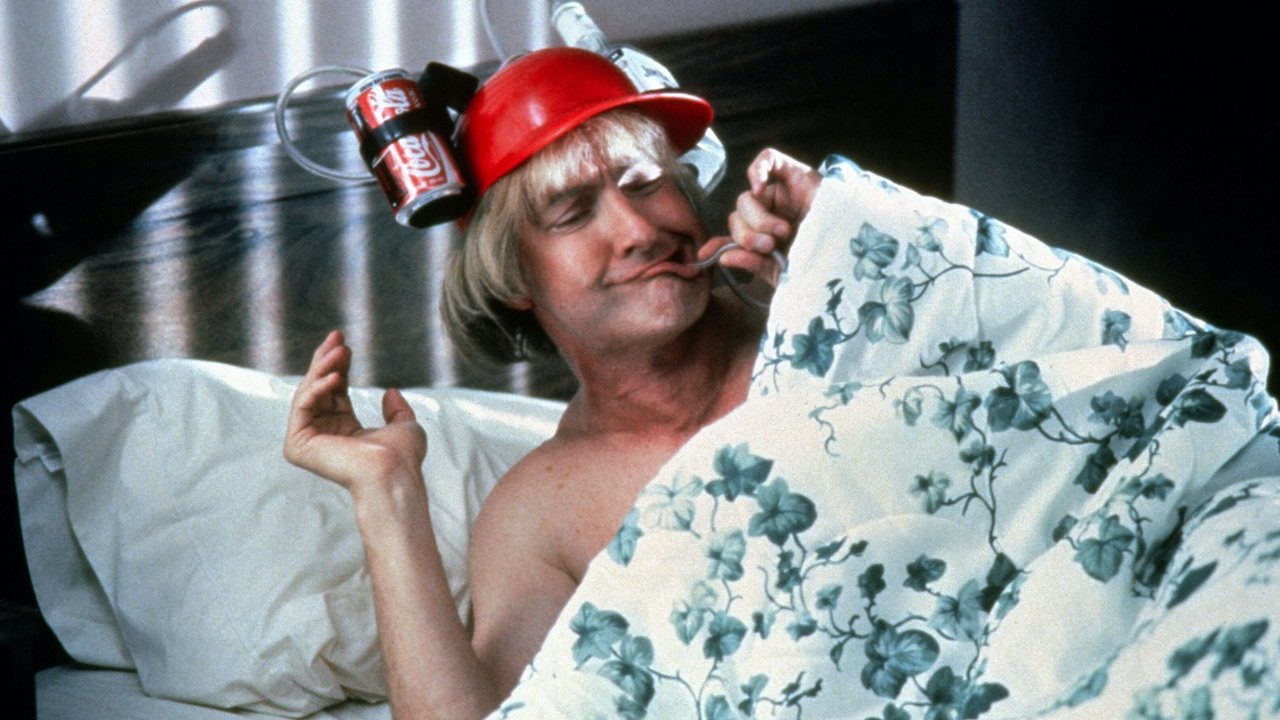
However, we cannot talk about Kingpin without addressing the majestic, terrifying cloud of ego that is Ernie "Big Ern" McCracken. Bill Murray is playing a version of a villain that feels like he wandered in from a much darker, more surreal film. Bill Murray’s hair in this movie is its own sentient, terrifying character, a combover that defies the laws of physics and decency.
What makes Murray’s performance legendary is the sheer amount of improvisation he brought to the set. The Farrellys famously let him run wild, and it shows. His "Big Ern" isn't just a rival; he's a psychological predator who bowls with a clear ball containing a rose and speaks in a self-aggrandizing third person. There’s a piece of production trivia I’ve always loved: during the final showdown, Murray actually bowled three strikes in a row in front of a live audience of extras. The roar of the crowd in that scene isn't movie magic—it’s genuine shock that a man in a polyester suit with that hair could actually deliver under pressure.
A Box Office Gutter Ball That Found Its Pocket
Looking back, it’s wild to think Kingpin was technically a financial failure upon its initial release. It earned just over $25 million against a $27 million budget, largely because it was overshadowed by the looming specter of the summer blockbusters of 1996. It’s essentially a sweaty, beer-stained version of a sports underdog story, and perhaps audiences at the time weren't ready for a comedy that was quite this uncompromisingly "ugly."
But this is where the 90s DVD culture saved cinema. Kingpin became a massive "word of mouth" hit on home video. I remember the red-and-white VHS box being a staple of every sleepover; it was the movie you watched when you were old enough to appreciate the "milk" joke but young enough to still find the physical comedy of a rubber hand falling into a beer pitcher revolutionary.
The film also captures the end of an era for practical comedy. While Jurassic Park was changing the world with CGI, the Farrellys were still relying on the timing of an edit and the commitment of their actors to physical gags. There’s a sequence involving Vanessa Angel (who holds her own remarkably well as the "straight man" to the chaos) and a very unfortunate misunderstanding with a landlord that relies entirely on staging and timing—things that often get lost in the rapid-fire, digitally-altered comedies of today.
Kingpin is a reminder that comedy doesn't always have to be pretty or even particularly kind to its characters to be effective. It’s a film about losers, made by people who clearly love them, and it features one of the greatest comedic turns of Bill Murray’s career. If you haven't revisited it since the days of physical rental stores, it’s time to see how well the grime has aged.
The movie manages to stick the landing with a final act that is surprisingly tense for a story about a man with a hook and an Amish kid in a bowling tournament. It respects the "sport" of bowling just enough to make the stakes feel real, while never losing sight of the fact that it's all fundamentally ridiculous. It’s a cult classic that earned every bit of its longevity, proving that even if you get "Munsoned," there’s always a chance for a spare in the final frame.
Keep Exploring...
-
Osmosis Jones
2001
-

There's Something About Mary
1998
-

Shallow Hal
2001
-
Me, Myself & Irene
2000
-
Dumb and Dumber
1994
-

White Men Can't Jump
1992
-
Hall Pass
2011
-
The Heartbreak Kid
2007
-
Barton Fink
1991
-
Bill & Ted's Bogus Journey
1991
-
Father of the Bride
1991
-
Teenage Mutant Ninja Turtles II: The Secret of the Ooze
1991
-
The Fisher King
1991
-
What About Bob?
1991
-

Buffy the Vampire Slayer
1992
-
My Cousin Vinny
1992
-
The Mighty Ducks
1992
-

The Muppet Christmas Carol
1992
-
The Player
1992
-
Homeward Bound: The Incredible Journey
1993