Last Man Standing
"Two guns, two gangs, and one dusty road to hell."
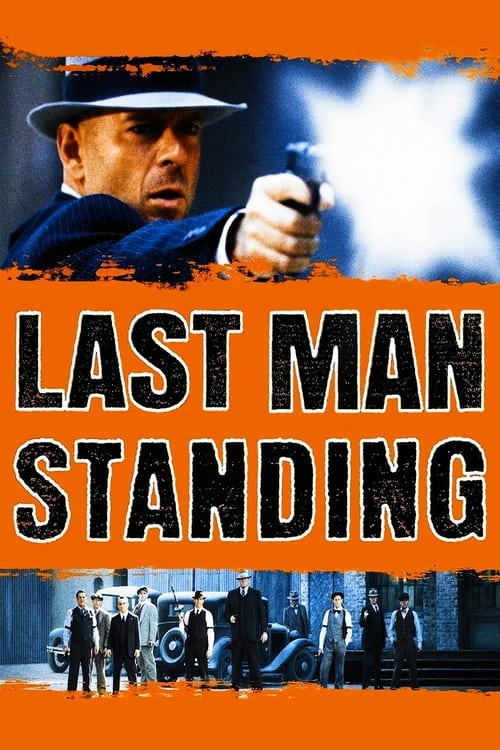
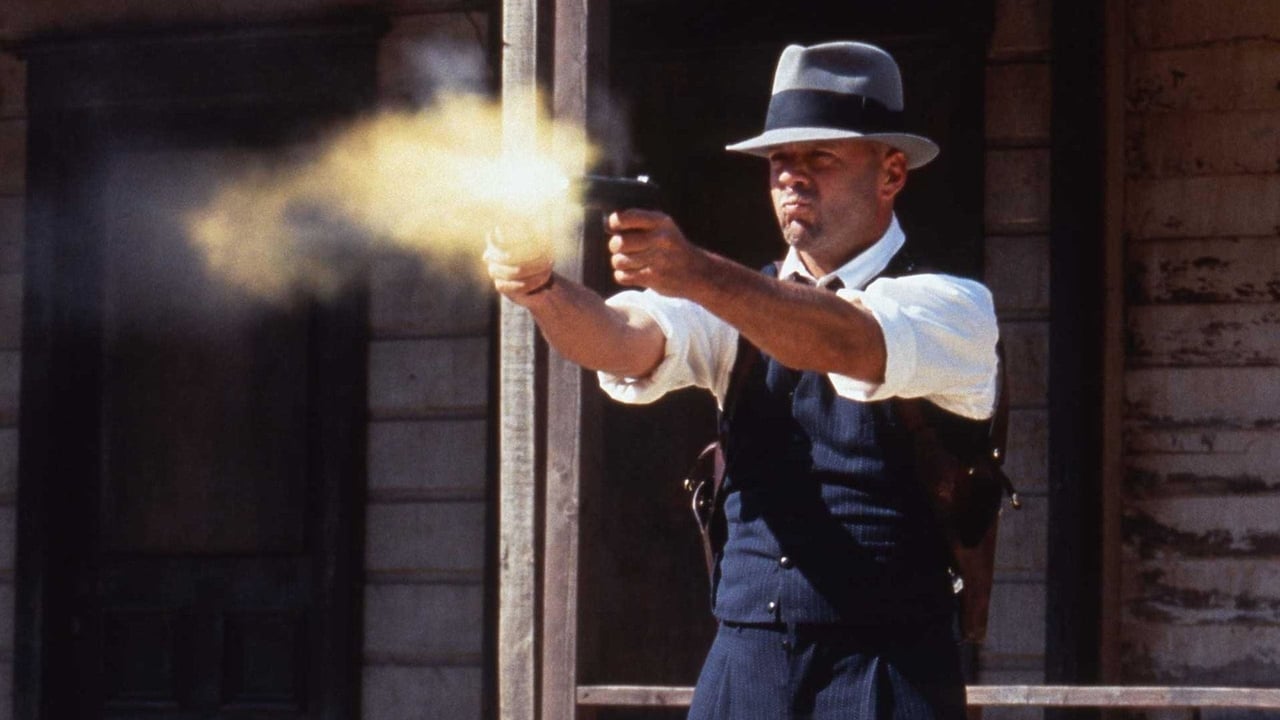
The first thing that hits you isn't the heat or the dust; it’s the sound. When Bruce Willis fires his twin M1911 pistols in Last Man Standing, they don't pop like movie guns. They roar. They have the concussive weight of small cannons, a signature of director Walter Hill's obsession with "hard" action. It’s a sound that probably annoyed my downstairs neighbors when I revisited this on a dusty DVD last Tuesday, right as my ceiling fan started making a rhythmic clicking noise that strangely synced up with the slide guitar on the soundtrack.
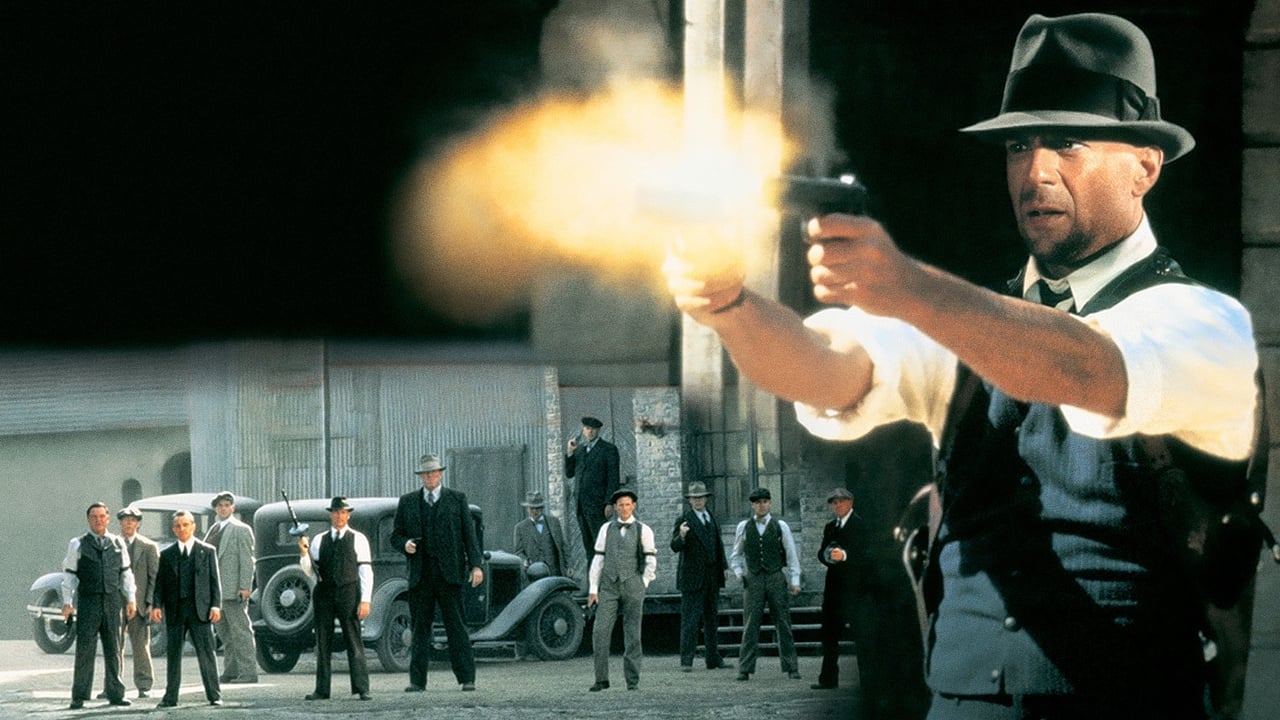
Released in 1996, Last Man Standing arrived at a weird crossroads in cinema. We were smack in the middle of the digital revolution—Toy Story had just happened, and Independence Day was devouring the box office with CGI spectacle. Amidst all that blue-screen wizardry, Walter Hill delivered a film that felt like a stubborn, sun-baked relic. It’s an uncredited remake of Akira Kurosawa’s Yojimbo (which also gave us Leone’s A Fistful of Dollars), but transported to a Prohibition-era ghost town in Texas. It’s a gangster movie dressed in a cowboy’s duster, and it’s one of the most unapologetically "macho" films of the decade.
The Sepia-Soaked Mythos
The plot is a clockwork mechanism of betrayal. Bruce Willis plays John Smith, a man with a mysterious past and a narration style that sounds like he’s chewing on gravel. He rolls into Jericho, a town being torn apart by two warring factions: the Irish gang led by Doyle (David Patrick Kelly) and the Italian outfit led by Strozzi (Ned Eisenberg). Smith realizes he can make a killing—literally—by playing both sides against the middle.
Visually, the film is a masterclass in atmosphere. Cinematographer Lloyd Ahern II (who worked with Hill on Trespass) drenches the screen in a monochromatic, sepia-heavy palette. It’s so orange you can almost taste the grit in your teeth. This wasn’t just a stylistic whim; it was a choice to make the film feel like a waking dream—or a nightmare. The town of Jericho looks less like a real place and more like a purgatory where bad men go to shoot each other forever. This hyper-stylization is likely why audiences in '96 stayed away; it lacked the "cool" irony of Quentin Tarantino or the kinetic gloss of Michael Bay. It’s a grim, lonely film that demands you take its mythology seriously.
A Masterclass in Stylized Violence
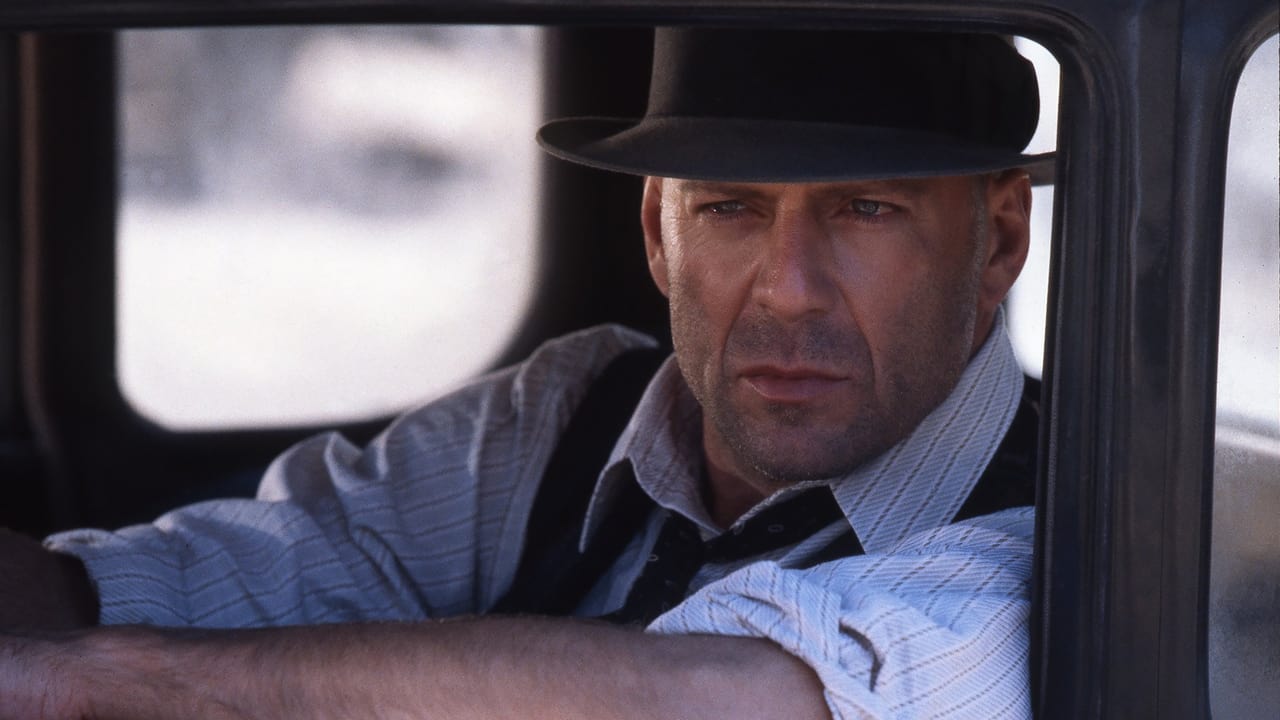
If you’re coming to a Walter Hill movie, you’re coming for the craft of the shootout. In the mid-90s, action was shifting toward the "shaky cam" and rapid-fire editing that would eventually define the Bourne era. Hill went the opposite direction. The action in Last Man Standing is clear, deliberate, and incredibly violent. When a bullet hits someone in this movie, they don't just fall down; they are physically propelled backward as if hit by a freight train.
Bruce Willis is at his peak "stoic" here. This isn't John McClane cracking jokes; this is a man who has clearly seen the worst of humanity and decided to join in. But the real scene-stealer is Christopher Walken as Hickey, the enforcer for the Irish gang. Walken plays the role with a high-pitched, raspy menace, looking like a vulture in a tuxedo. When he and Willis finally face off, the tension is thick enough to stop a bullet. The supporting cast is a "Who's Who" of 90s character actors, including Bruce Dern as the weary Sheriff and William Sanderson as the barkeep caught in the middle. They all lean into the pulp archetypes with a grit that feels earned.
Why Did This Disappear?
Despite a $67 million budget—a massive sum for a R-rated period piece in 1996—Last Man Standing tanked at the box office. It’s easy to see why in retrospect. It’s a "feel-bad" action movie. There are no traditional heroes, only varying degrees of villains. It’s also incredibly repetitive by design; Smith goes to Gang A, betrays them for Gang B, gets beaten up, heals, and returns for vengeance.

However, looking back through the lens of the "DVD culture" that followed, the film’s precision is its greatest strength. Ry Cooder’s score is a haunting mix of blues and ethnic instruments that elevates the film from a standard shoot-'em-up to something more operatic. It’s the kind of movie that rewards a high-quality home theater setup just to hear the brass casings hitting the floor. While the CGI-heavy blockbusters of 1996 often look dated today, the practical squibs and dusty locations of Jericho have aged remarkably well.
Last Man Standing is a film for people who miss when action movies had "weight." It’s a beautiful, brutal exercise in style over substance—but when the style is this well-executed, who needs a message? It’s a bridge between the classic Westerns of the 50s and the gritty, nihilistic crime dramas that would follow in the 2000s. If you can handle the monochromatic dust and the unrelenting grimness, it’s a high-noon standoff worth attending. Just make sure to turn your speakers up; your neighbors will understand eventually.
Keep Exploring...
-
Bullet to the Head
2012
-
48 Hrs.
1982
-
Striking Distance
1993
-
Red Heat
1988
-
Hostage
2005
-
Another 48 Hrs.
1990
-
The Jackal
1997
-
Mercury Rising
1998
-
Cop Out
2010
-
Bandidas
2006
-
Backdraft
1991
-
Maverick
1994
-
Wyatt Earp
1994
-
Assassins
1995
-

The Long Kiss Goodnight
1996
-
Absolute Power
1997
-
The Siege
1998
-

U.S. Marshals
1998
-
Blue Streak
1999
-
Payback
1999