Matilda
"The girl who proved books are real weapons."
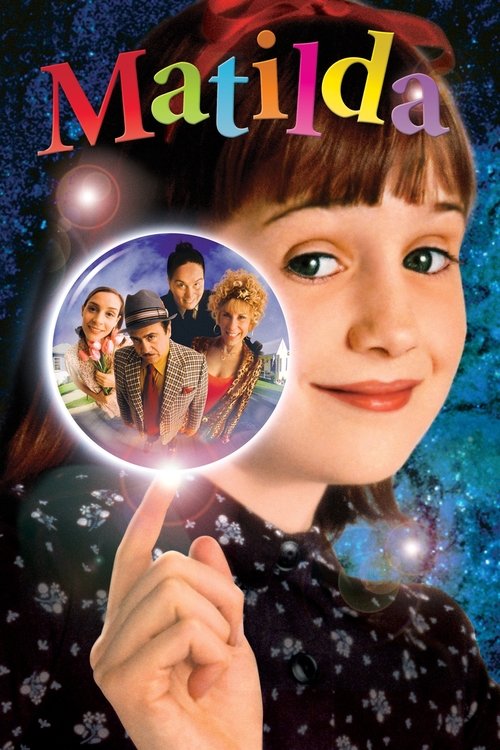
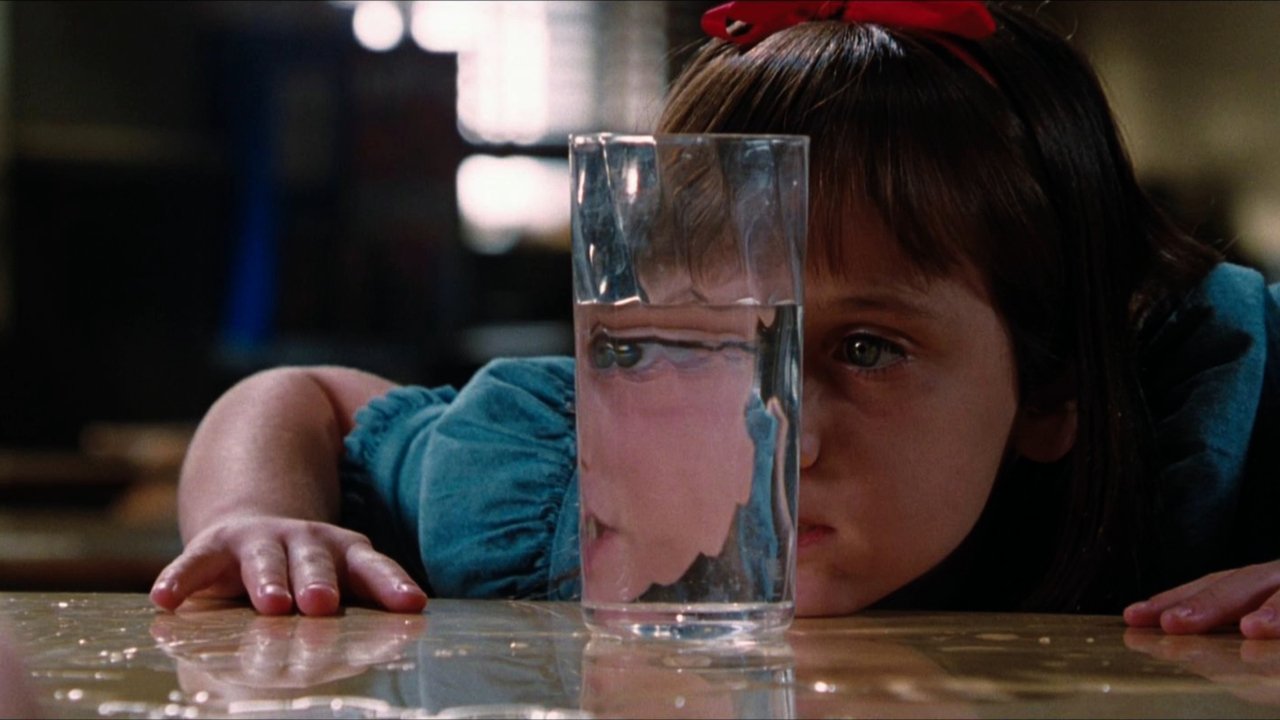
I’m convinced that if you didn't grow up trying to move a water glass with your mind, you probably didn't have a pulse in the late 90s. I watched this most recently while eating a bowl of lukewarm SpaghettiOs, and the sheer amount of chocolate cake on screen made my sodium-heavy dinner feel like a personal failure. But that’s the magic of Matilda: it’s a film that feels both deliciously messy and profoundly tidy, a 90s staple that has aged better than most of its CGI-heavy contemporaries.
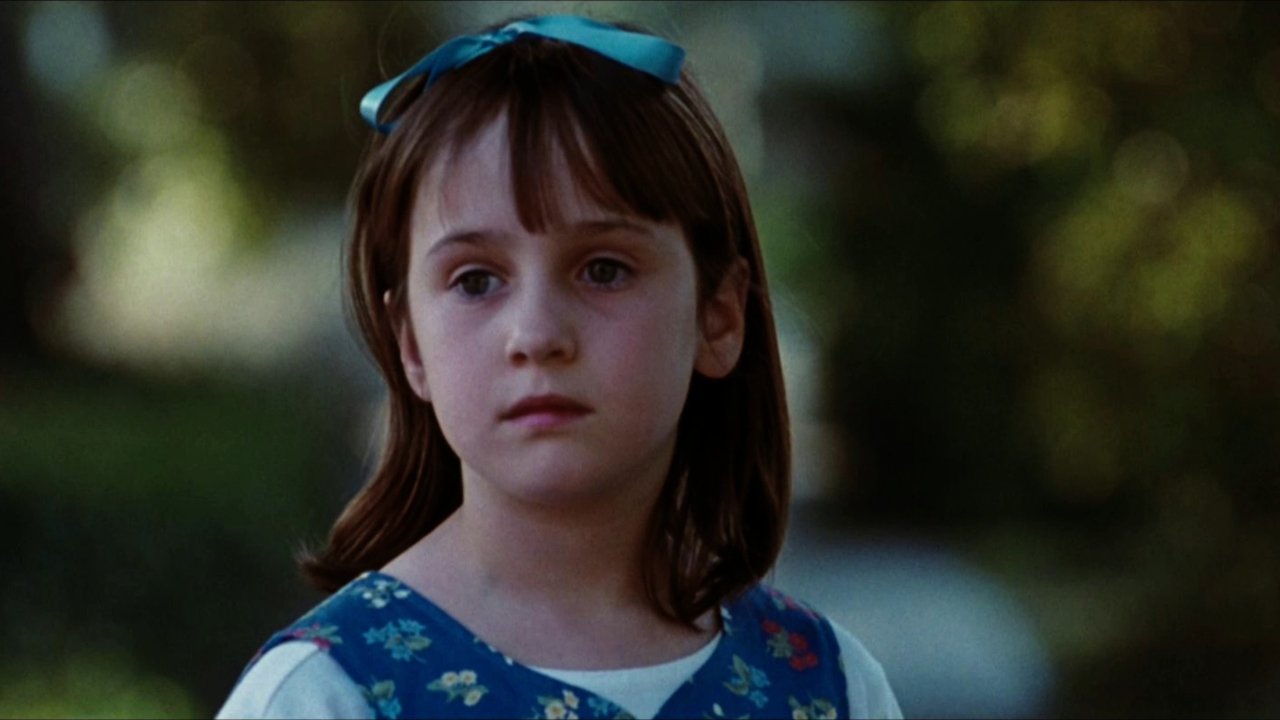
The Grotesque Charm of the DeVito Lens
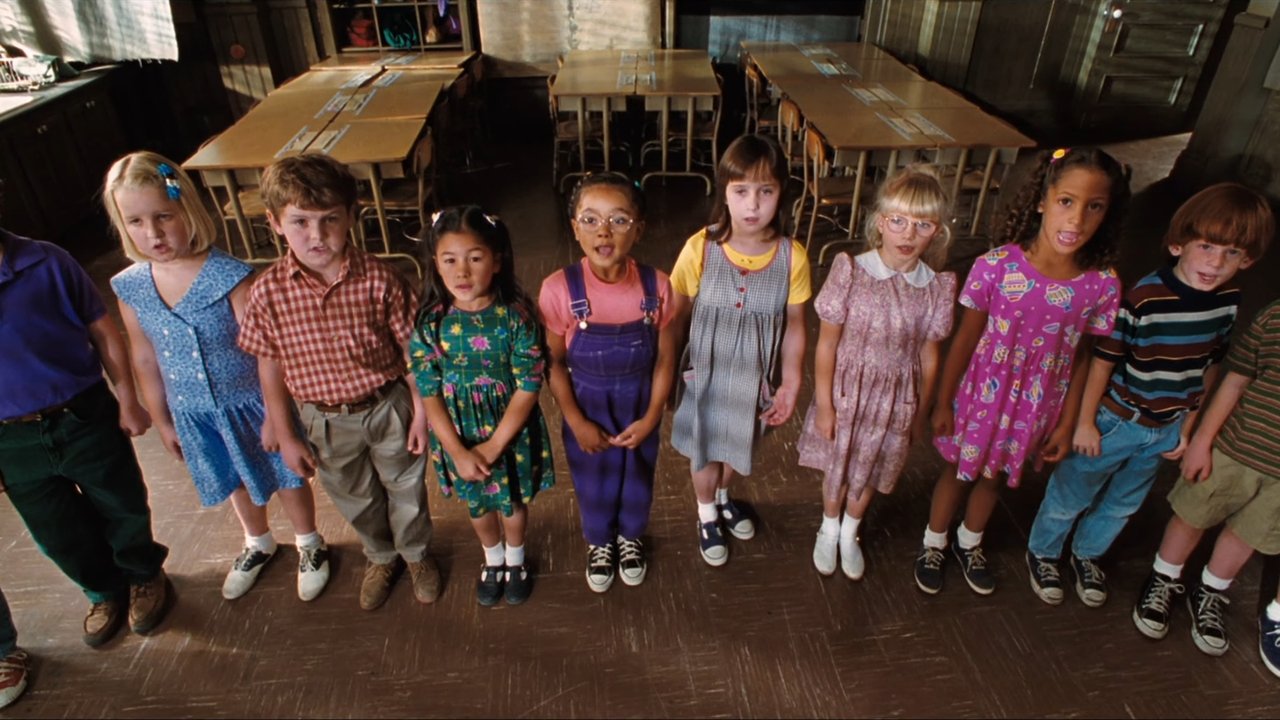
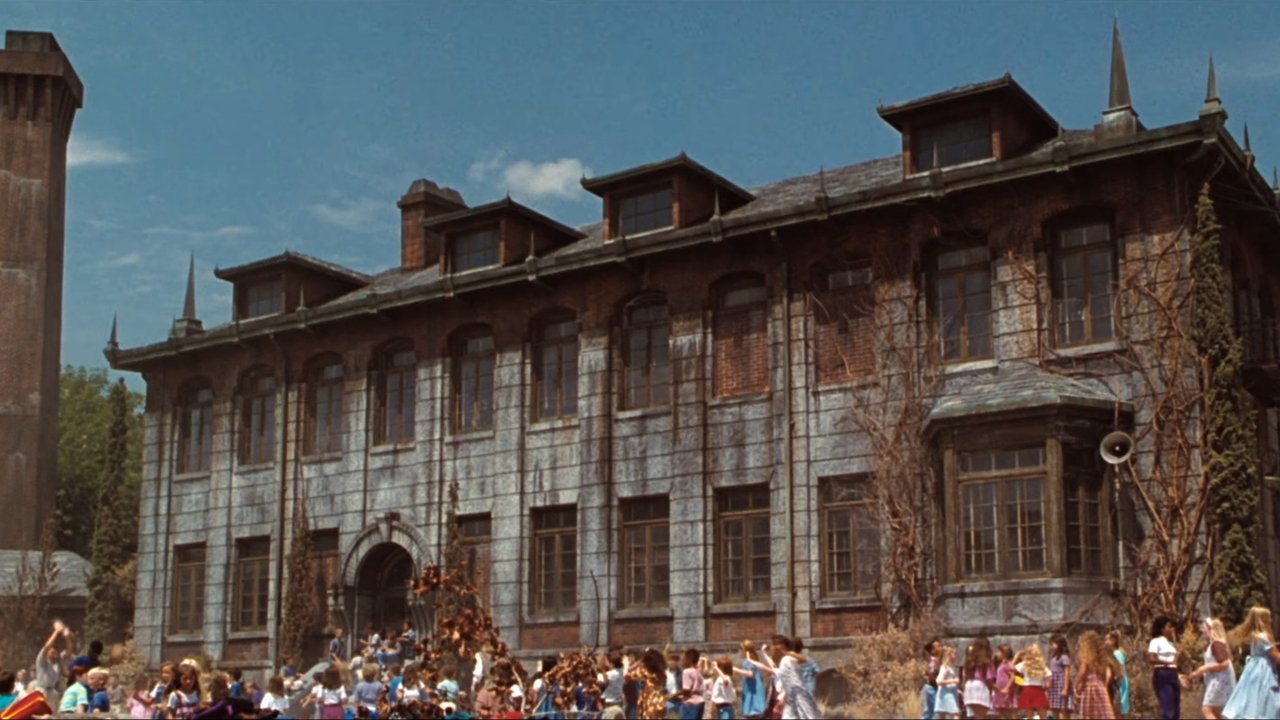
When we think of the mid-90s, we often think of the transition from the gritty, analog 80s into the shiny, digital 2000s. Matilda sits in this weird, wonderful pocket where practical effects were peaking, and Danny DeVito was at his most visually adventurous. Looking back, Danny DeVito directed this like a German Expressionist horror film for six-year-olds.
He uses Dutch angles and wide-angle lenses that distort the adults' faces, making the Wormwoods and the Trunchbull look like warped reflections in a funhouse mirror. It perfectly captures how a child sees the world: big, loud, and often quite ugly. This was the era of the "Indie Renaissance," and while this was a TriStar production, it carries that subversive, slightly dark DNA. It doesn’t talk down to kids; it acknowledges that the world can be a cruel, unfair place run by idiots in loud suits.
Why We’re Still Afraid of the Chokey
Let’s talk about the performances, because this film is an absolute clinic in character acting. Mara Wilson is the soul of the movie, providing a grounded, quiet intelligence that offsets the chaos around her. But the movie belongs to the monsters. Danny DeVito and Rhea Perlman (who were actually married in real life at the time) are a masterclass in comic repulsion. They are "trashy" in a way that feels specifically 90s—all loud prints, bleached hair, and an utter disdain for anything that can’t be bought or sold.
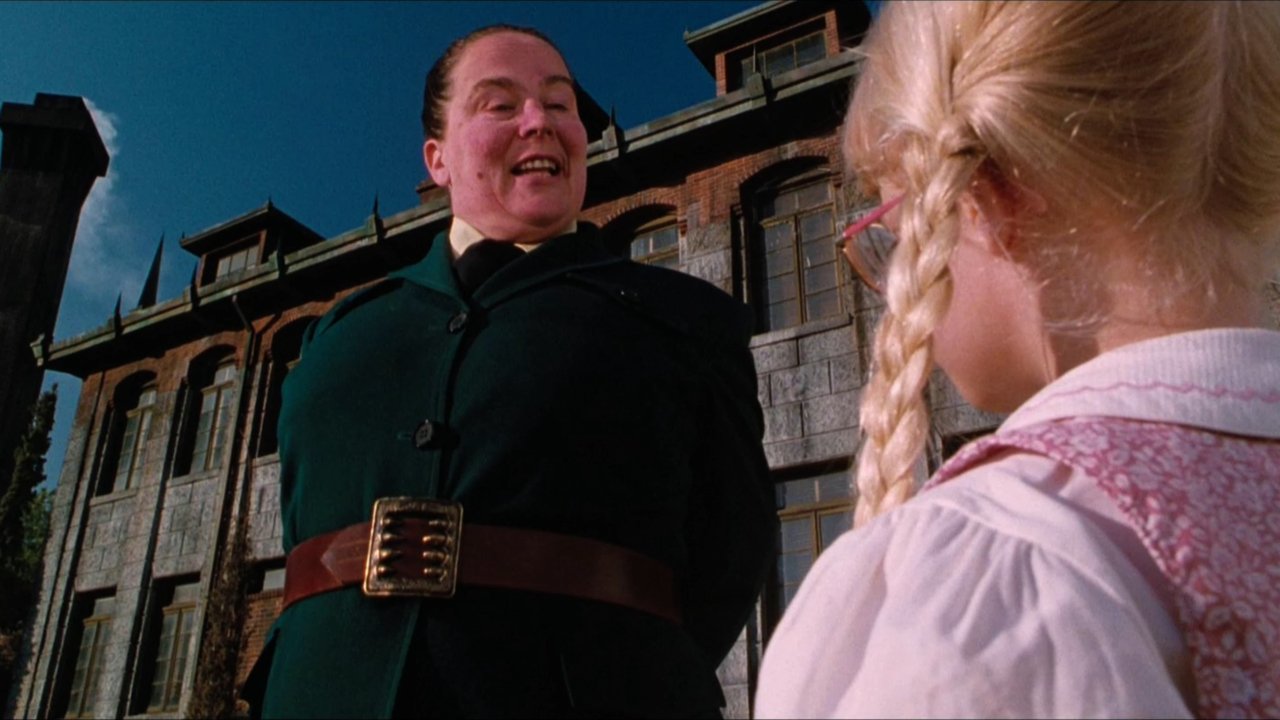
Then there is Pam Ferris as Agatha Trunchbull. In an era where villains were starting to get "relatable" backstories, the Trunchbull was a glorious throwback to pure, unadulterated malice. Apparently, Pam Ferris stayed in character between takes to keep the child actors genuinely intimidated, and you can see that tension on screen. Pam Ferris is a more terrifying screen presence than most modern slasher icons. Whether she’s swinging a girl by her pigtails or forcing a boy to eat an entire chocolate cake, she represents the ultimate childhood fear: an adult with absolute power and zero empathy.
From Box Office Blunder to Childhood Gospel
It’s hard to believe now, given its status as a cornerstone of millennial childhood, but Matilda was technically a box office flop. It earned about $33 million against a $36 million budget. This is where the 90s home video culture comes into play. If you didn't see it in theaters, you definitely owned the purple-topped VHS or the early DVD with the "making-of" featurettes.
The special effects are particularly interesting to reassess. In 1996, the industry was pivoting hard toward CGI (think Toy Story or Independence Day), but Danny DeVito opted for a lot of practical trickery. That famous scene where the chalk writes on the blackboard? That was done with magnets on the other side of the wall, written backwards. The carrot that flies through the air was held by wires that were later digitally painted out—a perfect marriage of old-school stagecraft and emerging tech. It gives the film a tactile, "lived-in" quality that purely digital films from 2005 onwards completely lack.
Stuff You Didn't Notice
One of the reasons this has such "cult" staying power is the sheer density of the production design. The Wormwood house is a neon-lit nightmare of 90s consumerism, while Miss Honey’s cottage looks like a storybook brought to life. It’s also a deeply personal film for the cast. The movie is dedicated to Suzie Wilson, Mara Wilson’s mother, who tragically passed away from cancer during post-production. Danny DeVito reportedly took a copy of the unfinished film to the hospital so Suzie could see her daughter’s performance before she passed. That kind of heart isn't something you find in every studio-mandated family comedy.
I also love the subtle nods to Roald Dahl’s own life; the "FBI agents" (including Paul Reubens in a great, understated turn) feel like they stepped right out of a paranoid Cold War thriller, adding a layer of absurdity that keeps the "family film" tropes at bay.
Matilda is a rare bird: a film that respects the intellect of children while providing enough visual wit to keep adults engaged. It captures a specific 90s anxiety about the death of literacy and the rise of mind-numbing television, yet it remains hopeful. It reminds me that even if your parents are "telly" addicts and your principal is a shot-put champion with a grudge, you can still write your own story—preferably with a little help from a library card and some light telekinesis.
Keep Exploring...
-
Hercules
1997
-
Addams Family Values
1993
-
Hocus Pocus
1993
-

Porco Rosso
1992
-
Last Action Hero
1993
-
How the Grinch Stole Christmas
2000
-

The Emperor's New Groove
2000
-

The Road to El Dorado
2000
-
Army of Darkness
1992
-

The Muppet Christmas Carol
1992
-
The Nightmare Before Christmas
1993
-
The Santa Clause
1994
-

Babe
1995
-

Sinbad: Legend of the Seven Seas
2003
-
Monster House
2006
-
Brave
2012
-
Night at the Museum: Secret of the Tomb
2014
-
The Book of Life
2014
-
Hook
1991
-
Casper
1995