Mission: Impossible
"Before he was a stuntman, he was a ghost."
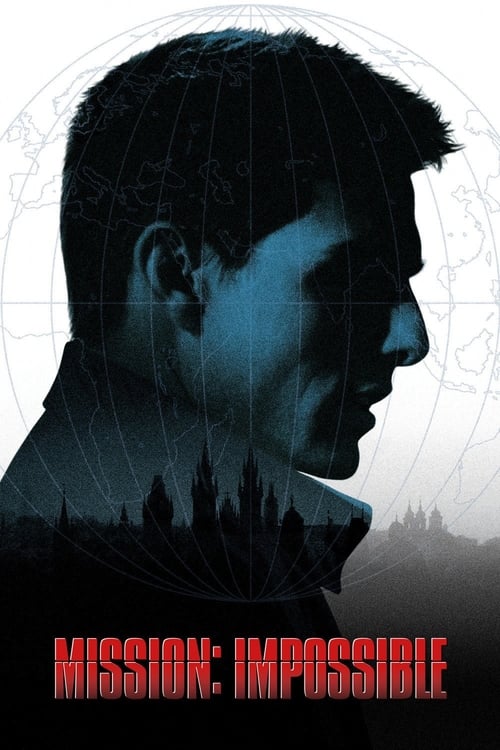
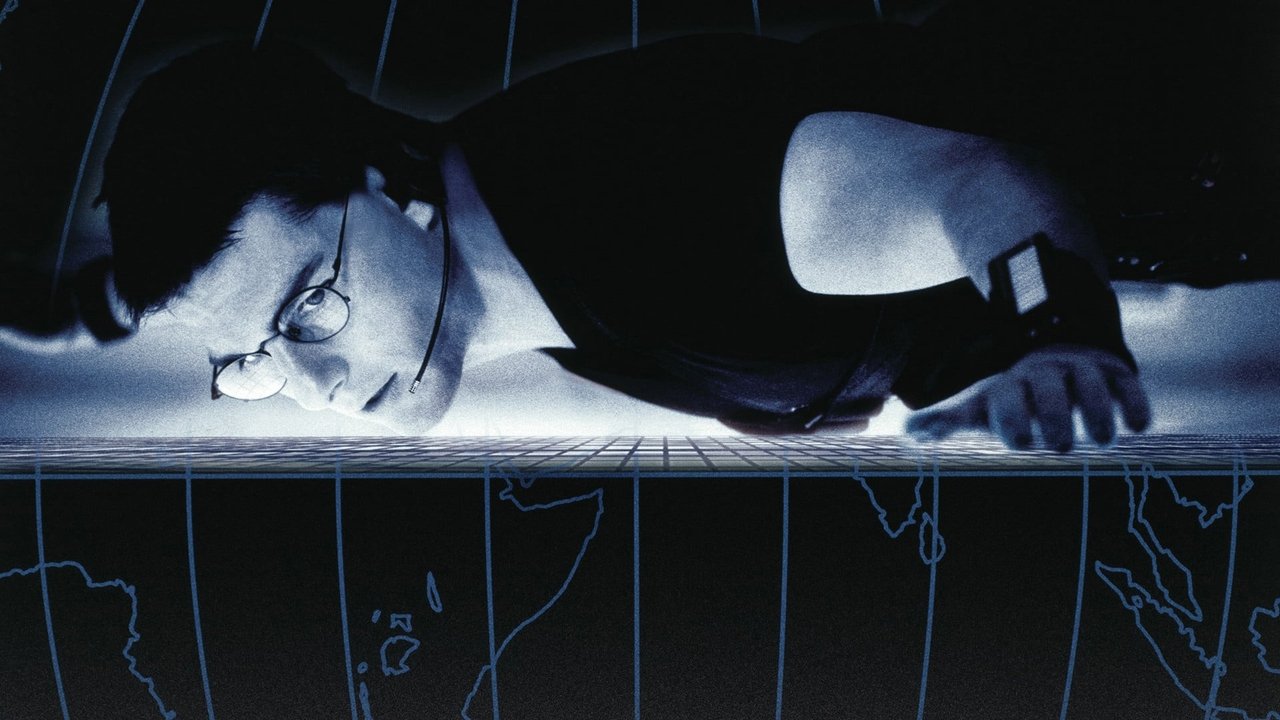
If you tilt your head forty-five degrees to the left while watching the first thirty minutes of Mission: Impossible, the world starts to make a lot more sense. Brian De Palma (the man behind Scarface and Carrie) brought his bag of Hitchcockian tricks to this 1996 relaunch, and the result is a movie that feels less like a modern blockbuster and more like a fever dream of Cold War paranoia. Those Dutch angles—where the camera leans like a drunk sailor—capture a sense of vertigo that the later, more "stunt-forward" sequels eventually traded for straight-line adrenaline.
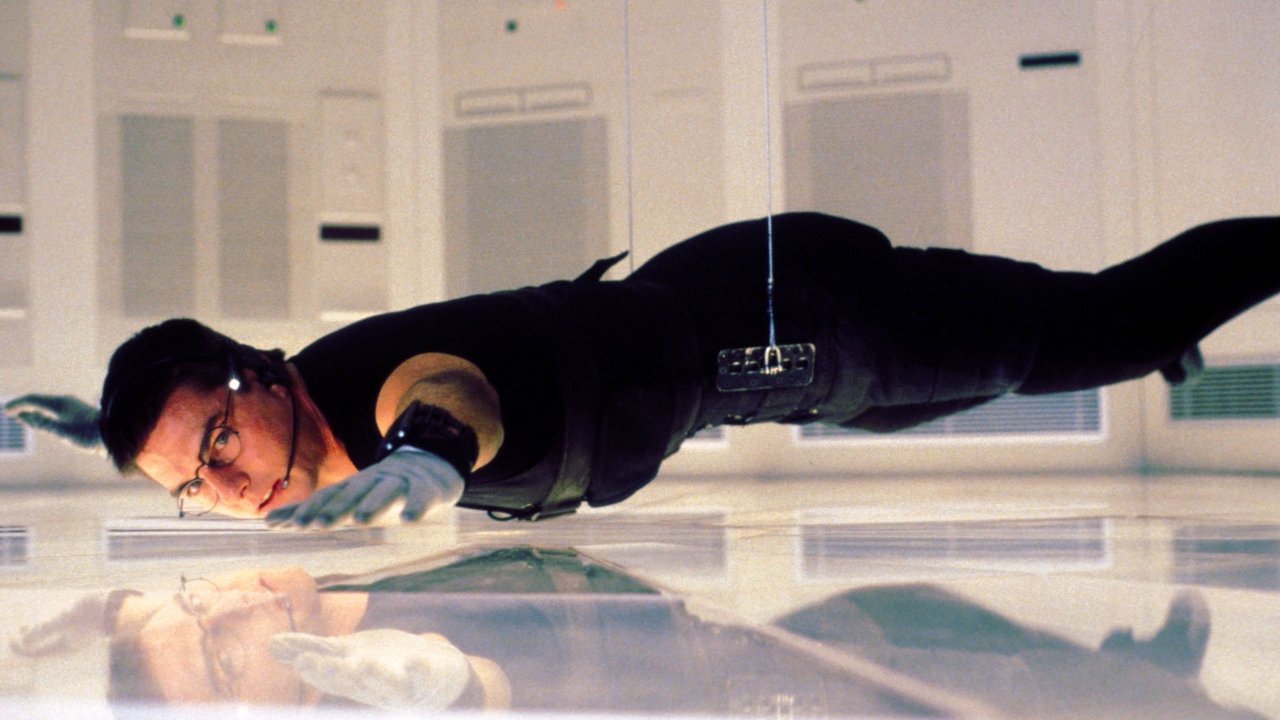
I watched this most recently on a tablet while my cat, Barnaby, aggressively kneaded my thigh, which added an unexpected layer of physical tension to the Langley heist. But even without feline intervention, the 1996 Mission remains a masterwork of sustained, quiet dread. It’s the dark sheep of the family, a film where the biggest explosion isn't a helicopter hitting a train, but the realization that you can’t trust the person holding your safety line.
The Shadow of the Dutch Angle
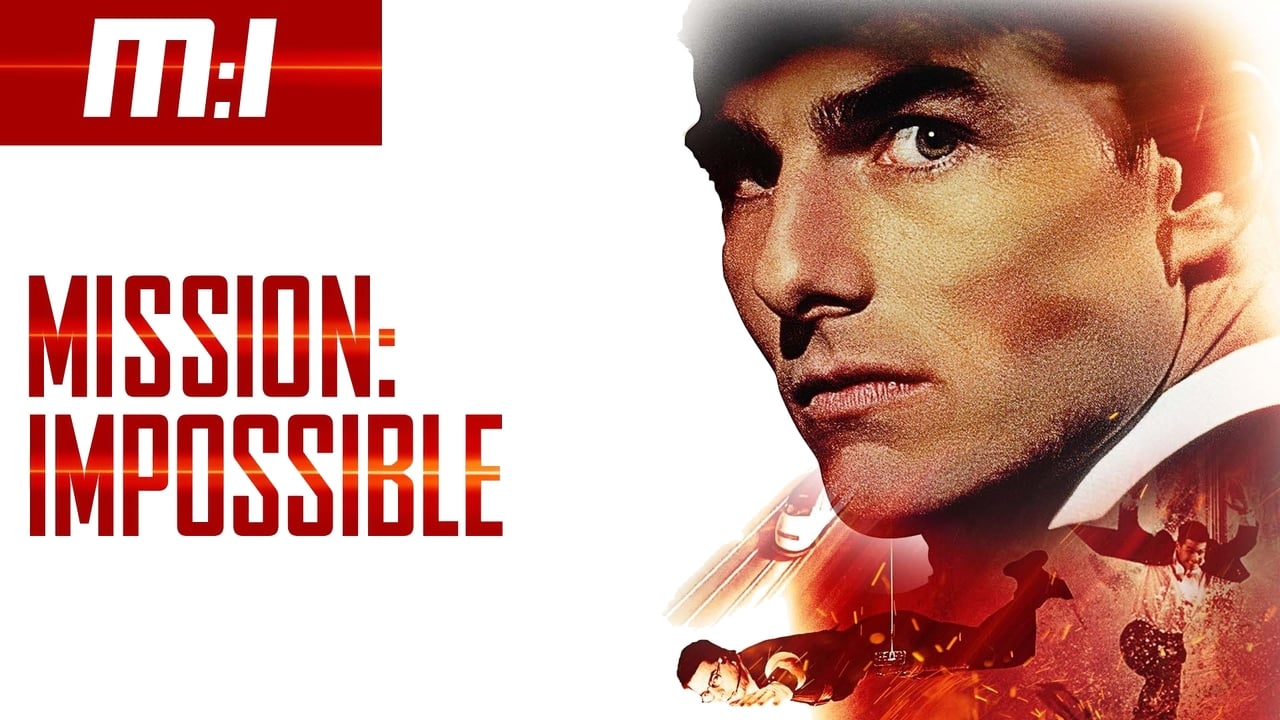
Revisiting this in the era of the "everything-is-a-universe" franchise is a trip. Back in '96, this wasn't just another sequel; it was Tom Cruise making his debut as a producer under his Cruise/Wagner banner. He wasn't just the star; he was the architect. He hired Brian De Palma specifically to bring a European, cynical edge to the American spy genre. The result is a film that looks and feels like wet pavement at midnight.
The plot—Ethan Hunt framed for the murder of his entire team—is famously convoluted. Legend has it that screenwriters Robert Towne (Chinatown) and David Koepp (Jurassic Park) were essentially building a bridge between existing action set pieces Tom Cruise had already dreamt up. This leads to a narrative that is part spy-procedural and part logic-puzzle. While the story might be "difficult" (I still have to squint to remember exactly what the "NOC list" stands for), the atmosphere is flawless. Stephen H. Burum’s cinematography treats Prague like a gothic graveyard, all fog and long shadows, making the high-tech gadgets feel like alien artifacts dropped into an old world.
A Heist Built on Silence
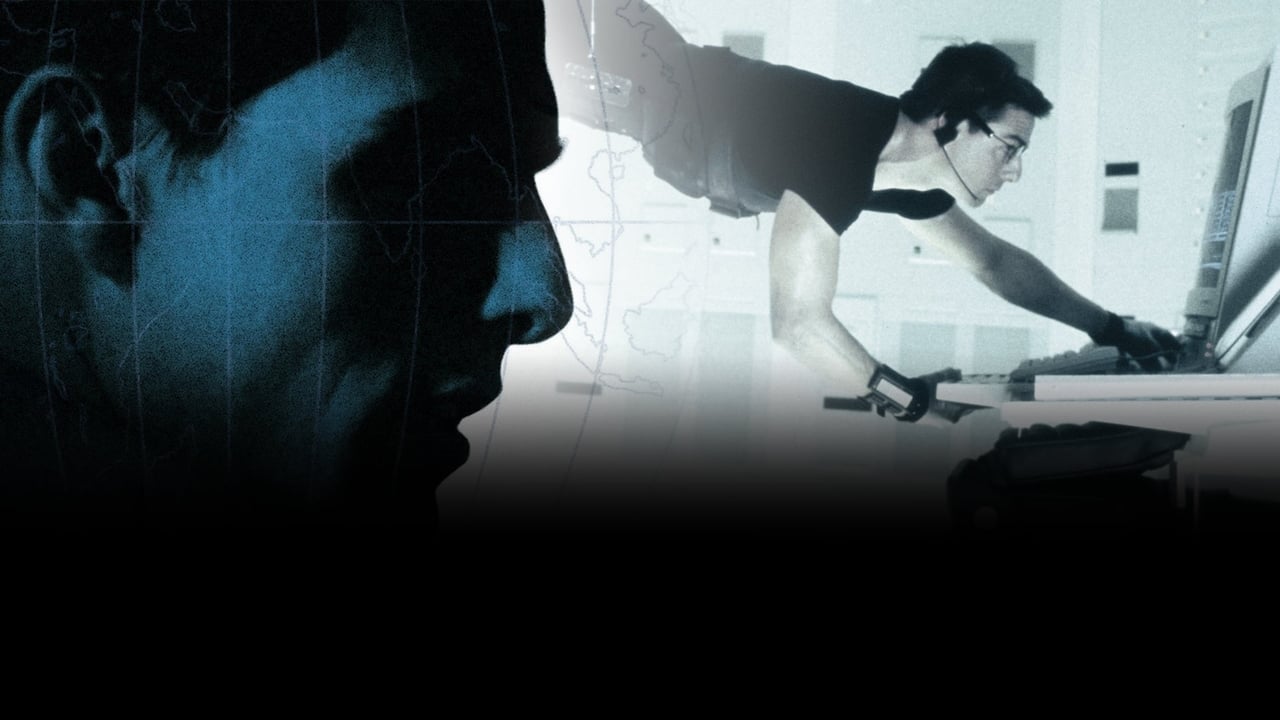
The centerpiece of the film—the break-in at CIA headquarters in Langley—is a sequence that defines "tension" for an entire generation. It’s the antithesis of the modern "louder is better" philosophy. There are no gunshots. There is no quip-heavy dialogue. There is just Tom Cruise, suspended by a wire, trying not to let a single drop of sweat hit a pressure-sensitive floor.
Danny Elfman’s score (standing in for the usual Lalo Schifrin themes for most of the runtime) goes silent here, leaving us with nothing but the hum of a computer fan and the agonizing creak of a winch. It’s a sequence that relies entirely on physical performance and precise editing. Henry Czerny—who plays the bureaucratic antagonist Kittridge with a magnificent, simmering condescension—is the perfect foil here. He represents the cold, institutional weight that Ethan is trying to outrun. Ethan Hunt used to be a character with a soul, not just a death-defying avatar for Cruise’s mid-life crisis. In 1996, you actually felt his panic.
The supporting cast is equally grim and effective. Jean Reno as the untrustworthy Krieger and Ving Rhames as the legendary Luther Stickell provide a gritty, mercenary vibe. And then there’s Vanessa Redgrave as Max; she purrs her lines with a villainous delight that feels like it belongs in a much more expensive play. She’s fantastic.
The Great Betrayal and the $450 Million Payday
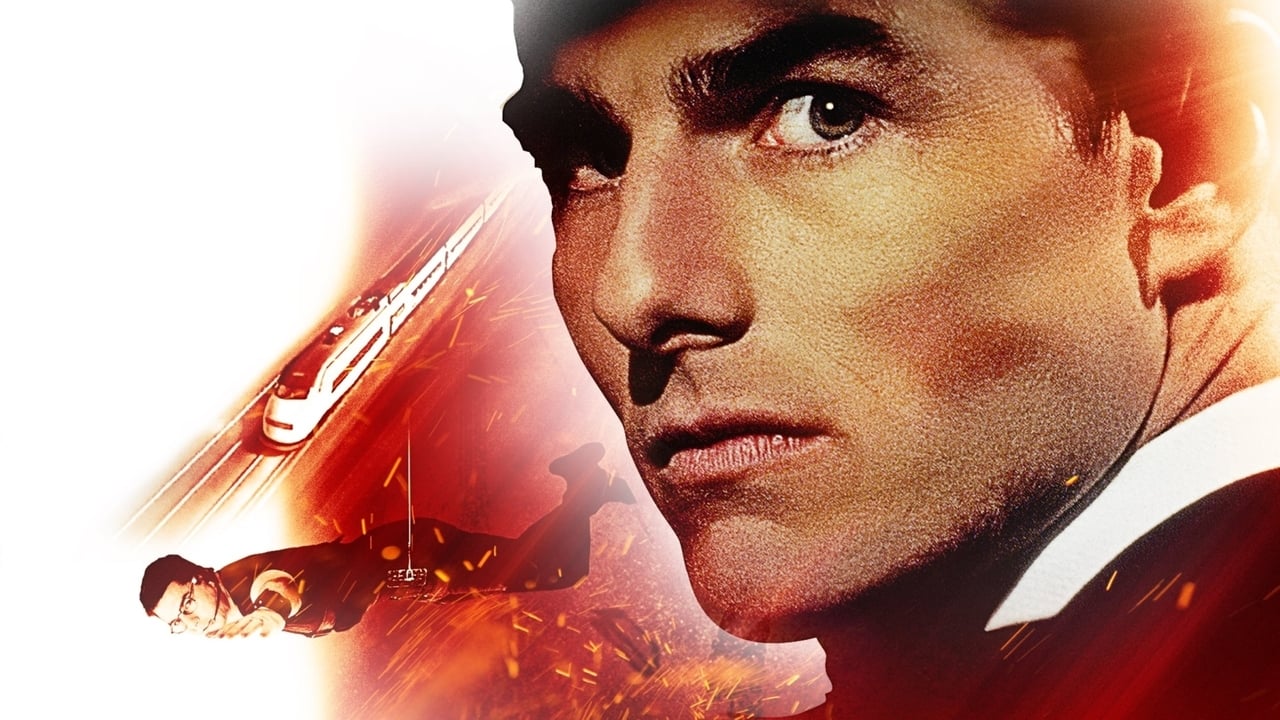
Of course, we have to talk about the Jim Phelps of it all. Jon Voight takes over the role made famous by Peter Graves in the original TV series, and the film’s decision to turn the hero of the 1960s into the villain of the 1990s was a massive middle finger to the source material. At the time, fans were livid. Looking back now, it’s a brilliant, cynical move that signaled the end of "team" heroics and the birth of the "lone wolf" superstar era.
Financially, the gamble paid off in ways Paramount could barely dream of. On an $80 million budget, it raked in over $457 million globally. It was the third-highest-grossing film of 1996, sandwiched between Independence Day and Twister. It didn't just launch a franchise; it fundamentally changed how Hollywood thought about star-driven IP.
The production was also the birth of the "Tom does it himself" legend. That famous scene where the giant fish tank explodes in the restaurant? De Palma originally wanted a stunt double, but Cruise insisted on being in the path of 16 tons of water and shards of real glass. You can see the genuine shock on his face as he outruns the deluge. It’s the first spark of the fire that would eventually lead to him hanging off the side of a plane in his 50s.
Mission: Impossible is a weird, stylish, and occasionally cold-hearted thriller that feels more sophisticated than almost any of its successors. It captures that mid-90s transition perfectly: the tech is all floppy disks and clunky laptops, but the filmmaking is purely classical. It’s a movie that trusts you to keep up with its breathless pace and rewards you with some of the best-constructed suspense sequences in the history of the genre. If you haven't seen it since the VHS days, give it another look—it’s much meaner and smarter than you remember.
Keep Exploring...
-
Mission: Impossible II
2000
-
Mission: Impossible - Ghost Protocol
2011
-
Mission: Impossible III
2006
-
Mission: Impossible - Dead Reckoning Part One
2023
-
Mission: Impossible - The Final Reckoning
2025
-

Mission: Impossible - Rogue Nation
2015
-
Mission: Impossible - Fallout
2018
-
The Rock
1996
-
Star Trek: First Contact
1996
-

The Matrix Reloaded
2003
-
The Hunger Games
2012
-
Carlito's Way
1993
-
Minority Report
2002
-

Starship Troopers
1997
-
Casino Royale
2006
-

Skyfall
2012
-

War of the Worlds
2005
-
Cliffhanger
1993
-
Armageddon
1998
-

Jurassic Park III
2001