Phenomenon
"Unlocking the mind is a heavy burden."
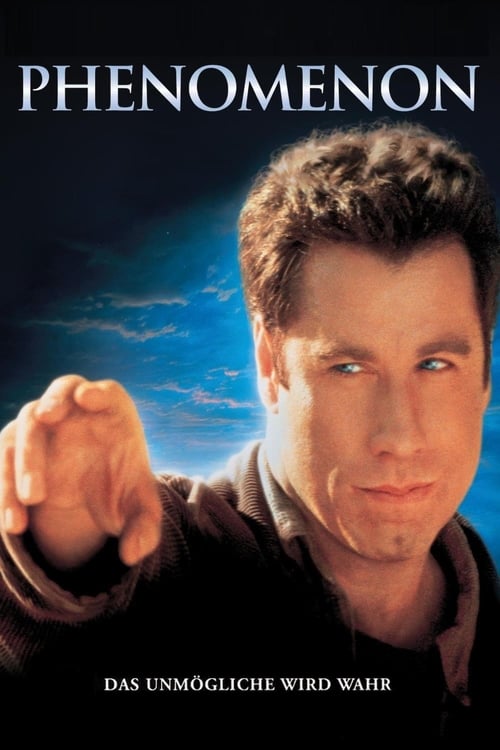
I remember the first time I saw the poster for Phenomenon. It was plastered on the side of a bus shelter in the sweltering July of ‘96. It was just John Travolta’s face—half-shadowed, looking upward with a mix of wonder and weariness. At the time, we were all still riding the high of his Pulp Fiction comeback, and the world was ready to follow him anywhere, even if "anywhere" turned out to be a small town in Northern California where he’d spend two hours learning Portuguese in twenty minutes and moving pens with his mind.

I actually rewatched this recently on a Tuesday evening while struggling to put together a flat-pack bookshelf, and I couldn't help but feel a pang of jealousy. If I’d been hit by a mysterious pulse of light from the sky, maybe I’d understand these Swedish instructions without the inevitable leftover screws.
The Everyday Superman
What’s fascinating about Phenomenon looking back is how aggressively it resists being a "superhero" movie. In 1996, the CGI revolution was just beginning to flex its muscles with Independence Day, but director Jon Turteltaub—who later gave us the wonderfully absurd National Treasure—opted for something far more grounded.
George Malley isn't trying to save the world; he’s trying to figure out why his tomatoes are growing so well and how to get the local recluse, Lace (Kyra Sedgwick), to trust him. John Travolta plays George with an almost aggressive sincerity. It’s a "nice guy" performance that feels like a deliberate palate cleanser after his turn as a hitman. He captures that specific 90s brand of "aw-shucks" heroism that feels a bit quaint now, but at the time, it was exactly what audiences wanted. He isn't a god; he’s just a mechanic whose brain suddenly has no ceiling.
A Small Town with Big Hearts
The film lives and breathes through its supporting cast. Forest Whitaker plays Nate Pope, George's best friend, and their chemistry is the secret sauce of the movie. Nate is a simple man who loves his shortwave radio, and Whitaker brings a level of soulful vulnerability to the role that prevents it from becoming a "sidekick" trope. Then you have Robert Duvall as Doc, the town’s physician and surrogate father figure. Duvall could do this role in his sleep, but he doesn't. He treats George’s sudden genius with a mixture of professional curiosity and genuine paternal fear.

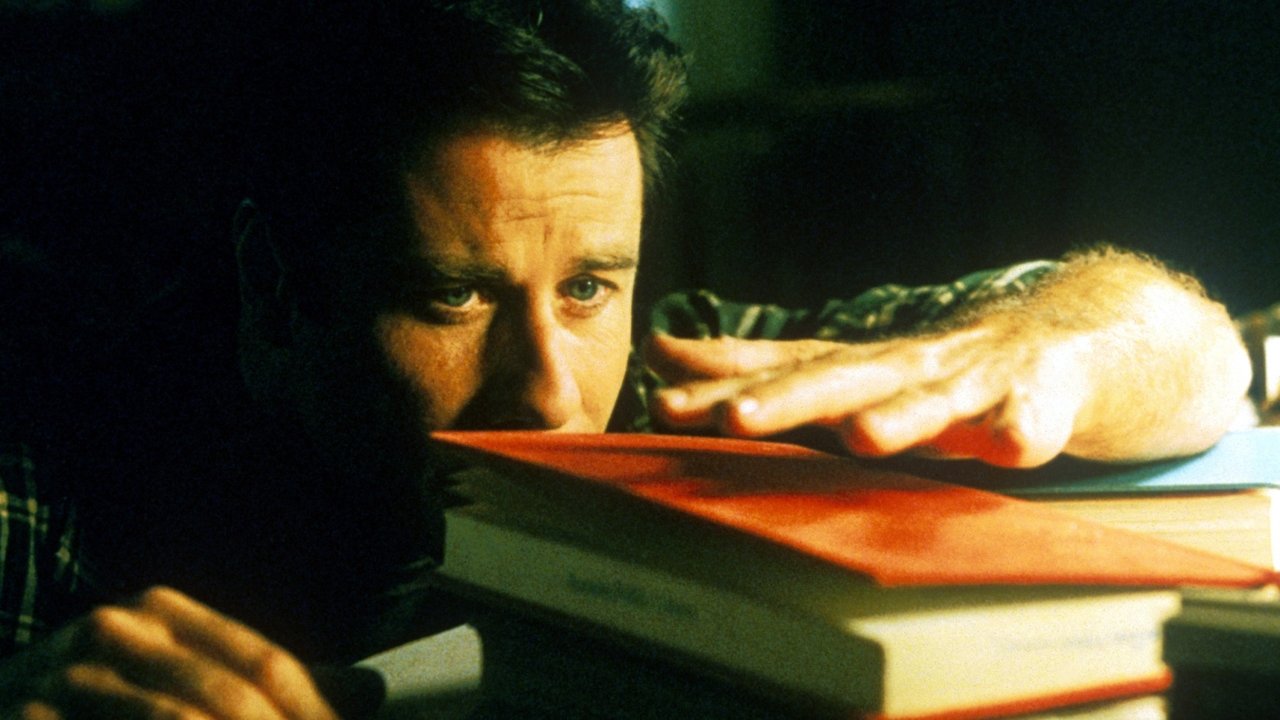
When George starts predicting earthquakes and deciphering military codes, the movie takes a sharp turn into "The Government is Watching" territory. Honestly, the government subplot feels like a completely different movie that wandered onto the set by mistake. It’s the weakest part of the narrative—a necessary conflict that feels bolted on because the writers weren't sure if a movie about a man just being "really, really smart" would hold our attention.
The $152 Million Sleeper Hit
We often forget just how much of a juggernaut this movie was. Produced by Touchstone Pictures (Disney’s "grown-up" label), it was made for a modest $32 million and went on to gross over $150 million. In the mid-90s, you didn't need a cape or a multi-film contract to dominate the box office; you just needed a high-concept hook and a soundtrack anchored by Eric Clapton.
"Change the World" was everywhere that year. You couldn't buy a loaf of bread without hearing that acoustic riff. That song, produced by Babyface, perfectly encapsulates the film’s vibe: smooth, slightly melancholic, and unapologetically sentimental. The movie captured a specific pre-Y2K anxiety—the idea that technology and information were accelerating so fast that our human hearts might not be able to keep up.
The Twist in the Light
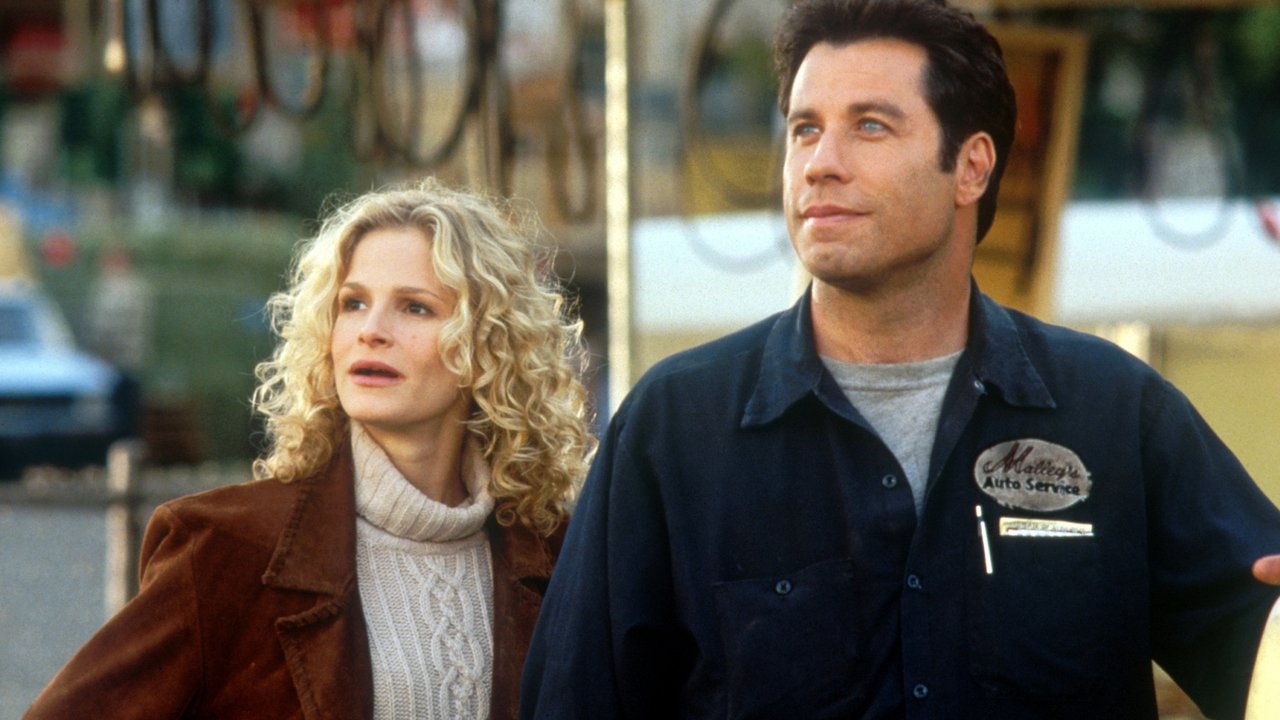
Without diving into full spoilers for the uninitiated, the third act of Phenomenon is where it earns its "Drama" badge. It makes a pivot from sci-fi wonder to something much more terrestrial and heartbreaking. It’s a bait-and-switch that annoyed some critics at the time, but I find it more resonant today. It shifts the focus from "what" George is to "who" he is.
The film suggests that genius isn't about knowing everything; it's about the burden of seeing the world with too much clarity. George’s frustration when his friends start treating him like a freak show is palpable. It’s a reminder that even in a decade defined by "extreme" everything, the most terrifying thing you could be was an outsider in your own backyard.
Looking back, Phenomenon is a time capsule of a era when a movie could just be pleasant for an hour before it decided to break your heart. It doesn't have the cynical edge of modern sci-fi, and it doesn't have the polished perfection of a modern franchise. It’s a bit messy, a bit too long, and definitely too sentimental, but it has a soul.
Ultimately, Phenomenon is a film about the beauty of human potential and the tragedy of its limits. It’s the kind of mid-budget adult drama that Hollywood has largely abandoned in favor of intellectual property, which makes revisiting it feel like catching up with an old friend. If you’re looking for something that offers a warm hug followed by a good cry, George Malley’s story still delivers. Just don't expect it to help you with your IKEA furniture.
Keep Exploring...
-
Forever Young
1992
-

Shallow Hal
2001
-
City of Angels
1998
-
Cool Runnings
1993
-

While You Were Sleeping
1995
-

Ghost
1990
-
Twilight
2008
-

17 Again
2009
-

Upside Down
2012
-
Mary Shelley's Frankenstein
1994
-

The Twilight Saga: New Moon
2009
-

The Twilight Saga: Eclipse
2010
-

The Twilight Saga: Breaking Dawn - Part 2
2012
-

The Nutty Professor
1996
-
Meet Joe Black
1998
-
Sliding Doors
1998
-
Soldier
1998
-
What Dreams May Come
1998
-
The Family Man
2000
-
The Legend of Bagger Vance
2000