Ransom
"The ransom is the price on their heads."
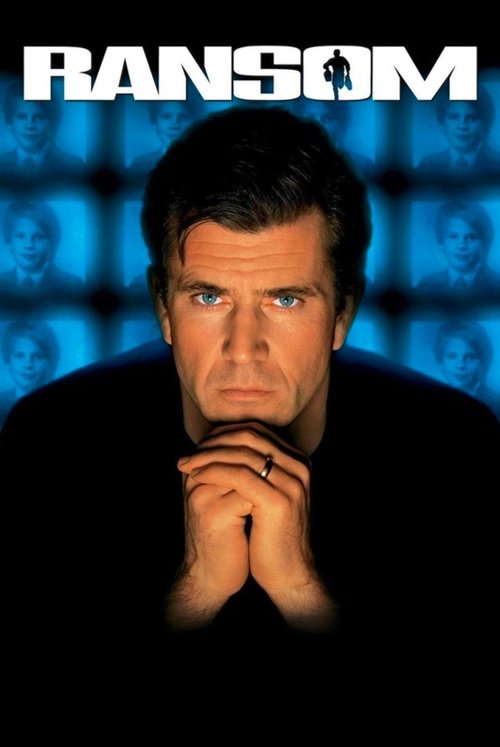
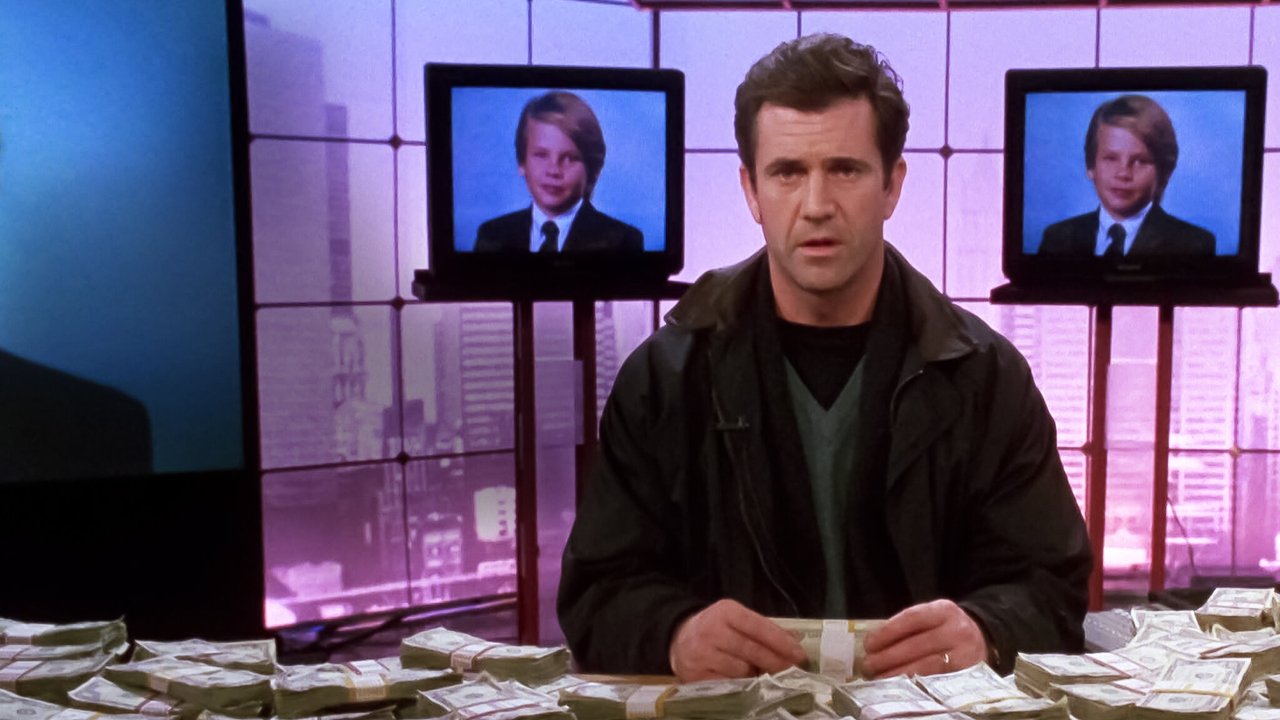
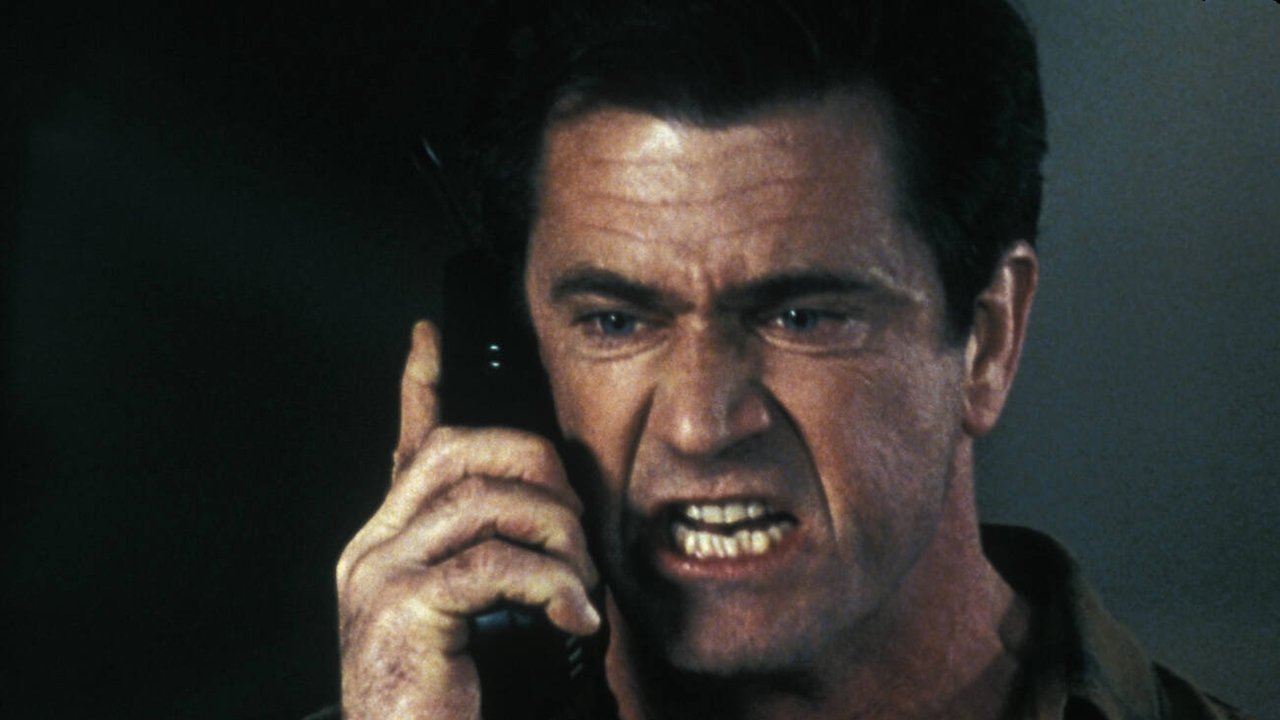
I’ll never forget the first time I saw the pivot point in Ransom. I was watching a battered VHS copy on a TV so small it was basically a microwave, and I was eating a bowl of cereal that had gone completely soggy because I forgot to move my spoon for twenty minutes. There is a moment where Mel Gibson, playing the high-flying airline tycoon Tom Mullen, stops being a victim and starts being a predator. He walks into a local TV station, looks directly into the lens, and tells the kidnappers that the $2 million they want isn't going to them. Instead, it’s a bounty on their heads.
It is one of the most electric "game-changer" moments in 90s cinema. In an era where action movies were leaning hard into the spectacle of Independence Day or the tech-wizardry of Mission: Impossible, director Ron Howard delivered something that felt dangerously grounded and psychologically mean.
The Art of the Meltdown
By 1996, we all knew "The Mel Gibson Character." He was the guy who was always one bad day away from a total nervous collapse. But in Ransom, Mel Gibson (hot off his Oscar win for Braveheart) channels that manic energy into something far more interesting: parental guilt. Tom Mullen isn't a saint; he’s a guy who arguably bought his way out of a labor scandal, and now his son is paying the price.
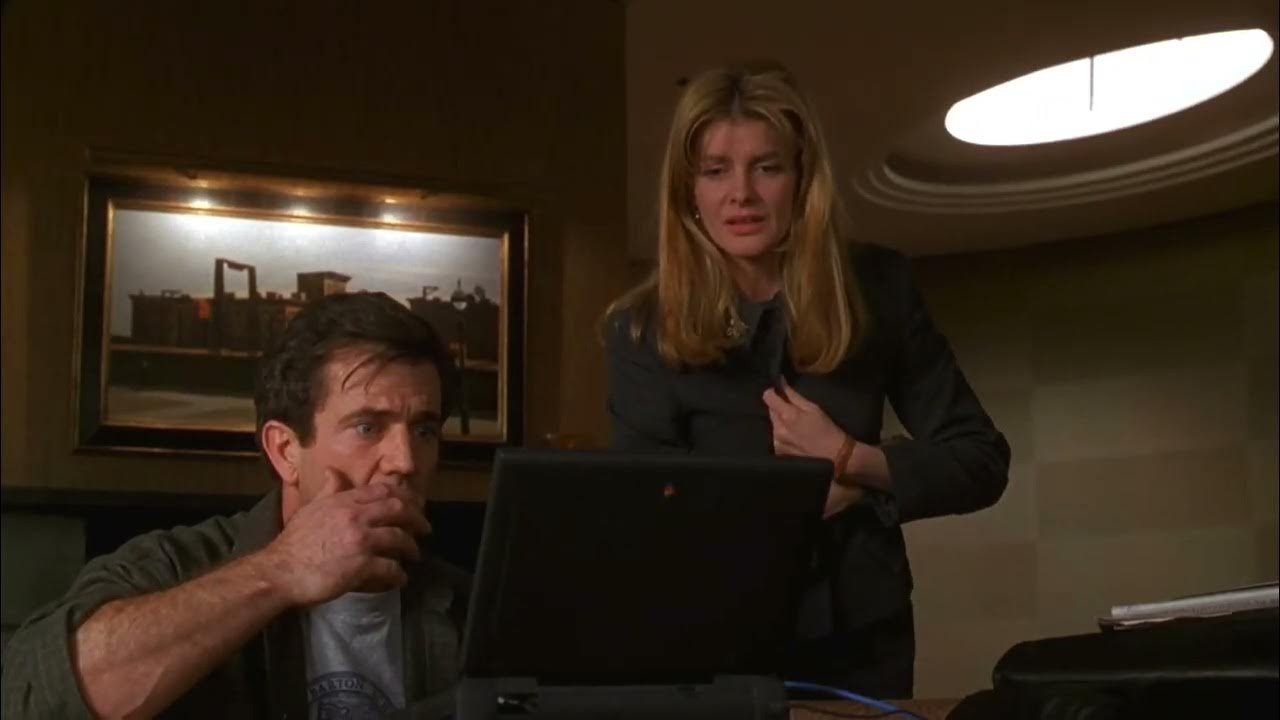
Opposite him, Rene Russo does a lot of the heavy lifting as Katherine Mullen. While Mel gets to do the "crazy father" routine, Russo provides the necessary emotional anchor. Her reaction to Tom’s bounty gambit is what makes the scene work—she looks at her husband like he’s a monster, and for a second, you agree with her. It’s that domestic friction that separates this from your standard "I will find you and I will kill you" fare. Tom Mullen is basically a shark who realized he could buy the ocean just to drown his enemies.
Then there’s Gary Sinise. Fresh off playing the lovable Lt. Dan in Forrest Gump, Sinise does a 180-degree turn here as Detective Jimmy Shaker. He is chillingly professional, a man who views kidnapping as a business transaction with overhead costs. Watching him and Gibson trade verbal blows over a telephone line is like watching a high-stakes poker game where the "pot" is a small boy (Brawley Nolte, son of Nick Nolte, who manages to be effectively terrified without being annoying).
A Masterclass in 90s Tension

Ron Howard is often called a "workmanlike" director, which people sometimes use as a backhanded compliment. But in Ransom, his professionalism is a godsend. He understands that a thriller needs to breathe. He uses the New York locations—from the swanky Fifth Avenue apartments to the grimy, pre-gentrified corners of the city—to highlight the class divide at the heart of the script by Richard Price (The Wire) and Alexander Ignon.
The film looks gorgeous, too, thanks to cinematographer Piotr Sobociński (Three Colors: Red), who gives the film a rich, golden hue that slowly drains away as the situation becomes more desperate. And we have to talk about James Horner. His score is a jagged, anxious masterpiece. It doesn’t rely on heroic fanfares; it uses dissonant pianos and sudden bursts of percussion that make you feel like your own heart is skipping beats.
The $300 Million Gamble
Ransom was a massive hit, raking in over $309 million against an $80 million budget—a huge sum for a movie that is essentially people yelling into telephones. It’s a testament to the "Star Power" era. People didn't go to see Ransom because it was a franchise; they went because Mel was the biggest name on the planet and the hook was irresistible.
The production itself was a bit of a localized disaster. Mel Gibson actually had to have emergency appendectomy surgery during filming. If you look closely at some of the scenes shot immediately after his return, you can see he’s moving a bit stiffly—which, honestly, only adds to the "man on the edge" vibe.
There’s also a fascinating bit of trivia regarding the ending. Test audiences apparently found the original cut too bleak, leading to some reshoots to ensure a more "explosive" finale. While the final shootout is a bit more "Hollywood" than the rest of the film, Ron Howard manages to keep the stakes feeling physical and messy. There’s no CGI to save anyone here; it’s all crashing glass and 90s stuntmen falling through tables.
Looking back, Ransom stands as a peak example of the "Adult Blockbuster." It’s a film that trusts the audience to handle a protagonist who might actually be a bit of a jerk, and a villain who is uncomfortably relatable in his greed. It’s tight, it’s mean, and it features Mel Gibson at his most feral. If you haven't seen it in a while, it’s well worth a revisit—just make sure your phone is on silent, because every time a ringer goes off in this movie, your blood pressure will spike.
---
Keep Exploring...
-
Backdraft
1991
-
Lethal Weapon 3
1992
-
Lethal Weapon 4
1998
-

Outbreak
1995
-

Broken Arrow
1996
-
Conspiracy Theory
1997
-
Payback
1999
-
In the Line of Fire
1993
-
Cliffhanger
1993
-
Clear and Present Danger
1994
-
True Lies
1994
-
Apollo 13
1995
-
Die Hard: With a Vengeance
1995
-
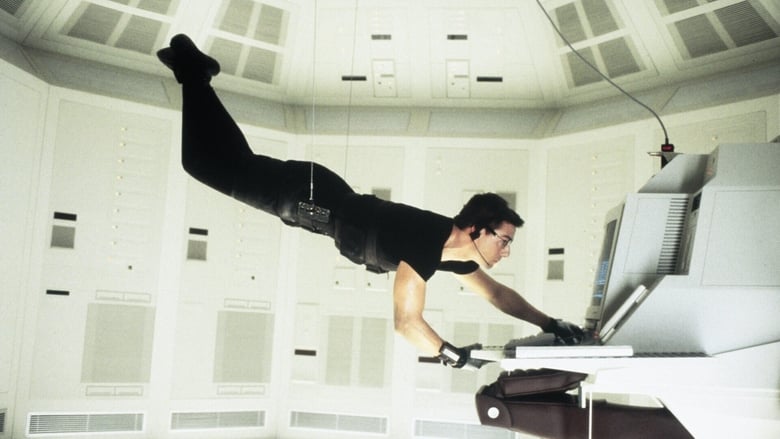
Mission: Impossible
1996
-
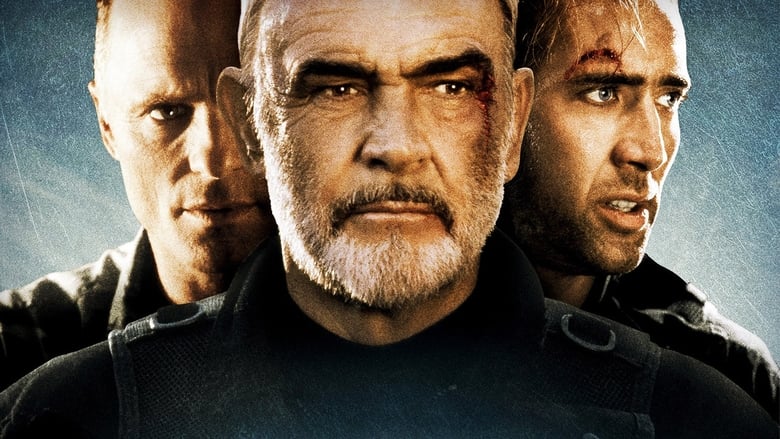
The Rock
1996
-
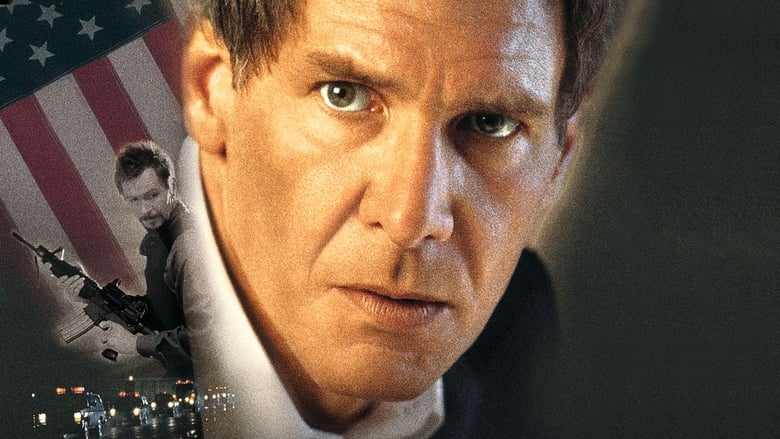
Air Force One
1997
-
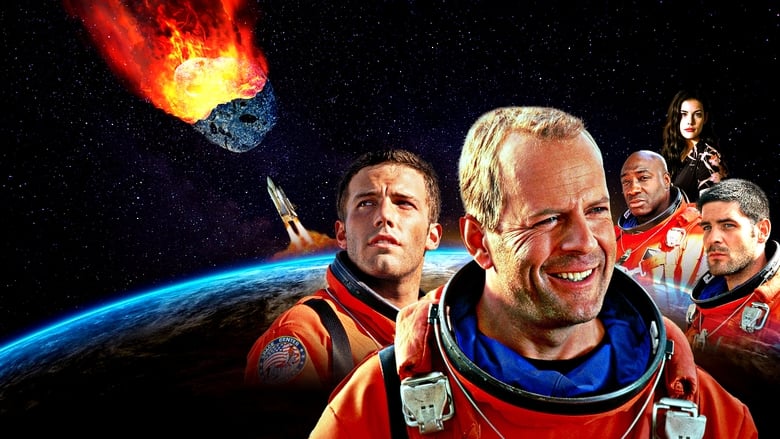
Armageddon
1998
-
Mission: Impossible II
2000
-

Jurassic Park III
2001
-
The Da Vinci Code
2006