Romeo + Juliet
"Shakespeare with a silencer and a Hawaiian shirt."
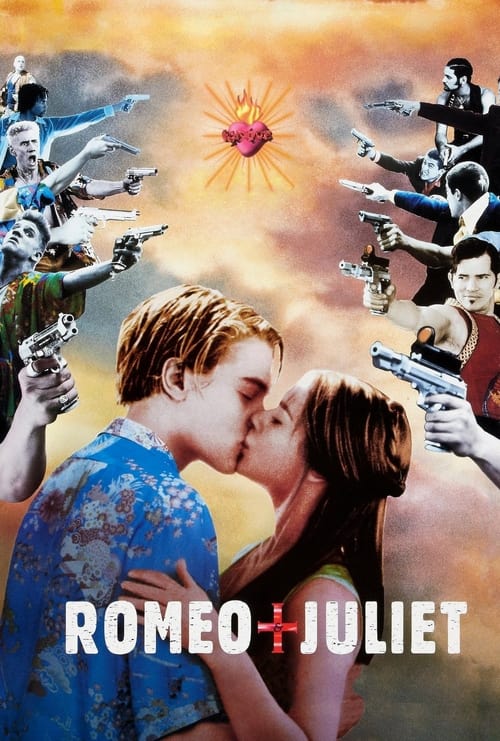
The 1990s were a decade of aggressive reinvention, a time when Hollywood looked at dusty old texts and decided they needed more glitter, more jump-cuts, and a soundtrack that would move a million CDs at the local Tower Records. Nowhere was this more apparent than in 1996, when a frantic, neon-soaked vision of Verona Beach exploded onto screens. It wasn’t just a movie; it was a sensory hijacking that proved the Bard’s 400-year-old dialogue could sound perfectly natural coming from a teenager with a peroxide dye job and a customized "Longsword" 9mm handgun.
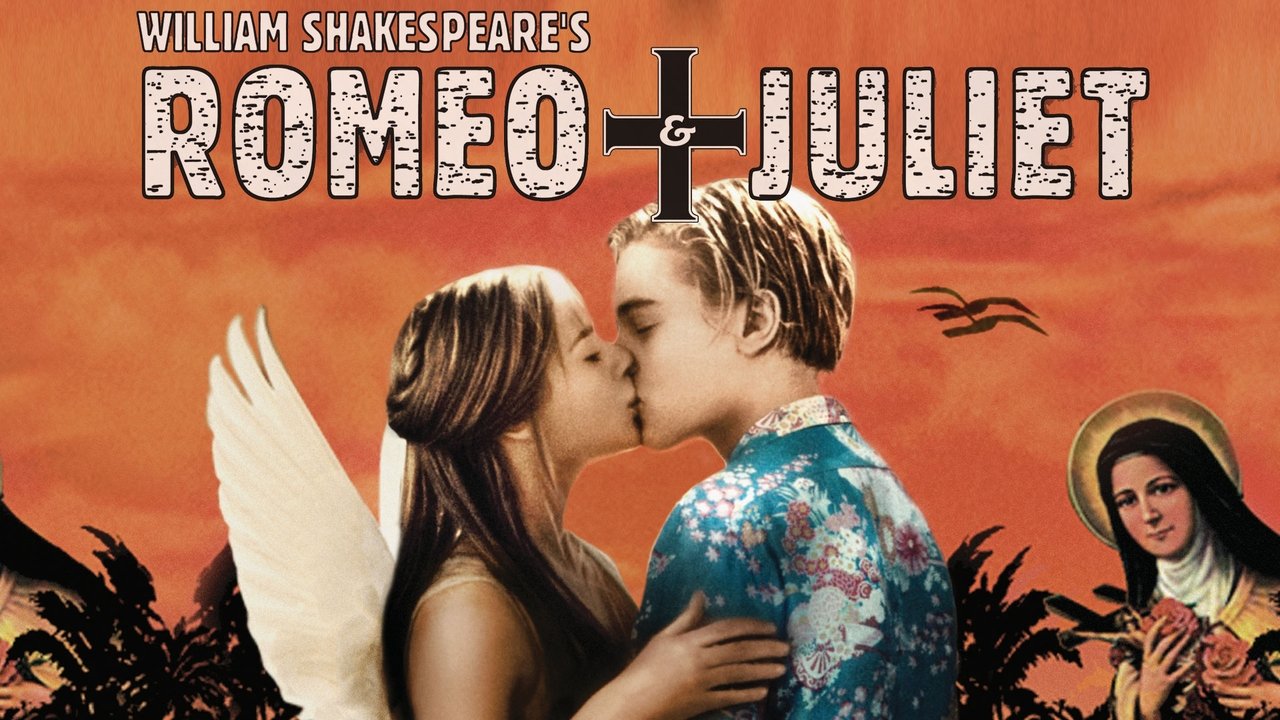
The Red Curtain Riot
I watched this recently while recovering from a particularly nasty wisdom tooth extraction, and I’m convinced the film’s saturated color palette and whip-pan editing style actually helped the painkillers kick in faster. Baz Luhrmann (who would later give us Moulin Rouge! and Elvis) doesn't just direct; he directs like he’s just consumed six cans of Red Bull and a bag of Pixy Stix. The opening sequence at the gas station is a masterclass in kinetic chaos—a Western standoff fueled by MTV aesthetics and religious iconography.
Looking back from our current era of sleek, often desaturated digital cinematography, there’s something wonderfully tactile and bold about the film’s look. Shot by Donald McAlpine, the movie embraces the transition of the mid-90s, blending traditional anamorphic grit with a frenetic energy that felt like the future. It’s a film that demands your attention with every frame, using the "Red Curtain" style to remind us that we aren't watching reality—we’re watching a myth.
Star-Crossed and Skin-Deep
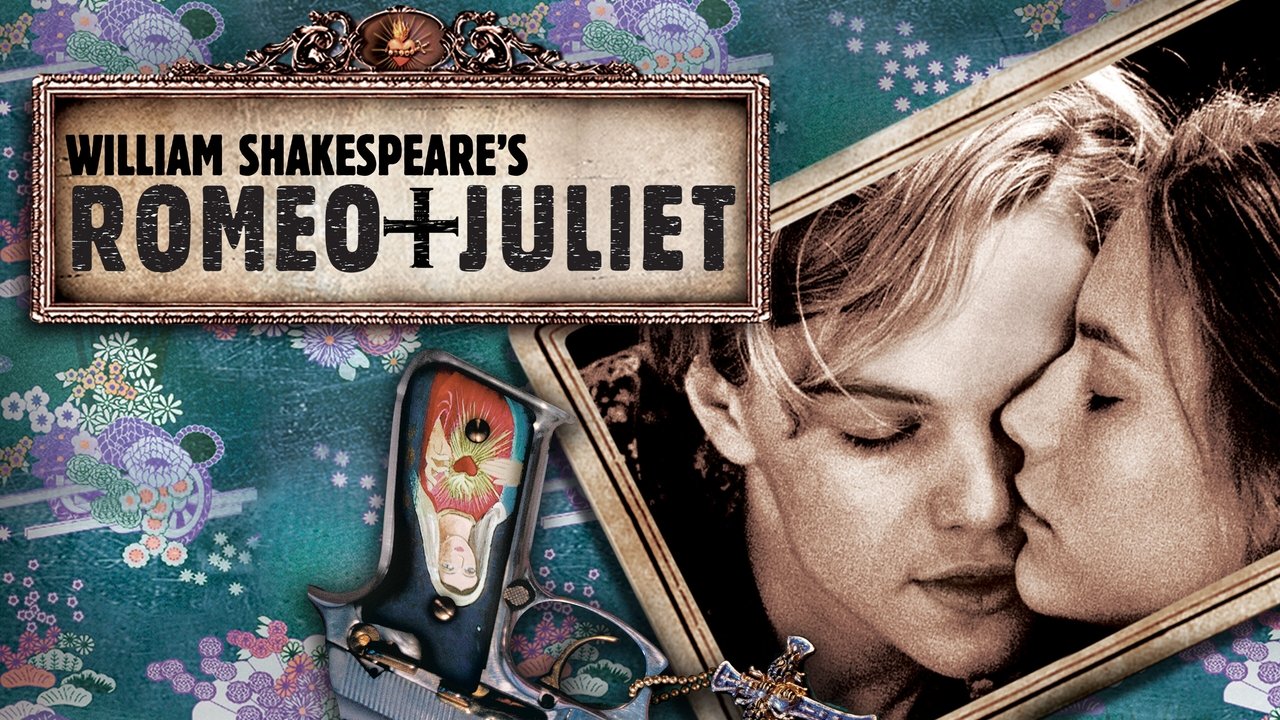
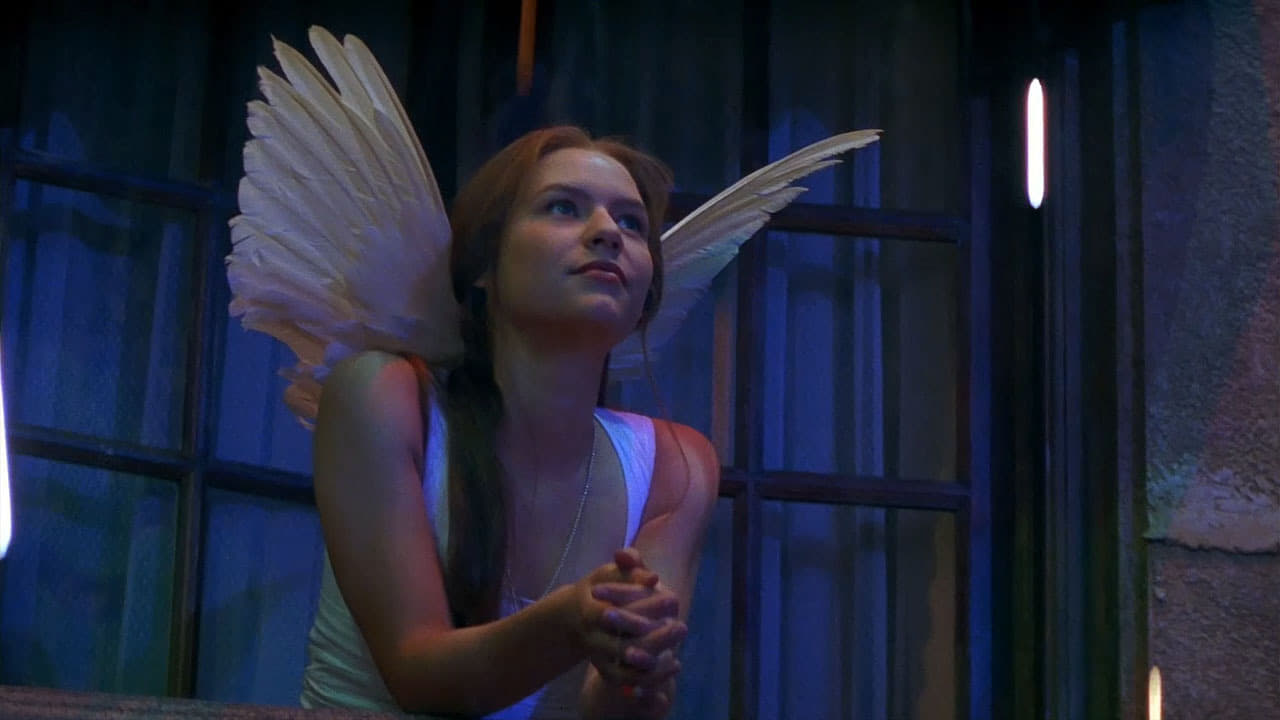
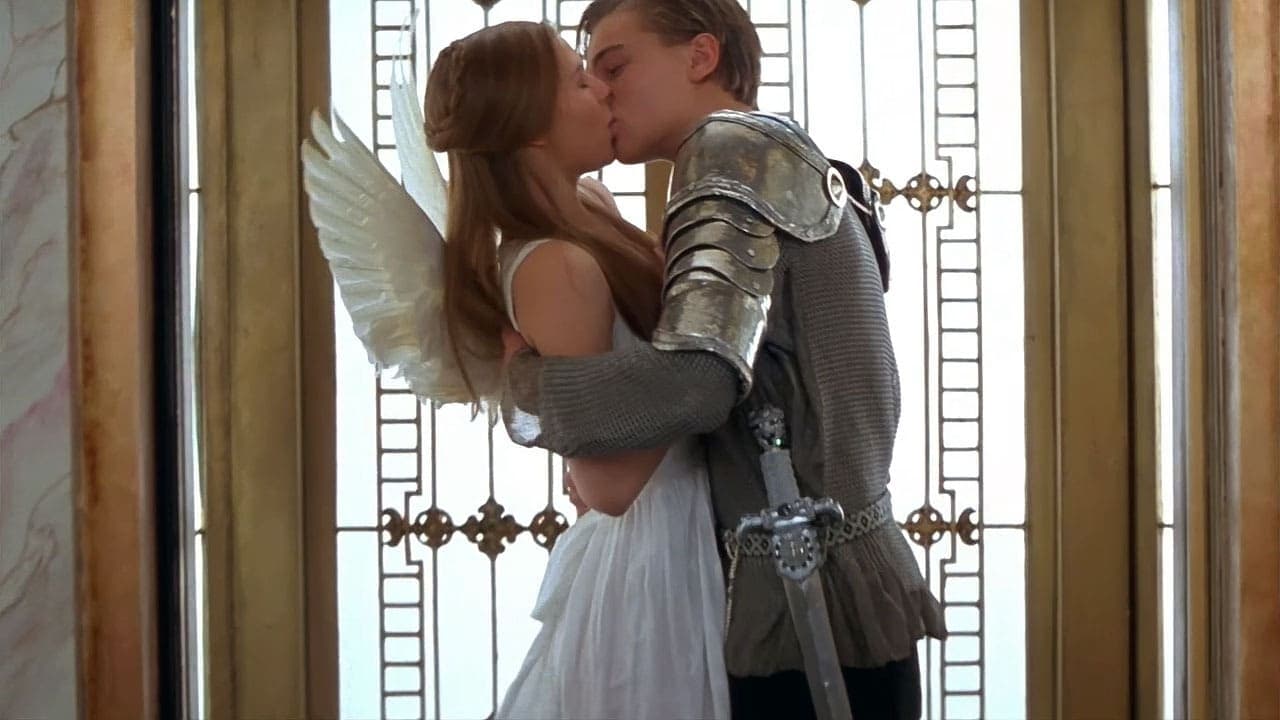
At the center of this storm are Leonardo DiCaprio and Claire Danes. In 1996, Leo was at that precise, fleeting moment of "Leo-mania" where he possessed a luminous, almost ethereal quality. He plays Romeo with a vulnerable, chain-smoking intensity that makes the character’s impulsive idiocy actually feel like profound tragedy. Claire Danes, meanwhile, provides the necessary anchor. Her Juliet isn't just a passive girl in a balcony; she’s watchful, soulful, and remarkably grounded amidst the campy madness surrounding her.
Their first meeting through a fish tank remains one of the most effective romantic beats of the decade. It’s simple, visual, and relies entirely on their chemistry—plus a very well-placed Des'ree track. But for me, the scene-stealer has always been John Leguizamo as Tybalt. Clad in black leather with silver-heeled boots, he moves like a flamenco dancer with a death wish. Leguizamo’s Tybalt is basically a lethal cartoon character, and I mean that as the highest possible compliment. Then there’s Harold Perrineau as Mercutio, who delivers the Queen Mab speech with a drag-queen-infused fury that adds a layer of tragic desperation the play often misses in more "traditional" stagings.
A Cultural Juggernaut in a Snapshot
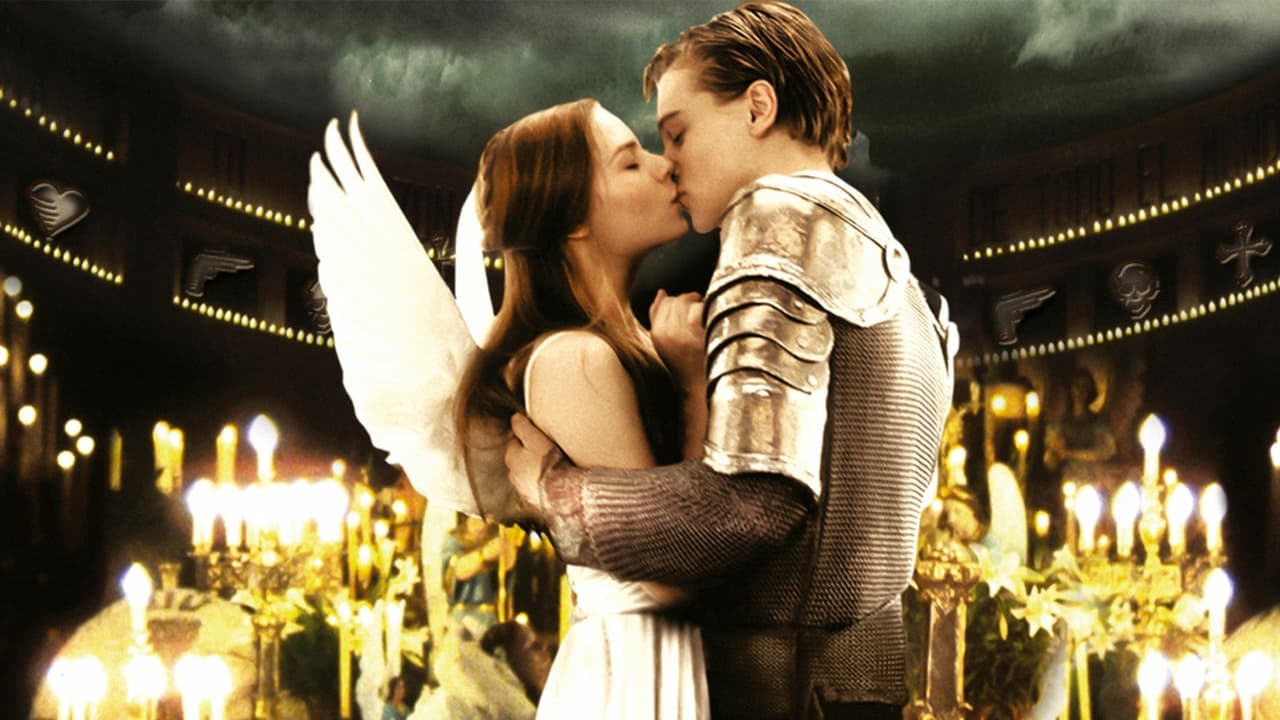
It’s easy to forget how much of a blockbuster this actually was. With a modest $14.5 million budget, it raked in nearly $150 million worldwide, proving that teenagers would flock to Shakespeare if you just made it look as cool as a Nirvana music video. The production was famously plagued by bad luck; while filming in Mexico City, a hurricane destroyed the sets, and the film’s hairstylist was actually kidnapped for ransom (and later returned for three hundred dollars).
The film also captures that pre-9/11 sense of urban anxiety—a world of "Verona Beach" that feels like a collision of Miami, Mexico City, and a fever dream. It was the peak of the DVD era’s "special edition" culture, where we’d pore over the behind-the-scenes footage to understand how they choreographed those gun-twirling sequences. It also represents a time when a movie’s soundtrack was a cultural event in its own right. If you didn’t have "Lovefool" by The Cardigans or Radiohead's "Exit Music (For a Film)" on a loop in 1996, were you even there?
Ultimately, Romeo + Juliet succeeds because it treats the source material with absolute sincerity despite all the visual noise. Luhrmann understands that the play is about the terrifying, reckless speed of teenage emotion, and his camera moves at exactly that velocity. It’s a loud, proud, and beautifully tragic relic of the 90s that still feels surprisingly fresh. Even if you usually find Shakespeare a chore, this version is worth it just for the spectacle of Leo’s floral shirts and the sheer audacity of the filmmaking.
Keep Exploring...
-
The Great Gatsby
2013
-
Moulin Rouge!
2001
-
Australia
2008
-
The Beach
2000
-
Forever Young
1992
-

The Bodyguard
1992
-

Indecent Proposal
1993
-
Sleepless in Seattle
1993
-

Legends of the Fall
1994
-
The Bridges of Madison County
1995
-
Phenomenon
1996
-
The English Patient
1996
-
Chocolat
2000
-
Save the Last Dance
2001
-
Shallow Hal
2001
-

The Man in the Iron Mask
1998
-

Sense and Sensibility
1995
-
Jerry Maguire
1996
-
As Good as It Gets
1997
-
City of Angels
1998