Scream
"Don't answer the phone. The rules have changed."
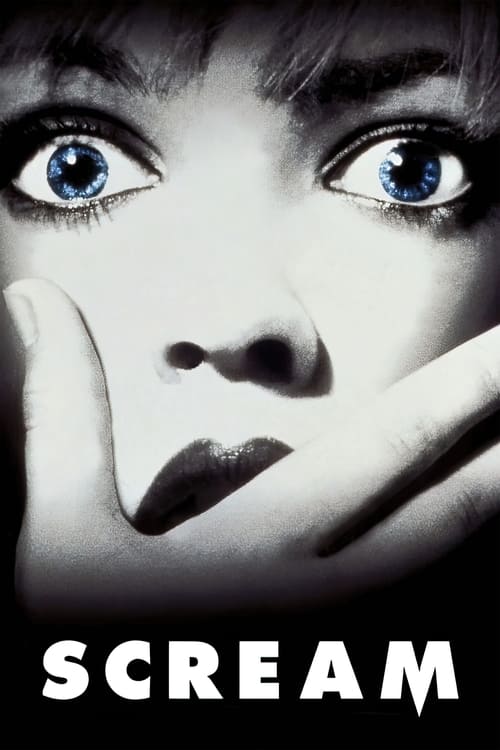
The hum of a landline telephone is a sound that has largely vanished from our daily lives, replaced by the silent vibrations of glass slabs in our pockets. But in 1996, that mechanical ring was a tether to the world—and in the opening minutes of Scream, Wes Craven (the mastermind behind A Nightmare on Elm Street) turned it into a weapon of pure psychological warfare. There is a cold, calculated cruelty in those first ten minutes that many forget when discussing the film’s "meta" reputation. Before the self-aware jokes and the horror movie trivia, there is simply a girl, a kitchen knife, and a voice on the other end of the line that understands exactly how to strip away a person's sense of safety.
I revisited this one on a Tuesday evening while nursing a slightly bruised ego from a failed DIY shelf project, surrounded by sawdust and half-empty Gatorade bottles. Somehow, the domestic mess made the intrusion of Ghostface feel even more invasive. This isn't just a movie about movies; it’s a movie about the terrifying realization that the people who want to hurt you might be the ones who’ve been paying the most attention to your life.
The Nihilism Behind the Mask
By the mid-90s, the slasher genre was effectively a corpse. It had been bled dry by endless, increasingly silly sequels to Friday the 13th and Halloween. When Kevin Williamson’s script (originally titled Scary Movie) landed, it didn't just provide a jump-start; it performed an autopsy. However, applying a darker lens to the film reveals that its greatest strength isn't its wit—it’s its nihilism. Unlike the supernatural boogeymen of the 80s, the threat here is human, motivated by a toxic blend of media saturation and petty, deep-seated resentment.
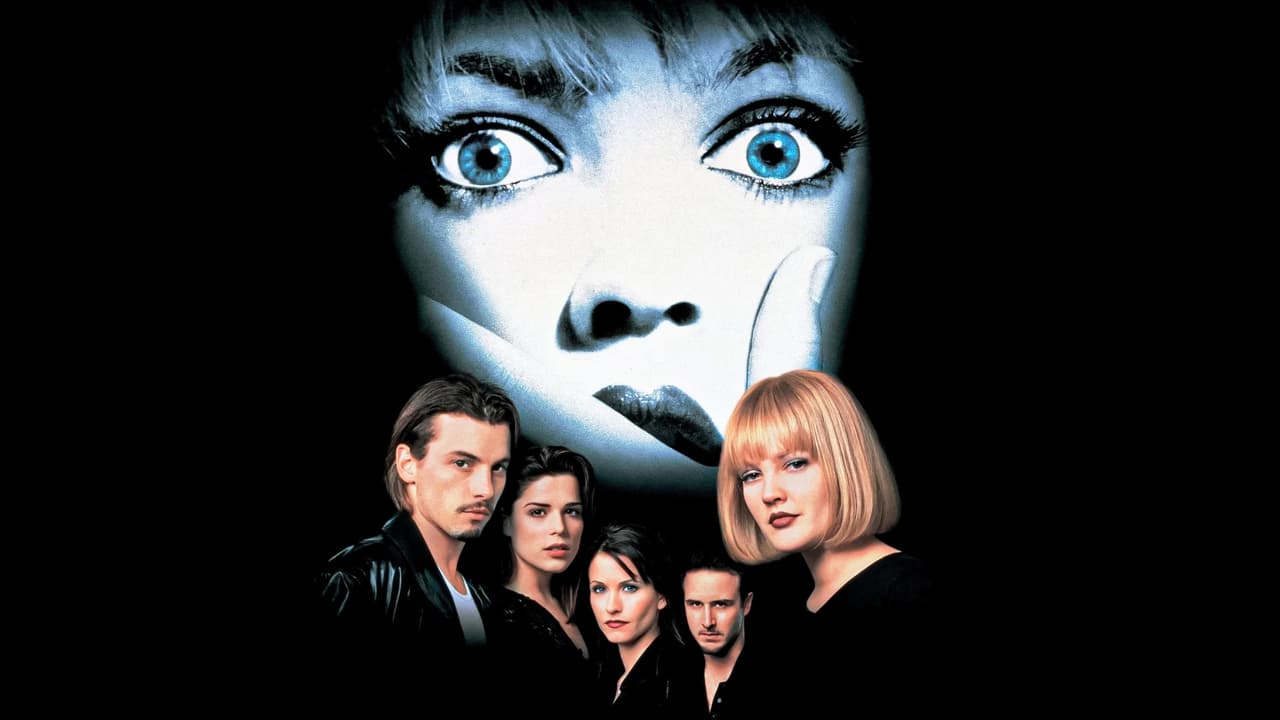
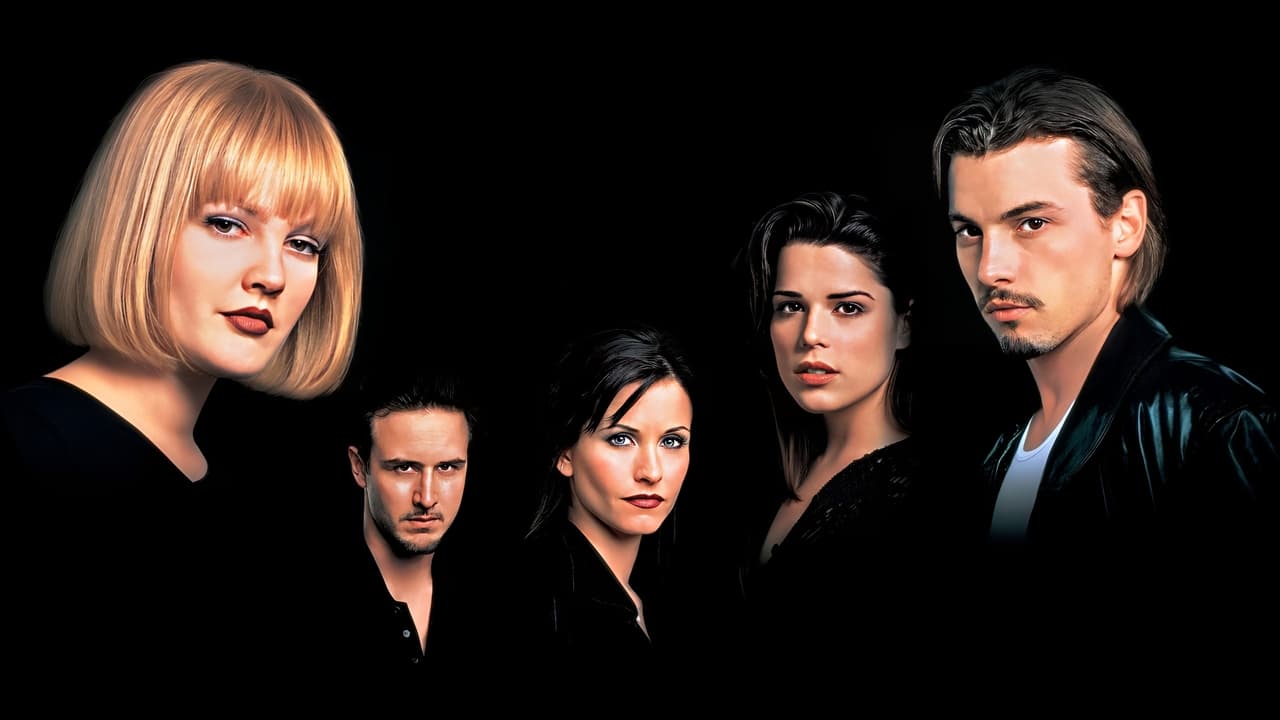
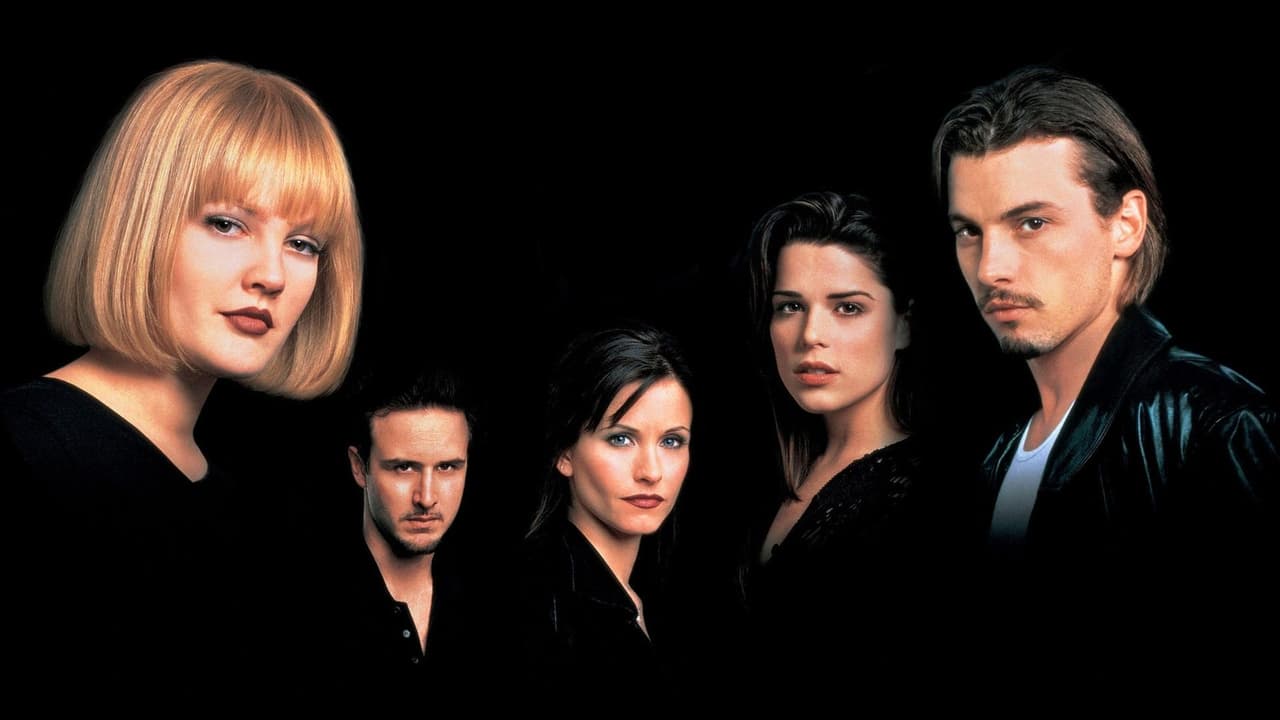
Neve Campbell (known then for Party of Five) delivers what I consider one of the most underrated "Final Girl" performances because she plays Sidney Prescott with a palpable sense of grief. A year prior to the film's events, her mother was murdered, and that trauma hangs over every frame. When Skeet Ulrich’s Billy Loomis climbs through her window, the tension isn't just about whether he’s a killer; it’s about the crushing weight of Sidney’s inability to trust anyone in a town that views her tragedy as local gossip. The film treats Sidney’s survival not as a triumph, but as a grueling endurance test.
The supporting cast balances this weight with an energy that feels dangerously kinetic. Courteney Cox, taking a sharp left turn from her Friends persona, is wonderfully predatory as Gale Weathers. She isn't a hero; she’s a careerist who views a pile of bodies as a ladder to a bestseller. Then there’s Matthew Lillard as Stu Macher, who gives a performance so unhinged and physically erratic that it feels like he was possessed by a caffeinated Tasmanian devil. His performance, in particular, highlights the film's darker undertone: the idea that some people commit atrocities simply because they’re bored and want to see what "the rules" look like when they're broken.

A Legacy Carved in Blood
The production of Scream was a gamble that Dimension Films didn't entirely understand at first. They famously hated the footage of the opening scene until they saw it edited together. Wes Craven had to fight the MPAA tooth and nail to keep the more intense imagery—specifically the shot of a character being gutted and hung from a tree. It’s that unflinching willingness to show the ugliness of violence that keeps Scream from becoming a parody of itself.
The "Ghostface" mask, now a staple of every Halloween store on the planet, was actually a random find by producer Marianne Maddalena while scouting a house. It wasn’t a custom-designed monster; it was a cheap, mass-produced piece of plastic. That detail is hauntingly appropriate for a film that argues horror is a commodity we’ve all become way too comfortable consuming.
Technically, the film is a masterclass in spatial tension. Mark Irwin’s cinematography uses the wide-open spaces of Northern California ranch houses to make characters feel exposed even when they’re behind locked doors. The score by Marco Beltrami (who would go on to score A Quiet Place) avoids the typical orchestral swells of the era, opting instead for a lonely, Western-inflected sound that emphasizes Sidney’s isolation. It’s a sophisticated audio-visual package for a film that easily could have been a disposable teen flick.
The Cultural Explosion
Financially, Scream was a juggernaut, turning a modest $14 million budget into over $173 million worldwide. It didn’t just launch a franchise; it launched an entire aesthetic. For the next decade, every horror movie tried to be "the next Scream," often failing because they prioritized the snarky dialogue over the genuine dread that Wes Craven baked into the foundation.
Looking back, the film captures a very specific pre-9/11 anxiety—the fear of the monster in the house, the betrayal of the peer group, and the burgeoning realization that the internet and media were blurring the lines between reality and fiction. The killers aren't motivated by ancient curses; they’re motivated by the movies they watch. It’s a cycle of violence that feels more relevant now, in the age of true-crime obsession, than it did in 1996.
The brilliance of Scream lies in its duality. It’s a film that invites you to laugh at the tropes of the genre while simultaneously punishing you for being a fan. It’s brutal, it’s smart, and it features a climax that remains one of the most chaotic and terrifying house-party-gone-wrong scenarios ever put to celluloid. If you haven't seen it in a while, put your phone on silent and give it another look. Just make sure the doors are locked.

Keep Exploring...
-

Scream 2
1997
-
Scream 4
2011
-
Scream 3
2000
-
Scream
2022
-
Scream VI
2023
-
Saw
2004
-
New Nightmare
1994
-
Se7en
1995
-
Primal Fear
1996
-
The Others
2001
-
Mystic River
2003
-
Ace Ventura: Pet Detective
1994
-
Glengarry Glen Ross
1992
-
Twin Peaks: Fire Walk with Me
1992
-
Batman: Mask of the Phantasm
1993
-

In the Mouth of Madness
1995
-
From Dusk Till Dawn
1996
-
L.A. Confidential
1997
-
Arlington Road
1999
-
The Girl with the Dragon Tattoo
2009