Slayers Return
"Short Tempers, Big Fireballs, and the Laugh that Shook Heaven."
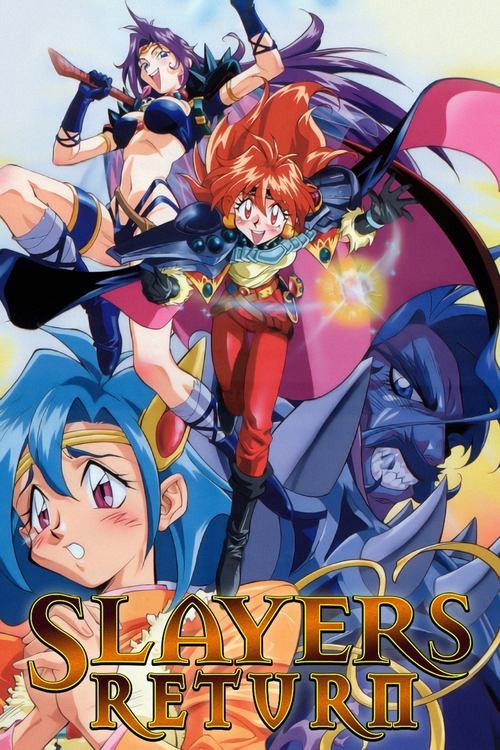
In the mid-1990s, if you wanted high fantasy that didn’t take itself with the grim-faced seriousness of a tax audit, you looked to the girls in the capes. While the rest of the cinematic world was busy trying to figure out how to make CGI dinosaurs look realistic, the Japanese animation industry was hitting a gorgeous, hand-painted stride. Slayers Return is a shimmering artifact from that transition era—a 60-minute burst of sorcery and slapstick that reminds me why the 90s were the golden age of the "adventure-comedy."
I watched this most recent viewing while trying to eat a bowl of soggy cereal without looking down, which resulted in more milk on my hoodie than in my mouth, but it ensured I didn't miss a single frame of the pyrotechnics. It was entirely worth the laundry bill.
A Masterclass in Chaotic Chemistry
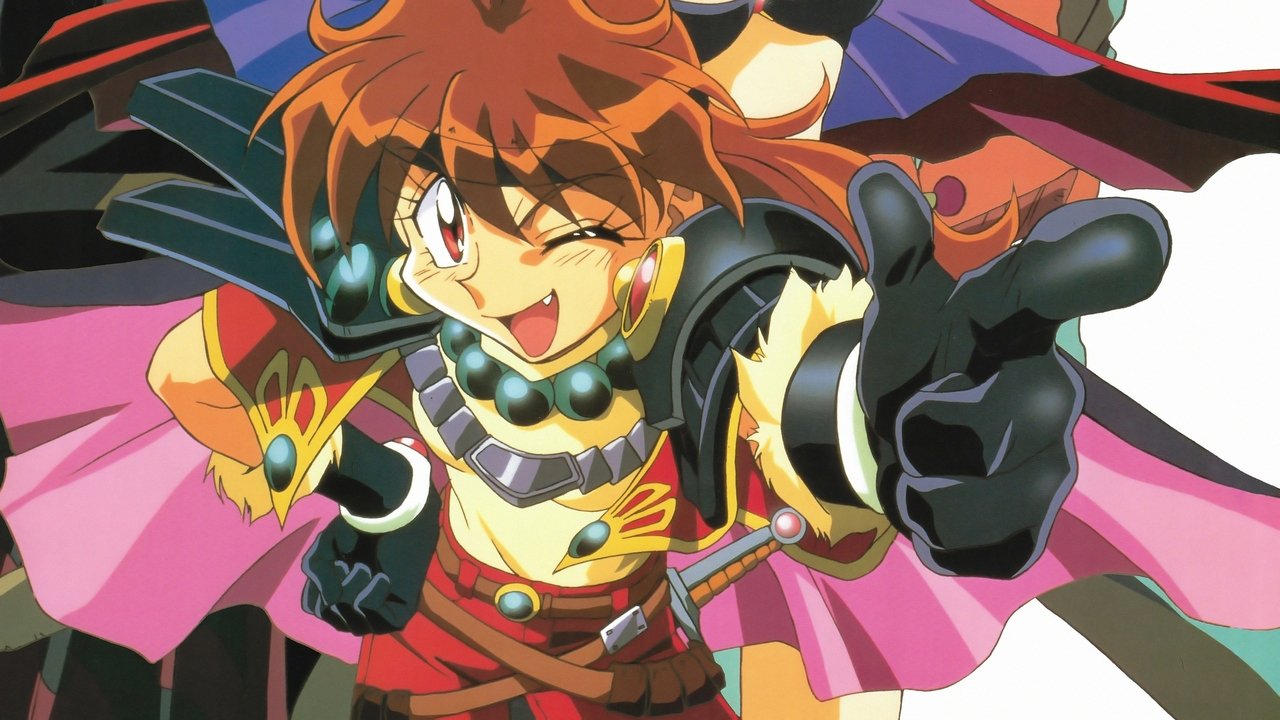
At the heart of Slayers Return are Lina Inverse and Naga the White Serpent. Lina, voiced by the legendary Megumi Hayashibara, is a teenage sorceress whose appetite for gold is only eclipsed by her appetite for destruction. She’s the anti-heroine we didn’t know we needed: brilliant, petty, and prone to solving minor disputes with city-leveling explosions. Then there’s Naga, played by Maria Kawamura, a woman whose outfit defies the laws of both physics and decency, and whose signature "ho-ho-ho" laugh is legally classified as a sonic weapon in three countries.
The plot is classic adventure fodder. Our duo is hired to protect a village from a group of bandits who have accidentally unearthed an ancient elven "super-weapon." What follows isn't a deep dive into the ethics of magical warfare; it’s a zippy, high-stakes romp through some of the most beautiful cel-animation of the decade. The chemistry between Lina and Naga is the engine that drives the film. They aren't exactly friends; they are more like two rival hurricanes forced to share the same coastline. Their bickering feels lived-in and genuinely funny, avoiding the mean-spiritedness that often plagues modern "frenemy" tropes.
The Beauty of the Analog Edge
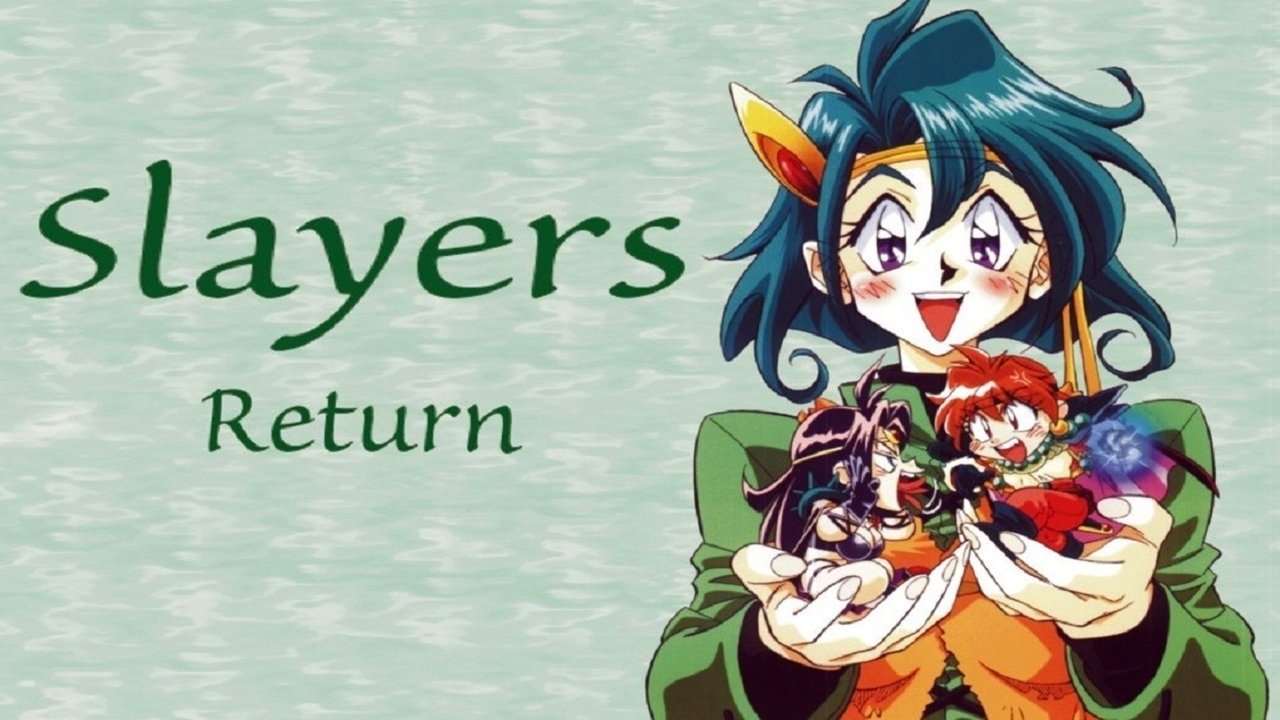
Looking back at 1996, we were standing on the precipice of the digital revolution. Within a few years, almost all anime would shift to digital ink and paint. Slayers Return, however, is a victory for the old school. Produced by Toei and J.C.Staff, the film has a weight and texture that modern, sterile digital flats often lack. There is a specific glow to the "Dragon Slave" spell—Lina’s signature move—that feels like it’s actually burning through the celluloid.
Director Hiroshi Watanabe understands the rhythm of an adventure film. He knows exactly when to let the camera linger on a lush, watercolor forest and when to tighten the frame for a comedic reaction shot. The "Ancient Golem" at the center of the conflict is a fantastic piece of production design—it looks like a cross between a Victorian boiler and a nightmare, and the way it moves has a clunky, terrifying physicality. The action sequences aren't just flashy; they have a sense of geography and momentum. You always know where the characters are, even when the screen is 80% fire.
Stuff You Didn't Notice (The Cult Files)
Part of the joy of the Slayers franchise is its status as a "gateway" cult classic. In the 90s, this was the series you found on a third-generation VHS fan-dub or a wildly expensive imported DVD. It spoke to the Dungeons & Dragons crowd while simultaneously making fun of them.
There are some delightful bits of trivia hidden in these 60 minutes:
Megumi Hayashibara was so synonymous with this era that she not only voiced the lead but also sang the film’s theme songs. She was basically the Beyoncé of 90s voice acting. Naga the Serpent’s laugh actually became a point of professional pride for Maria Kawamura. Apparently, she practiced the specific "Ohoho!" trill to the point where she could do it for several minutes without taking a breath. The film’s villain, Becker, is voiced by Chafurin, who fans might recognize as the voice of Inspector Megure in Detective Conan. Seeing him play a flamboyant, magical megalomaniac is a total trip. Slayers Return was actually part of a yearly tradition where short Slayers movies were released as double-features with other anime hits, like Tenchi Muyo!. This "short-but-sweet" theatrical format is something I wish would make a comeback; it’s all killer, no filler. * The "boob-and-breast" pun regarding the village of "Biatz" is a prime example of the 90s' penchant for slightly-crass-but-harmless wordplay that would likely be "scrubbed" in a more corporate modern production.
Ultimately, Slayers Return is a celebration of the journey over the destination. It doesn't redefine the genre, nor does it try to. Instead, it perfects the "Saturday Morning Cartoon" energy and scales it up for the big screen. It’s a film that knows exactly what it is: a loud, colorful, and deeply funny adventure about two people who are probably more dangerous than the monsters they’re fighting.
If you’re looking for a dose of 90s nostalgia that actually holds up technically and comedically, this is it. It’s a reminder that before franchises became "universes" with twenty-year plans, they could just be sixty minutes of pure, unadulterated fun. Just watch out for the milk on your shirt.
Keep Exploring...
-
Hercules
1997
-
The Road to El Dorado
2000
-
Porco Rosso
1992
-

Sinbad: Legend of the Seven Seas
2003
-
Brave
2012
-

The Swan Princess
1994
-

The Emperor's New Groove
2000
-
Last Action Hero
1993
-
Antz
1998
-

Asterix and Obelix vs. Caesar
1999
-

Dogma
1999
-
Stuart Little
1999
-

DuckTales: The Movie - Treasure of the Lost Lamp
1990
-
Shrek 2
2004
-

The SpongeBob SquarePants Movie
2004
-

The Ant Bully
2006
-
Shrek the Halls
2007
-
Shrek the Third
2007
-
Horton Hears a Who!
2008
-
A Monster in Paris
2011