Sleepers
"Justice is a debt paid in blood."
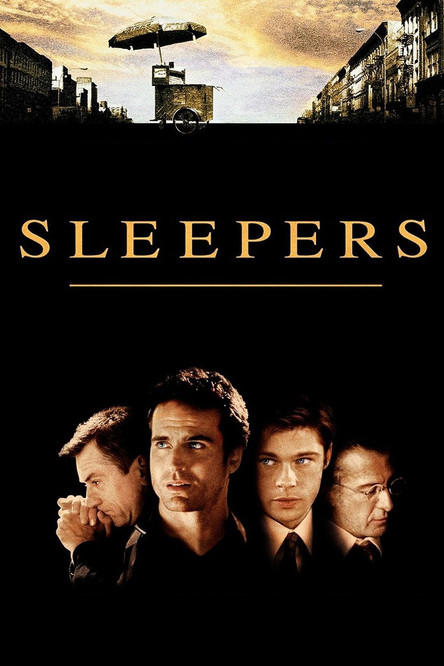
I remember the first time I saw the poster for Sleepers in the mid-90s. It was one of those "event" movies where the cast list alone felt like a clerical error—how did Barry Levinson get Robert De Niro, Dustin Hoffman, Brad Pitt, and Kevin Bacon in the same frame? It felt like the cinematic equivalent of an All-Star game. But then you sit down to watch it, and the "blockbuster" shine quickly gives way to something much more abrasive and haunting. I re-watched it last Tuesday while trying to ignore a persistent itch on my left ankle that I'm 90% sure was a spider bite, and honestly, that localized irritation weirdly mirrored the skin-crawling discomfort this film still manages to provoke nearly thirty years later.
The Lie That Built a Legacy
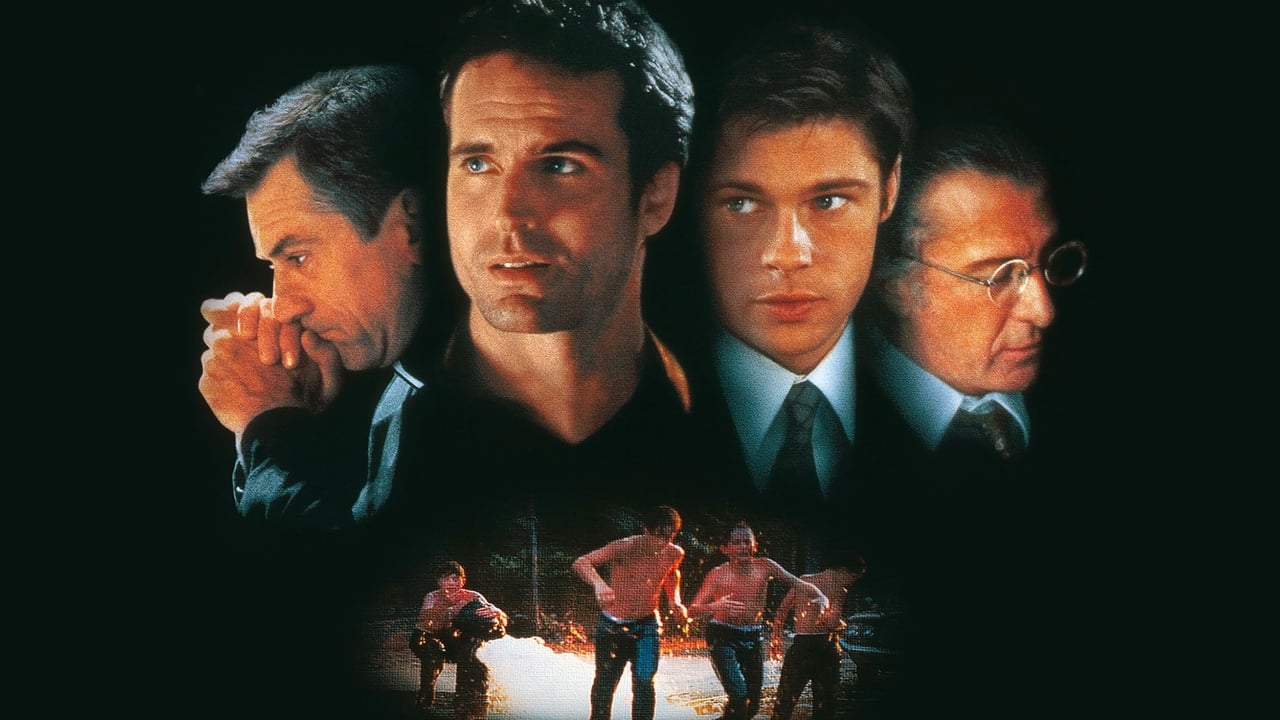
The most fascinating thing about Sleepers isn't actually on the screen; it’s the shadow of the "true story" claim that Lorenzo Carcaterra (played as an adult by Jason Patric) hung around the neck of his source novel. In 1996, the New York legal establishment went into a full-blown frenzy trying to find any record of the case, the prison, or the boys. They found nothing. The fact that this movie is almost certainly a total work of fiction makes the emotional manipulation feel even more audacious. Levinson directs it with the same misty-eyed, golden-hued nostalgia he brought to The Natural or Diner, which creates a jarring, effective contrast. You’re looking at these beautiful shots of 1960s Hell’s Kitchen—kids stealing hot dogs, jumping into the East River—and then the floor drops out.
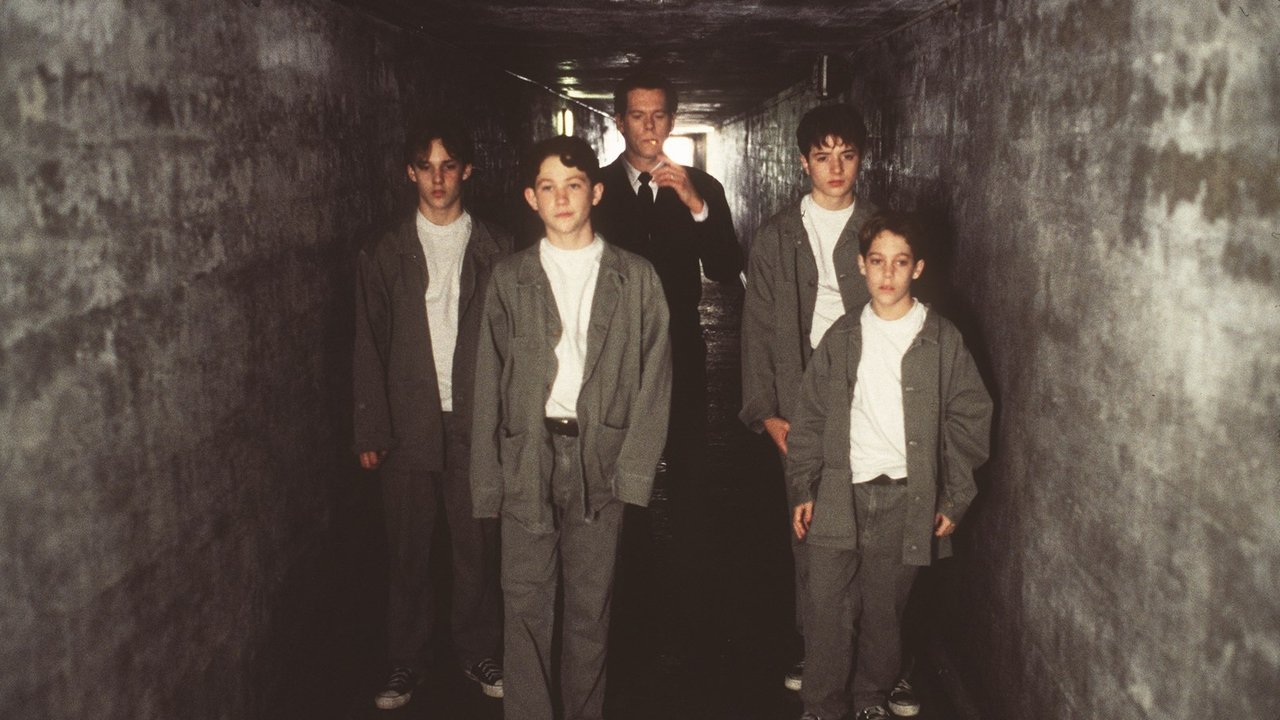
The inciting incident involves a prank with a hot dog cart that goes tragically wrong, landing four friends in the Wilkinson Home for Boys. It’s here that the film shifts from a "boys-will-be-boys" adventure into a grim, claustrophobic nightmare. This was the era of the "prestige trauma" film, and Sleepers leans into it with a heaviness that most modern studios wouldn't touch with a ten-foot pole today.
A Masterclass in Villainy and Vows
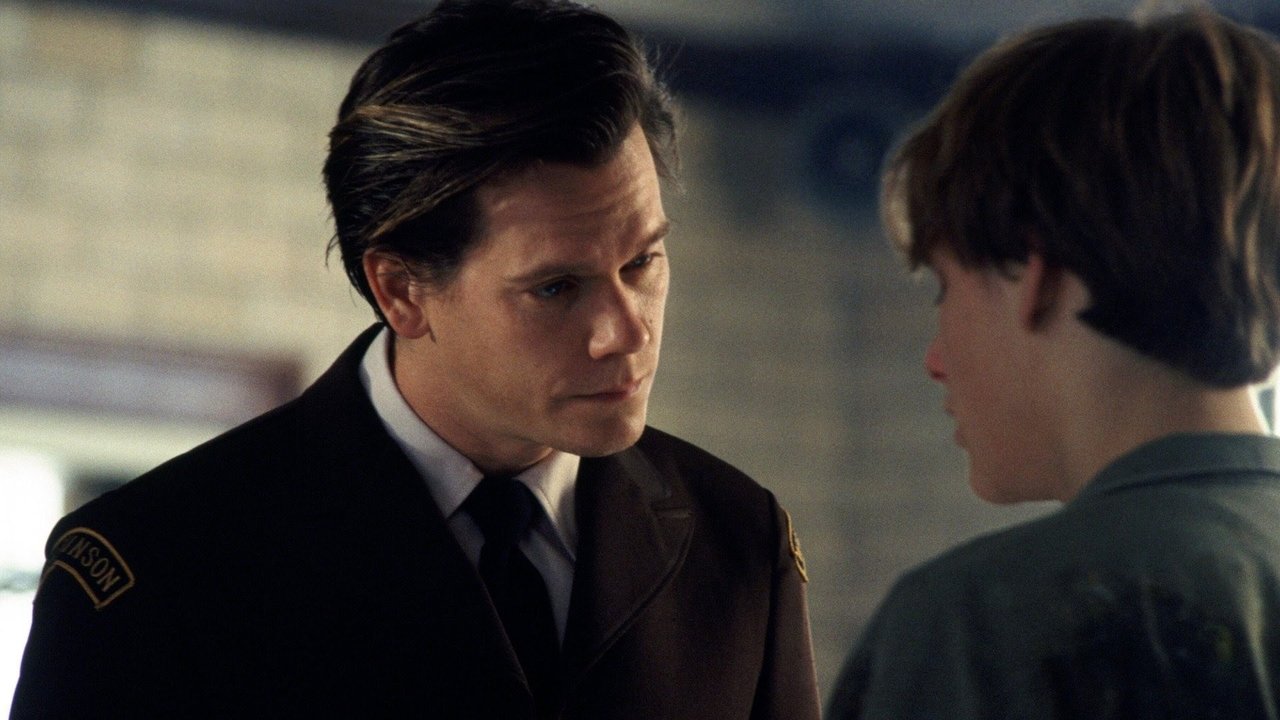
While the marketing focused on the "Big Four" adult stars, the first hour belongs to the younger cast, specifically the late Brad Renfro. He had an intensity that felt raw and unpolished, making the transition to the adult versions of the characters feel almost disappointing. However, the film finds its pulse again through Kevin Bacon. As Sean Nokes, the sadistic guard, Bacon is terrifying because he doesn't play a monster—he plays a man who knows he has absolute power and zero accountability. It is, in my opinion, the performance of his career. He makes your skin itch with just a smirk and a jingle of keys.
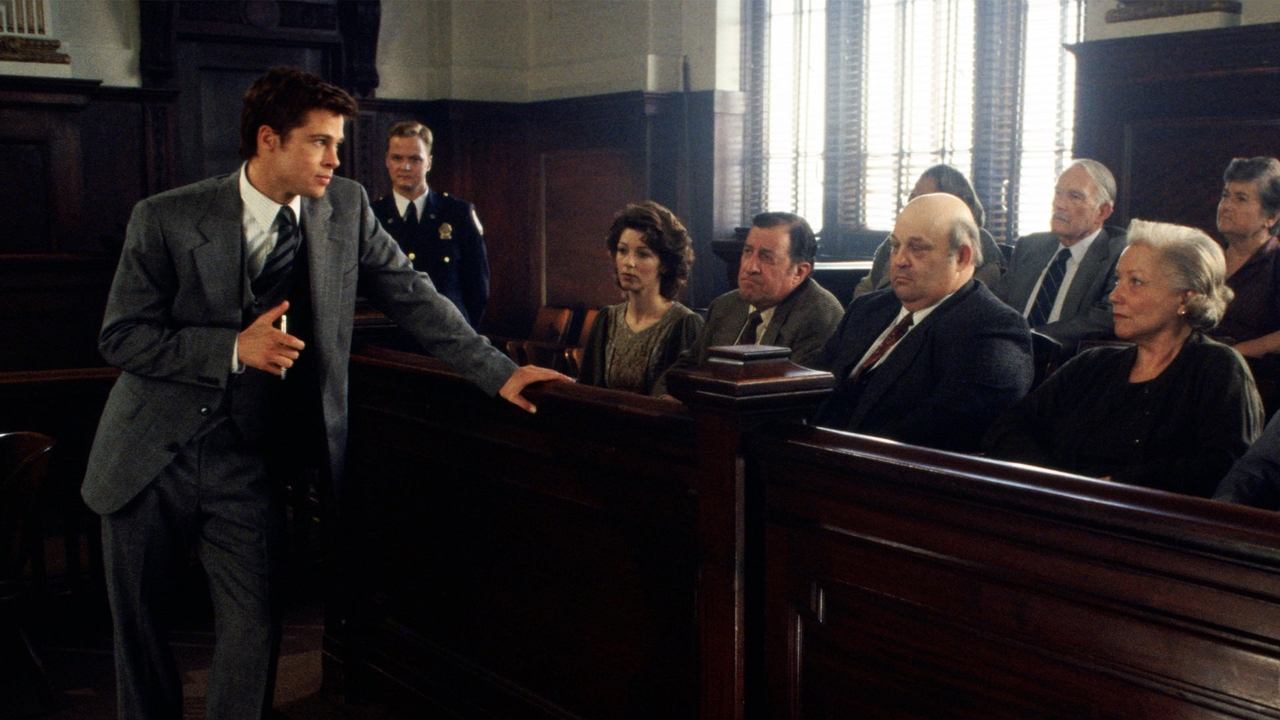
Then there’s the adult revenge plot. Brad Pitt (fresh off the success of Seven) plays Michael Sullivan, a prosecutor who is essentially sabotaging his own case to ensure his friends get their revenge. Robert De Niro plays Father Bobby, the neighborhood priest with a "tough-guy" past. The scene where De Niro has to decide whether to commit perjury for the "greater good" is a standout. It’s the kind of moral gray area that defined 90s dramas. We weren't looking for clean heroes; we wanted to see how far "good" people would go when the system failed them.
The Scale of a 90s Powerhouse
Looking back, the sheer scale of this production is a reminder of a lost era of filmmaking. This wasn't a franchise starter or a superhero origin; it was a $44 million R-rated drama about child abuse and judicial corruption. Adjusted for inflation, that’s about $85 million today. The film was a massive commercial success, raking in over $165 million worldwide. It dominated the "watercooler talk" of 1996 because it asked a question that everyone had an opinion on: Is a lie told for justice still a sin?
The production value is evident in every frame. John Williams (known for Star Wars and Jurassic Park) provides a score that is uncharacteristically somber and heavy. It doesn't try to make the revenge feel "cool"—it makes it feel like a funeral. The cinematography by Michael Ballhaus (Goodfellas) uses light like a weapon, shifting from the warm, saturated yellows of childhood to the cold, sterile blues of the courtroom. The courtroom logic in the final act makes Judge Judy look like a Supreme Court deliberation, but Levinson’s direction is so confident that you find yourself rooting for the subversion of the law anyway.
Sleepers is a difficult watch, and it’s arguably twenty minutes too long, but it remains a towering example of the 90s prestige thriller. It captures that specific cultural transition where Hollywood was moving away from the "greed is good" gloss of the 80s into a more cynical, retrospective look at American institutions. While the "true story" controversy might tarnish its integrity for some, the performances—especially from Bacon and Dustin Hoffman as a washed-up, stuttering defense attorney—are too good to ignore. It’s a film about the long, dark shadows of childhood, and it still knows exactly how to make you feel the weight of those shadows long after the credits roll.

Keep Exploring...
-
Cape Fear
1991
-
A Perfect World
1993
-
A Time to Kill
1996
-
Primal Fear
1996
-
Donnie Brasco
1997
-
The Talented Mr. Ripley
1999
-

Traffic
2000
-
Disclosure
1994
-

Jackie Brown
1997
-
Mystic River
2003
-

Inside Man
2006
-
The Town
2010
-
The Silence of the Lambs
1991
-
Bound by Honor
1993
-
Carlito's Way
1993
-

Falling Down
1993
-
Natural Born Killers
1994
-
Se7en
1995
-
Strange Days
1995
-
The Usual Suspects
1995