Space Jam
"Shoes, tunes, and an intergalactic slam dunk."
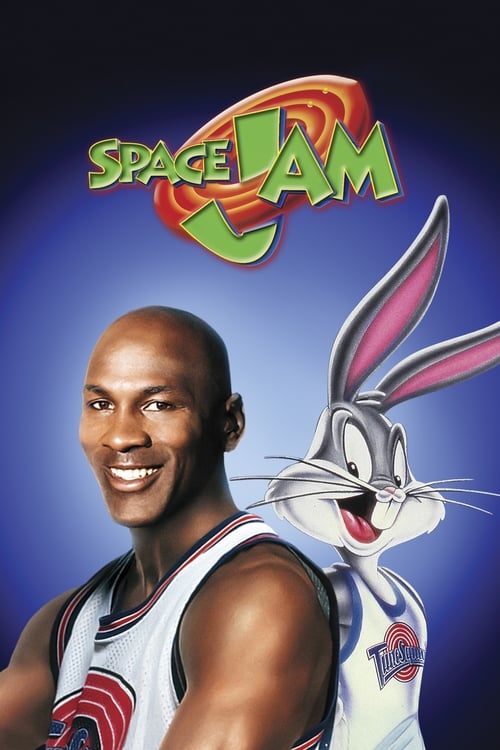
Imagine a board meeting in 1994 where a group of executives decided that a Nike commercial was substantial enough to anchor an $80 million feature film. It sounds like the kind of pitch that gets you escorted out of the building, yet Space Jam exists as a gleaming, neon-soaked monument to the mid-90s. It’s a movie that shouldn’t work—a cynical exercise in cross-promotion featuring a protagonist who isn't even an actor—and yet, looking back from our era of multi-billion dollar franchises, there’s something oddly sincere about its shamelessness.
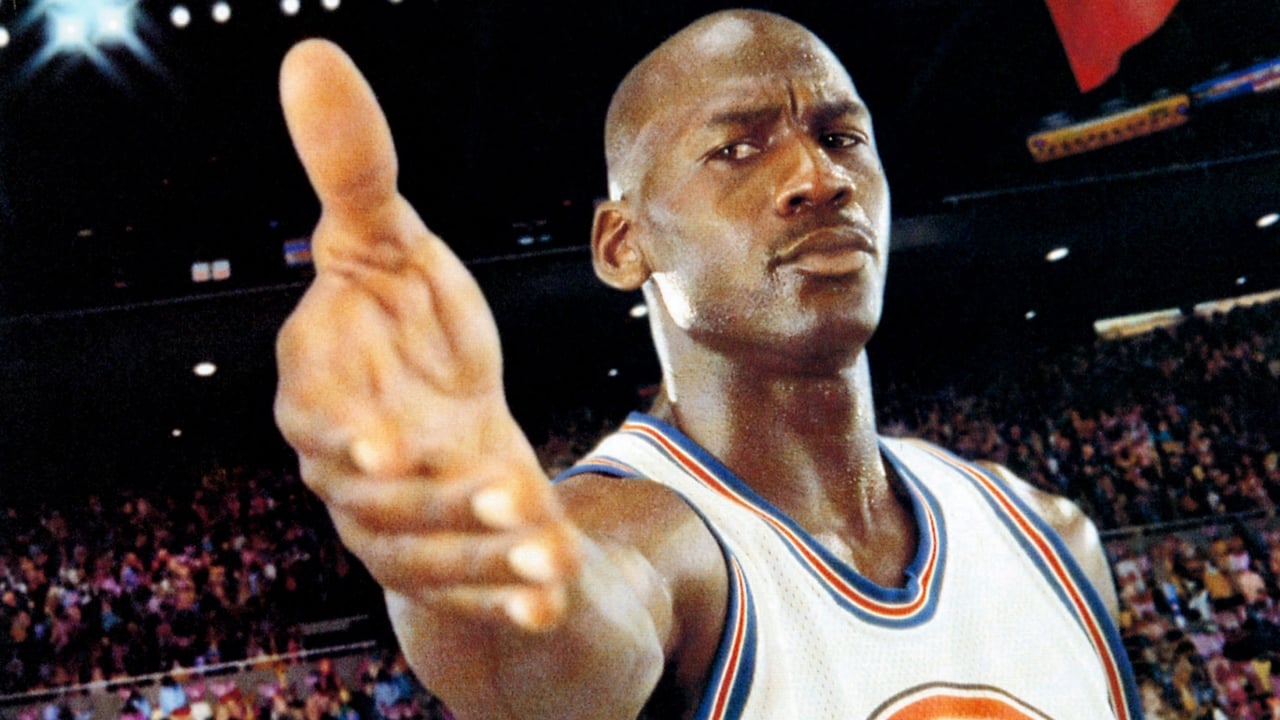
I recently rewatched this while eating a bowl of cereal that had definitely gone stale, and honestly, the crunch of the expired cornflakes really heightened the "retro-futurism" of the whole experience.
A Product Placement with a Pulse
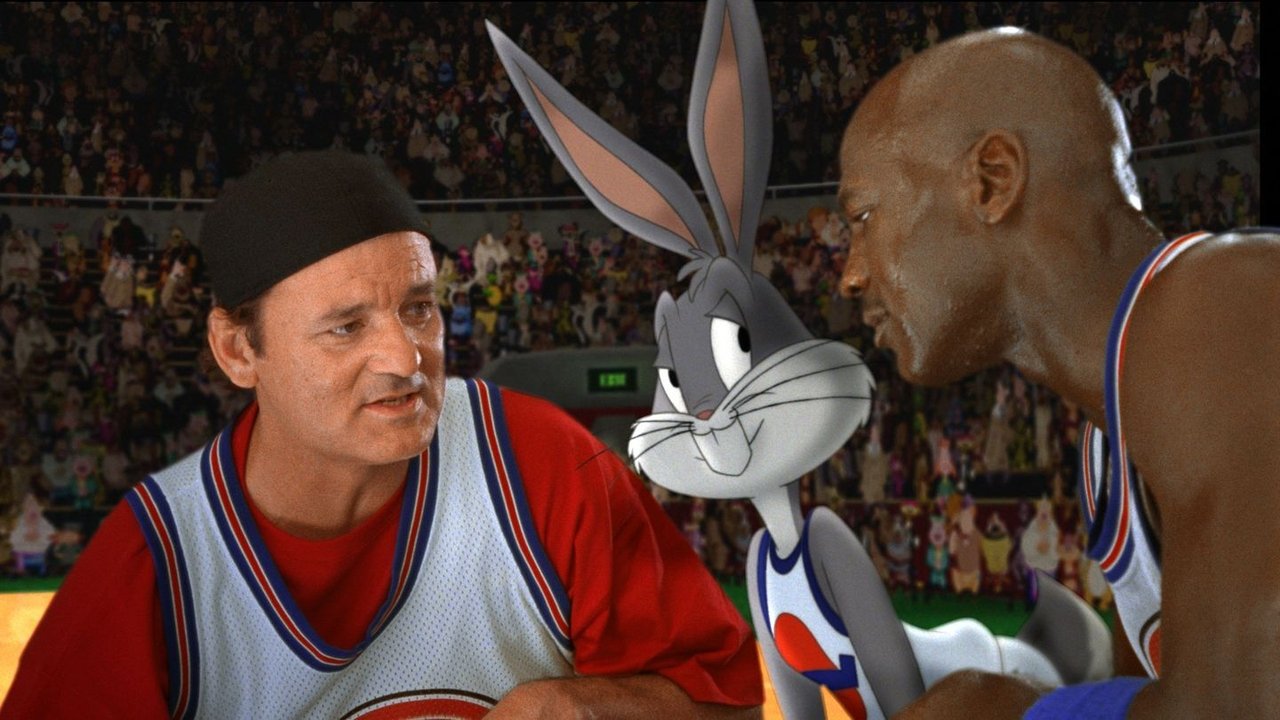
The DNA of Space Jam traces back to the "Hare Jordan" Super Bowl ads directed by Joe Pytka, who also took the helm here. Pytka understood something that many directors of that era missed: if you’re going to combine live-action with 2D animation, you have to lean into the chaos. While Who Framed Roger Rabbit (directed by Robert Zemeckis) is the undisputed gold standard for this hybrid genre, Space Jam takes a different approach. It doesn’t try to be a noir masterpiece; it tries to be a high-energy music video that occasionally stops for a basketball game.
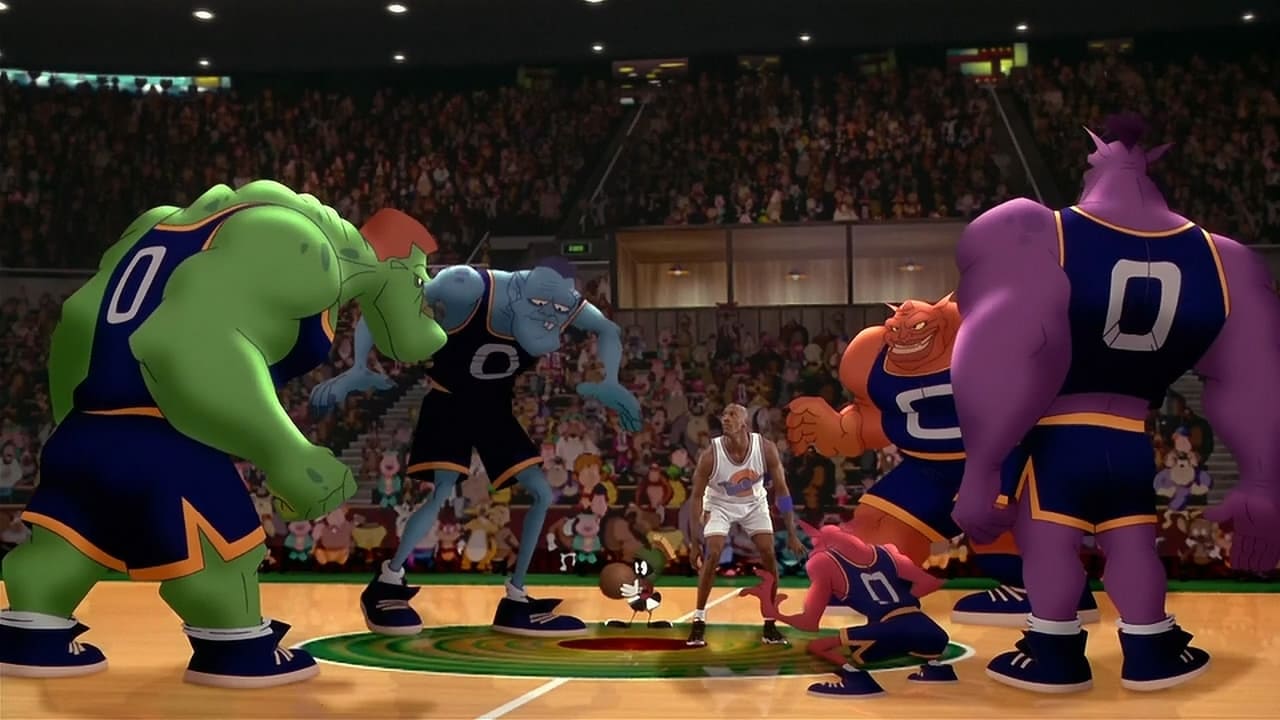
The premise is pure Saturday morning cartoon logic. Moron Mountain, an intergalactic theme park failing to attract customers, sends a group of tiny aliens to kidnap the Looney Tunes. Bugs Bunny, ever the strategist, gambles their freedom on a game of hoops, assuming the pint-sized invaders are easy pickings. The aliens then steal the talents of NBA stars like Charles Barkley and Patrick Ewing, transforming into the "Monstars." This forces the Tunes to recruit Michael Jordan, who was then in the midst of his real-life sabbatical playing minor league baseball.
Acting with Air
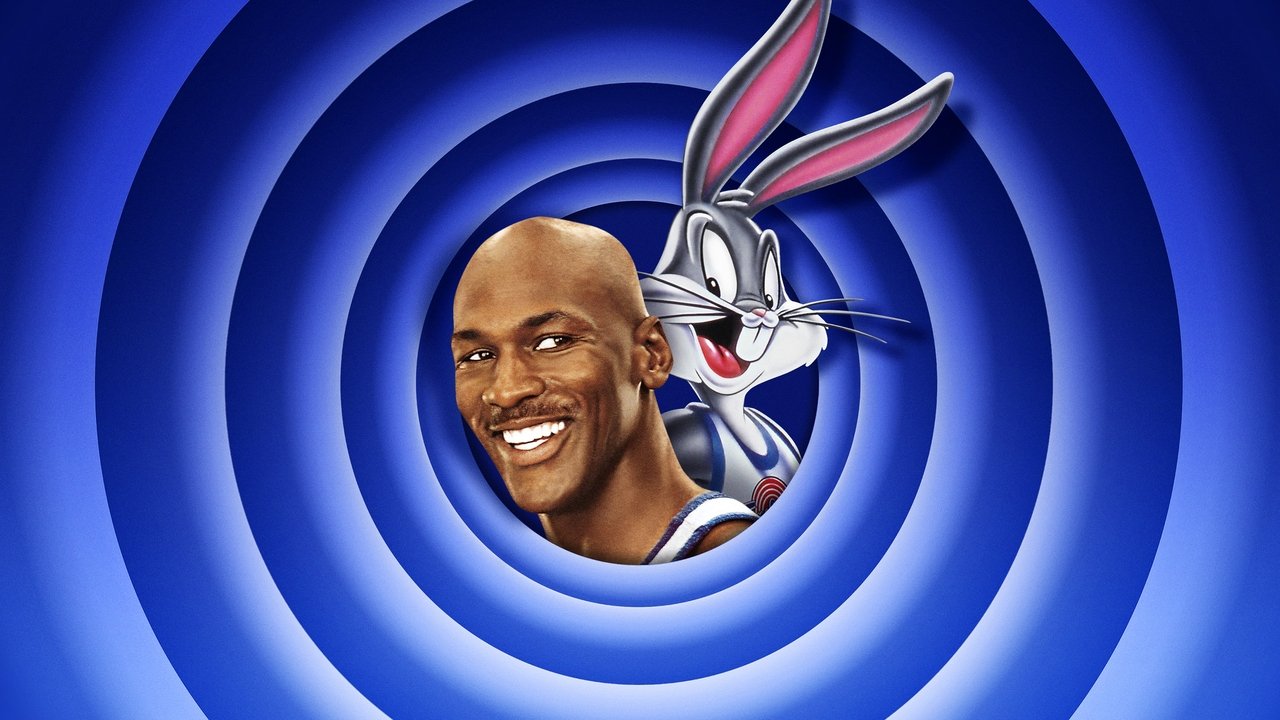
Let’s be honest: Michael Jordan is the acting equivalent of a cardboard cutout, but that’s almost beside the point. His lack of range is offset by the fact that he is Michael Jordan. In 1996, his gravity was so immense that the movie didn't need him to emote; it just needed him to stand in a green-screen room and look slightly bemused by the invisible rabbits around him.
The heavy lifting on the human side is actually done by Wayne Knight (fresh off his turn as the treacherous Nedry in Jurassic Park). As Stan Podolak, Jordan’s bumbling assistant, Knight provides the slapstick physical comedy required to bridge the gap between the human world and the Looney world. Then there’s Bill Murray, playing himself, who shows up in the final act just because he can. Murray’s dry, "I'm just here for the snacks" energy is the perfect foil to the frantic energy of the Monstars.
Watching it now, the 2D animation by the Warner Bros. team holds up remarkably well. There’s a texture to the Looney Tunes that modern 3D renders often lose. The way Bugs Bunny and Daffy Duck interact with the basketball court—shadows, weight, and squash-and-stretch—remains impressive, even if some of the early digital backgrounds feel a bit like a primitive Windows 95 screensaver.
The Ultimate 90s Time Capsule
Space Jam didn't just dominate the box office, pulling in $250 million; it dominated the culture. This was the era where a soundtrack could be as big as the movie itself. The Quad City DJ’s title track and R. Kelly’s "I Believe I Can Fly" (a song that has aged far more complicatedly than the movie) were inescapable. It was a 90-minute commercial for shoes that managed to capture the public’s imagination so thoroughly that its original website—a relic of early HTML—remained active and unchanged for over two decades as a digital shrine.
The trivia behind the scenes is just as legendary. To keep Michael Jordan happy during filming, Warner Bros. built a private regulation basketball court (the "Jordan Dome") on the studio lot. Jordan would film all day and then invite NBA players for intense pick-up games all night. This wasn't just a movie set; it was an elite training camp disguised as a film production.
Looking back, the film’s "What If?" science fiction element—aliens stealing talent through a glowing basketball—is the perfect vehicle for the era’s fascination with genetic engineering and tech anxieties. It’s "Soft Sci-Fi" in its softest form, but it serves the narrative goal: getting Michael Jordan to dunk from half-court while his arm stretches like a piece of Hubba Bubba gum.
Space Jam isn't high art, and it doesn't pretend to be. It’s a loud, colorful, and wildly successful experiment in branding that somehow kept its heart intact. While the pacing is frantic and the dialogue is often groan-worthy, the chemistry between the animated cast and the greatest athlete of a generation is undeniable. It remains the definitive "junk food" movie—fun, satisfying, and best enjoyed when you aren't overthinking the ingredients.
Keep Exploring...
-
Space Jam: A New Legacy
2021
-
Osmosis Jones
2001
-
Robots
2005
-
Despicable Me
2010
-
Jimmy Neutron: Boy Genius
2001
-

A Bug's Life
1998
-
Shrek
2001
-

Meet the Robinsons
2007
-
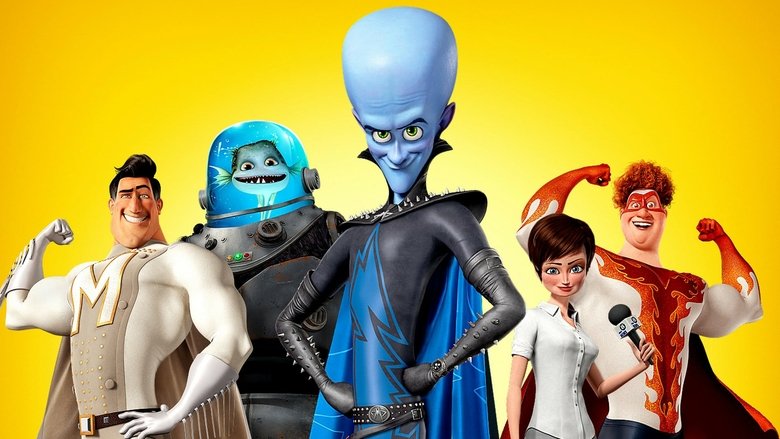
Megamind
2010
-
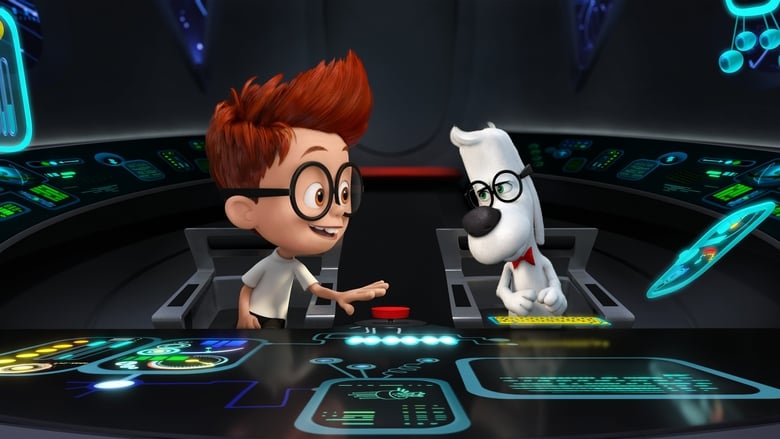
Mr. Peabody & Sherman
2014
-
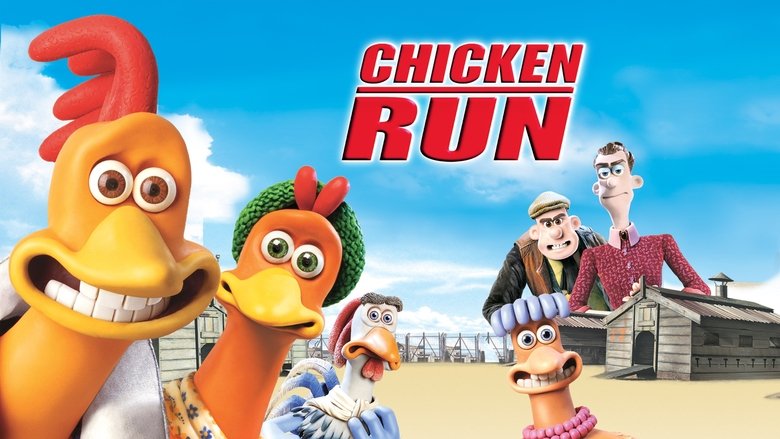
Chicken Run
2000
-
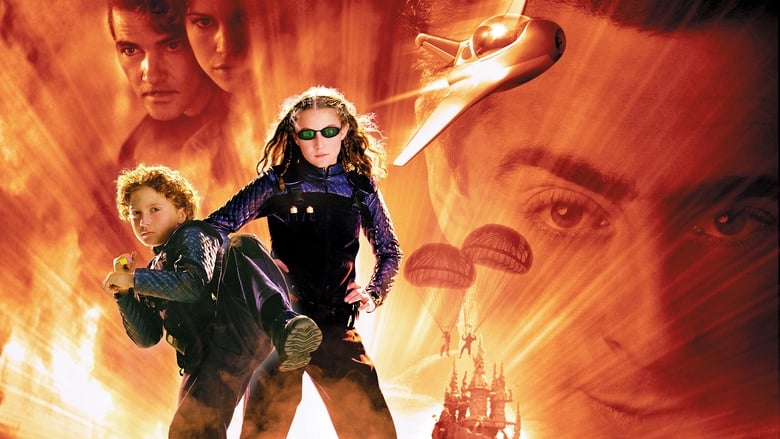
Spy Kids
2001
-

Toy Story 2
1999
-
Lilo & Stitch 2: Stitch Has a Glitch
2005
-
Planet 51
2009
-

Ice Age
2002
-

Lilo & Stitch
2002
-
Shark Tale
2004
-
Shrek 2
2004
-

Madagascar
2005