Star Trek: First Contact
"The line must be drawn here! This far, no further!"
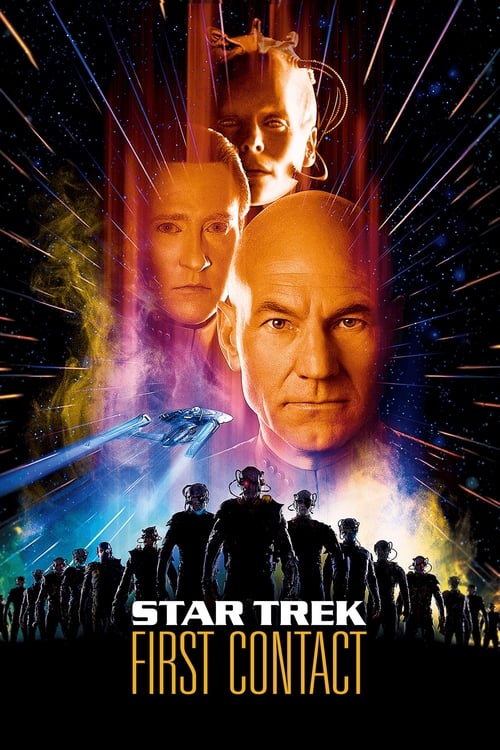
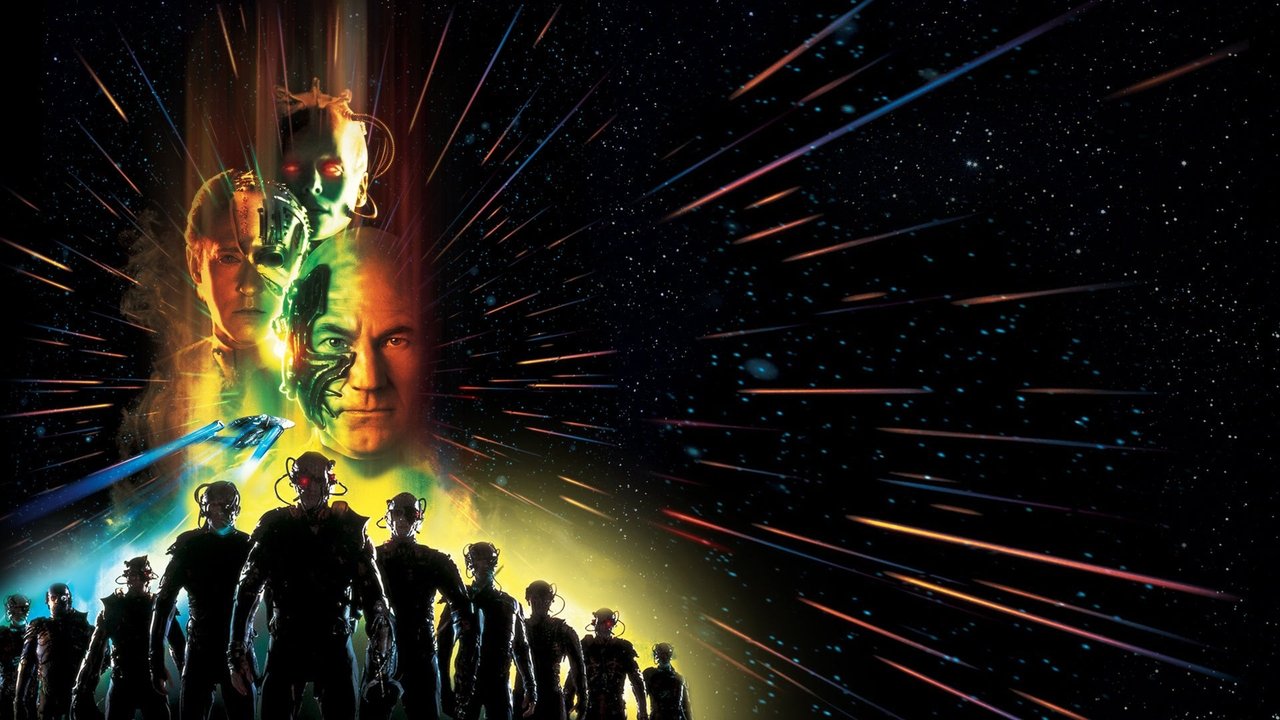
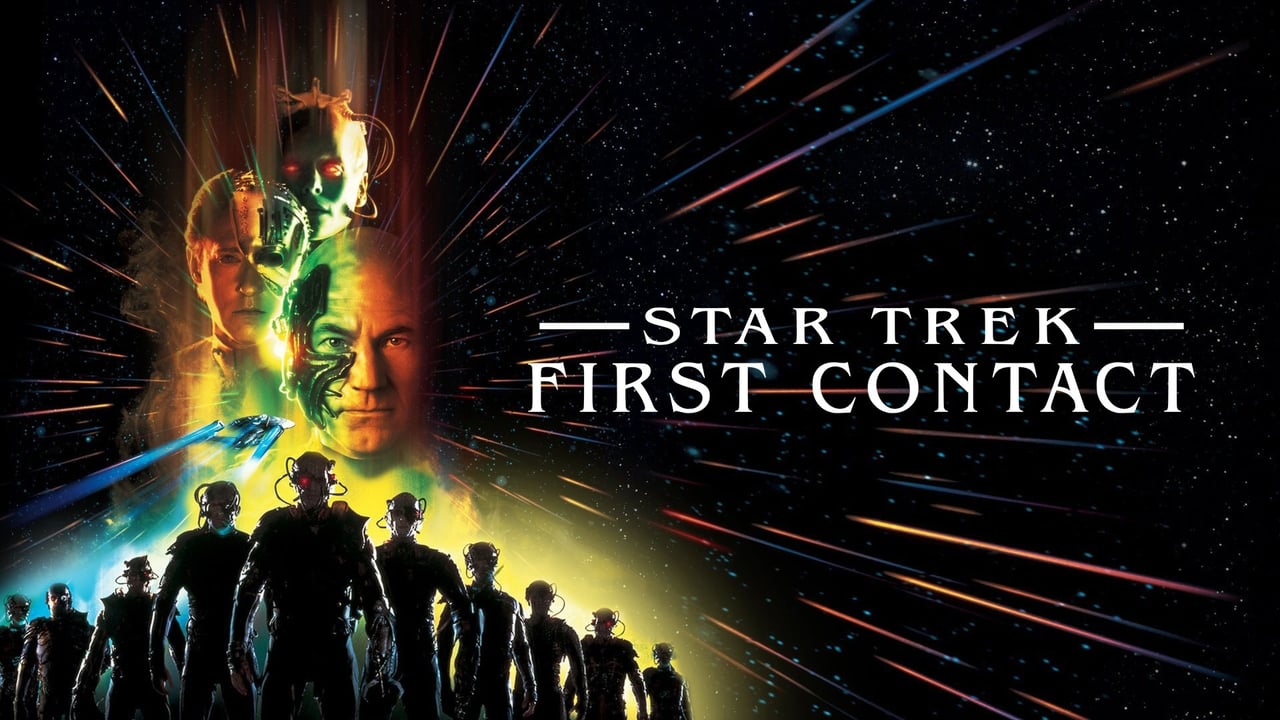
The hum of the warp core used to be the ultimate white noise for 1990s television—a comforting, beige-carpeted promise that diplomacy would win the day by the 48-minute mark. But when the Paramount logo fades into the starfield for Star Trek: First Contact, that hum is replaced by a mechanical, grinding industrial drone that feels less like a spaceship and more like a slaughterhouse. This wasn't the polite Star Trek your dad watched on a Sunday afternoon; this was a high-stakes, sweat-drenched descent into body horror that somehow became the definitive action-blockbuster of the franchise.
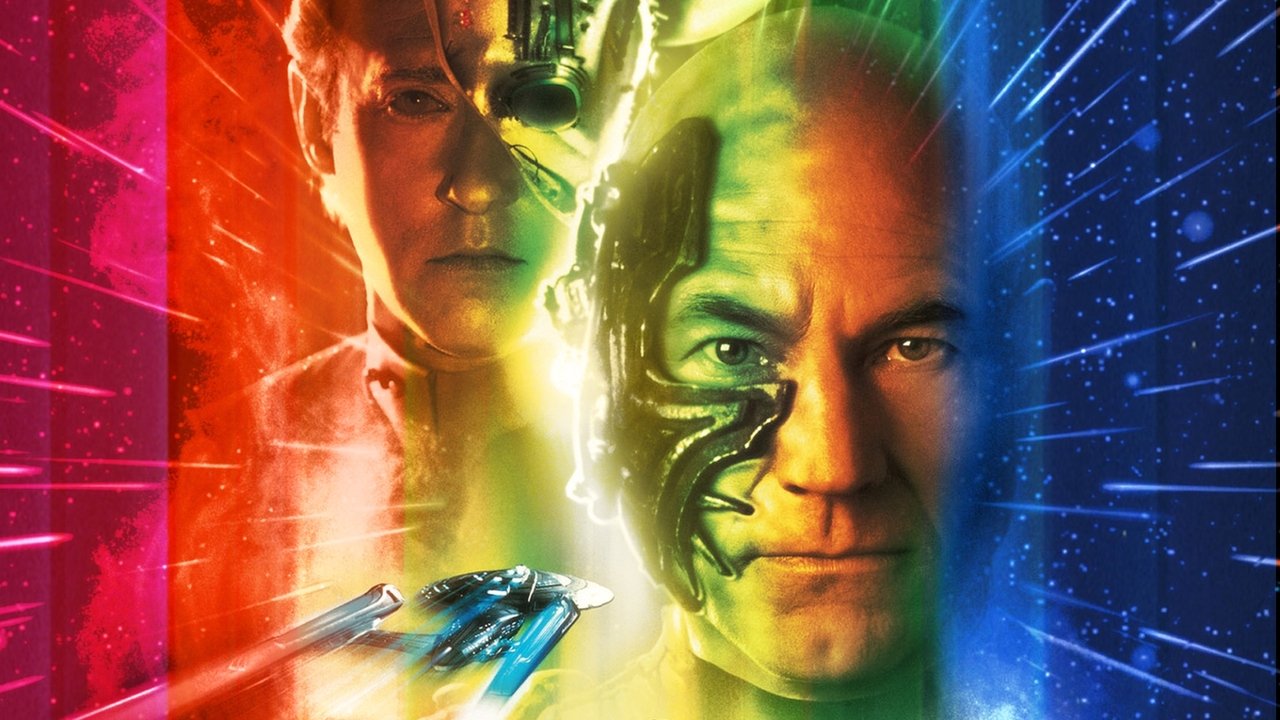
Watching this again on a grainy 4K transfer while nursing a lukewarm cup of Earl Grey that had a weird oily film on top, I was struck by how effectively Jonathan Frakes transitioned from "the guy who leans over chairs" to a genuinely confident action director. He understands that for the Borg to matter, they can't just be guys in plastic suits. They need to be a nightmare of wires, pale flesh, and relentless, silent momentum.
The Industrial Evolution of a Franchise
By 1996, the Next Generation crew was at the height of its cultural powers, but their first big-screen outing, Generations, felt like a bloated TV episode with a guest star who didn't want to be there. First Contact fixed the formula by leaning into the era’s burgeoning love for gritty, high-concept spectacle. This was the mid-90s, where the CGI revolution was starting to flex its muscles, but practical effects still held the line. The Borg makeup here is legendary—a gruesome mix of tubing and translucent skin that makes the TV version look like a middle-school theater project.
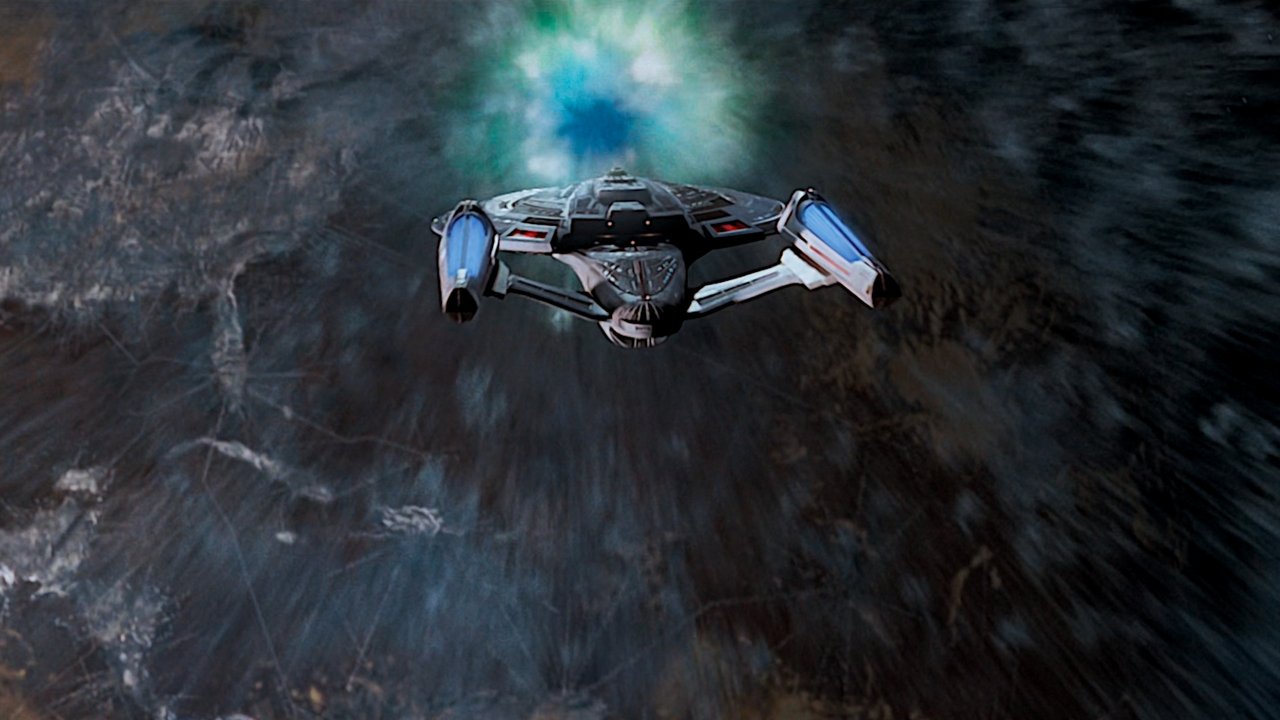
There’s a specific weight to the Enterprise-E. It’s sleeker, darker, and more aggressive than its predecessor. I’ve always felt that the Enterprise-E is basically a giant, lethal piece of silverware designed specifically to stab the Borg in the eye. The production design shifted the color palette from "Sherwin-Williams Neutral" to "Oil-Slicked Midnight," and the movie is better for it. When the Borg start drilling into the ship’s bulkheads, it feels like an invasive surgery on the franchise itself.
Ahab in a Starfleet Tunic
The real engine of the film isn't the warp drive; it’s Patrick Stewart. We spent seven seasons watching Captain Jean-Luc Picard be the most measured, ethical man in the quadrant. Here, Stewart gets to play a man suffering from profound, unhealed PTSD. The scene in the ready room where he smashes his glass display cases while shouting about "the line" being drawn is perhaps the most human moment in the entire series. He isn't a hero in that moment; he’s a victim seeking vengeance.
Alfre Woodard is the perfect foil here as Lily Sloane. She’s the audience surrogate, looking at these futuristic icons and essentially telling them they’re crazy. Her chemistry with Stewart is electric because she’s the only one who isn't afraid to call him out on his "Captain Ahab" nonsense. Meanwhile, Brent Spiner as Data gets to explore a darker side of his quest for humanity. The Borg Queen—played with a chilling, predatory sensuality by Alice Krige—doesn't just offer him skin; she offers him a different kind of "connection" that feels genuinely dangerous and a little bit pervy for a PG-13 film.
The Physicality of the Collective
Action in the 90s was undergoing a transformation, and First Contact hits that sweet spot between tactical tension and explosive payoff. The deflector dish sequence remains a masterclass in staging. It’s slow, silent, and incredibly tense, utilizing the "up is down" vertigo of space long before Gravity made it a cliché. When Michael Dorn as Worf lets out a defiant roar while floating in zero-G, it’s the kind of moment that makes a theater erupt.
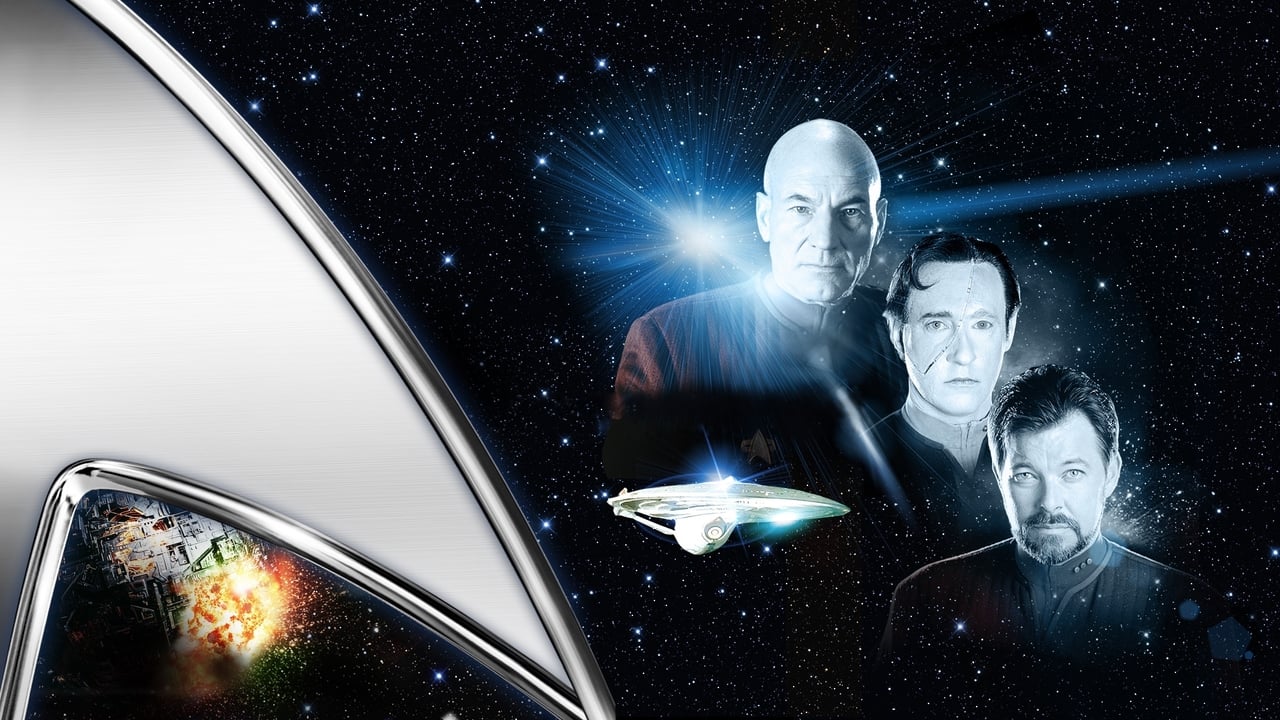
The film was a massive commercial success, raking in over $146 million against a $46 million budget, proving that Star Trek could compete with the Independence Days of the world. It’s a blockbuster that respects its history but isn't afraid to get its hands dirty. The score by Jerry Goldsmith (who also scored 1979’s The Motion Picture) is a towering achievement, blending a noble, sweeping main theme with discordant, electronic stings for the Borg that sound like a computer having a nervous breakdown.
Even the B-plot, featuring James Cromwell as a drunken, cynical Zefram Cochrane, works because it subverts the "Great Man" myth. He’s not a visionary; he’s a guy who wants to get rich and retire to an island with naked women. Seeing the "perfect" Federation crew deal with the messy, grime-covered reality of 21st-century Earth provides some much-needed levity against the claustrophobic horror happening up in orbit.
In retrospect, this was the moment the Next Generation era peaked. It successfully navigated the transition from the philosophical ruminations of 80s TV to the high-octane demands of 90s cinema without losing its soul. It’s dark, it’s violent, and it features a version of Picard that is genuinely frightening, yet it still manages to end on a note of profound hope for the future of humanity. If you only ever watch one Star Trek movie, this is the one that proves resistance to the franchise is, indeed, futile.
The film remains a testament to what happens when a studio trusts a director who actually loves the source material. It captures that specific 1996 energy—big, bold, and just a little bit cynical—while remaining one of the most rewatchable entries in the entire sci-fi canon. Whether you’re a die-hard Trekker or just someone looking for a rock-solid thriller, this ship still holds its course perfectly. It’s the rare blockbuster that earns its spectacle through character, rather than at the expense of it.
Keep Exploring...
-
Star Trek: Generations
1994
-
Star Trek: Insurrection
1998
-
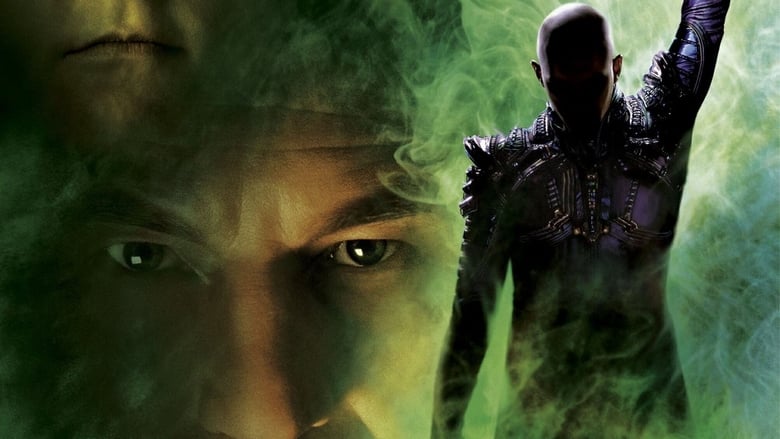
Star Trek: Nemesis
2002
-

Star Trek VI: The Undiscovered Country
1991
-

The Matrix Reloaded
2003
-
The Hunger Games
2012
-

Starship Troopers
1997
-
Armageddon
1998
-
Serenity
2005
-
Terminator 2: Judgment Day
1991
-
Mission: Impossible
1996
-
The Rock
1996
-
The Maze Runner
2014
-
Minority Report
2002
-
Mission: Impossible - Ghost Protocol
2011
-
Rise of the Planet of the Apes
2011
-
Dawn of the Planet of the Apes
2014
-
Universal Soldier
1992
-
Batman Beyond: Return of the Joker
2000
-
Casino Royale
2006