That Thing You Do!
"Catch lightning in a bottle, then watch it break."
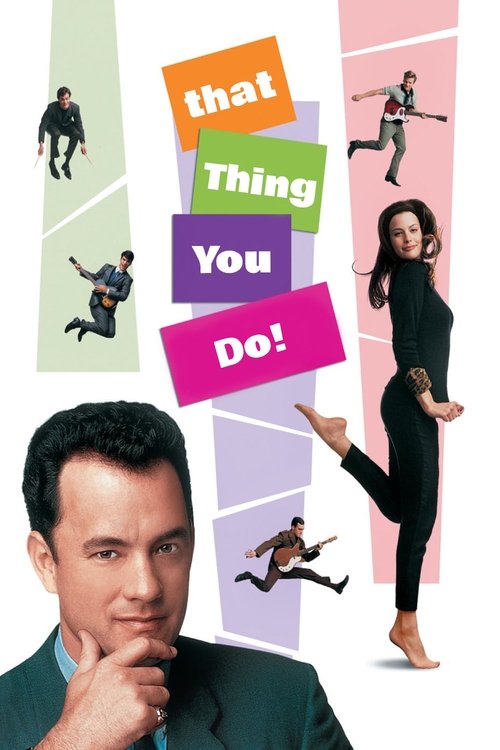
The most dangerous thing a movie about a band can do is feature a song that actually sticks in your head. Usually, cinematic "hits" are forgettable filler that the script tells us is a masterpiece while our ears tell us it’s elevator music. But when that snappy drum fill kicks off the title track in That Thing You Do!, you aren't just watching a movie; you’re being recruited into a fandom. I’m convinced the song is a form of auditory hypnosis. I once watched this on a flight while sitting next to a woman who was knitting a very neon-orange scarf, and the rhythmic clicking of her needles synced perfectly with Tom Everett Scott’s drumming—I’ve never felt more in the pocket.
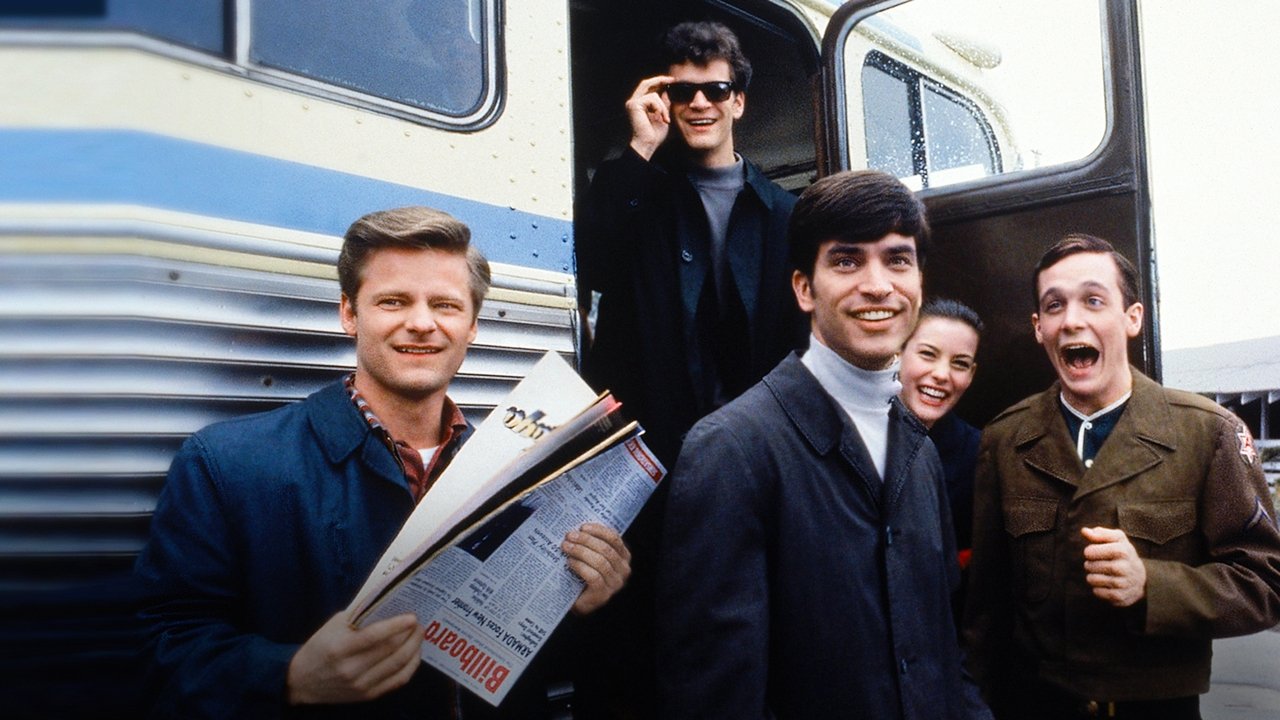
Released in 1996, this was Tom Hanks’ directorial debut, and looking back, it’s a fascinating time capsule of the mid-90s’ obsession with the mid-60s. We were in that sweet spot of the "Sundance Generation" where indie sensibilities were bleeding into studio films, and Hanks used his massive post-Forrest Gump leverage to make a movie that is essentially a high-budget hug. It’s a drama that wears the bright, colorful mask of a comedy, capturing the exact moment when the "analog" world of radio and vinyl began to collide with the ruthless, corporate machinery of the modern pop industry.
The Shades, The Ego, and The Heart
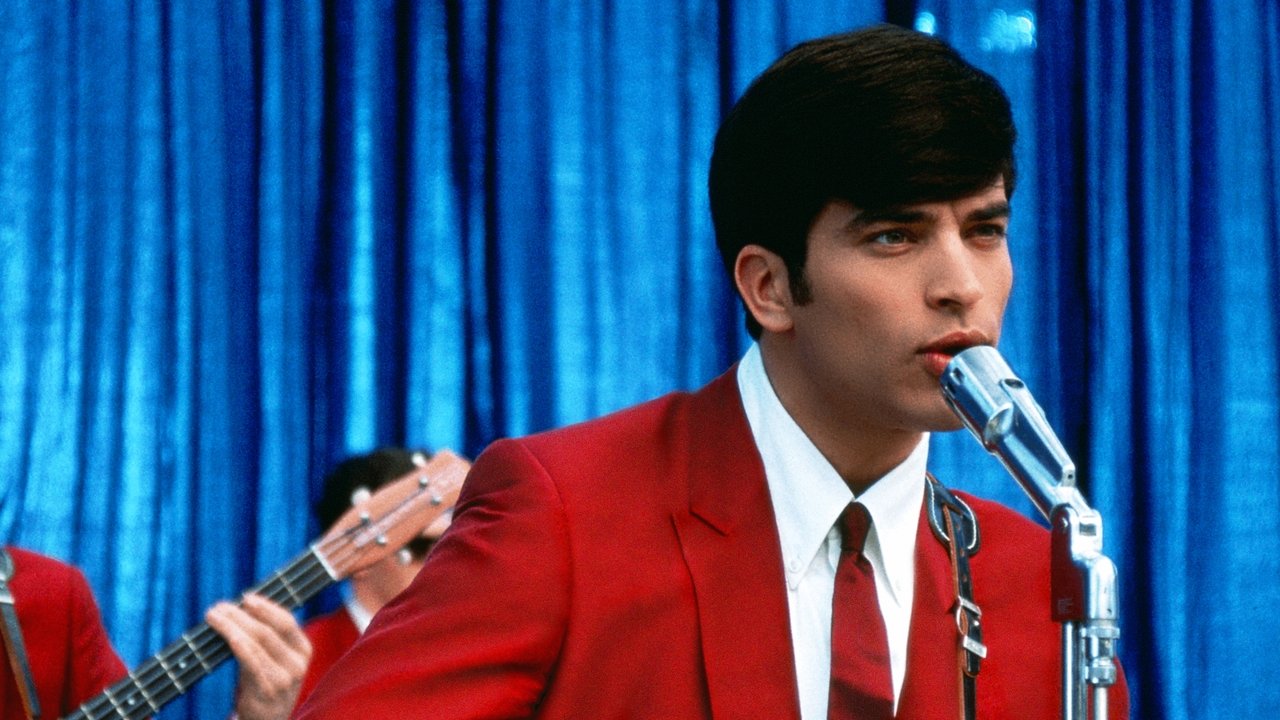
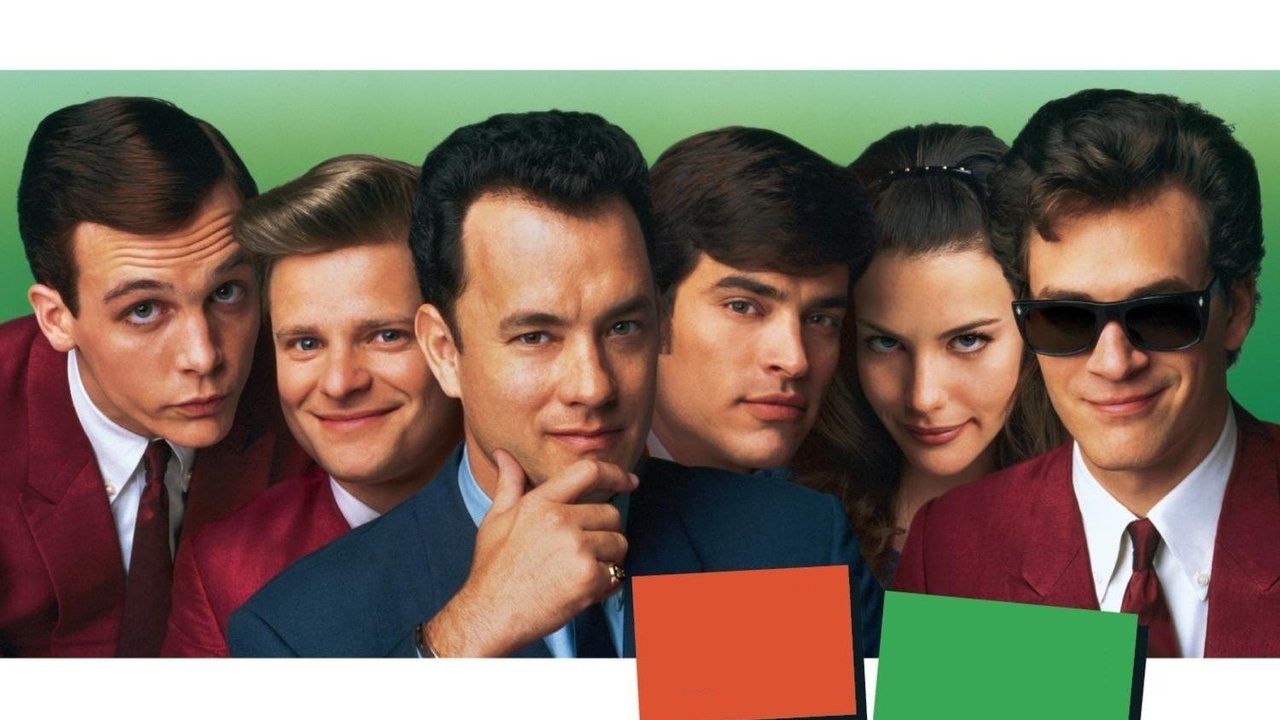
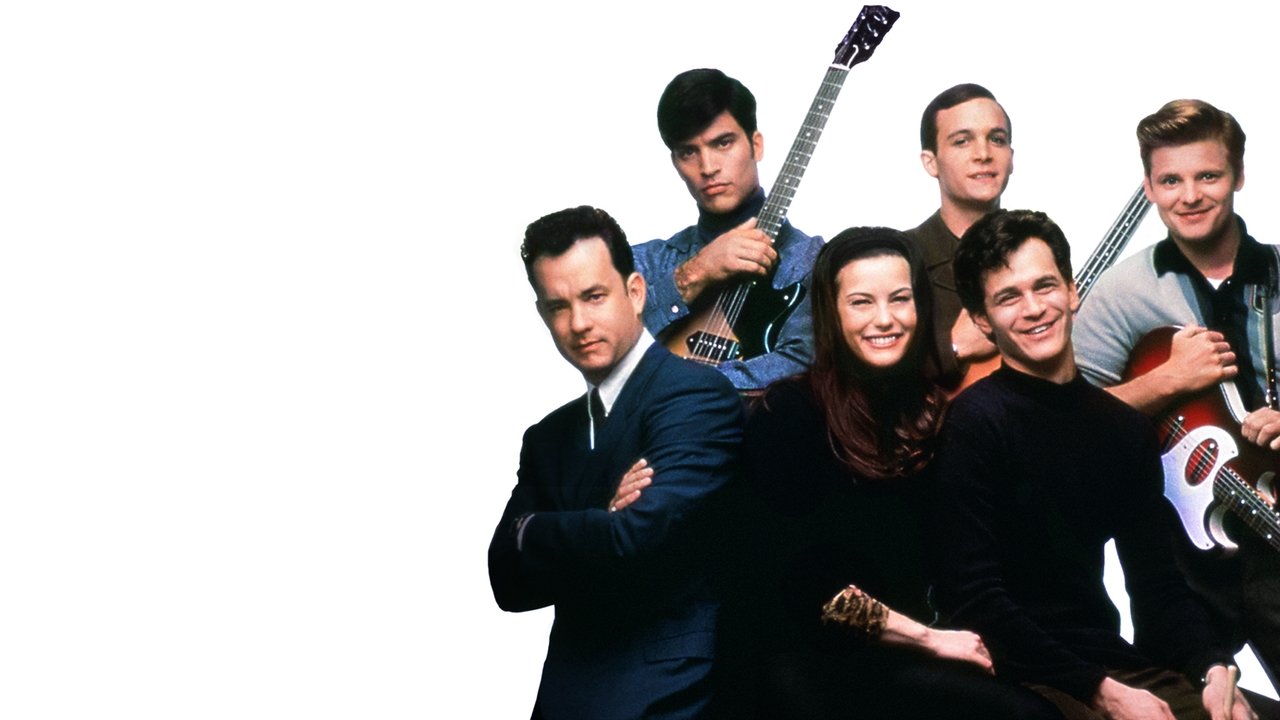
The film follows The Wonders (initially the "Oneders," a joke that remains the most relatable thing about being in a garage band) as they explode out of Erie, Pennsylvania. Tom Everett Scott plays Guy Patterson, the jazz-loving drummer who inadvertently turns a somber ballad into a rock-and-roll sprint. Scott has this infectious, "I can’t believe I’m here" energy that anchors the film, but the real dramatic weight rests on the shoulders of Johnathon Schaech as Jimmy, the lead singer.
Jimmy is the classic "Artist" with a capital A—brooding, perfectionist, and ultimately a bit of a pill. His friction with the band’s upward trajectory provides the necessary grit. While everyone else is enjoying the ride, Jimmy is pouting like a toddler who lost his favorite crayon because he has to play the hit people actually like. It’s a brilliant performance because it captures that specific brand of youthful arrogance that thinks success is a burden.
Then there’s Faye, played by Liv Tyler. In any other movie from this era, she’d just be "the girlfriend." Here, she’s the emotional barometer. Tyler brings a luminous, quiet dignity to a role that could have been invisible. When she finally realizes that Jimmy’s ego has no room for her, it’s the most heartbreaking moment in the film. It reminds me of the "DVD culture" era where we’d pore over deleted scenes; if you ever find the extended cut, Faye’s story gets even more room to breathe, showing a depth that the theatrical cut occasionally breezes past.
A World Built on Play-Tone
Visually, Tom Hanks and cinematographer Tak Fujimoto (the man who shot The Silence of the Lambs) treat 1964 with a reverent but crisp clarity. It doesn't look like a dusty archive; it looks like the world felt to the people living in it—vivid, fast, and brimming with possibility. The transition from the grey, rainy streets of Erie to the sun-drenched, neon-lit billboards of Los Angeles feels like a shift from black-and-white to Technicolor, even though it’s all in color.
The supporting cast is a 90s "Who’s Who" of character actors. Steve Zahn is a comedic supernova as Lenny, the lead guitarist who is basically there for the free snacks and the girls. Ethan Embry (credited simply as T.B. Player) is the wide-eyed innocence of the group, and Tom Hanks himself shows up as Mr. White, the Play-Tone manager who is about as sentimental as a spreadsheet. White isn't a villain, though. He’s just a professional. Looking back at this role now, it feels like a precursor to the "Dad of Cinema" roles Hanks would inhabit for the next two decades—authoritative, slightly weary, but ultimately fair.
The Ghost of a One-Hit Wonder
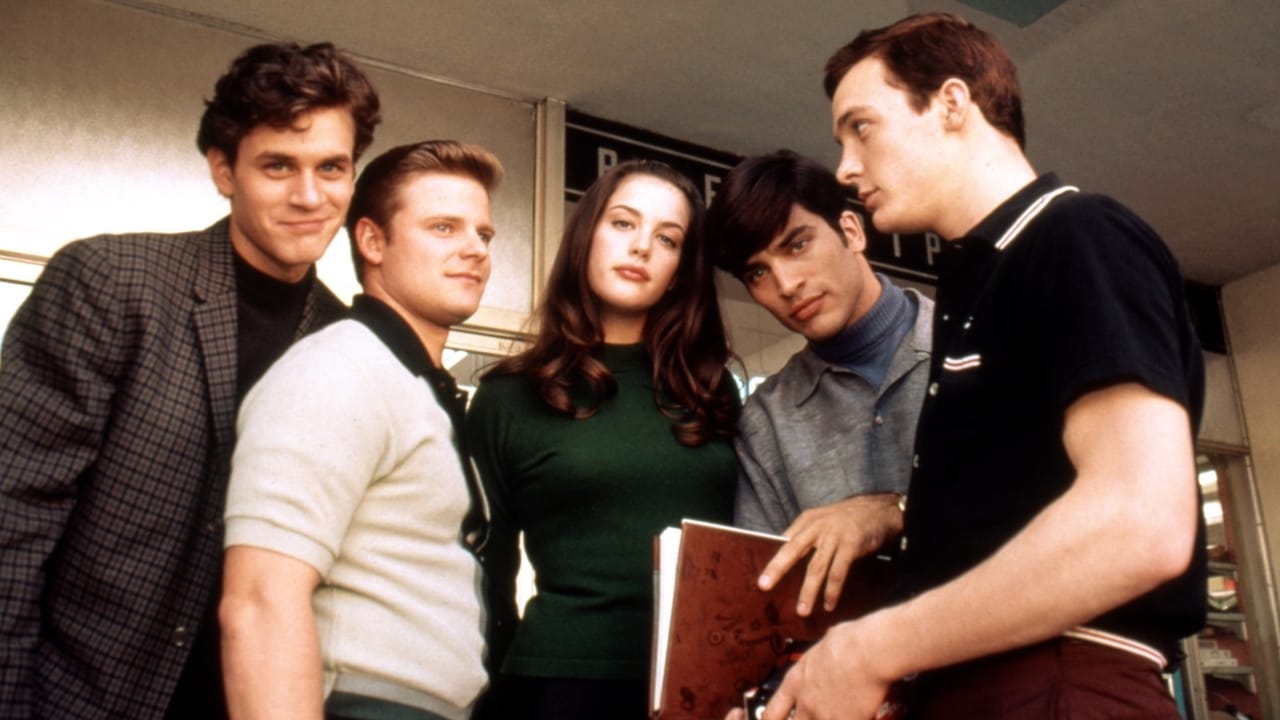
What makes That Thing You Do! a "Popcornizer" essential isn't just the nostalgia—it’s the way it handles the inevitable "Fall" of the rise-and-fall narrative. Most music dramas go dark, diving into drugs and tragedy. Hanks keeps it grounded in reality. The band doesn’t die in a plane crash; they just grow up. They realize that being a one-hit wonder isn't a failure—it’s a miracle.
The film captures that specific mid-90s optimism before the internet and social media turned celebrity into a 24/7 cage. In 1964 (and in 1996), you could have your moment in the sun, step back into the shade, and still have a decent life. It’s a gentle drama about maturity and the realization that the "big time" is often just a very loud room where nobody is listening.
It’s rare to find a movie that feels this effortless. Between the catchy-as-hell soundtrack (rest in peace to songwriter Adam Schlesinger) and the genuine chemistry of the core four, it’s a film that demands a rewatch every few years. It’s a reminder that even if you only do one great thing, the fact that you did it at all is worth celebrating. Grab a soda, turn up the volume, and try—just try—not to tap your foot when the beat drops.
Keep Exploring...
-
Larry Crowne
2011
-
Nick and Norah's Infinite Playlist
2008
-
Coyote Ugly
2000
-
High Fidelity
2000
-

The Muppet Christmas Carol
1992
-
It Could Happen to You
1994
-
EverAfter
1998
-
Blast from the Past
1999
-
Never Been Kissed
1999
-
Jersey Girl
2004
-
High School Musical 2
2007
-

High School Musical 3: Senior Year
2008
-
Hannah Montana: The Movie
2009
-
Begin Again
2014
-
Sliding Doors
1998
-
High School Musical
2006
-
Rock of Ages
2012
-
Confessions of a Dangerous Mind
2002
-
S1m0ne
2002
-
Honey
2003