The Birdcage
"Family values have never been this fabulous."

South Beach in 1996 was a neon-soaked fever dream of pastel Art Deco and humidity, and no film captures that specific, vibrating energy better than The Birdcage. While I was rewatching this recently—distracted by the fact that I had accidentally color-coded my laundry pile to match the vibrant shirts of the cast—I realized how much of a miracle this movie actually is. It’s a remake of the French classic La Cage aux Folles, but under the direction of Mike Nichols and the pen of the legendary Elaine May, it became something quintessentially American and surprisingly timeless.
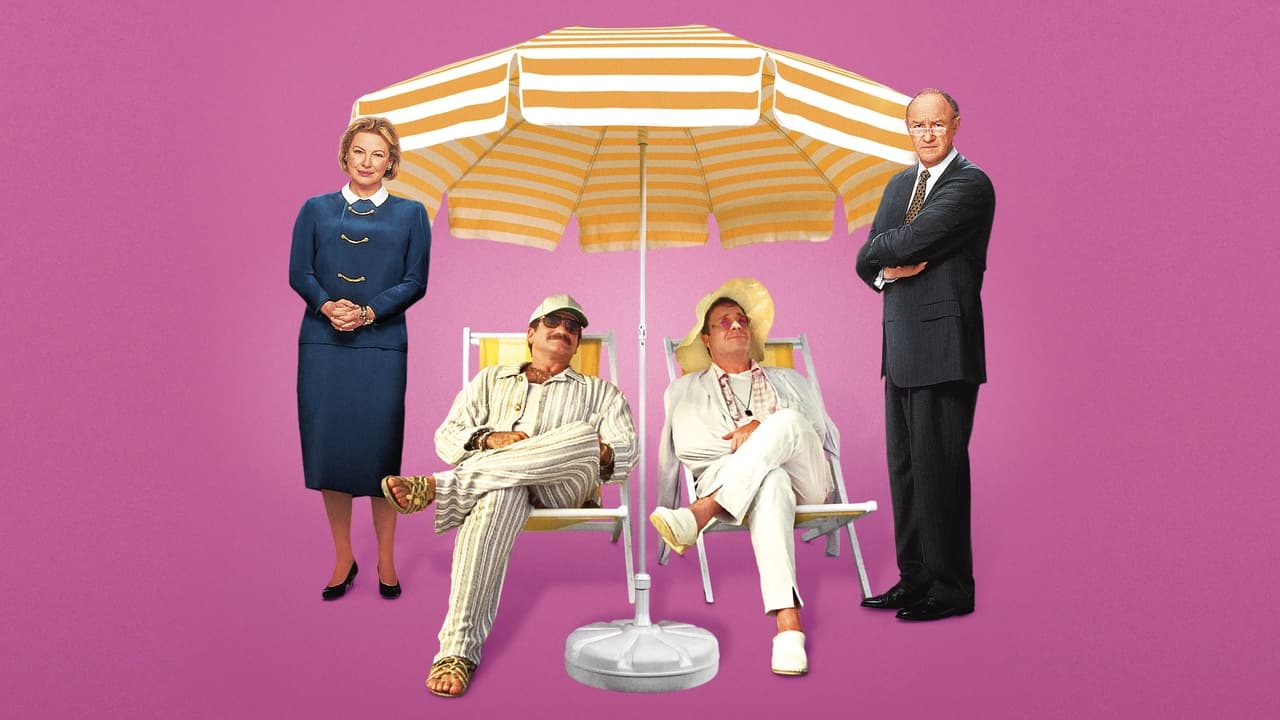
In an era where the "Modern Cinema" transition was often defined by the cold precision of early CGI or the gritty realism of the indie explosion, The Birdcage felt like a warm, hysterical hug. It arrived right as Hollywood was starting to figure out how to put queer lives at the center of mainstream blockbusters without making them the butt of the joke—even if the plot itself is a giant, farcical joke.
The Art of the Straight Man
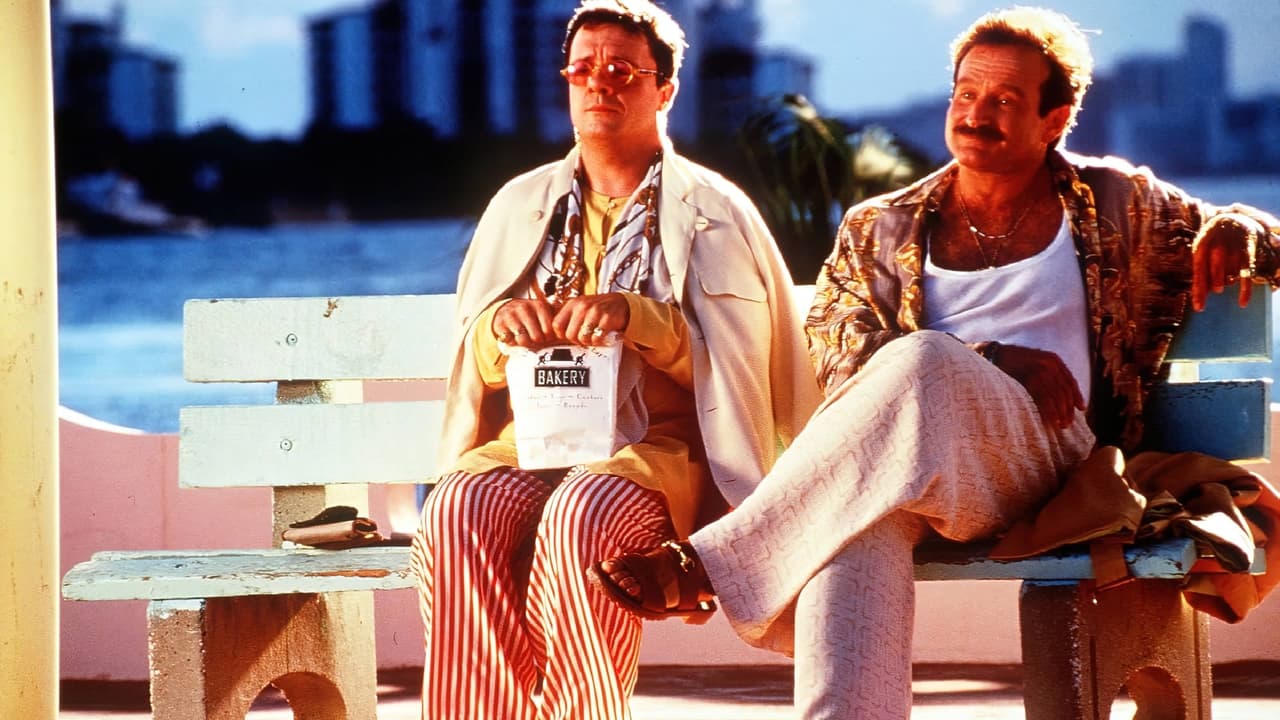
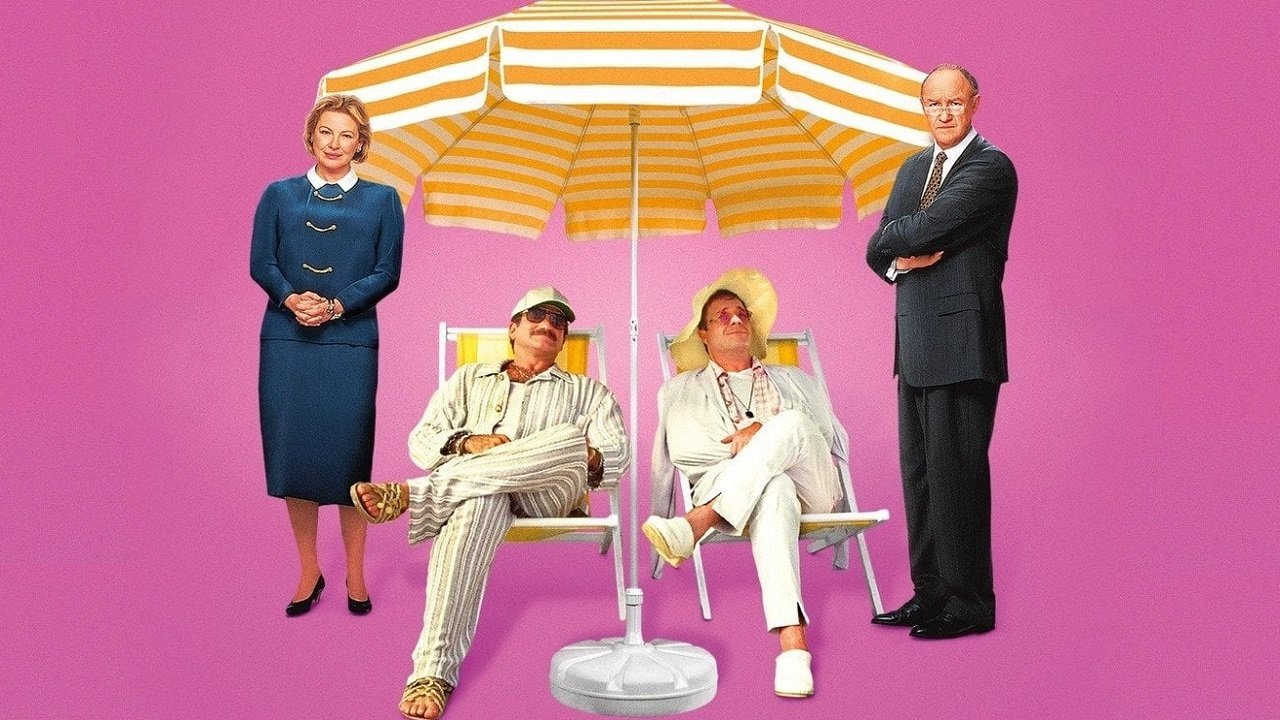
The genius stroke of casting here wasn't putting Nathan Lane in a wig; it was asking Robin Williams to be the "straight man." We usually expected Robin to be the one bouncing off the walls, but as Armand Goldman, he provides the soulful, exasperated anchor the movie needs to stay grounded. He’s the weary club owner trying to navigate the impossible demands of his son, Val (Dan Futterman), who is essentially asking his parents to erase their entire existence to impress a right-wing senator.
Let's be real: Val is arguably the most punchable character in 90s cinema. He asks his father to hide his partner of twenty years and "de-gay" their home just so he can marry into a family of bigots. In any other movie, this would be a tragedy. Here, it’s the engine for a masterclass in comedic timing.
Then there’s Nathan Lane as Albert. If you want to see a performance that defines "commitment to the bit," look no further than his attempt to learn how to butter toast like a "real man." His chemistry with Williams is effortless; you believe they’ve been bickering over dinner plates and stage lighting for decades. They aren't just caricatures; they are a tired, devoted couple who just happen to be caught in a hurricane of pink spandex and political paranoia.
The Dinner Party from Hell
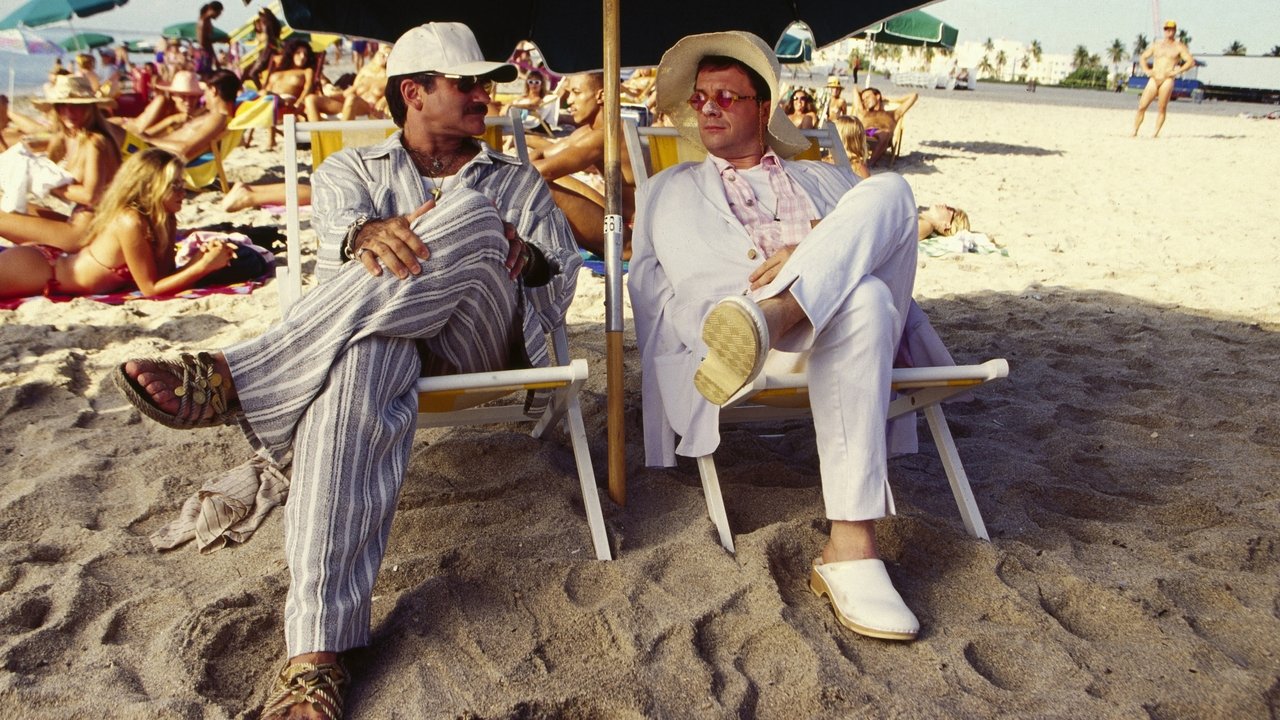
The film hits its stride when the worlds collide. Enter Gene Hackman as Senator Kevin Keeley and Dianne Wiest as his wife, Louise. Gene Hackman playing a staunchly conservative politician who is forced to flee a scandal by hiding in a drag club is a level of irony that never gets old. His deadpan delivery against the mounting chaos of the Goldman household is the perfect foil for the frantic energy of Hank Azaria’s Agador Spartacus.
Hank Azaria, playing the "houseman" who refuses to wear shoes and dreams of being in the show, nearly steals the entire movie. His "Guatemalan" accent and his frantic, "Spartacus" inspired dance moves are the kind of character flourishes that probably wouldn't fly in today's more sensitive casting climate, but within the context of 1996, it was the peak of physical comedy.
The dinner scene itself is a masterpiece of editing and staging. As Albert enters dressed as "Mother," the tension becomes so thick you could cut it with one of those decorative prehistoric lances Armand has hanging on the wall. The way Nichols handles the rapid-fire dialogue—much of it clearly polished by the Nichols/May shorthand—ensures that the jokes land with the precision of a Swiss watch.
A Box Office Juggernaut
Looking back, it’s easy to forget how massive this film was. With a $31 million budget, it went on to gross over $185 million worldwide. It wasn't just a "niche" comedy; it was a bona fide blockbuster. It held the number-one spot at the US box office for four consecutive weeks, which is a staggering feat for a film centered on a gay couple during the mid-90s.
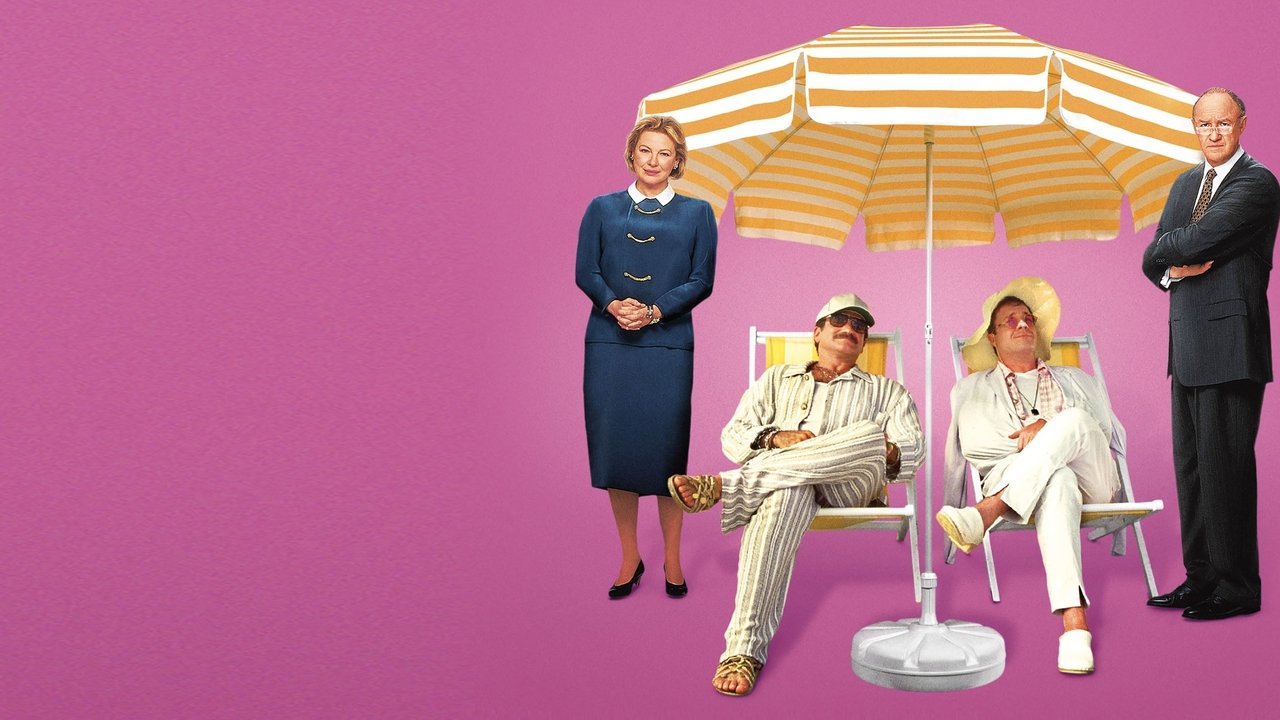
Part of that success came from the fact that it was "safe" enough for suburban audiences while being "smart" enough for the critics. It didn't preach; it just showed the absurdity of bigotry by making the bigots look like the most ridiculous people in the room. The trivia surrounding the production is just as fun as the film itself—apparently, Robin Williams originally wanted to play Albert, but Nichols insisted he play Armand because the "straight man" role was the bigger challenge for his manic energy. Also, the "We Are Family" dance sequence at the end was almost entirely improvised, capturing a genuine joy that feels unscripted and earned.
The film has aged remarkably well because, beneath the wigs and the white-wine-soaked chaos, it’s a story about the lengths we go to for the people we love—and how stupid we look when we try to be someone we’re not. It’s a film that trusts its audience to get the joke, and 1996 was more than happy to play along.
The Birdcage remains the gold standard for the American farce. It balances high-stakes political satire with low-brow slapstick, all while maintaining a huge, beating heart at its center. It’s the kind of movie I can jump into at any point and feel immediately better about the world. If you haven't seen it lately, go back and watch Gene Hackman in drag. It’s the cinematic medicine we all deserve.
Keep Exploring...
-
Mrs. Doubtfire
1993
-
Get Shorty
1995
-

Charlie Wilson's War
2007
-
Closer
2004
-
The Fisher King
1991
-
Bean
1997
-
Working Girl
1988
-
Fried Green Tomatoes
1991
-

Hot Shots!
1991
-
The Addams Family
1991
-
The Naked Gun 2½: The Smell of Fear
1991
-
A League of Their Own
1992
-
Home Alone 2: Lost in New York
1992
-
Lethal Weapon 3
1992
-
Sister Act
1992
-
Sneakers
1992
-
Wayne's World
1992
-
Cool Runnings
1993
-

Hot Shots! Part Deux
1993
-
Sleepless in Seattle
1993