The Cable Guy
"He's here to install your doom."
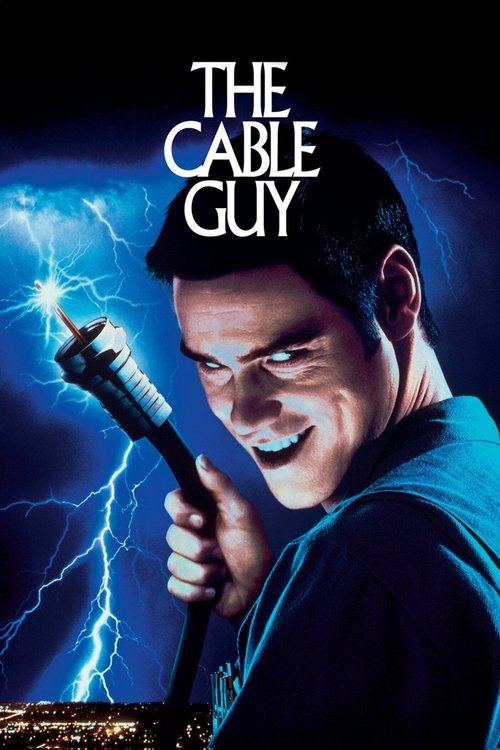
In the summer of 1996, I remember standing outside a multiplex holding a bucket of popcorn that cost more than my bus fare, fully expecting to see Jim Carrey talk out of his rear end for ninety minutes. Instead, I walked out feeling like I’d just survived a low-key home invasion. I recently re-watched this on a Friday night while my neighbor was very loudly practicing the bagpipes, and honestly, the surreal, droning dread from next door only made the Medieval Times scene feel more authentic.

The Cable Guy is the ultimate "Expectation vs. Reality" meme of the 90s. Columbia Pictures paid Carrey a then-unheard-of $20 million—a paycheck that felt less like a salary and more like a ransom note for our collective sanity—and the marketing department tried to sell it as Ace Ventura: Wired. What they actually delivered was a pitch-black psychological thriller that happens to have a lisp.
The Architect of Discomfort
The movie follows Steven (Matthew Broderick, playing the "straight man" with a level of beige sincerity that only he can master), a guy who just broke up with his girlfriend, Robin (Leslie Mann). He moves into a new apartment and, on the advice of his friend Rick (Jack Black, in a glorious early-career showing), slips the cable guy fifty bucks for some free movie channels. Enter Chip Douglas.
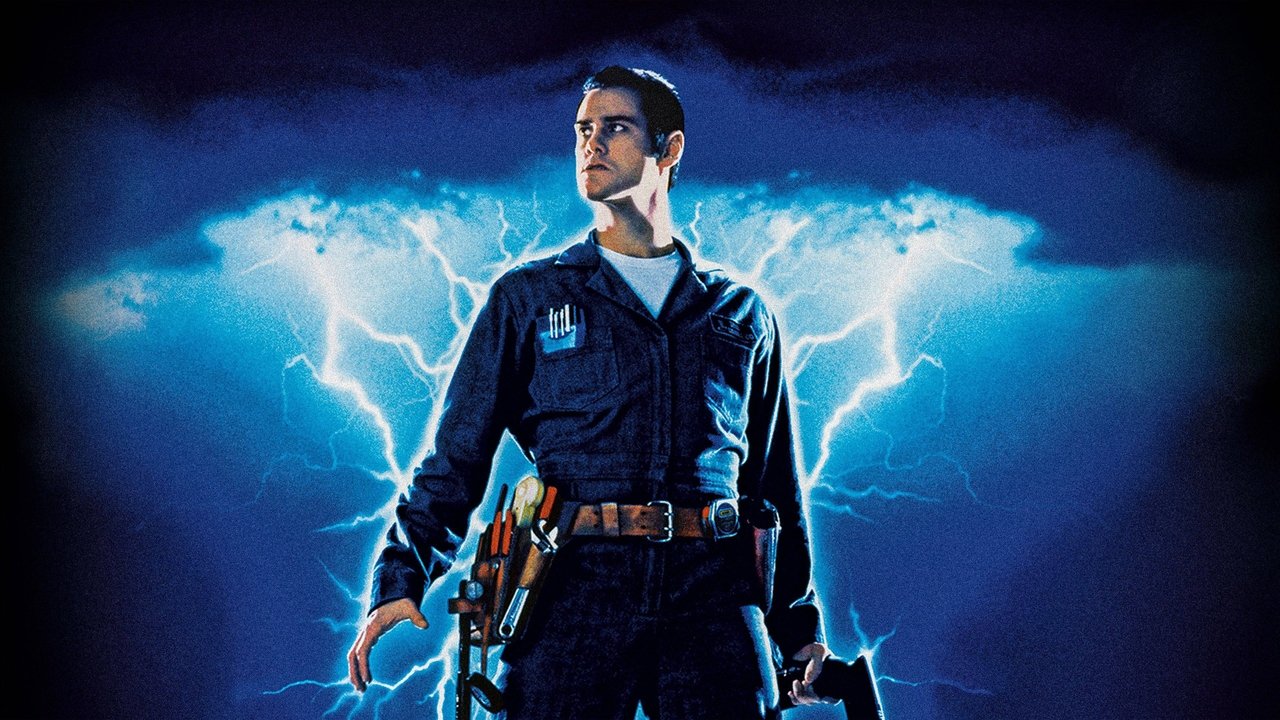
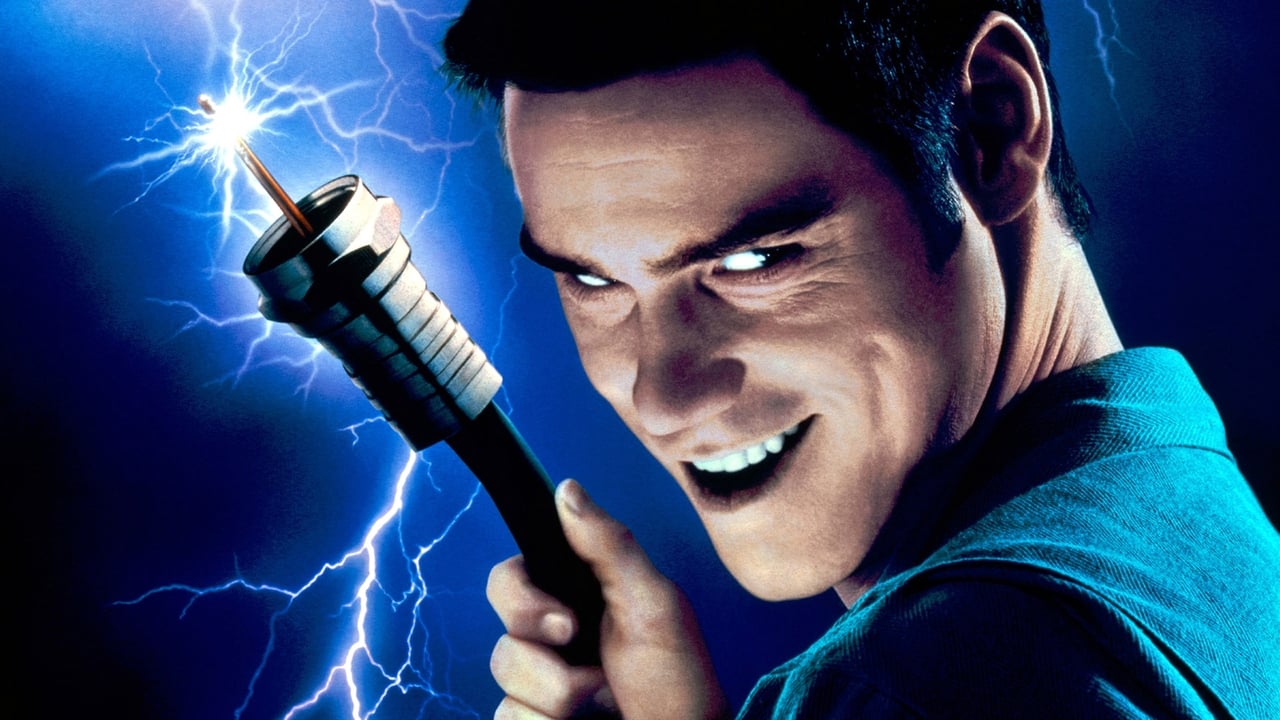
Jim Carrey doesn’t just play the Cable Guy; he haunts the role. Looking back, this performance is a fascinating bridge between his rubber-faced antics in The Mask and his later dramatic turns in The Truman Show or Eternal Sunshine of the Spotless Mind. He uses his physicality not for laughs, but to create a sense of profound, skin-crawling intrusion. When Chip takes Steven to "Medieval Times" and starts reenacting Star Trek’s "Amok Time" battle, it’s funny for exactly ten seconds before it becomes a fever dream of desperate, lonely aggression.
A Satire Ahead of Its Time
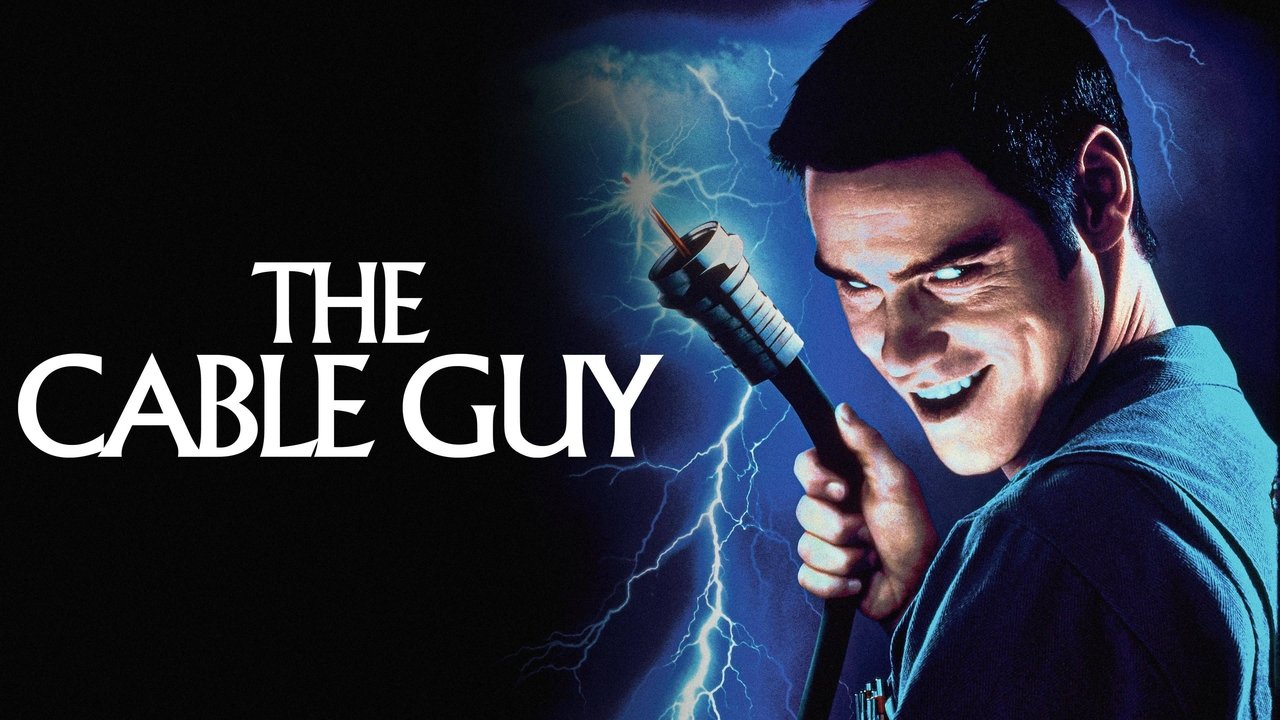
Directed by Ben Stiller (who also cameos as a murderous twin in a recurring TV news parody), the film was widely dismissed as a "misstep" upon release. Critics didn't know what to do with a comedy that refused to let the audience off the hook. But re-watching it in the era of parasocial relationships and social media stalking, The Cable Guy feels like a prophetic warning.
Chip is the original "Reply Guy." He’s a man raised by the "electronic babysitter," a character whose entire personality is a patchwork of TV catchphrases and sitcom tropes because he has no internal self. He doesn't want to fix your cable; he wants to be the protagonist of your life. The script by Lou Holtz Jr. (with uncredited polishes by Judd Apatow) treats the "drama" of Steven’s crumbling life with genuine stakes. When Chip starts systematically destroying Steven’s reputation—getting him arrested, ruining his family dinner with a perverse game of "Password"—the film shifts from a comedy into a nightmare about the loss of privacy.
The Trivia of the Transition
One of the coolest details about the production is how much of it was built on practical grit. That massive satellite dish at the climax? It wasn't a CGI shortcut. It was a massive, rotating set piece that actually forced the actors to deal with the elements. At the time, Hollywood was just starting to lean heavily into digital effects, but Ben Stiller opted for a tangible, industrial look that gives the final act a heavy, oppressive atmosphere.
Here are a few other bits of lore that make this film a certified cult oddity:
The $20 Million Gamble: Carrey’s record-breaking salary actually hurt the film’s reception. People were so focused on the money that they couldn't see the movie for what it was—a risky, dark indie film with a blockbuster budget. The Chris Farley Connection: The role of Chip was originally written with Chris Farley in mind. While Farley would have brought a different energy, Carrey’s specific brand of manic intensity turned the character into a genuine predator. The Sam Sweet Trial: Throughout the movie, TV screens show the trial of a former child star (played by Stiller) who killed his twin brother. It was a sharp parody of the Menendez brothers and O.J. Simpson trials that dominated the 90s news cycle. Janeane Garofalo’s Near Miss: She was originally considered for the role of Robin, which would have given the movie an even punchier, alt-90s comedy vibe. * The Karaoke Scene: Carrey actually performed "Don't You Want Me" live. His vocal performance is intentionally off-putting—it’s the sound of a man trying to simulate human emotion through a pop filter.
The Cable Guy is a fascinating relic of a time when studios were willing to let a massive star get weird and ugly. It’s not an "easy" watch, and the tonal shifts can be jarring, but Chip Douglas is the most honest depiction of a man raised by a television screen ever committed to film. It’s a tragedy masquerading as a farce, and while it might not have been what we wanted in 1996, it’s exactly the kind of challenging, biting cinema that deserves a spot on your shelf next to the more "comfortable" classics.
Looking back, the film’s legacy isn't its box office or its initial reviews. It’s the way it predicted our modern obsession with screens and the terrifying isolation that comes with them. It’s a film that asks us what happens when the "free cable" ends and we’re left in the dark with a stranger who knows all our secrets. If you haven't seen it since the VHS era, give it another go—just maybe keep your fifty bucks in your pocket when the technician shows up.
Keep Exploring...
-

Zoolander
2001
-
The Secret Life of Walter Mitty
2013
-
Tropic Thunder
2008
-
I Love You Phillip Morris
2010
-
Coyote Ugly
2000
-
Confessions of a Dangerous Mind
2002
-
Dante's Peak
1997
-
Lethal Weapon 4
1998
-
The Bone Collector
1999
-
The 6th Day
2000
-
The Family Man
2000
-
The Net
1995
-
Cop Land
1997
-
Big Daddy
1999
-

Mr. & Mrs. Smith
2005
-
How the Grinch Stole Christmas
2000
-
Me, Myself & Irene
2000
-
Bad Santa
2003
-
Cellular
2004
-
The Skeleton Key
2005