The Craft
"High school is a literal witch hunt."
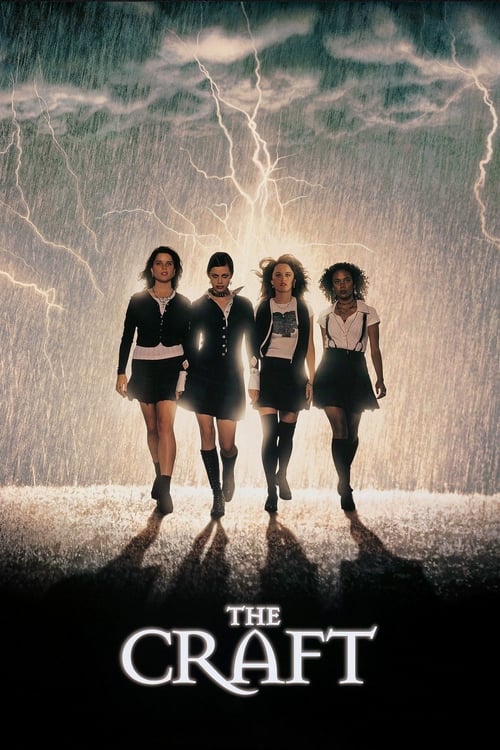
The 1990s had a very specific way of packaging teen angst: it usually involved a lot of flannel, a soundtrack featuring Letters to Cleo, and a deep-seated suspicion that your biology teacher was a lizard. The Craft took that "outsider" energy and gave it a gothic, ritualistic upgrade that still feels like a fever dream of Catholic school skirts and heavy eyeliner. Watching it today is like opening a time capsule buried beneath a Hot Topic in 1996, smelling faintly of patchouli and clove cigarettes.
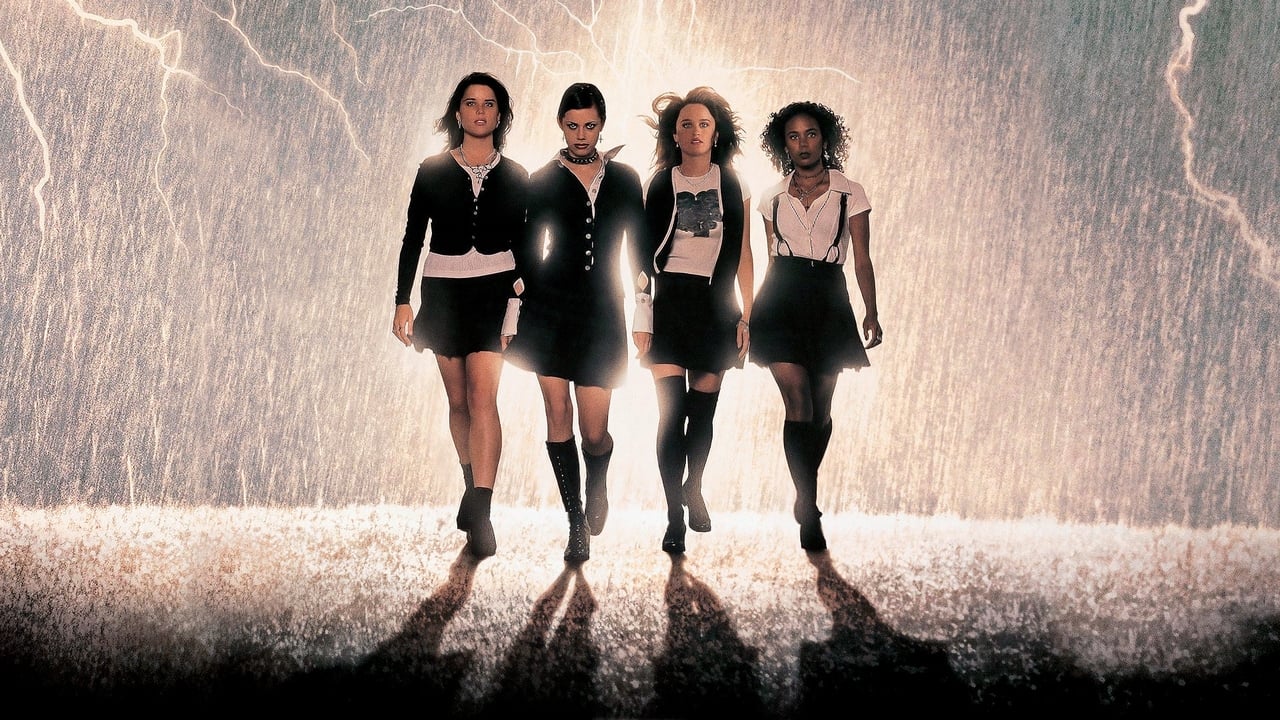
I revisited this one on a scratched DVD I found at a garage sale while my neighbor was loudly pressure-washing his driveway, and honestly, the aggressive hum of the water outside added a nice layer of white noise to the ritual scenes. It reminded me that before every supernatural teen drama was polished to a high-gloss sheen by a streaming service algorithm, movies like this were allowed to be genuinely grubby and weird.
High School is a Coven
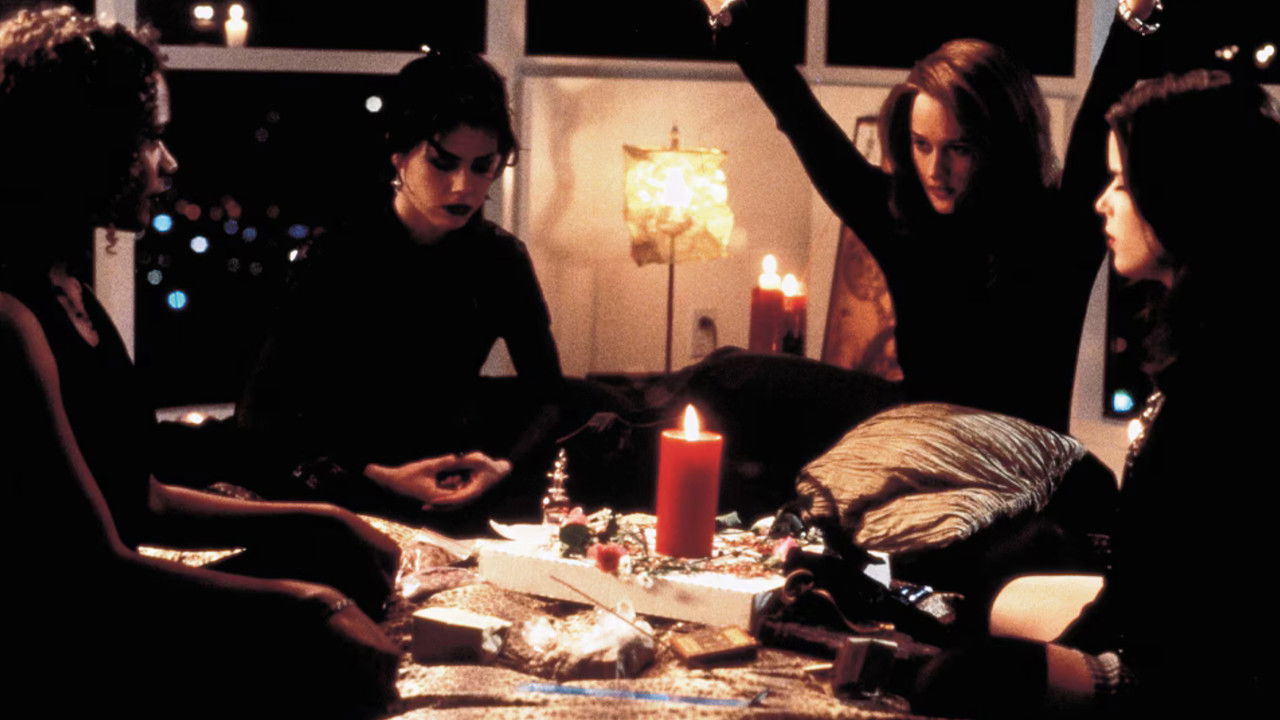
The setup is classic: Sarah (Robin Tunney, who played the shoplifting troubled girl in Empire Records just a year prior) moves to Los Angeles and finds herself the fourth wheel in a trio of social outcasts. These aren't the "nerdy girls who are actually supermodels" tropes we usually get. These girls—played by Fairuza Balk, Neve Campbell, and Rachel True—feel like the people you actually sat next to in detention. They’re dealing with real-world trauma: poverty, racism, body scars, and abusive households.
When they discover Sarah is a "natural" witch, they complete their circle and start using magic to solve their teenage problems. It starts small—changing hair color or making a school bully’s hair fall out—but quickly spirals into the kind of "be careful what you wish for" territory that defines the genre. Sarah is actually the least interesting person in her own movie, mostly because she’s the moral compass in a film that thrives on the magnetic chaos of its supporting cast.
The Balk Factor
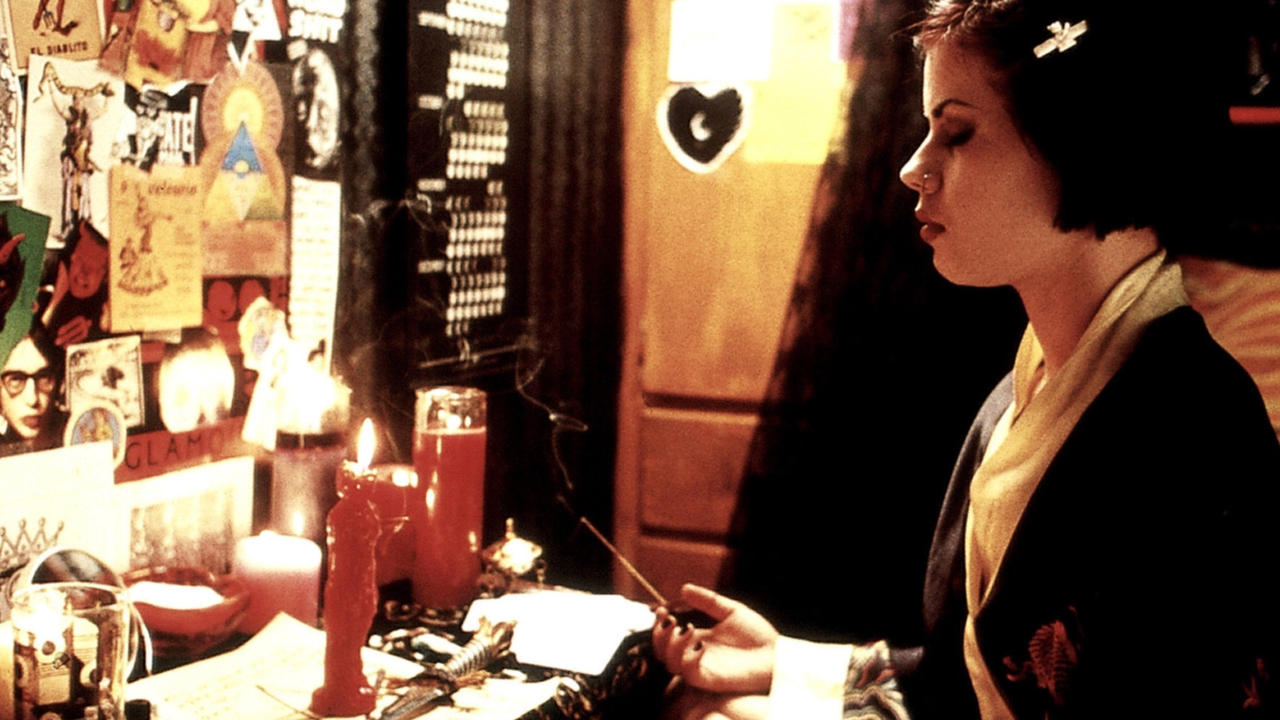
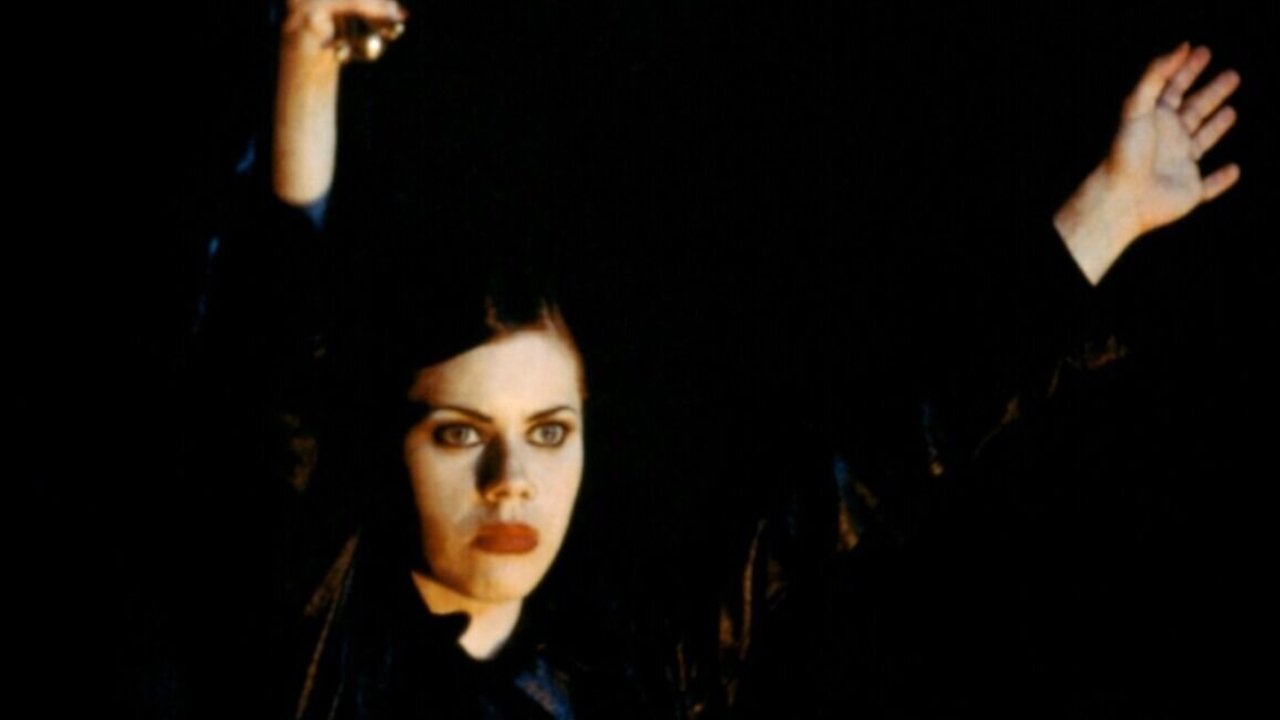
We have to talk about Fairuza Balk. In the mid-90s, there was nobody doing "unhinged" better than her. As Nancy, the de facto leader of the group, she eats the scenery with a frantic, terrifying hunger. Looking back, her performance is the engine that keeps the movie from feeling like a standard after-school special. Apparently, Balk was a practicing Wiccan in real life at the time and even bought a famous occult shop in Los Angeles called Panpipes after filming wrapped. That authenticity translates; when she stares into the camera with those piercing eyes, you truly believe she’s about to summon a thunderstorm.
Opposite her, Neve Campbell (right before Scream turned her into a household name) and Rachel True provide the emotional grounding. True, in particular, deserves more credit for her portrayal of Rochelle. The subplot involving a racist bully played by Christine Taylor is one of the few times the film feels dated in its directness, yet it remains effective because the "revenge" feels so cathartic. Then there’s Skeet Ulrich as Chris, the quintessential 90s douchebag jock who gets exactly what’s coming to him in a scene that involves some very trippy, era-appropriate hallway hallucinations.
Slithering Practicality
One thing that holds up surprisingly well is the practical effects work. Director Andrew Fleming (who later gave us the hilarious Dick) leaned into the "gross-out" factor of the 90s. The climax involves a staggering amount of real insects and reptiles. They used over 3,000 snakes during the final confrontation, and you can tell. There’s a weight and a slime factor to the horror that early CGI just couldn't replicate. While there are some digital effects—mostly involving mirrors and "glamour" spells—the film’s best scares come from the physical invasion of space by nature.
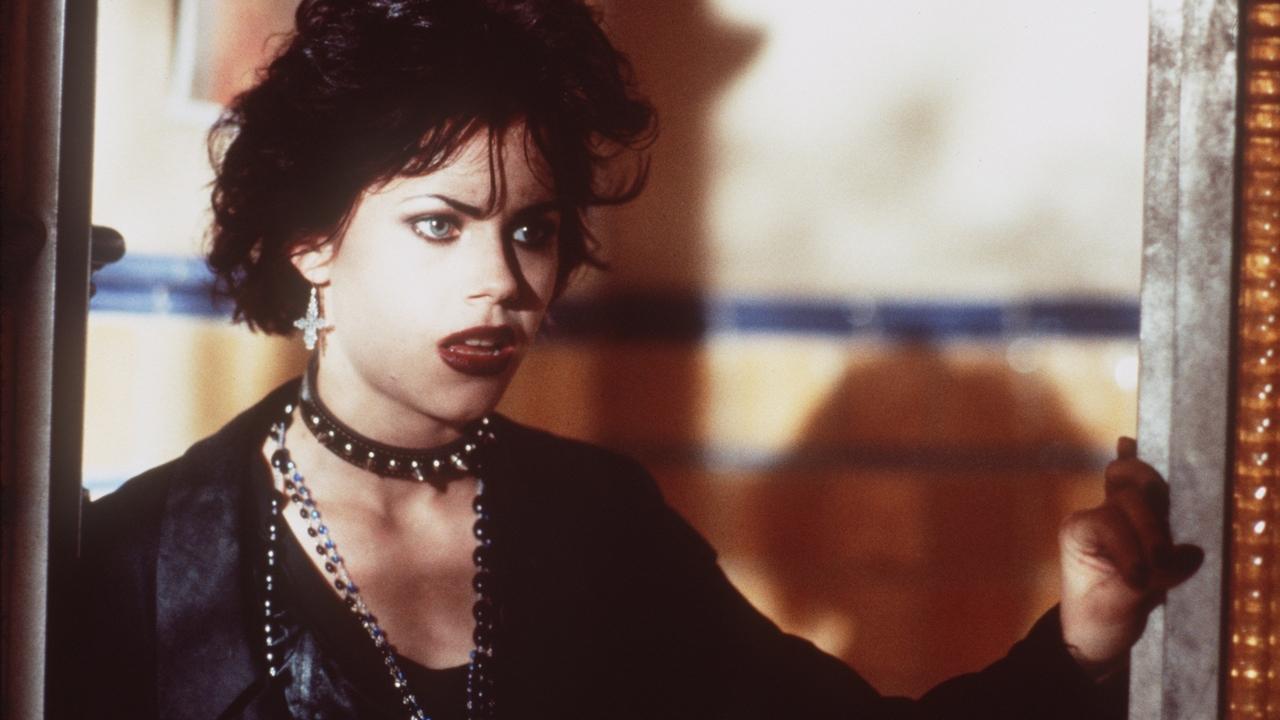
The score by Graeme Revell and the iconic cover of "How Soon Is Now?" by Love Spit Love perfectly encapsulate the Y2K-adjacent gloom. It’s a movie that understands that being a teenager is its own kind of horror story; magic just makes the metaphors more literal. Looking back, it’s easy to see why this became a cult classic. It arrived right as the indie film explosion was meeting the studio system’s desire for "edgy" teen content, resulting in a film that has more bite than you might remember. The "Light as a feather, stiff as a board" scene is still the undisputed champion of slumber party activities.
The Craft is a sharp, stylish relic that manages to transcend its "90s-ness" by tapping into a universal truth: high school is a nightmare, and sometimes you just want to call the corners and invoke the spirit of a primordial deity to get through a Tuesday. It’s not a perfect film—the pacing in the third act gets a little frantic—but it’s an essential watch for anyone who ever felt like they didn't belong. If you’re looking for a double feature, pair it with The Lost Boys to see how the "cool monster" trope evolved across a decade. Just don't blame me if you start eyeing the black lipstick at the pharmacy tomorrow.
Keep Exploring...
-
The Craft: Legacy
2020
-

Ginger Snaps
2001
-
Inland Empire
2006
-
Flatliners
1990
-
Interview with the Vampire
1994
-
Candyman
1992
-

The Muppet Christmas Carol
1992
-
The Good Son
1993
-
The Secret Garden
1993
-
Mary Shelley's Frankenstein
1994
-
New Nightmare
1994
-
The Hudsucker Proxy
1994
-
A Little Princess
1995
-
Dead Man
1995
-
Vampires
1998
-
Stigmata
1999
-

The Gift
2000
-

The Devil's Backbone
2001
-

Heavenly Creatures
1994
-

Miracle on 34th Street
1994