The English Patient
"Love is a country without a map."
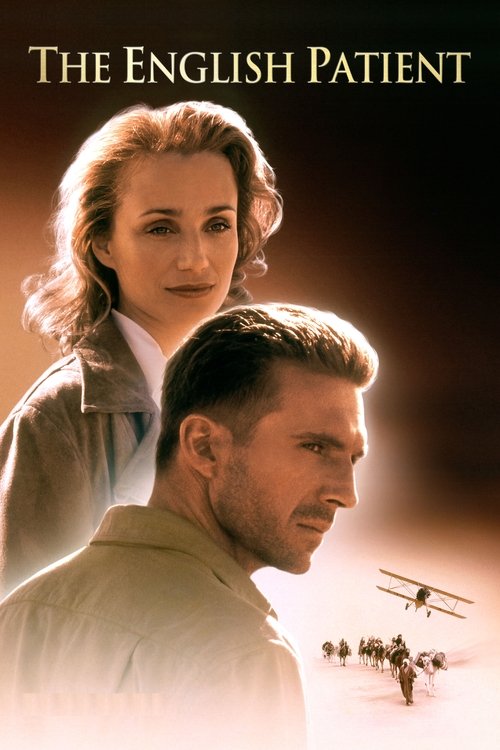
There is a specific, haunting silence that occurs right before a biplane engine cuts out over the Sahara, a vacuum of sound that seems to swallow the very idea of a civilization. Watching the opening minutes of The English Patient, I found myself leaning forward, not because of the spectacle, but because of the textures—the way the sun-bleached dunes look like the curves of a human body, and the way the shadows in the cockpit feel heavy with secrets. I watched this again on a Tuesday night while nursing a slightly burnt grilled cheese sandwich, and the contrast between my mundane kitchen and the sweeping, tragic grandeur of 1930s North Africa felt almost violent.

The Miramax Goliath and the Casting Gamble
In the mid-90s, this film was the ultimate "prestige" monster. It’s easy to forget now, in our era of algorithmic green-lighting, how much of a gamble this was. 20th Century Fox originally held the reins but famously pulled out because they wanted a "bankable" star like Demi Moore for the role of Katharine Clifton. Director Anthony Minghella and producer Saul Zaentz (the man behind Amadeus) refused to budge, insisting on Kristin Scott Thomas. They took the project to Miramax, a move that essentially defined the "indie-blockbuster" era.
It paid off. With a budget of $27 million, it raked in over $230 million and dominated the 1997 Oscars with nine wins. Looking back, it captures that brief window where a slow-burn, adult-oriented drama could become a genuine cultural phenomenon—before the Seinfeld joke about Elaine Benes hating the movie became the primary way my generation remembered it. But strip away the "Oscar bait" label and the memes, and what remains is a remarkably dark, unflinching look at how war and desire dismantle the soul.
Flesh, Sand, and Moral Decay
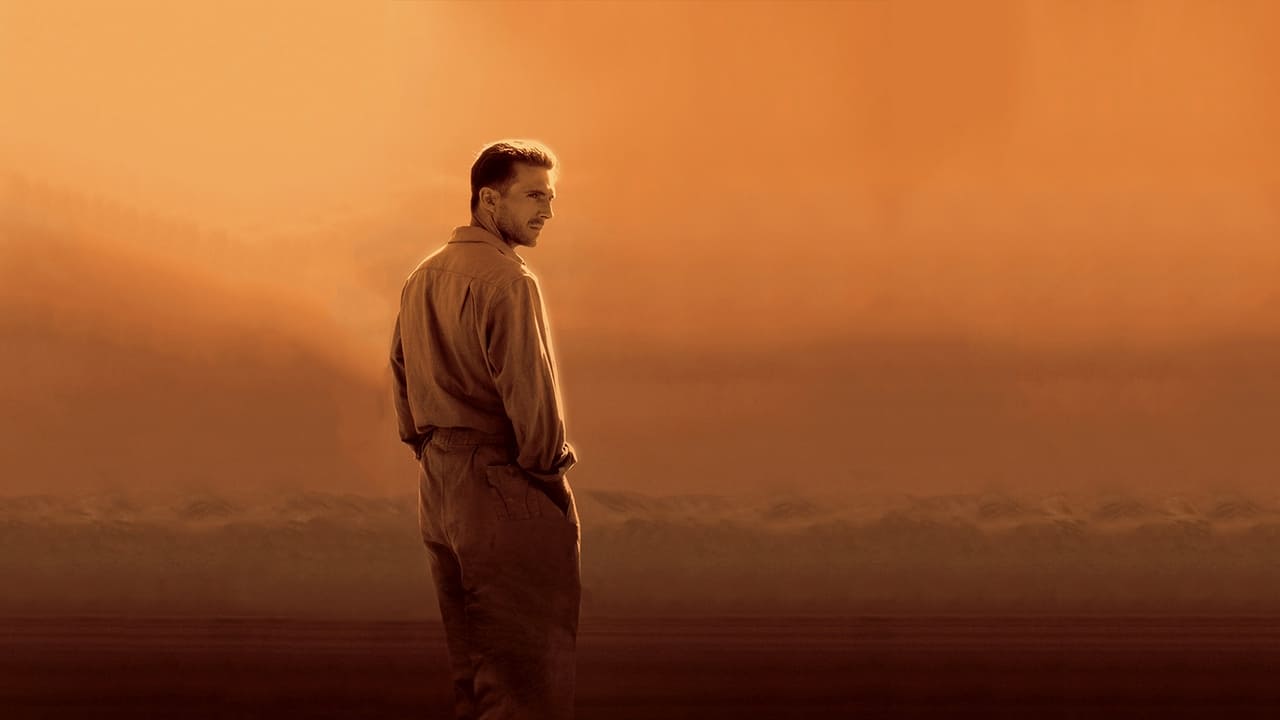
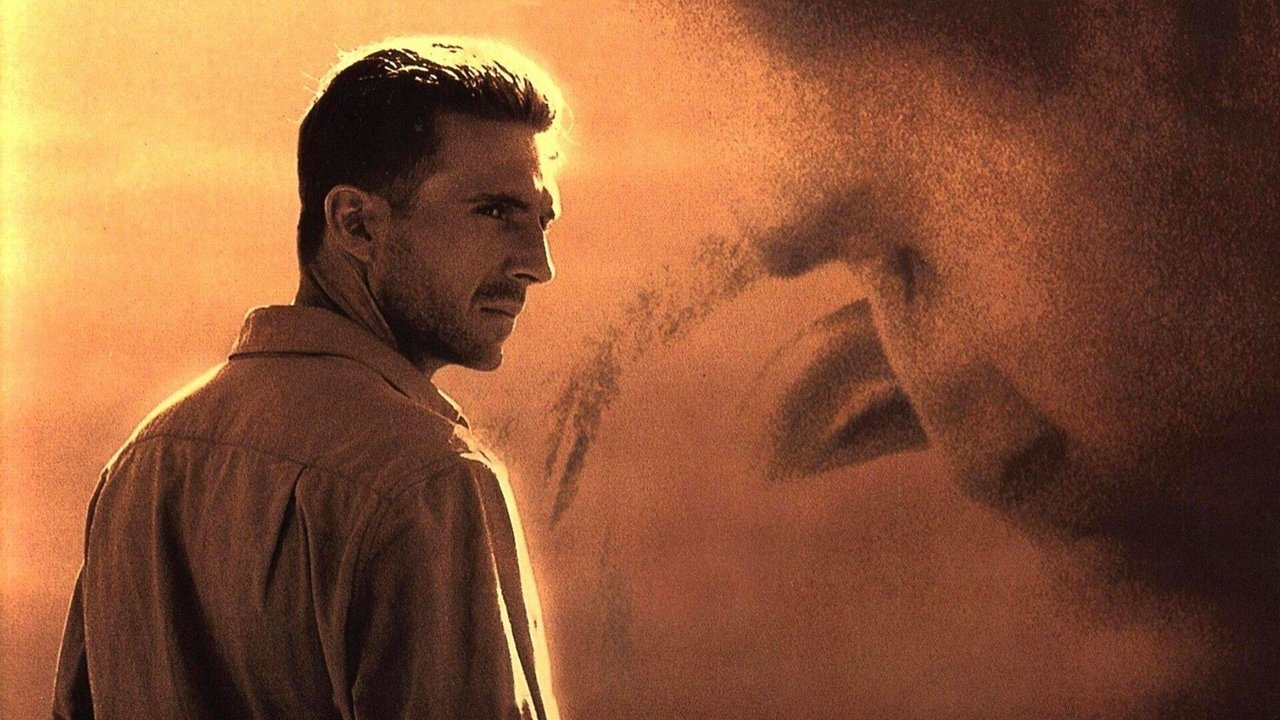
The story is a dual narrative, weaving between a decaying Italian monastery at the end of WWII and the pre-war desert explorations of the 1930s. Ralph Fiennes plays Count Almásy as a man who has been hollowed out long before his plane ever crashed. Whether he’s a charred, morphine-addicted "patient" in the present or the arrogant, aloof map-maker of the past, Fiennes carries a terrifying stillness. He makes Almásy hard to like, which is exactly why the performance works. He’s essentially a walking open wound who treats cartography as a religion because humans are too messy to map.
Then there’s Kristin Scott Thomas. Her chemistry with Fiennes isn't the "fire and ice" cliché; it’s more like two chemicals that shouldn't be mixed in a pressurized container. Their affair isn't portrayed as a grand, noble romance; it’s a desperate, often cruel collision that ignores the looming threat of global fascism. Meanwhile, Juliette Binoche as the nurse, Hana, provides the only warmth in the film’s "present" timeline. Her subplot with Naveen Andrews (years before Lost) as the Sikh bomb-disposal expert Kip is arguably the most poignant part of the film. While the main leads are destroying themselves for love, Hana and Kip are trying to find beauty in a landscape literally rigged with explosives.
A Masterclass in Atmospheric Dread
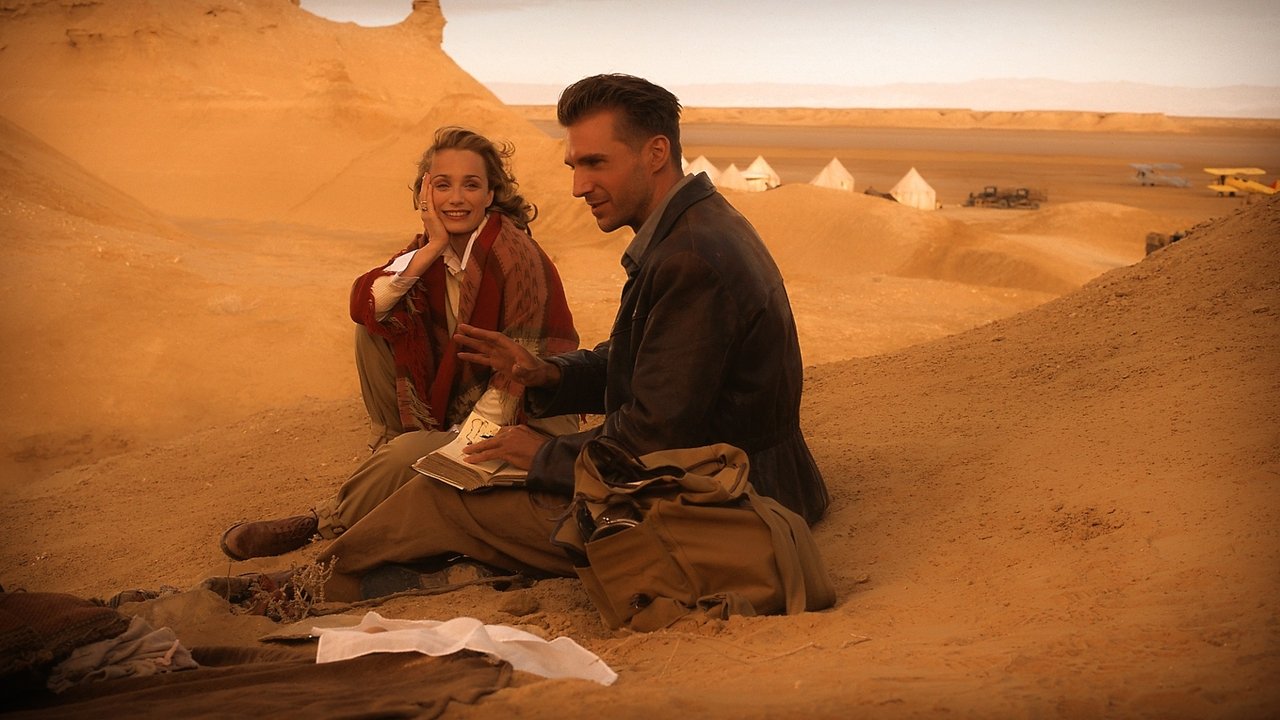
Technically, the film is an absolute beast. John Seale's cinematography doesn't just treat the desert as a backdrop; it treats it as a character that demands a blood sacrifice. The way the camera lingers on the burnt, topographical map of Almásy’s skin is a direct mirror to the shifting sands of the Sahara. The editing by Walter Murch is actually the secret MVP here. Murch (who also worked on Apocalypse Now) uses sound and visual match-cuts—like the sound of a brush on a painting transitioning into the sound of a windstorm—to bridge the decades. It creates a dream-like logic where the past is more vivid than the dying present.
The film also flirts with the thriller genre through Willem Dafoe’s Caravaggio. His presence introduces a gritty, vengeful energy, reminding us that while Almásy and Katharine were playing at romance, people were being tortured and borders were being redrawn in blood. Dafoe brings a jittery, thumb-less intensity that keeps the movie from drifting too far into the clouds of its own poeticism.
The 162-minute runtime is a commitment, and yes, if you aren't in the mood for a heavy, tragic sprawl, it can feel like a marathon through a sandstorm. But the film’s refusal to offer easy moral answers is what keeps it relevant. It asks whether personal loyalty can exist in a world that demands nationalistic sacrifice, and it concludes that the cost of such loyalty is usually everything you own. It’s a beautifully shot, expertly acted tragedy that manages to be epic in scale while remaining claustrophobically intimate in its depiction of grief. If you only know it as the "boring movie" from a 90s sitcom, it’s time to give it another look—preferably in a warm room with a cold drink, far away from any biplanes.
Keep Exploring...
-
The Talented Mr. Ripley
1999
-

Legends of the Fall
1994
-
The Wind Rises
2013
-
Enemy at the Gates
2001
-
Cold Mountain
2003
-

Dear John
2010
-

A Very Long Engagement
2004
-
Joyeux Noel
2005
-
Ghost
1990
-
The Reader
2008
-
Lone Survivor
2013
-
The Last of the Mohicans
1992
-
Batman: Mask of the Phantasm
1993
-
The Last Samurai
2003
-

Fury
2014
-
The Horse Whisperer
1998
-

Bridget Jones's Diary
2001
-
Forever Young
1992
-

The Bodyguard
1992
-

Indecent Proposal
1993