The Frighteners
"Death is no excuse for a day off."

The first time I sat down to watch The Frighteners, I was balancing a lukewarm plate of Bagel Bites on my knees in a cramped college dorm. One of them slid off and landed sauce-side down on my roommate's hideous beige rug, and I was so transfixed by a ghost exploding through a wallpapered wall that I let the cheese congeal there for the full two-hour runtime. That stain probably survived longer than the film’s theatrical run, which is a crying shame, because Peter Jackson’s 1996 supernatural romp is the ultimate "lost" blockbuster of the nineties.

Coming off the back of the critically acclaimed Heavenly Creatures and just a few years shy of becoming the King of Middle-earth, Peter Jackson was in a weird, wonderful transition phase. He had all the manic, "splatstick" energy of his early New Zealand gore-fests like Dead Alive (or Braindead for the purists), but he suddenly had a $30 million Universal Pictures budget and a high-tech toy box called Weta Digital. The result is a film that feels like a Steven Spielberg production that’s been spiked with hit of acid and a gallon of black coffee.
The Manic Charm of Frank Bannister
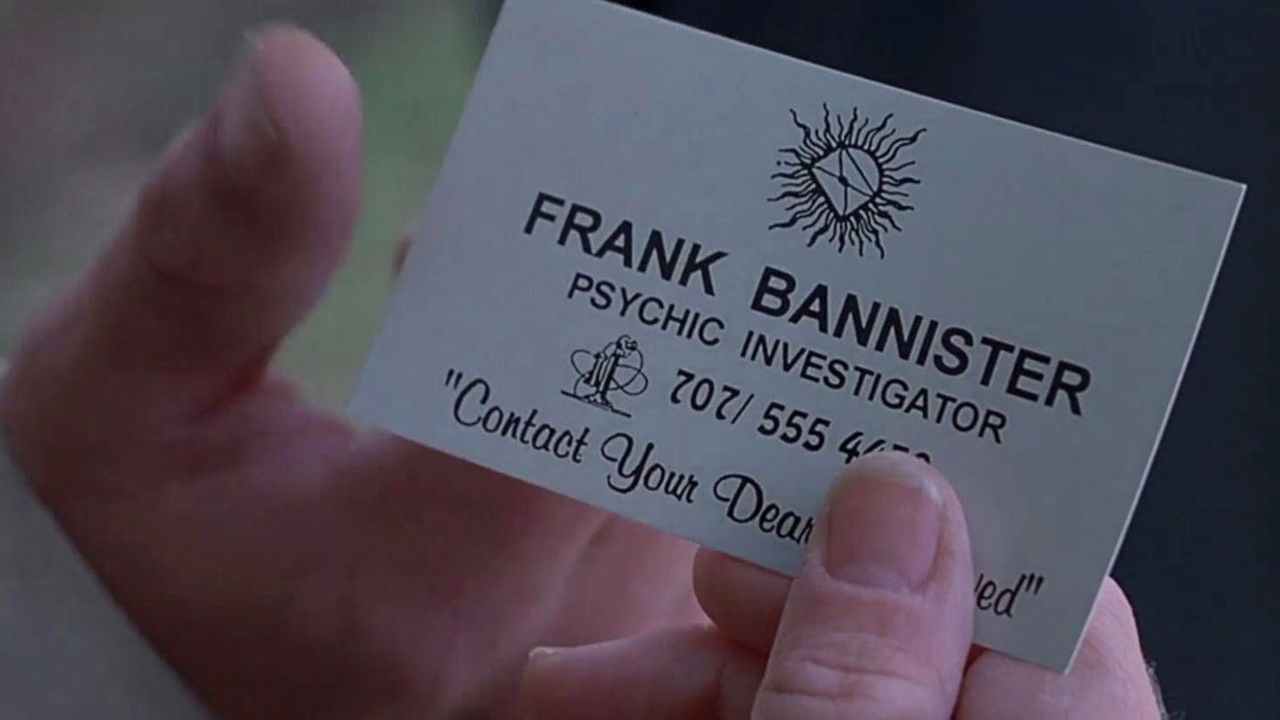
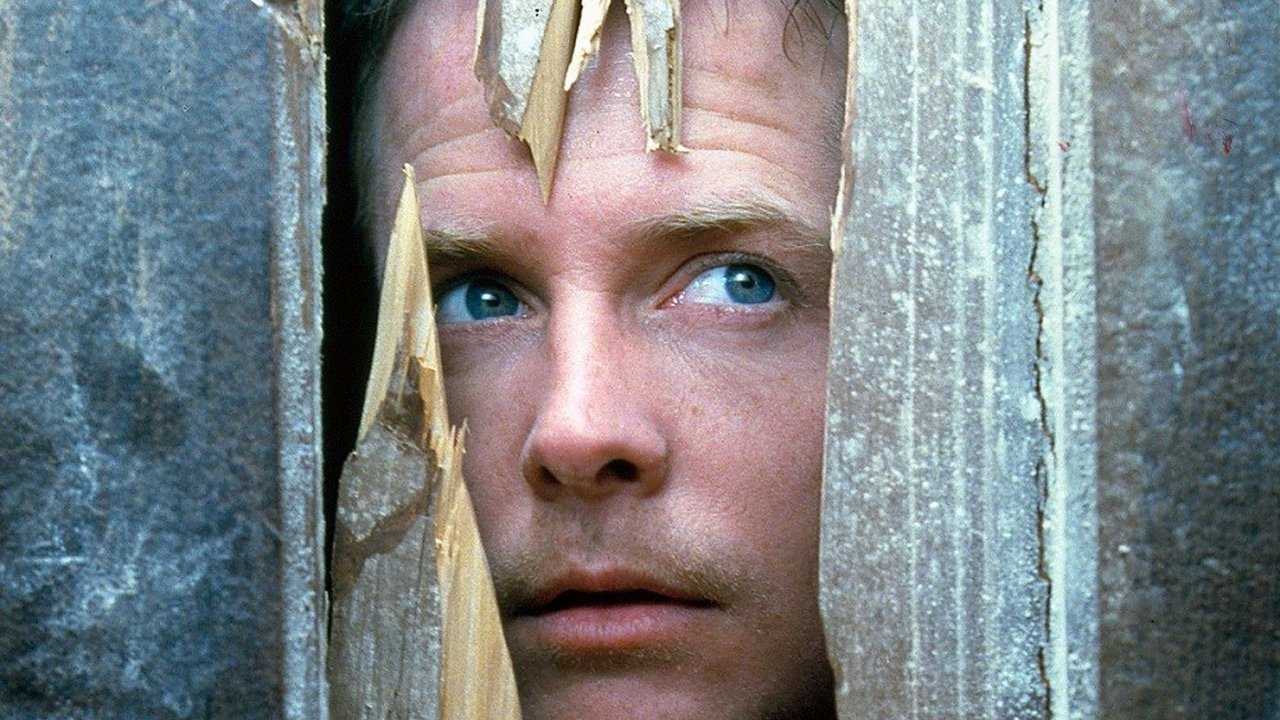
At the center of the chaos is Michael J. Fox as Frank Bannister. Looking back, there’s a bittersweet layer to this performance; it was Fox’s last leading role in a live-action feature before he went public with his Parkinson’s diagnosis and moved toward television. He is, quite frankly, a revelation here. He plays Frank as a cynical, grieving con artist who uses his actual ability to see ghosts to shake down local homeowners for "exorcism" fees.
Fox has always been the king of the "harried everyman," but here he adds a layer of grime and desperation that makes Frank feel lived-in. When he’s arguing with his ghostly associates—the 70s-funk-styled Cyrus (Chi McBride) and the nerdy Stuart (Jim Fyfe)—you forget you’re looking at what was, for 1996, cutting-edge CGI. He sells the physics of the spirit world with every twitch of his eyes. It’s a performance that reminds me how much we lost when he stepped away from the big screen; he could carry a tonal nightmare like this and make it look like a walk in the park.
A Tonal Tightrope Act
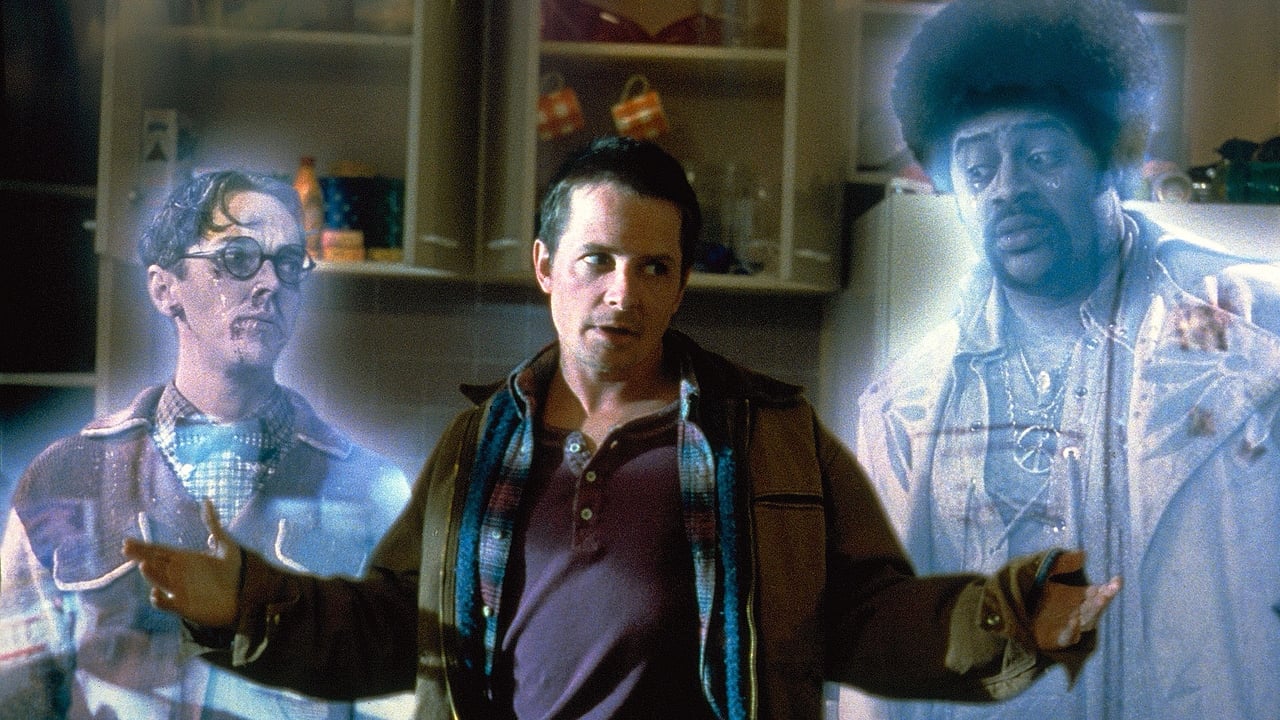
What makes The Frighteners so fascinating—and probably what caused it to stumble at the box office—is its refusal to stay in one lane. The first act is a breezy, darkly comic caper. By the third act, it has morphed into a grim, high-stakes slasher movie involving a spectral Grim Reaper and a cold-blooded obsession with mass murder.
Jackson and his co-writer Fran Walsh don’t just nudge the tone; they shove it off a cliff. One minute you’re laughing at John Astin (the legendary Gomez Addams himself) as a decaying Old West gunslinger ghost, and the next, you’re witnessing a genuinely chilling flashback to a hospital massacre. It’s a jarring shift that shouldn't work, yet somehow the manic energy of the direction stitches it all together. The cinematography by Alun Bollinger gives the fictional town of Fairwater a saturated, storybook quality that makes the encroaching shadows feel even more oppressive.
Then there is Jeffrey Combs. If there is any justice in the world, his portrayal of FBI Special Agent Milton Dammers would be taught in every acting school under the "How to be Gloriously Unhinged" curriculum. Combs is essentially playing a man who has had a permanent nervous breakdown while wearing a bad wig. He is twitchy, paranoid, and intensely weird, providing a brand of comedy that is so uncomfortable it borders on horror. Every time he’s on screen, the movie kicks into a higher gear of insanity.
The Weta Revolution
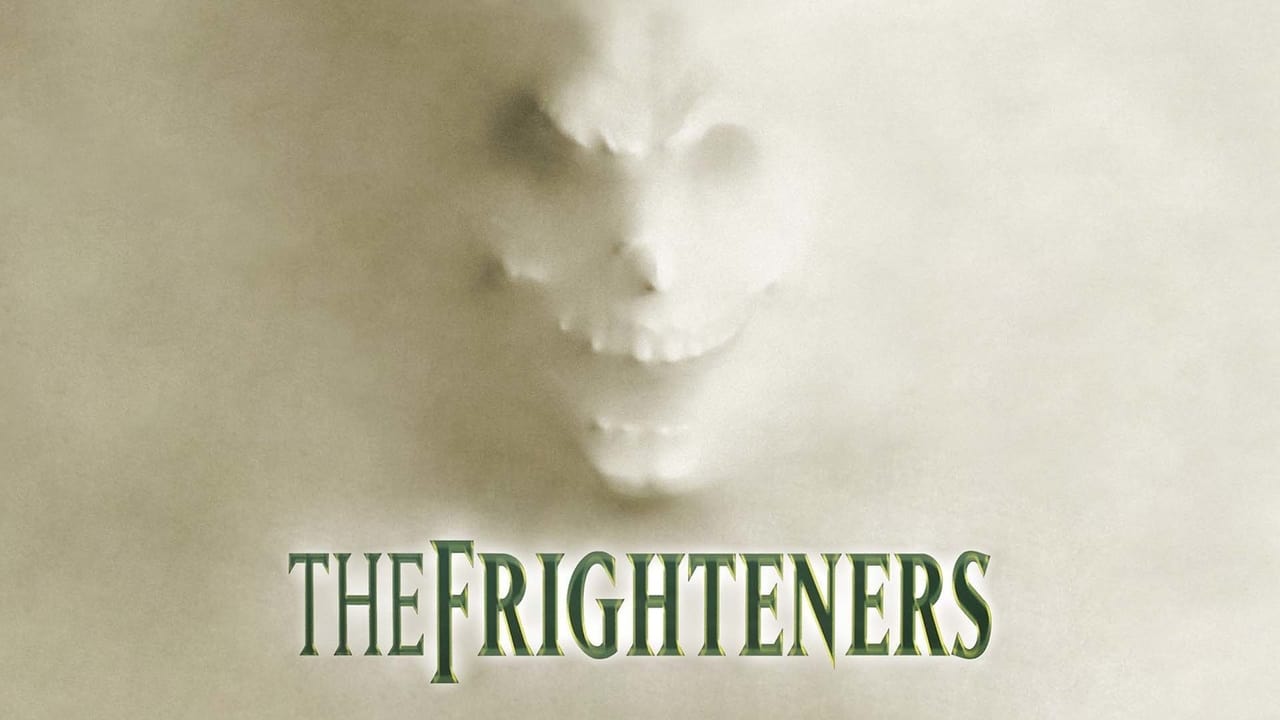
In the mid-90s, Hollywood was obsessed with what CGI could do, often at the expense of what it should do. While many films from '96 look like PlayStation 1 cutscenes today, The Frighteners holds up surprisingly well. This was the trial by fire for Weta Digital. Because the film was shot in New Zealand far away from the prying eyes of Universal executives, Jackson was able to push the digital effects to their absolute limit.
The way the ghosts interact with the environment—stretching through floors and bulging out of walls—has a tactile, physical quality that feels more "real" than the weightless pixels we see in modern MCU entries. Apparently, the film was originally pitched as a Tales from the Crypt spin-off executive produced by Robert Zemeckis, but Jackson’s vision grew too large for a small-scale anthology. You can see that DNA in the final product; it has that wicked, EC Comics sense of morality and irony.
The film ultimately got buried at the box office by the sheer gravitational pull of Independence Day, which arrived a few weeks earlier and ate all the oxygen in the room. But looking back, The Frighteners is the far more interesting artifact. It captures a specific moment where analog filmmaking craft met the digital frontier, guided by a director who wasn't afraid to get his hands dirty. It’s funny, it’s genuinely mean-spirited in spots, and it features Michael J. Fox at the peak of his powers. If you’ve skipped it because the poster looked like a generic Casper knock-off, do yourself a favor and dive in. Just watch out for the Bagel Bites.
The film serves as a perfect bridge between the gore-soaked DIY roots of the 80s and the digital maximalism of the 2000s. It’s a testament to Peter Jackson’s ability to find the heart inside a ghost story, even when that heart is being chased by a scythe-wielding spirit. It’s a cult classic that earned every bit of its status, and it remains the best "ghost" movie of its decade by a country mile.
Keep Exploring...
-
Braindead
1992
-
Lake Placid
1999
-
Homeward Bound: The Incredible Journey
1993
-
Bad Taste
1987
-
Army of Darkness
1992
-

Bride of Chucky
1998
-

Slither
2006
-

Heavenly Creatures
1994
-
Buffy the Vampire Slayer
1992
-

Tremors 2: Aftershocks
1996
-
The Kid
2000
-
Housebound
2014
-
Bill & Ted's Bogus Journey
1991
-
Teenage Mutant Ninja Turtles II: The Secret of the Ooze
1991
-

The Muppet Christmas Carol
1992
-
The Player
1992
-
Sister Act 2: Back in the Habit
1993
-
The Sandlot
1993
-

The Swan Princess
1994
-
A Goofy Movie
1995