The Hunchback of Notre Dame
"Justice, lust, and the bells of salvation."
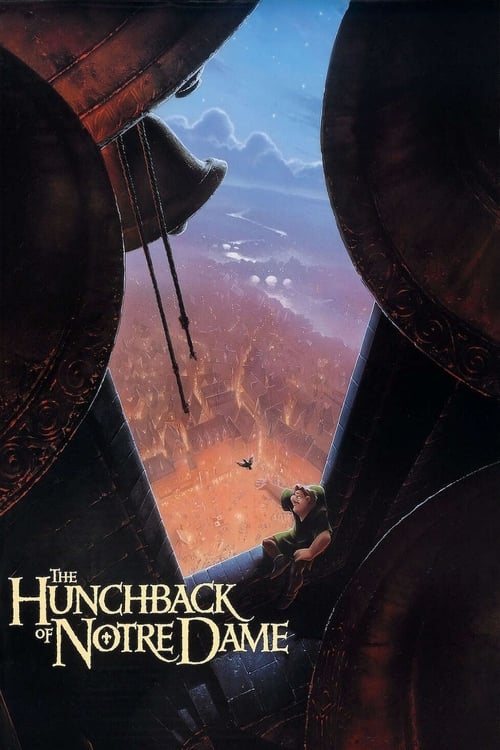
I remember sitting in a sticky theater seat in the summer of 1996, clutching a bucket of popcorn, and realizing within the first five minutes that this was not The Lion King. Most Disney films of the Renaissance era began with a "once upon a time" or a sunrise; The Hunchback of Notre Dame began with a chase through the dark streets of Paris, a mother’s neck being snapped on the steps of a cathedral, and a priest threatening a judge with the fires of Hell. It was a hell of an introduction for a seven-year-old.
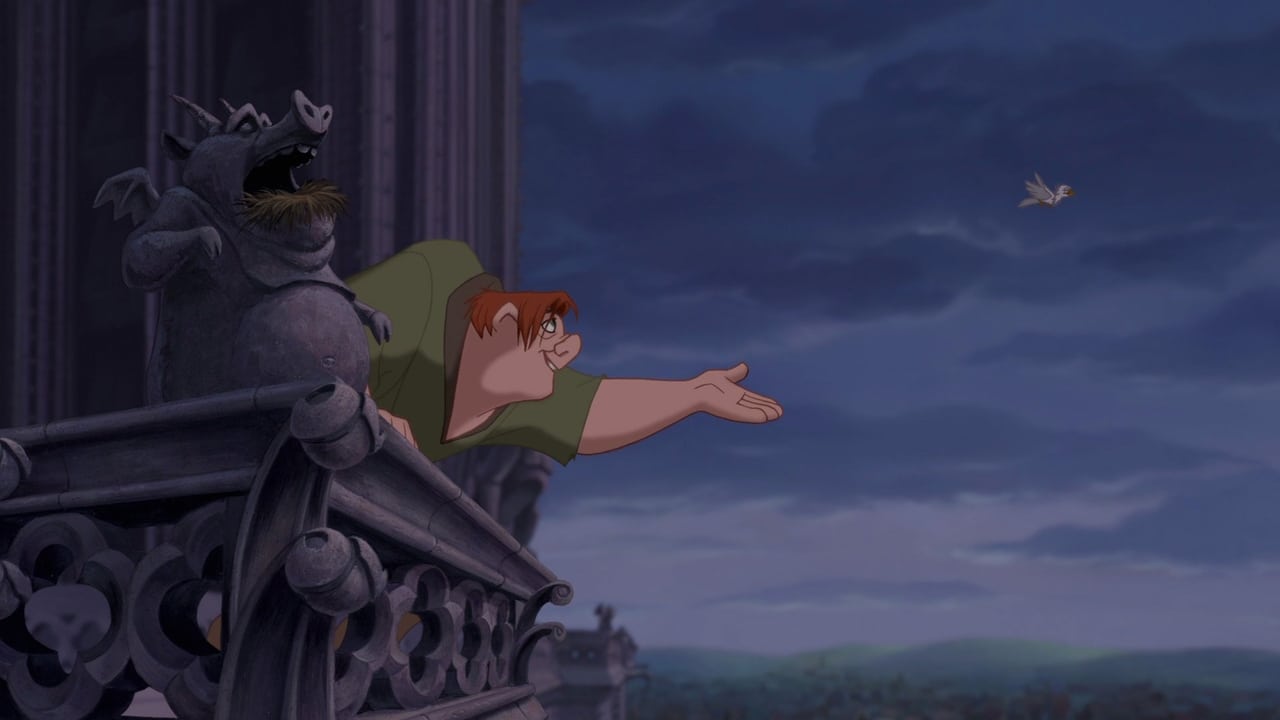
Looking back, it’s a miracle this movie exists in the form it does. We are talking about an era where Disney was the undisputed king of the box office, fueled by the "Disney Formula." Yet, Gary Trousdale and Kirk Wise—the duo who gave us Beauty and the Beast—decided to adapt Victor Hugo’s sprawling, miserable, and profoundly adult novel about social strata and religious hypocrisy. I recently rewatched it while my cat was determinedly trying to unlace my sneakers, and even with that distraction, the sheer audacity of this film is still staggering.
A Gothic Drama in a Cartoon World
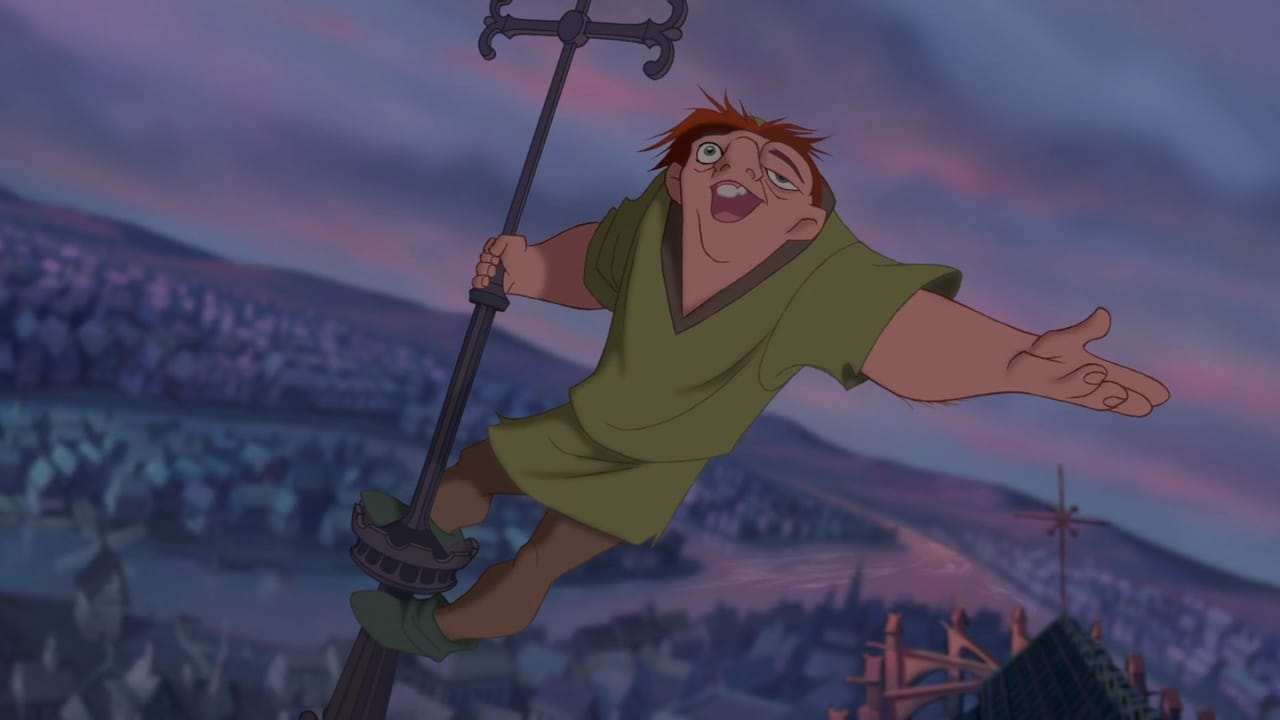
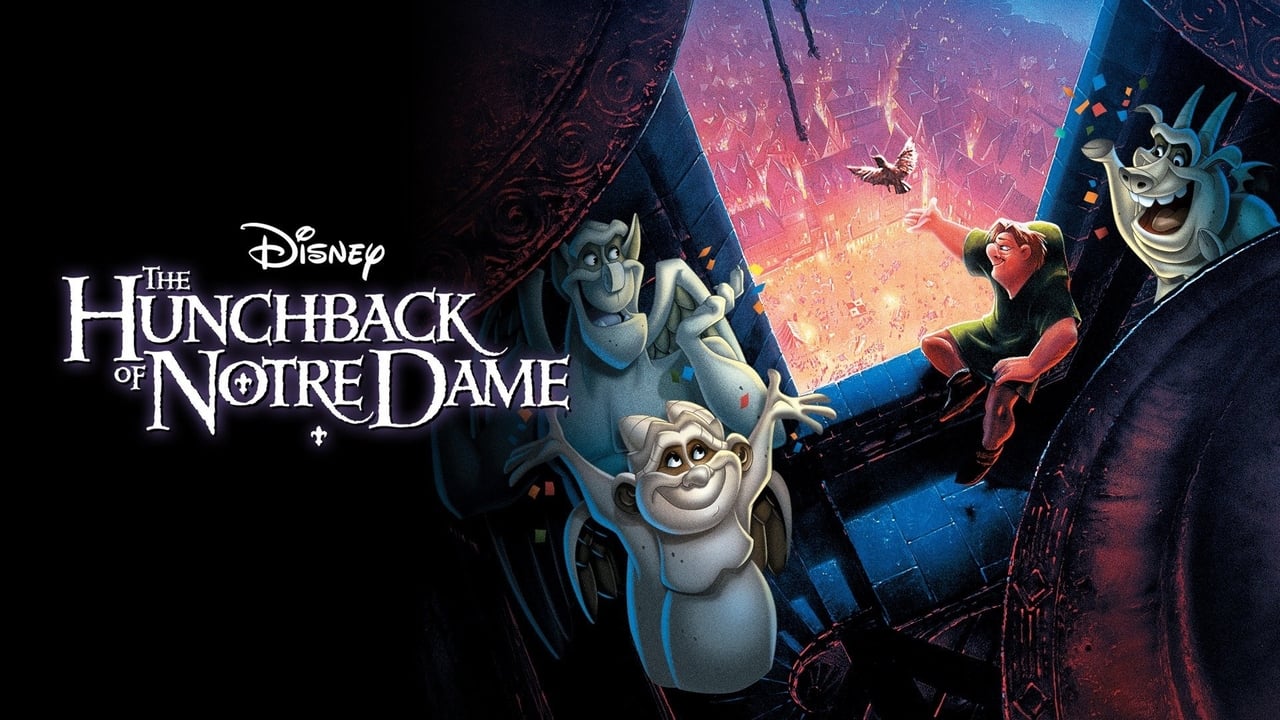
The film centers on Quasimodo, voiced with a heartbreaking, gentle vulnerability by Tom Hulce. He’s the isolated bell-ringer of Notre Dame, kept in the towers by Judge Claude Frollo, a man who views the world through a lens of cold, "strait-laced" cruelty. When Quasimodo finally dares to enter the world during the Festival of Fools, he’s publicly humiliated, only to be saved by Esmeralda (Demi Moore).
This is where the drama really takes root. Unlike many animated films of the 90s, the stakes here aren't just "good vs. evil" in a magical sense; they are ideological. Esmeralda isn't just a love interest; she’s a Romani woman fighting systemic oppression. Demi Moore gives her a smoky, weary strength that feels far more grounded than the typical "princess" archetype. Then there’s Phoebus, played by Kevin Kline, who brings a much-needed dry wit to the proceedings. He’s a soldier with a conscience, acting as the bridge between the high-society authority and the marginalized people of the Court of Miracles.
But we have to talk about the elephant in the cathedral: Claude Frollo. Tony Jay delivers what I consider the greatest vocal performance in the history of the medium. His voice is like velvet soaked in gravel, and he portrays Frollo not as a cartoon villain, but as a complex, self-loathing religious extremist. The "Hellfire" sequence, where he sings about his predatory obsession with Esmeralda while hooded figures in red robes rise from the floor, is the single most adult thing Disney has ever put on screen. It’s a psychological breakdown set to a Latin requiem mass.
The Scale of the Digital Revolution

This was the mid-90s, the peak of the CGI revolution’s "awkward teenage years." Disney was using the CAPS (Computer Animation Production System) to blend hand-drawn characters with digital environments. The scale here is massive. When the camera sweeps around the spires of Notre Dame or dives into the crowded streets of Paris, you can see the studio flexing its $100 million budget.
The digital crowds were groundbreaking for 1996. Before The Lord of the Rings gave us massive digital armies, Disney was using software to animate hundreds of individual Parisians in the background of the festival scenes. Looking back, you can see where the CGI doesn't quite "match" the hand-drawn foregrounds—the textures can look a bit flat by today’s 4K standards—but the ambition is undeniable. The directors used these tools to create a sense of verticality that makes the cathedral feel like a living, breathing character.
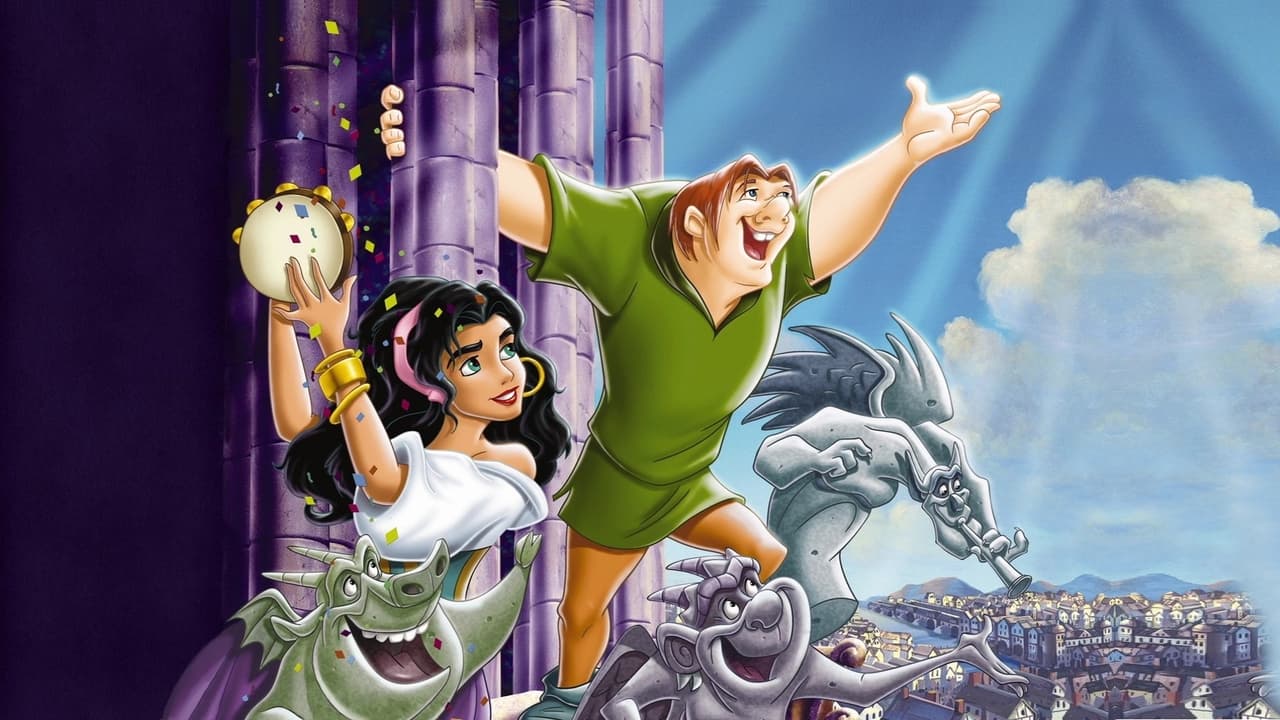
However, the film suffers from a bizarre tonal split. On one hand, you have a dark, operatic drama about genocide and lust. On the other, you have three wisecracking gargoyles—Victor (Charles Kimbrough), Hugo (Jason Alexander), and Laverne (Mary Wickes). I’ll say it: the gargoyles are a tonal car crash that nearly totals the movie. They belong in a completely different film, and their presence is clearly a studio-mandated "fun" injection to keep the kids from being too traumatized. Mary Wickes actually passed away during production, and Jane Withers had to step in to finish her lines, which adds a layer of bittersweet history to a character that otherwise feels like an annoying distraction.
The Legacy of the Bells
Despite the gargoyles, the film’s emotional core holds up remarkably well. It was a massive commercial success, raking in over $325 million worldwide, but it never quite achieved the "beloved" status of Aladdin or The Little Mermaid. I suspect that’s because it’s a difficult film to market to toddlers. You can't really make a happy meal toy out of religious persecution.
Watching it now, I’m struck by how much it captures the anxieties of the 90s—a world moving toward the millennium, grappling with identity and social justice. The score by Alan Menken is arguably his best work, swapping the calypso beats of The Little Mermaid for massive, booming pipe organs and choral arrangements.
It’s a film that dares to ask who the monster is and who the man is, and it doesn't always provide a comfortable answer. It’s messy, ambitious, and occasionally frustrating, but it represents a moment when Disney was willing to take a massive swing at something meaningful. I once tried to explain the plot of this movie to a guy at a bus stop who was wearing a bucket hat, and he just looked at me like I was reciting a fever dream. Maybe it is a fever dream, but it’s one worth having.
The film is a towering achievement in animation that is only slightly held back by its need to be a "family" movie. If you can look past the singing stones and focus on the incredible character work of Tony Jay and the soaring production design, you’ll find one of the most sophisticated dramas of the 1990s. It’s a film about the architecture of the soul, built with some of the best 2D animation ever put to cel. Just be prepared for the fact that the villain's main motivation is a mid-life crisis fueled by religious guilt and a fireplace.
Keep Exploring...
-
Beauty and the Beast
1991
-
Tarzan
1999
-
Atlantis: The Lost Empire
2001
-
The Prince of Egypt
1998
-
Shrek the Halls
2007
-

Pocahontas
1995
-
The Iron Giant
1999
-
Dinosaur
2000
-

Arthur Christmas
2011
-
The Lion King II: Simba's Pride
1998
-
Space Jam
1996
-
Anastasia
1997
-
Hercules
1997
-

A Bug's Life
1998
-
Mulan
1998
-

Toy Story 2
1999
-
Monsters, Inc.
2001
-
Shrek
2001
-
The Lion King
1994
-

Lilo & Stitch
2002