The Rock
"Welcome to the Rock. Hope you survive the tour."
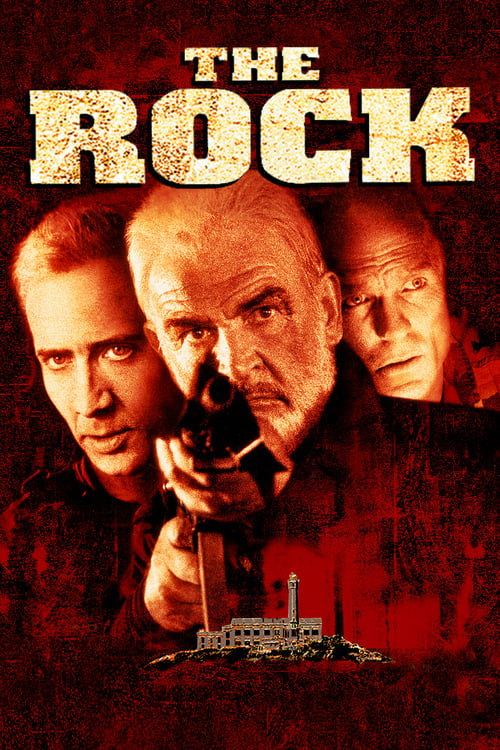
There is a specific shade of neon emerald that only exists in 1990s action cinema. It’s the glow of VX poison gas, shimmering inside glass pearls like some forbidden jewelry, and it represents a time when high-stakes blockbusters weren't afraid to get genuinely, uncomfortably grim. While it’s easy to dismiss the mid-90s as the era of "Bayhem," looking back at The Rock reveals a film that carries a surprisingly heavy soul beneath its layers of exploding Ferraris and snappy one-liners. It’s a movie that occupies a unique space in the transition from the analog grit of the 80s to the polished, digital spectacles of the 2000s, and it remains the high-water mark for the Don Simpson and Jerry Bruckheimer partnership.
The Tragedy of the High-Stakes Villain
Usually, a Michael Bay movie treats its antagonists as target practice. But Ed Harris, as Brigadier General Francis X. Hummel, brings a gravity to the screen that feels almost out of place in a film about breaking into a prison. Hummel isn't a megalomaniac looking for world domination; he’s a grieving commander who has seen too many of his men die in "black ops" missions, their families left with nothing but lies and a folded flag. When he takes over Alcatraz and points rockets at San Francisco, the film doesn't treat it as a cartoonish plot. There’s a palpable weight to his frustration.
I watched this most recently on a slightly warped DVD that I found at a thrift store, and I spent half the runtime distracted by a small coffee stain on my remote, yet even with that domestic annoyance, the intensity of the "shower room" scene remains devastating. The standoff between the Navy SEALs and Hummel’s Marines is a masterclass in tension. It’s not just about who shoots first; it’s the tragedy of "good" men being forced to kill each other over a political failure. The score by Hans Zimmer (with help from Nick Glennie-Smith and Harry Gregson-Williams) punctuates this perfectly, shifting from a heroic march to a mournful, rhythmic pulse that hammers home the cost of the conflict.
The Reluctant Chemist and the Professional Ghost
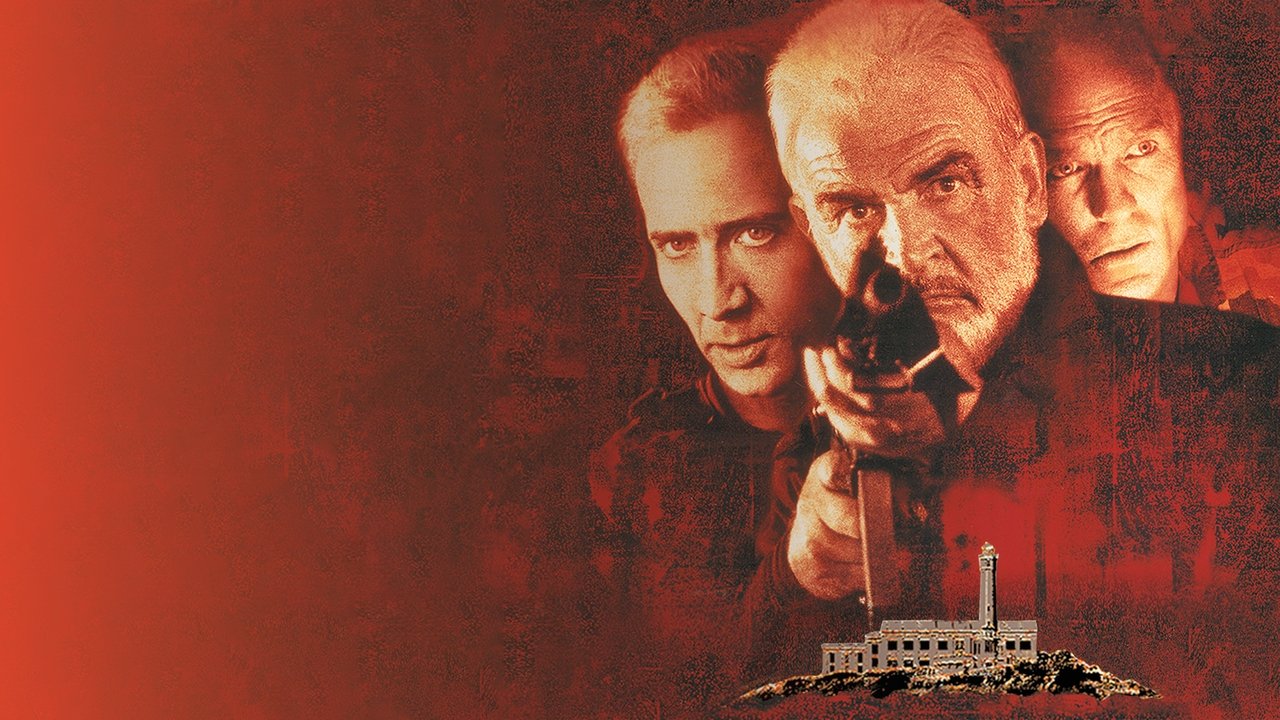
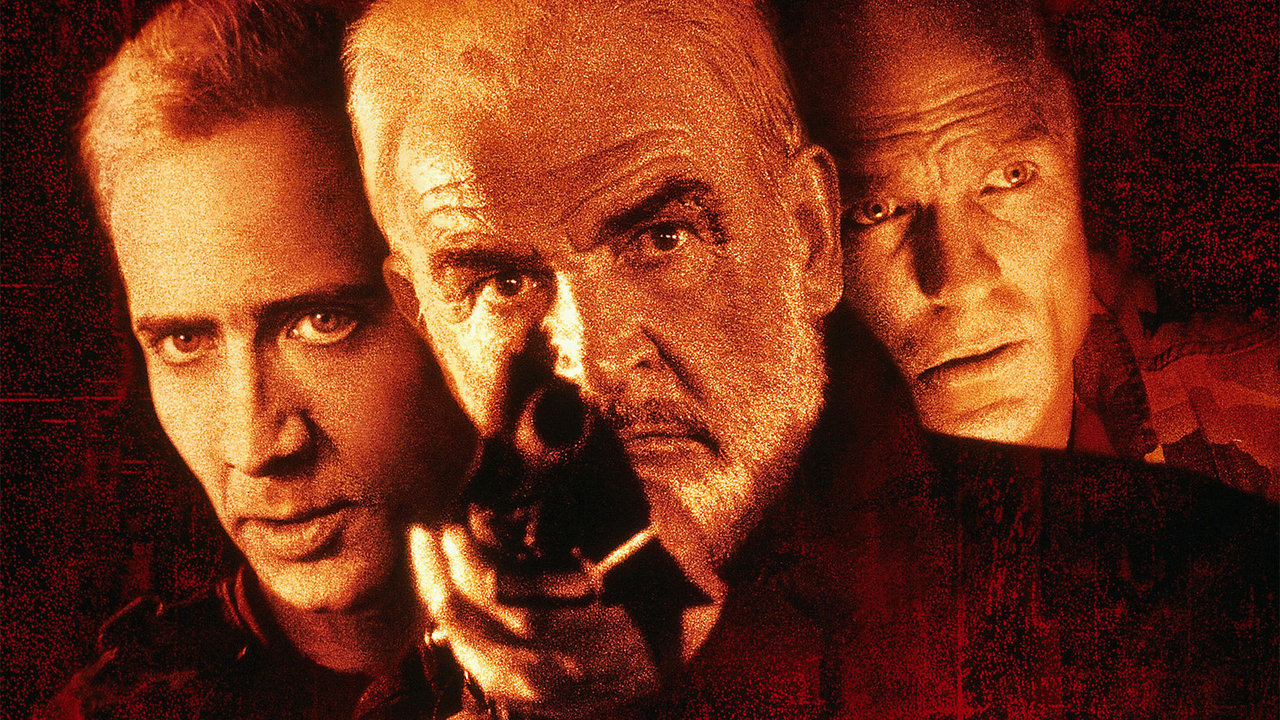
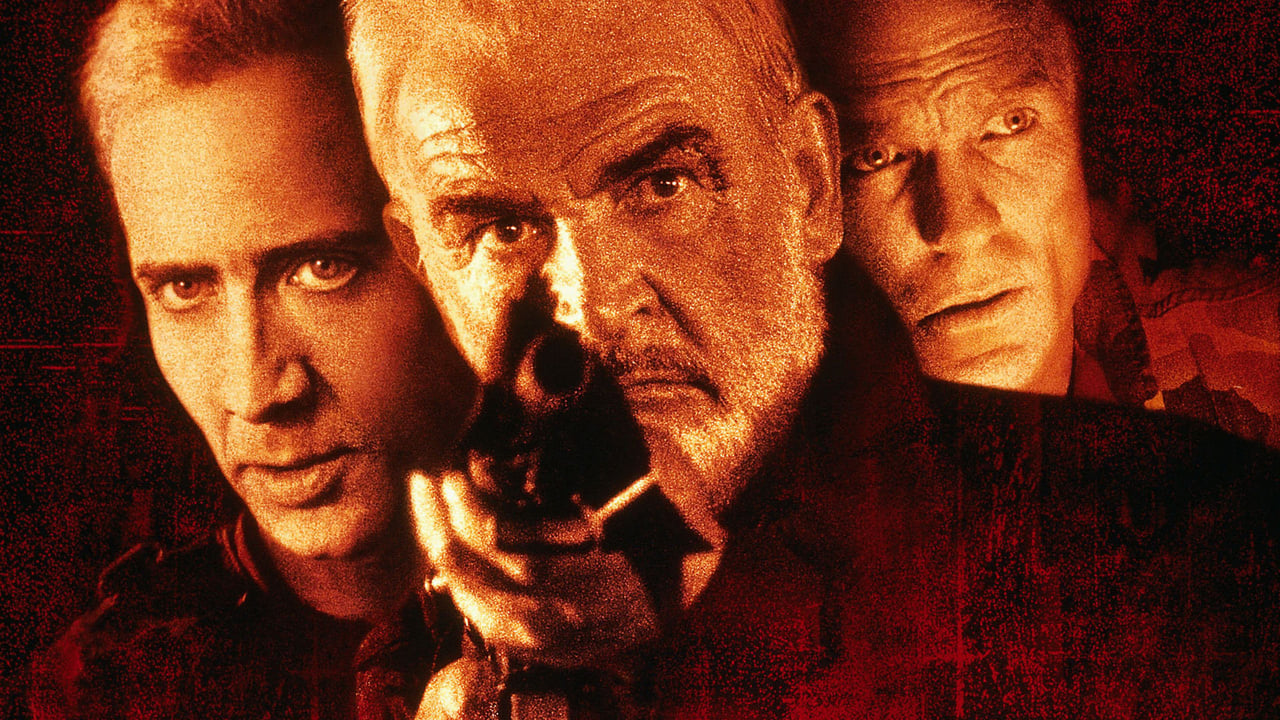
The heart of the film, however, lies in the bizarrely perfect chemistry between Nicolas Cage and Sean Connery. This was right at the beginning of Cage’s transformation into an action star, and he plays Dr. Stanley Goodspeed with a frantic, "I shouldn't be here" energy that provides a necessary foil to Connery’s John Mason. Cage actually pushed to make Goodspeed more eccentric, famously insisting on the character's love for high-end vinyl records and his refusal to use profanity (well, mostly). It’s a grounded performance in a movie that is frequently ungrounded.
Then there’s Sean Connery. For many of us, Mason is the unofficial final chapter of the James Bond saga. He’s a British intelligence officer who has been scrubbed from history, locked away for thirty years without a trial. Connery brings a weary, lethal elegance to the role. The Rock is effectively the only time Michael Bay accidentally stumbled into profound character work while trying to find new ways to flip a Humvee. The script had a lot of hands on it—uncredited polishes came from the likes of Quentin Tarantino and Aaron Sorkin—and you can feel that wit in the dialogue. When Mason tells Goodspeed, "Your 'best'! Losers always whine about their best," it’s more than just a cool line; it’s a collision of two different eras of masculinity.
A Masterclass in Practical Chaos
In terms of production, The Rock was a massive undertaking. With a budget of $75 million—which was a staggering amount in 1996—the film feels incredibly "big" because so much of it is real. The production actually filmed on Alcatraz Island, and the logistical nightmare paid off in every frame. Sean Connery famously didn't want to commute from the mainland every day, so he convinced the producers to build him a private cabin on the island so he could stay there overnight.
The action choreography, handled by Bay and second-unit directors, leans heavily into the physical. The San Francisco car chase is legendary for its destruction, involving real cars, real San Francisco hills, and a very real trolley car being obliterated. We’re watching this right as CGI was beginning to take over—Jurassic Park had happened three years prior—but The Rock stays rooted in practical effects. When a fireball chases Cage through a tunnel, it’s not a digital asset; it’s a massive propane rig. That tangibility gives the film a grit that modern green-screen action often lacks. It’s also worth noting that the film was a massive commercial juggernaut, raking in over $335 million worldwide and proving that the "high concept" blockbuster was still the king of the box office.
Ultimately, The Rock is the quintessential 90s thriller. It manages to be both a loud, proud popcorn flick and a surprisingly dark meditation on loyalty and betrayal. It doesn't offer easy answers to Hummel’s grievances, and it doesn't shy away from the horrific reality of the weapons at play. If you haven't visited Alcatraz lately, it’s time to go back. Just remember to bring your Beatles albums and a very steady hand for those green pearls.
Keep Exploring...
-
Armageddon
1998
-
Mission: Impossible
1996
-
Star Trek: First Contact
1996
-
The Island
2005
-
Die Hard: With a Vengeance
1995
-
Bad Boys
1995
-

The Matrix Reloaded
2003
-
Mission: Impossible - Ghost Protocol
2011
-

The Hunger Games
2012
-
Transformers
2007
-

Starship Troopers
1997
-
Casino Royale
2006
-

Skyfall
2012
-
The Hunt for Red October
1990
-
Cliffhanger
1993
-

Star Trek VI: The Undiscovered Country
1991
-
National Treasure: Book of Secrets
2007
-
Terminator 2: Judgment Day
1991
-
True Lies
1994
-

The Negotiator
1998