Thesis
"The camera is watching you watch."
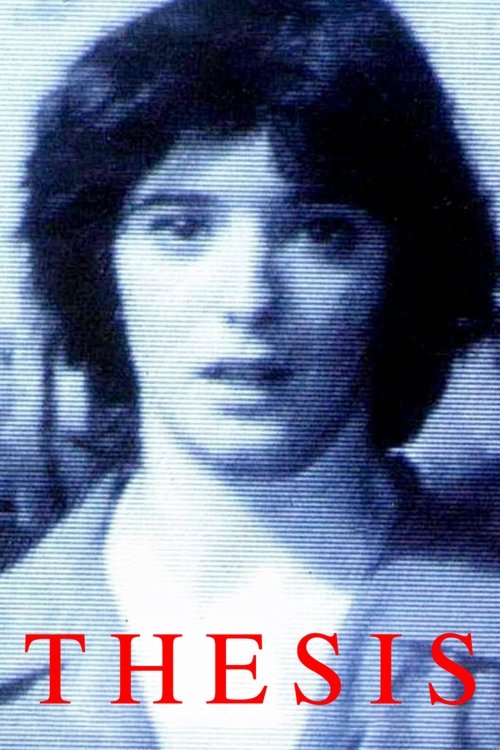
The opening scene of Thesis (or Tesis, if you want to be proper about it) features a man being hit by a train, but you don't see the impact. Instead, you see the reaction of a crowd held back by police, and specifically, the eyes of a young woman named Ángela. She is told not to look, yet she creeps closer, driven by a morbid, magnetic pull that defies common sense. It’s a perfect mission statement for the next two hours. Alejandro Amenábar isn't just making a thriller; he’s pointing a finger at us for paying for the ticket.
I first caught this one on a laptop with a dying battery while my neighbor's leaf blower provided a constant, buzzing drone that weirdly synced up with the industrial hum of the film's score. It didn't ruin the experience; if anything, the annoyance of the real world made the claustrophobia of the screen feel even more invasive. This is a film that wants to get under your skin and stay there, nestled right next to your worst impulses.
The Analog Dread of the Nineties
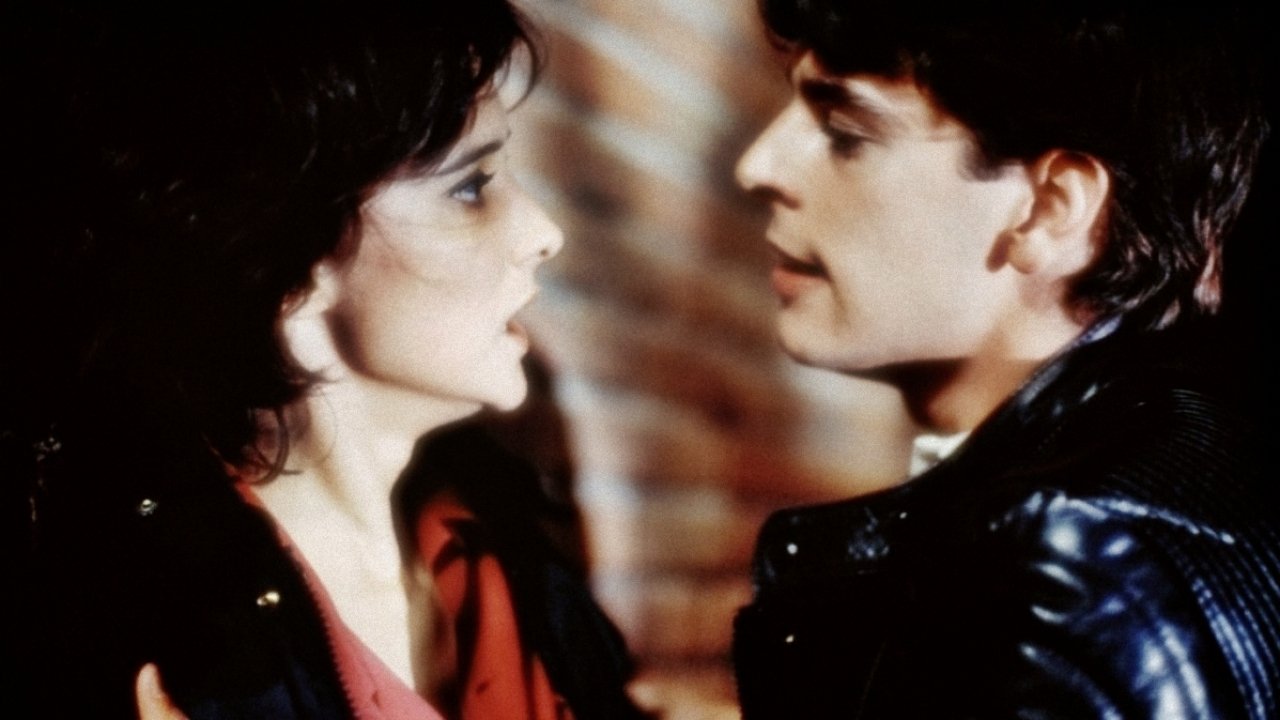
Released in 1996, Thesis arrived at a very specific moment in our technological evolution. We were moving away from the grainy, tactile mystery of VHS and toward the clean, cold certainty of digital. Amenábar, who was a preposterous 23 years old when he directed this, leans heavily into the "video nasty" paranoia of the era. The plot follows Ángela (Ana Torrent), a film student researching a thesis on audiovisual violence. She soon finds herself in possession of a tape that isn't a Hollywood prop—it’s a real snuff film featuring a missing student from her own department.
What makes the film work isn't the gore (which is surprisingly restrained, opting for sound and suggestion over splatter) but the environment. The Complutense University of Madrid is shot like a brutalist labyrinth. The basement archives are dark, damp, and filled with the mechanical whirring of tape decks. Looking back, there’s a wonderful irony in a movie about the dangers of looking being so visually arresting. Amenábar—who also composed the nerve-jangling score—understands that a creaking door or a sudden silence is worth more than ten jump scares.
A Trio of Troubled Souls
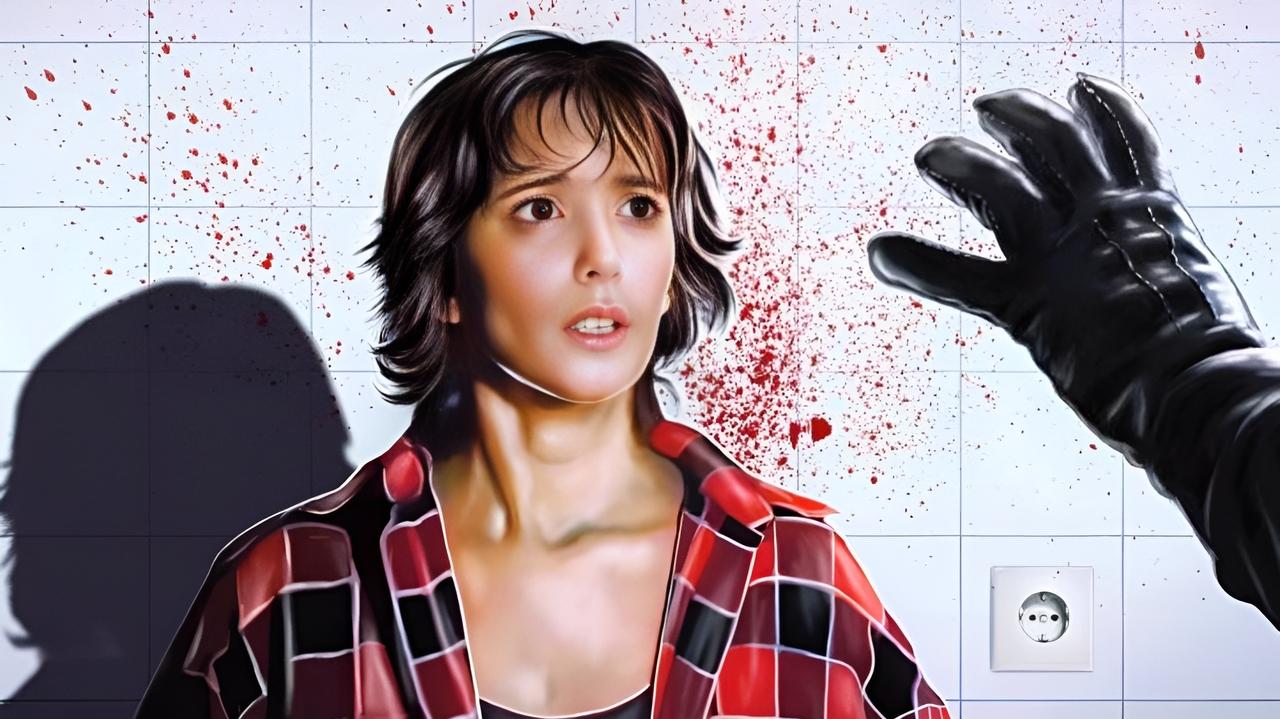
The heart of the film is the dynamic between three characters who couldn't be more different. Ana Torrent, who cinema nerds will recognize as the wide-eyed child from the 1973 classic The Spirit of the Beehive, brings a weary, intellectual curiosity to Ángela. She’s not your typical slasher victim; she’s proactive, even when her choices are dangerously stupid.
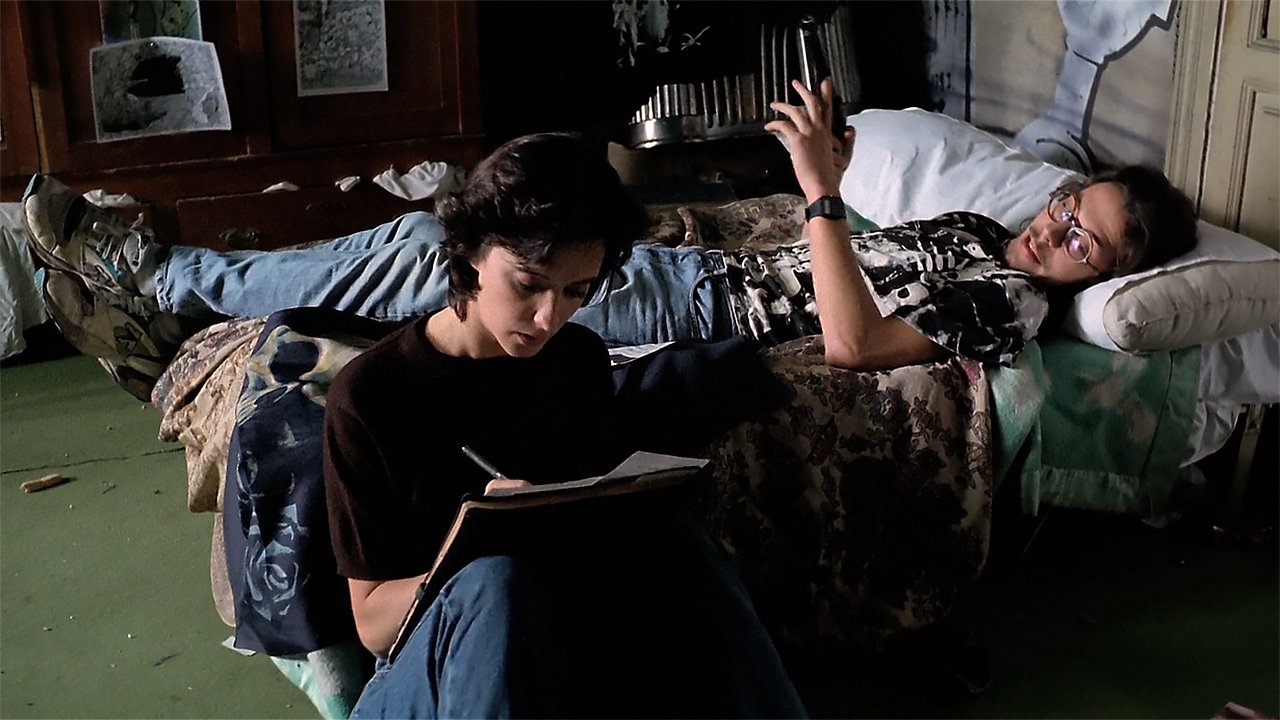
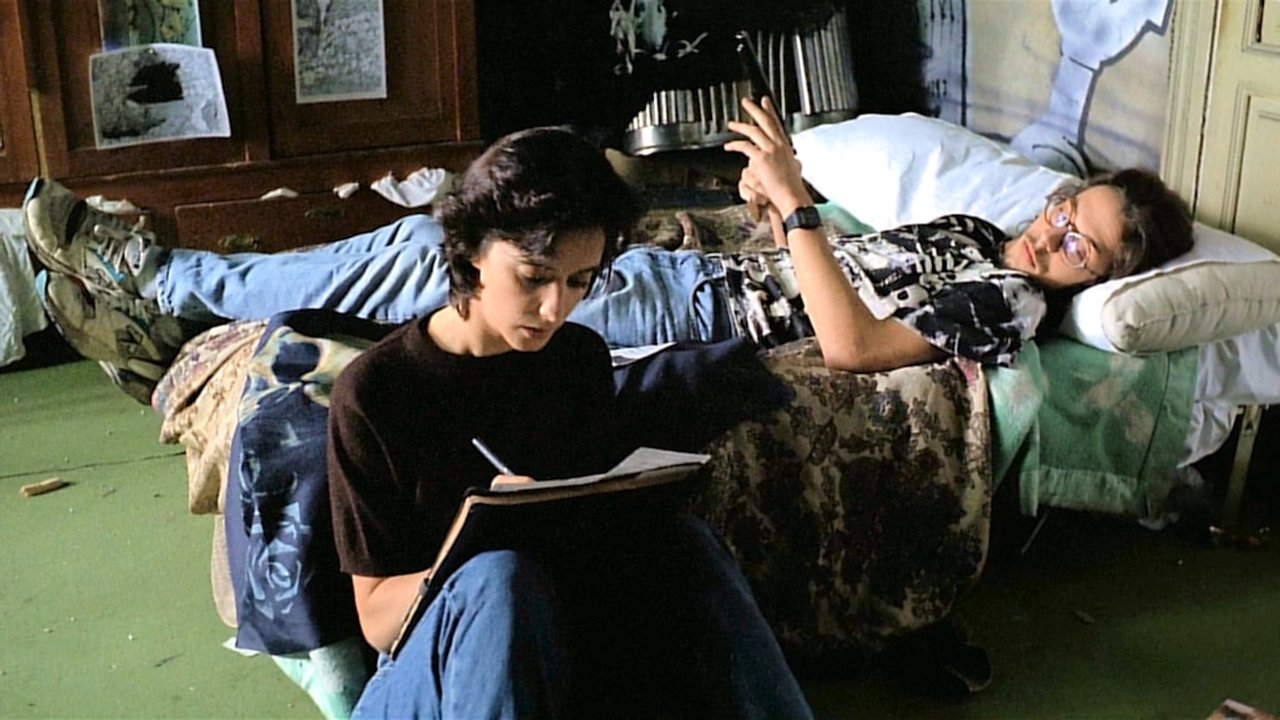
Then there’s Chema, played with magnificent, greasy energy by Fele Martínez (who later appeared in Almodóvar's Bad Education). Chema is the guy every film school has: the horror-obsessed outcast with a room full of banned tapes and a cynical worldview. He’s the "expert" on violence, but he’s also the film’s moral compass, albeit a very stained one. Ángela isn't just a victim; she’s a voyeuristic junkie who treats human suffering like a library rental, and Chema is the only one honest enough to call her out on it.
Contrasting Chema’s filth is Bosco, played by Eduardo Noriega (The Devil's Backbone). Bosco is handsome, rich, and terrifyingly charismatic. He’s the guy everyone wants to be or be with, which makes him the perfect vessel for the film's exploration of the "banality of evil." The tension between these three—the scholar, the freak, and the golden boy—drives the mystery far more than the search for the camera man does.
Stuff You Didn't Notice
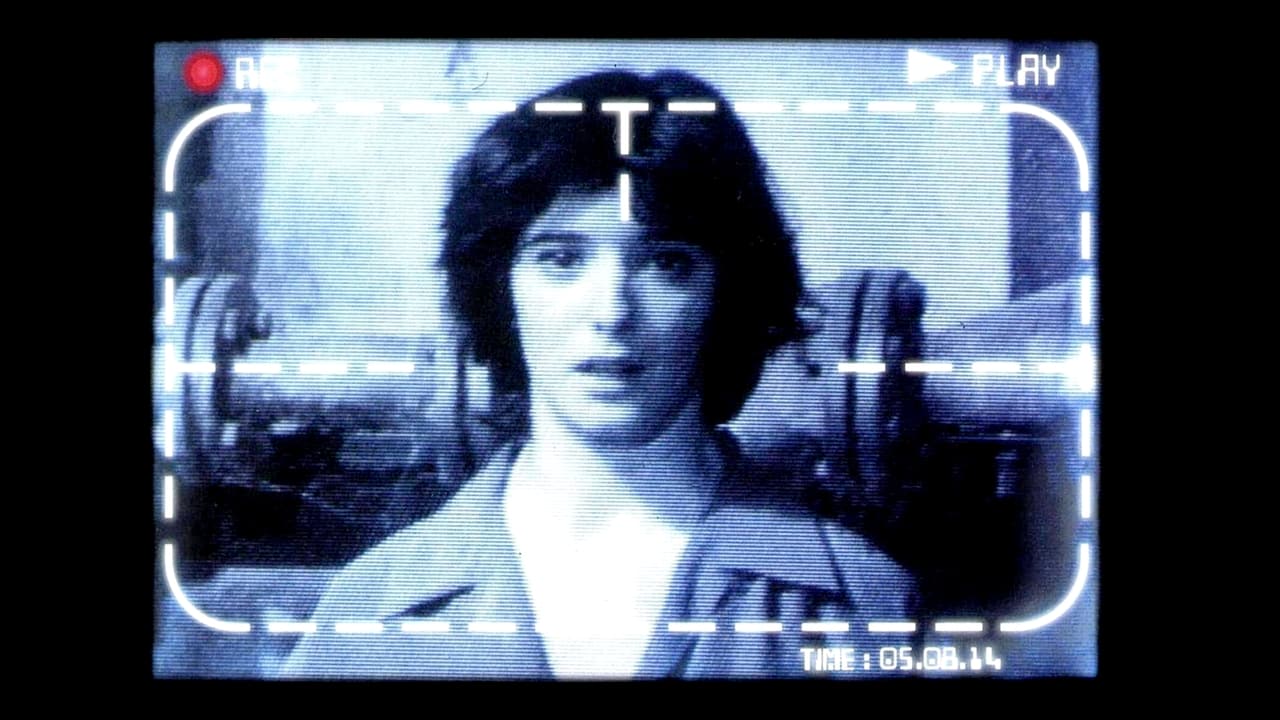
One of the coolest details about Thesis is how much it was a "student film" that escaped the lab. Amenábar actually filmed it at his own university, and many of the extras were real students who probably had no idea they were part of a future Goya Award-winning masterpiece. Apparently, the director even used the names of some of his actual professors for the characters, which is the ultimate "middle finger" to the academic establishment if I've ever seen one.
The film also predates the big-budget American take on this subject matter—Joel Schumacher’s 8mm—by three years. While the Hollywood version felt like a slick, judgmental sermon, Thesis feels like a confession. It doesn't pretend to be above the violence it depicts. It acknowledges that there is a part of the human brain that wants to see the train wreck, even when the conductor is screaming at us to turn away.
Looking back from the era of high-definition streaming, the chunky VHS tapes in Thesis feel like ancient artifacts. But the core anxiety—the idea that our screens are windows into the darkest corners of the human soul—has only become more relevant. In the 90s, you had to go into a basement to find the "forbidden" footage. Now, it’s in everyone’s pocket. Amenábar saw that coming, and he captured that transition with a confidence that most directors don't achieve in a lifetime.
This isn't just a great Spanish film; it’s one of the most effective thrillers of the 1990s, period. It manages to be intellectually stimulating while still making you want to check the locks on your front door. If you can handle a movie that asks why you're watching it while simultaneously giving you exactly what you want, Thesis is essential viewing. Just try to watch it in a room that doesn't smell like damp laundry.
Keep Exploring...
-
The Others
2001
-
Open Your Eyes
1997
-

The Devil's Backbone
2001
-
Sleep Tight
2011
-
Inland Empire
2006
-
Thirst
2009
-
Take Shelter
2011
-
From Dusk Till Dawn
1996
-
Funny Games
1997
-
Ring
1998
-
Sleepy Hollow
1999
-
The Sea Inside
2004
-
Candyman
1992
-

Stir of Echoes
1999
-

The Gift
2000
-

Ginger Snaps
2001
-
The Orphanage
2007
-
The Skin I Live In
2011
-
Agora
2009
-
Barton Fink
1991