Trainspotting
"A high-speed collision with the bottom of the barrel."
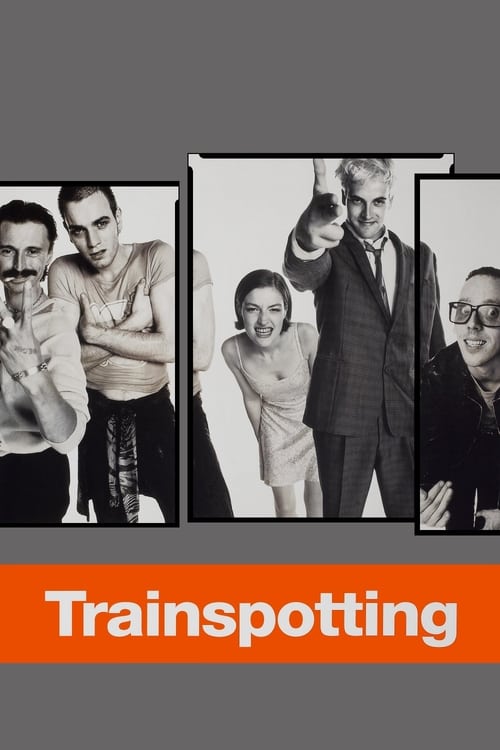
The mid-90s were supposed to be about "Cool Britannia," Oasis at Knebworth, and the shiny optimism of a pre-millennium pop explosion. Then Danny Boyle kicked the door down and showed us the vomit on the floor. I watched this again recently on a grainy 20-inch CRT TV while sitting on a beanbag chair that was leaking polystyrene beads, and honestly, the physical discomfort of the furniture felt like the only correct way to experience the grimy, beautiful, and utterly harrowing world of Mark Renton.
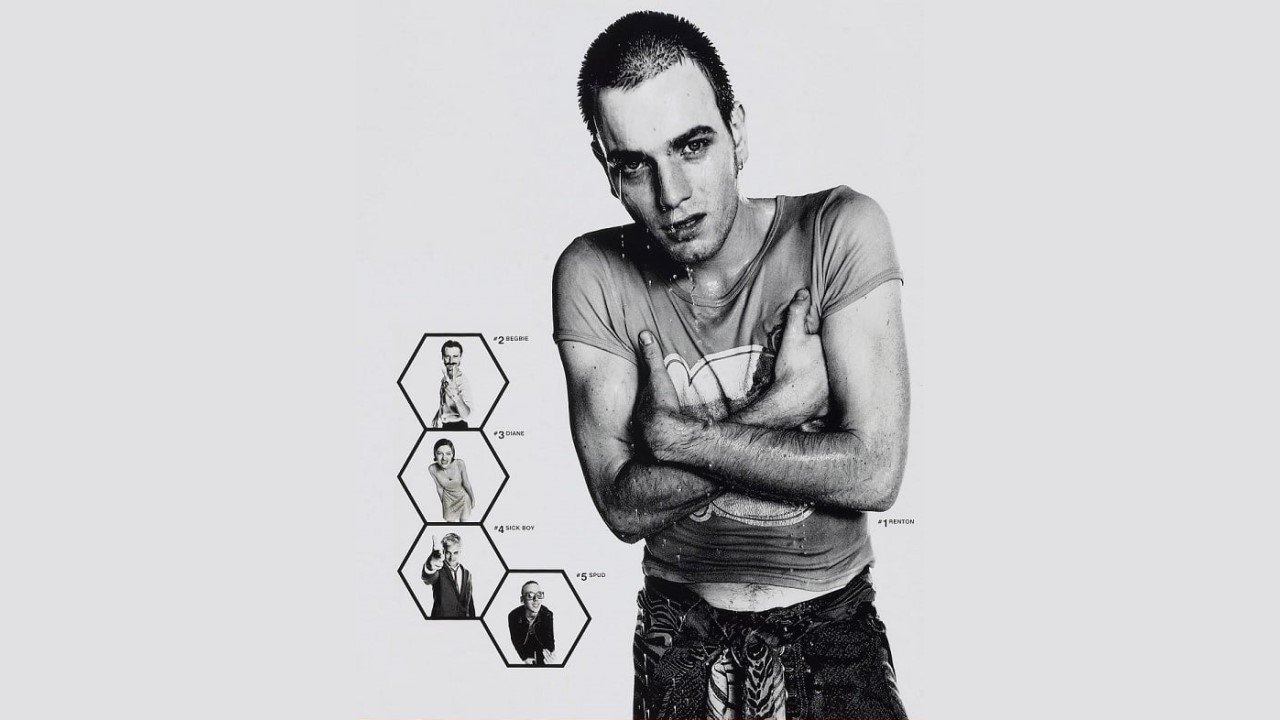
Trainspotting didn't just arrive in 1996; it erupted. It took the gritty "kitchen sink" drama tradition of British cinema and injected it with a dose of pure, uncut adrenaline. Looking back from an era where independent films are often neatly packaged for streaming algorithms, it’s hard to overstate how dangerous this movie felt. It wasn't just a movie about drugs; it was a movie that moved like a drug—rushing, soaring, and then crashing into a cold, sweat-soaked reality.
The Geography of Despair
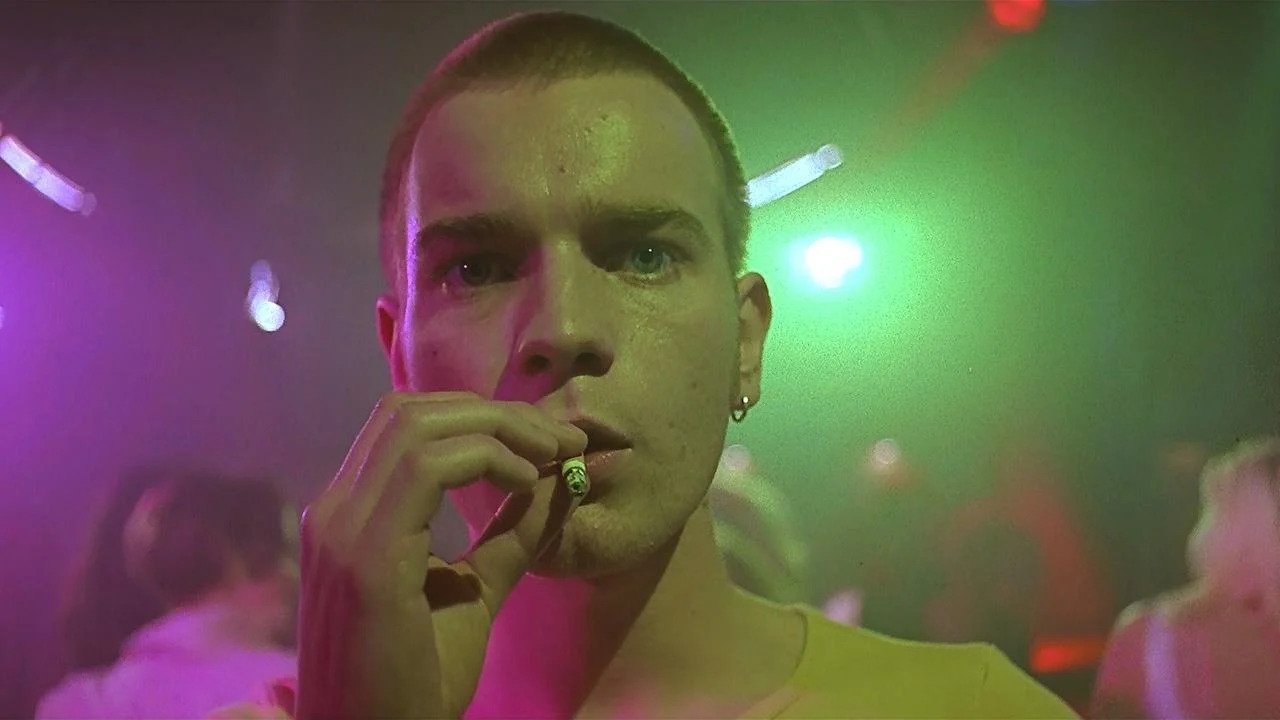
At its heart, the film is a character study of a group of "friends" who are only held together by a shared zip code and a mutual need for the next fix. Ewan McGregor, in a performance that launched him into the stratosphere, plays Renton with a mix of wiry intelligence and pathetic vulnerability. He’s our guide through the "Worst Toilet in Scotland," and despite his questionable morals, I couldn't help but root for him to find the exit.
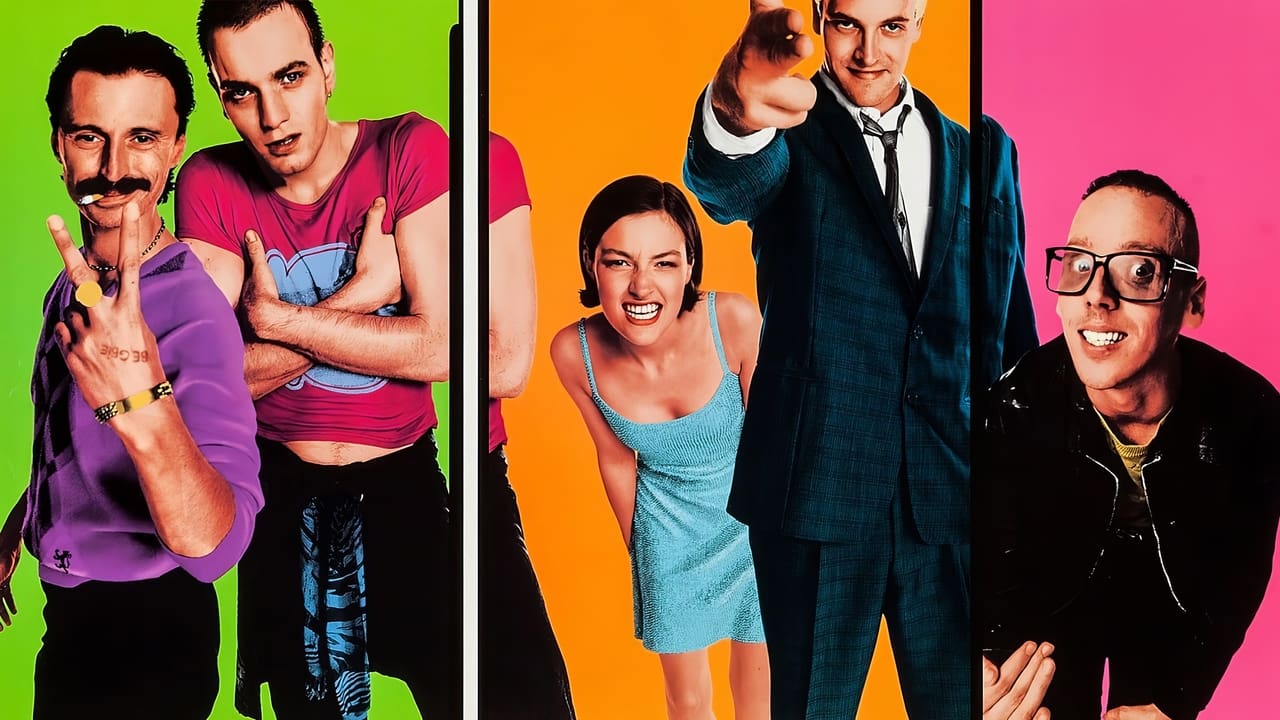
The ensemble is a miracle of casting. You have Ewen Bremner as Spud, the beating, clumsy heart of the group; Jonny Lee Miller as Sick Boy, the Sean Connery-obsessed pseudo-intellectual; and Kevin McKidd as Tommy, the tragic moral compass who pays the highest price for his curiosity. Then, there is Robert Carlyle as Begbie. Carlyle’s Begbie looks like a mustache that grew a terrifying human around it. He doesn’t do drugs because he is his own chemical imbalance, a walking powder keg of "hard-man" insecurities that makes the heroin addicts look stable by comparison.
Danny Boyle and his cinematographer, Brian Tufano, made the inspired choice to treat Edinburgh (and the London of the final act) not as a postcard, but as a surrealist playground. The colors are often sickly—yellows and browns that make you want to wash your hands—but the camera is never static. It’s a film that understands that addiction is often about the frantic, boring space between the highs.
The Prestige of the Gutter
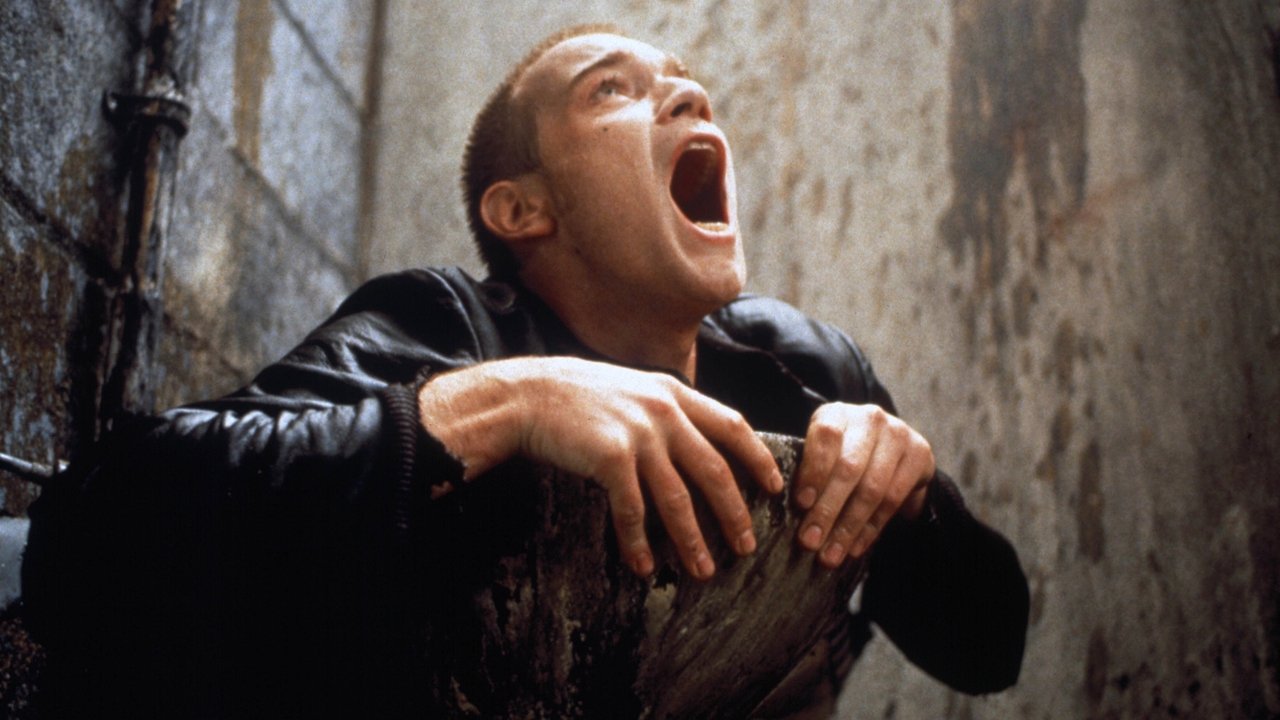
While it was a massive box office success (turning a $4 million budget into over $70 million), Trainspotting was also a darling of the high-brow circuit. It’s a rare beast: a "prestige" film that smells like a pub carpet. John Hodge’s screenplay, which earned an Academy Award nomination, is a masterclass in adaptation. He took Irvine Welsh’s episodic, phonetic, and arguably "unfilmable" novel and gave it a narrative spine without losing the jagged edge of the dialogue.
The film didn't just win over the Academy; it dominated the BAFTAs, taking home Best Adapted Screenplay and the Alexander Korda Award for Best British Film. It was the centerpiece of the "Indie Film Renaissance" of the 90s, proving that you didn't need a massive budget to create a cultural earthquake. Much of this is due to the work of producer Andrew Macdonald, who helped navigate the film's controversial reception. At the time, critics like Bob Dole (who hadn't even seen it) accused the film of "glamorizing" heroin. I’ve always found that take hilarious; if seeing a man dive into a feces-filled toilet to recover a pair of suppositories is "glamorizing," we have very different definitions of a good time.
The Dark Reality and the Choice

For all its stylistic flourishes and the legendary soundtrack—which used Underworld’s "Born Slippy" to define a generation—the film never flinches from the darkness. The "Dark/Intense" label isn't just for show here. The sequence involving the neglect of a child is one of the most devastating moments in 90s cinema. It’s the point where the fun stops, the music dies, and the moral weight of their "lifestyle" finally crushes the room.
The film’s moral ambiguity is what makes it stick to your ribs. Renton isn't a hero, and his final choice is a betrayal, yet Sick Boy is the only character who actually understands the 21st century—he knows that everyone is eventually a "used-to-be," and the only way to survive is to look out for number one.
The trivia surrounding the production adds to its mythos. Ewan McGregor famously lost 26 pounds to achieve Renton’s skeletal look, while the "Worst Toilet" was actually covered in various types of chocolate that apparently smelled quite delicious despite looking like a nightmare. It’s also worth noting that Kelly Macdonald, who plays Diane, was a total newcomer discovered through a flyer—bringing a much-needed sense of grounded, cynical reality to Renton’s chaotic life.
Trainspotting remains a towering achievement because it refuses to offer easy answers or a comfortable ending. It’s a film about the paralyzing fear of being ordinary, wrapped in the terrifying thrill of being a disaster. It captured a very specific British anxiety at the turn of the millennium, but its themes of addiction, friendship, and the crushing weight of "choosing life" feel just as sharp today. If you haven't seen it, prepare to feel a bit sick, a bit thrilled, and entirely moved. Just maybe skip the oatmeal before the toilet scene.
Keep Exploring...
-
T2 Trainspotting
2017
-
Shallow Grave
1994
-

Requiem for a Dream
2000
-
The Silence of the Lambs
1991
-
Carlito's Way
1993
-

Léon: The Professional
1994
-
The Shawshank Redemption
1994
-
Casino
1995
-
Heat
1995
-
The Usual Suspects
1995
-
Fargo
1996
-
L.A. Confidential
1997
-
The Green Mile
1999
-
City of God
2002
-
Memories of Murder
2003
-

Trance
2013
-
GoodFellas
1990
-
Naked Lunch
1991
-
Bad Lieutenant
1992
-
The Basketball Diaries
1995