Tremors 2: Aftershocks
"Evolution just got a whole lot noisier."
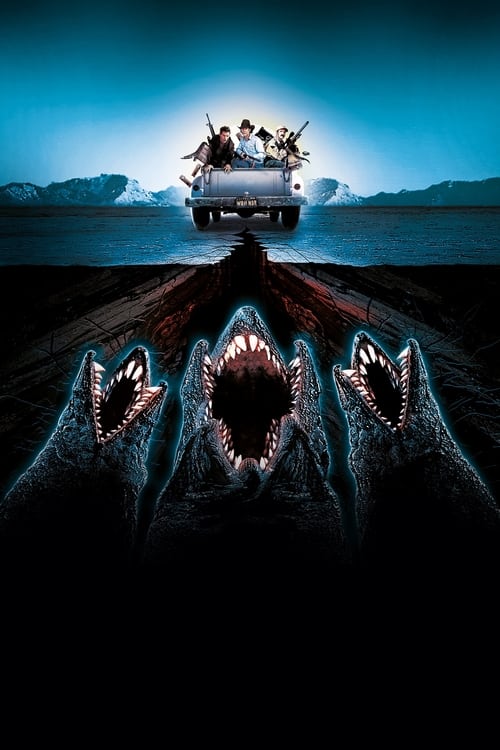
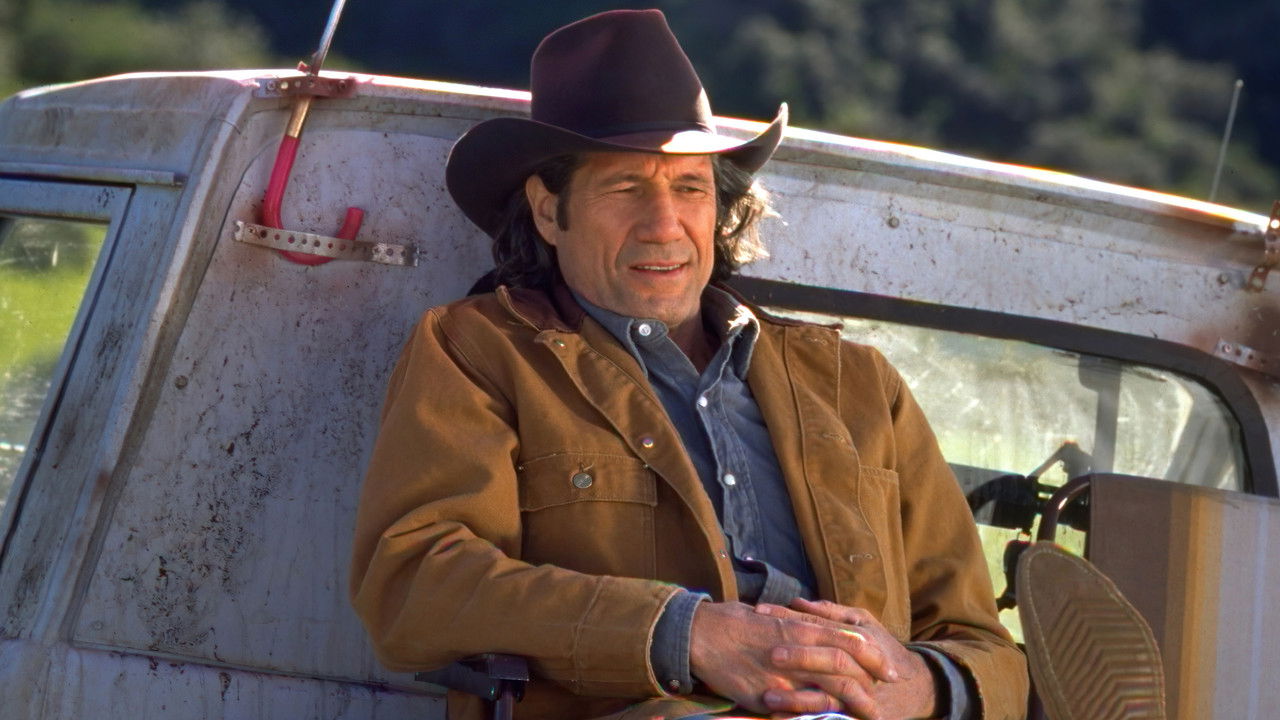
There is a specific kind of dignity in the way Fred Ward wears a distressed baseball cap. As Earl Bassett, he doesn't look like a movie star; he looks like a guy who’s spent the last six years trying to figure out how to monetize a disaster and failing miserably. When we find him at the start of Tremors 2: Aftershocks, he’s living on a failing ostrich farm, surrounded by cardboard cutouts of himself and boxes of "Graboid" brand merchandise that no one wants to buy. It’s a wonderfully grounded way to reintroduce a hero, acknowledging that defeating giant underground worms doesn't necessarily result in a lifelong pension and a beach house.
I watched this again on a Tuesday night while eating a bag of slightly stale Nacho Cheese Doritos, and honestly, the crunch of the chips paired perfectly with the dusty, desert-baked aesthetic of the film. It’s the kind of movie that demands a snack that leaves orange dust on your fingers.
Desert Heat and Scrappy Sequels
Released in 1996, Aftershocks arrived during that fascinating transitional period for home video. Big-budget sequels were for theaters, but the direct-to-video market was beginning to thrive as a space for "cult" continuations. Usually, that meant a massive drop in quality, but director S.S. Wilson (who co-wrote the original) clearly had too much affection for this world to let it slide into the bargain bin abyss.
While Kevin Bacon famously declined to return (he was busy with Apollo 13 and Sleepers), Fred Ward carries the mantle with a weary, blue-collar charm. He’s joined by Chris Gartin as Grady Hoover, the "Val" replacement. While Gartin has the unenviable task of filling Bacon’s boots, he plays the over-eager fanboy role with enough earnest energy that you eventually stop wishing for a cameo. The chemistry isn't lightning-in-a-bottle like the first film, but it’s the cinematic equivalent of a perfectly cooked hot dog—unpretentious, familiar, and exactly what you ordered.
The plot sends Earl to Mexico, hired by an oil company to clear out a Graboid infestation. The $4 million budget—a fraction of the original's—forced the production to get creative. They used the same handful of locations in California (doubling for Mexico) and focused on character-driven humor to bridge the gaps between the monster attacks.
Evolution of the Beast
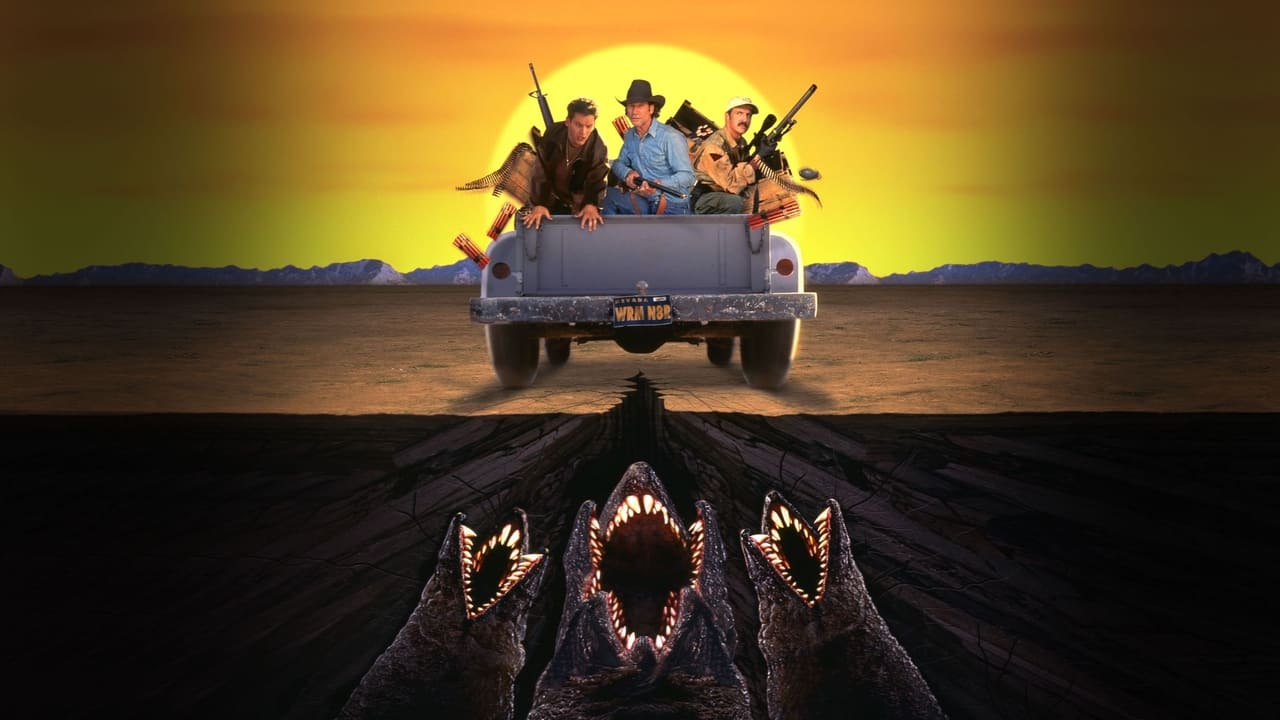
The real genius of Aftershocks is how it handles the "Shriekers." About halfway through, the Graboids stop being underground worms and start birthing bipedal, heat-seeking monsters. It was a risky move—changing the rules of a monster movie can often alienate the audience—but here, it works because it raises the stakes.
Looking back, the Shriekers are a perfect snapshot of mid-90s special effects. This was the era where the "CGI Revolution" started by Jurassic Park was trickling down to mid-budget productions. The film uses a mix of practical puppets designed by Tom Woodruff Jr. and Alec Gillis (of Amalgamated Dynamics) and early digital animation from Phil Tippett's studio. The CGI Shriekers have that distinct, slightly weightless jitter of the Windows 95 era, but because they’re mostly shown in broad daylight, the ambition is admirable. The practical puppets, however, still look fantastic. There’s a tactile grossness to the Shriekers when they’re on screen in physical form that modern digital creatures often lack.
The Gospel According to Burt Gummer
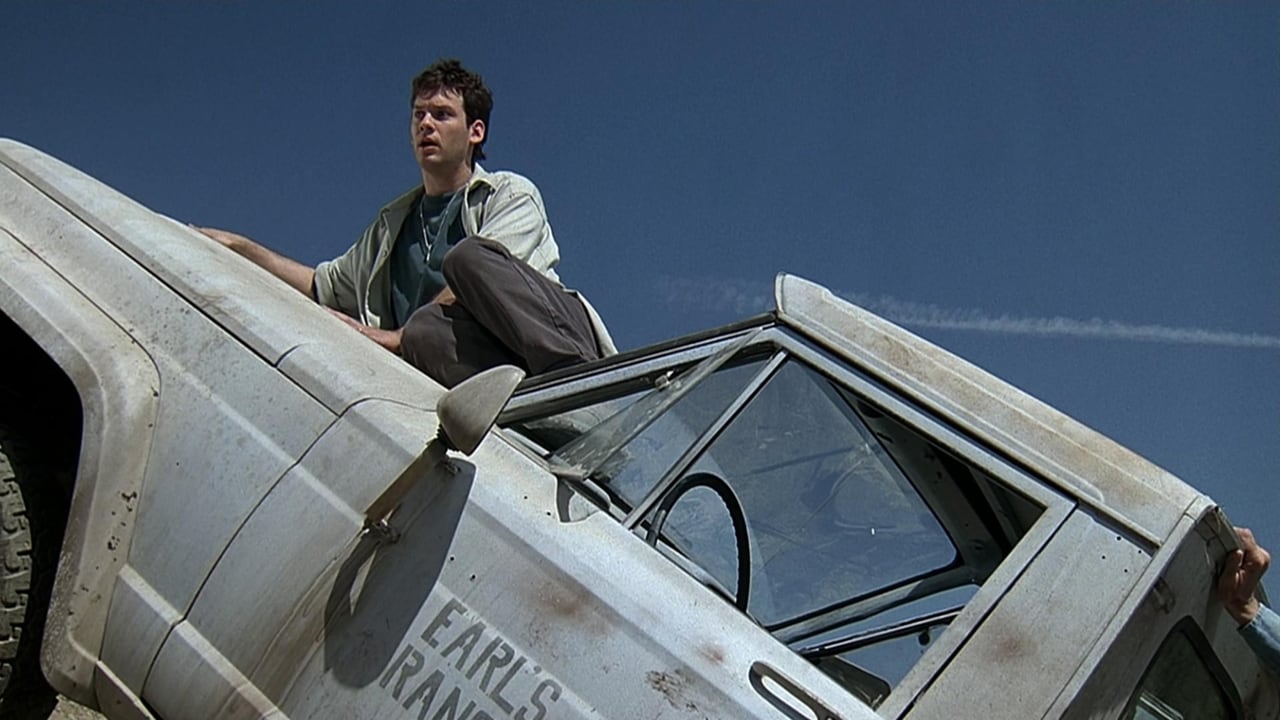
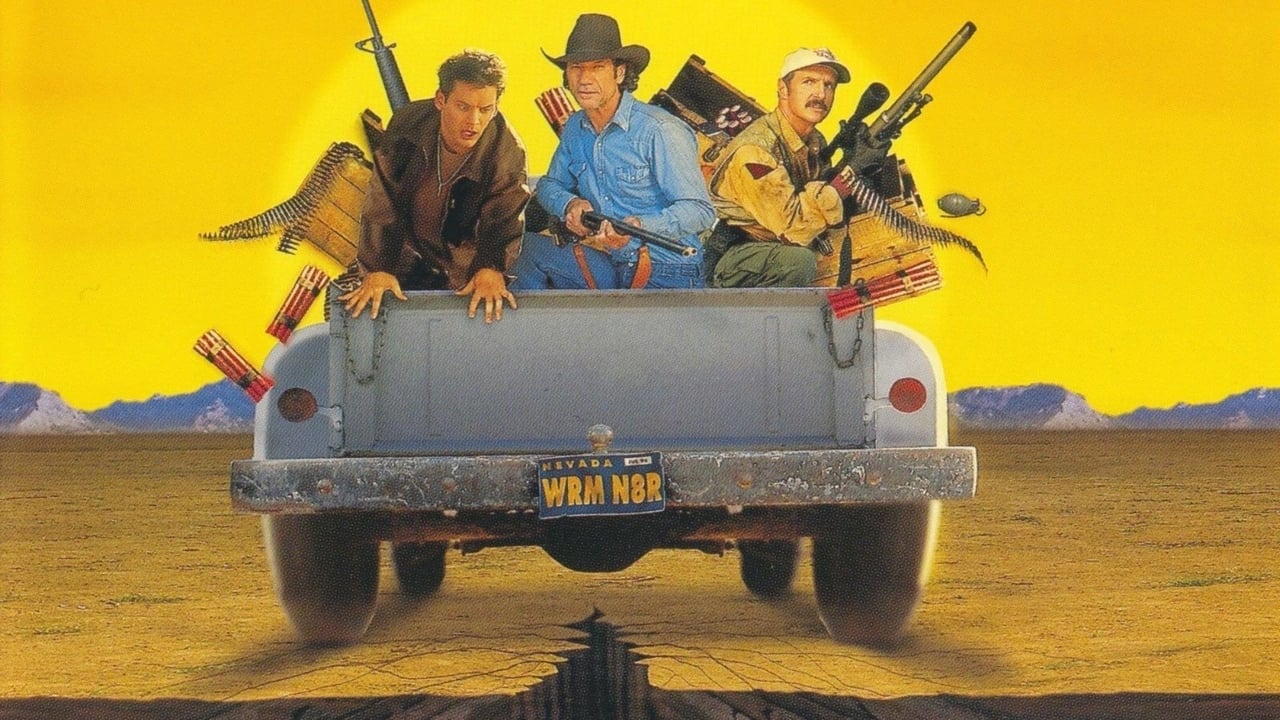
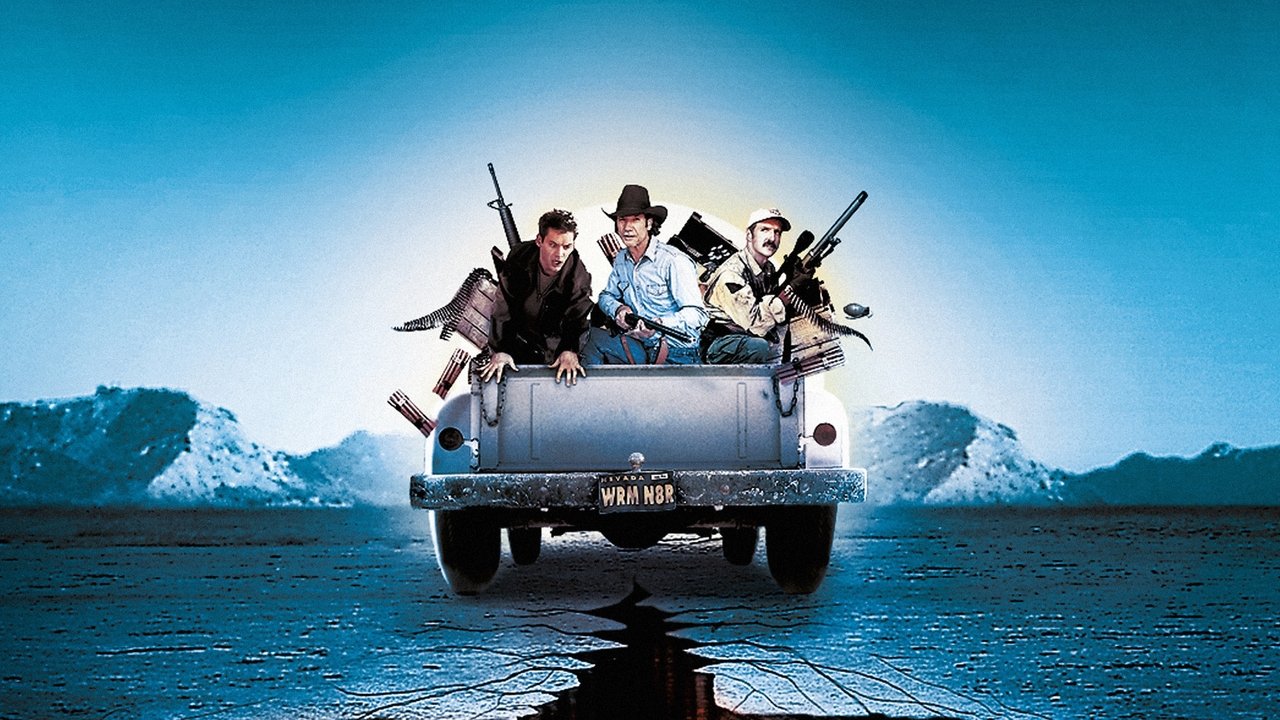
If Earl is the soul of the movie, Michael Gross's Burt Gummer is the high-octane fuel. Bringing Burt back was the smartest move the writers made. By the time he rolls into the Mexican desert in a truck loaded with enough high-explosives to level a small country, the movie shifts into another gear entirely.
Burt is the quintessential 90s survivalist parody, but Michael Gross plays him with such terrifying sincerity that he becomes the franchise's MVP. His "Doing what I can with what I've got" monologue after he accidentally levels a warehouse is a masterstroke of comedic timing. It’s here that the Tremors formula really solidified: it’s not just a horror-comedy; it’s a "competence porn" movie where blue-collar people use logic and hardware to outsmart nature.
Interestingly, the production was so tight on cash that they had to reuse the Graboid puppets from the first film, which were literally rotting in storage. The crew had to patch them together with duct tape and fresh latex just to get them back in the ground. That kind of "make-do" attitude mirrors the characters on screen, giving the whole project a scrappy, underdog energy that’s infectious.
Tremors 2: Aftershocks is a rare specimen: a sequel that understands why the original worked while being brave enough to evolve the mythology. It captures that specific 1990s optimism where a smaller budget didn't mean a lack of imagination. It doesn't have the "A-movie" polish of its predecessor, but it has a massive heart and enough explosive practical effects to keep any creature-feature fan happy. It's a reminder that sometimes, all you need for a good time is a desert, a few hungry monsters, and a guy who really, really loves his gunpowder.
Keep Exploring...
-
Tremors
1990
-
Buffy the Vampire Slayer
1992
-
Lake Placid
1999
-
Eight Legged Freaks
2002
-
Bad Taste
1987
-
Dead Snow
2009
-
Braindead
1992
-

Hot Shots!
1991
-

Hudson Hawk
1991
-
Teenage Mutant Ninja Turtles II: The Secret of the Ooze
1991
-
Army of Darkness
1992
-
Lethal Weapon 3
1992
-

Hot Shots! Part Deux
1993
-
Last Action Hero
1993
-
The Three Musketeers
1993
-
Maverick
1994
-
Bad Boys
1995
-

The Frighteners
1996
-
Grosse Pointe Blank
1997
-
Men in Black
1997