Twister
"The wind has a wicked appetite."
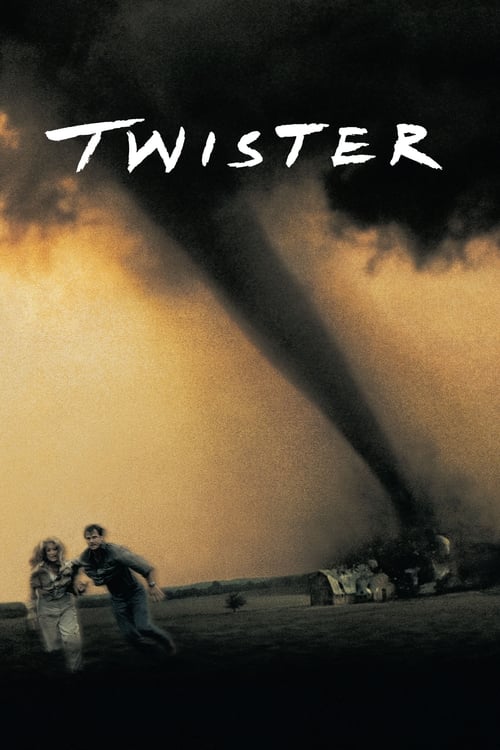
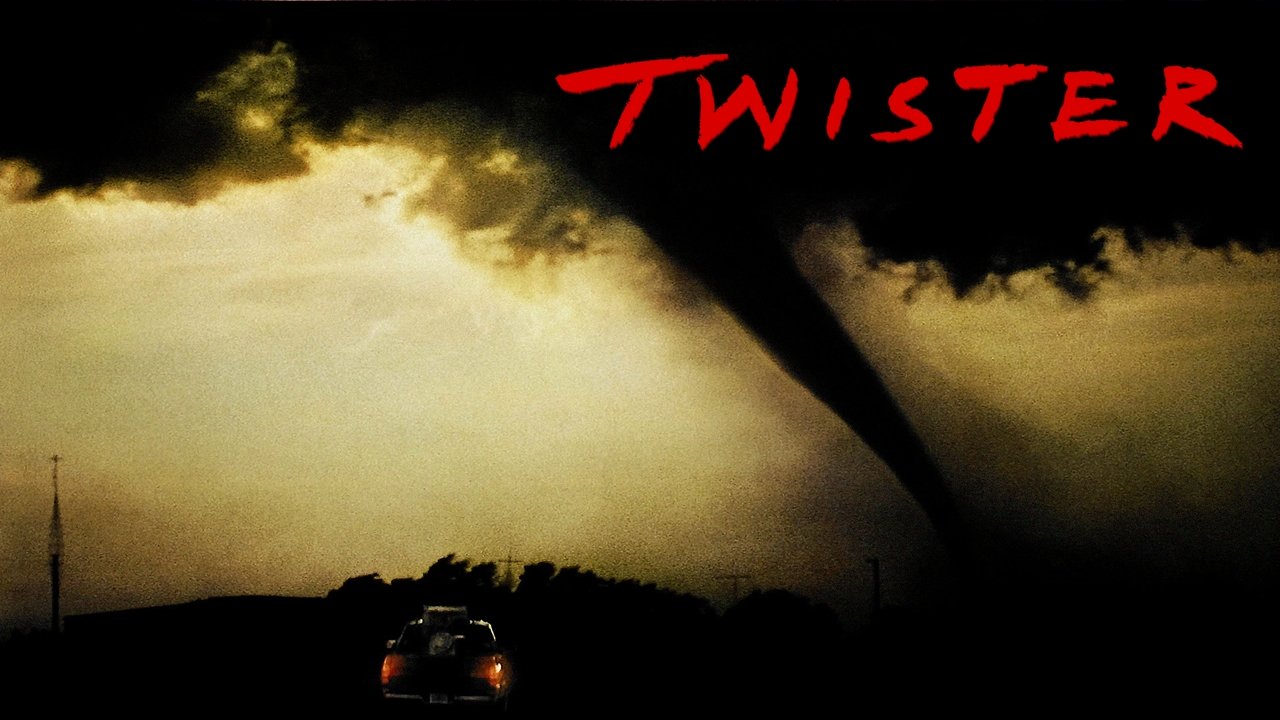
The mid-1990s were a strange, loud time for cinema, a period where Hollywood was collectively obsessed with finding new and inventive ways to destroy the planet. Between aliens, volcanoes, and asteroids, we spent a lot of time in dark rooms watching things crumble. But in 1996, the most effective monster wasn't a lizard or a spaceship; it was a transparent column of air. Twister arrived with a deafening roar, a fleet of Dodge Rams, and a level of sound design that genuinely felt like it might shake the popcorn right out of your bucket.
I watched this most recently while nursing a lukewarm Diet Coke that had lost its fizz somewhere around the second F3 tornado, which felt oddly appropriate for a movie about rapidly dropping atmospheric pressure. It’s a film that exists in that sweet spot of the 90s—too advanced to look "cheap," but just old enough to rely on the kind of practical chaos that modern green-screen epics often lack.
The Sound and the Fury
Director Jan de Bont, fresh off the high-octane success of Speed, brought a specific kind of "unfolding disaster" energy to this project. While the screenplay was co-written by Michael Crichton (who had just given us the techno-terror of Jurassic Park), the real star here isn’t the science—it’s the sheer physical impact of the action sequences.
When we talk about the CGI revolution, we often focus on dinosaurs or space battles, but Twister was a landmark for "environmental" effects. Industrial Light & Magic had to figure out how to make digital debris look heavy and dangerous. Looking back, the tornadoes themselves hold up remarkably well. There is a weight to the way a house disintegrates or a semi-truck falls from the sky that still feels intimidating. My personal theory is that Twister is essentially a high-stakes custody battle over a set of sensors, where the child is a series of digital wind tunnels.
The action choreography is relentless. It’s a road movie where the road is constantly being ripped up in front of the characters. Jan de Bont utilizes a "moving camera" style that keeps you right in the grill of the chasing vehicles. The sound design, which famously used slowed-down camel moans to create the "scream" of the wind, is the secret weapon. It’s a film that demands to be heard at a volume that would irritate your neighbors.
The Extreme Ensemble
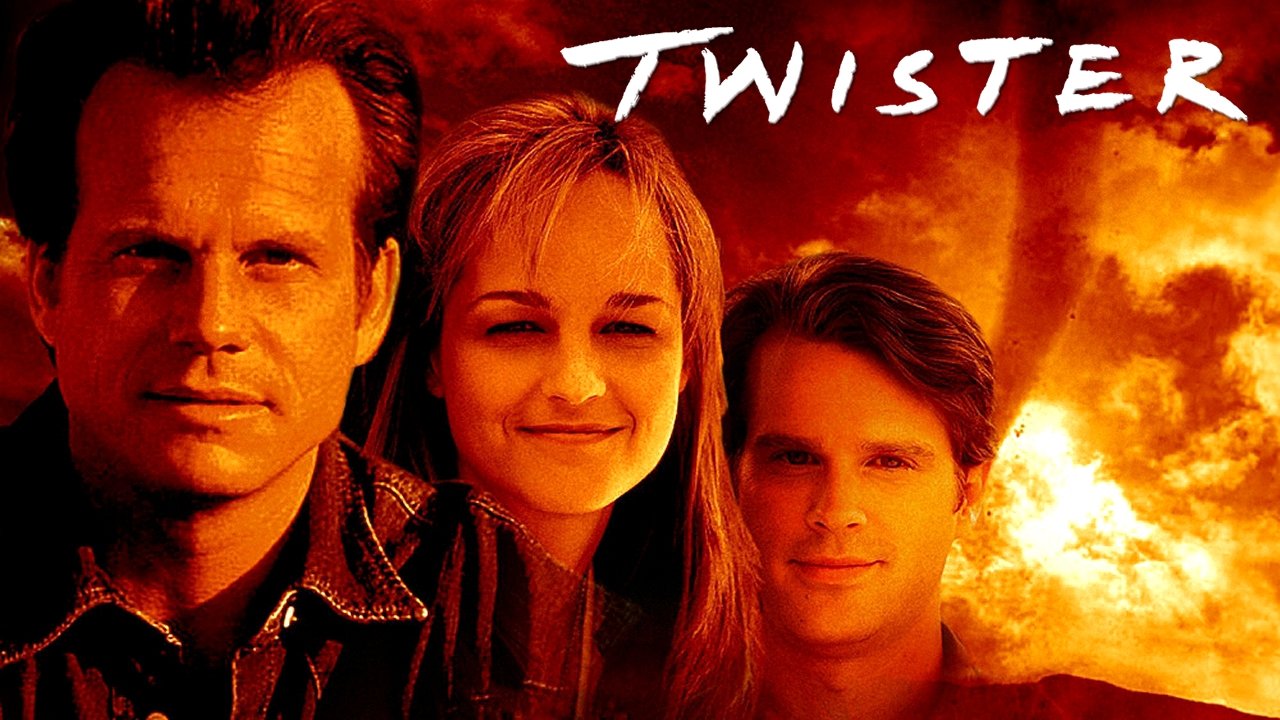
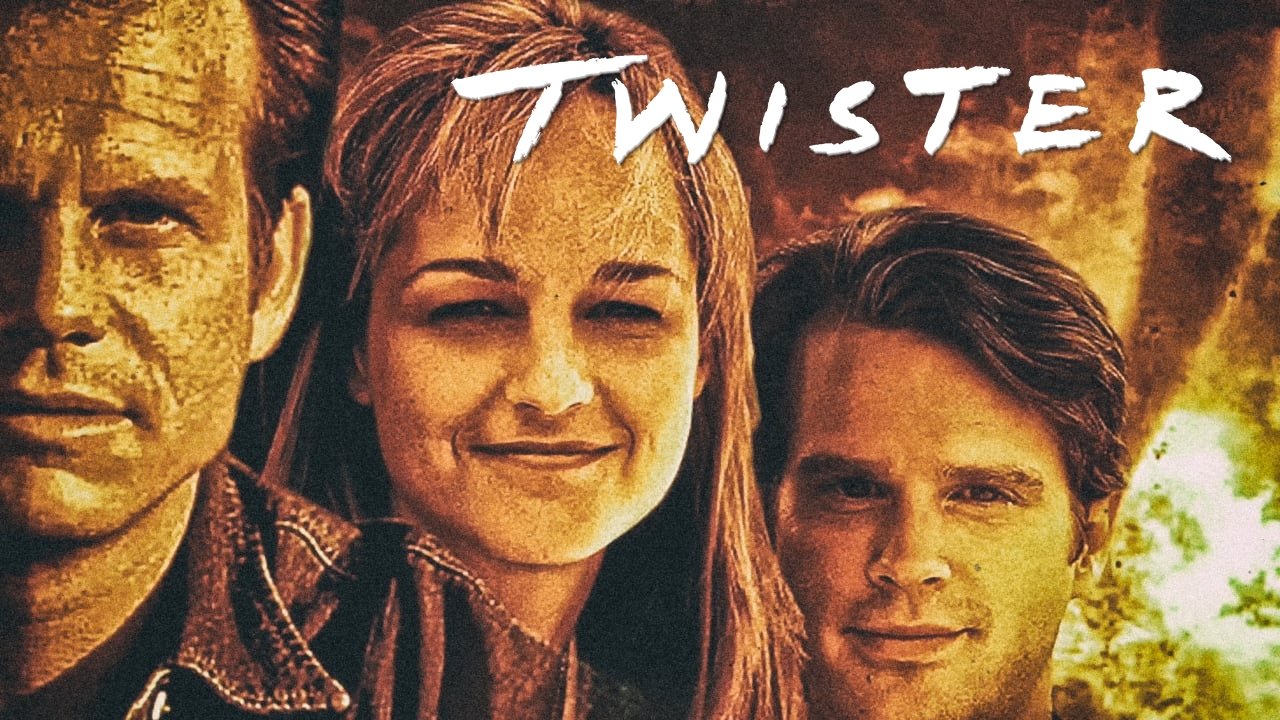
At the heart of the storm are Bill Paxton and Helen Hunt. Paxton, the ultimate 90s everyman hero who survived Aliens and True Lies, plays Bill "The Weatherman" Miller with a charming, frantic intensity. He’s the guy who can "smell" the wind, a trait that feels delightfully absurd but fits the film’s heightened reality perfectly. Hunt provides the emotional anchor as Jo, a woman whose childhood trauma is literally fueling her professional obsession.
Then there’s the supporting cast, which is a "who’s who" of talent before they became legends. The late Philip Seymour Hoffman steals every single scene he’s in as Dusty. He’s the soul of the crew, shouting about "the suck zone" and eating steak while a massive storm looms on the horizon. Seeing him here, years before his Oscar-winning turn in Capote, is a reminder of his incredible range—he could make a "vibe-check" character feel like the most important person in the room.
The rivalry with Cary Elwes as the "corporate" storm chaser, Jonas, adds a fun, almost cartoonish layer to the drama. He has the black vans, the fancy maps, and the smug attitude that tells you exactly who is going to end up wrapped around a telephone pole by the third act. It’s a classic 90s trope: the ragtag underdogs with duct tape and passion versus the soulless, well-funded villains.
A Cultural Whirlwind
Twister wasn't just a movie; it was a bona fide event. On a budget of $92 million, it raked in nearly half a billion dollars worldwide, becoming the second-highest-grossing film of 1996. It launched a brief but intense public obsession with meteorology. Suddenly, everyone knew what the Fujita scale was, and Dodge probably sold more Ram trucks in three months than they had in the previous three years.
The production was notoriously difficult. Jan de Bont reportedly had such a temper on set that the original cinematographer, Don Burgess (who shot Forrest Gump), left the project along with most of the camera crew. You can almost feel that friction on screen; the film has an edge of genuine exhaustion. Helen Hunt and Bill Paxton were actually temporarily blinded by the bright lamps used to make the stormy sky look realistic. That’s not just acting—that’s survival.
It represents a time when a blockbuster didn't need to set up a fifteen-movie cinematic universe. It had a beginning, a middle, and a flying cow. It’s a film that understands exactly what it is: a high-octane, slightly melodramatic, incredibly loud spectacle that celebrates the terrifying majesty of the natural world.
In retrospect, Twister is a masterclass in how to pace a disaster film. It doesn't get bogged down in too much "why"; it focuses entirely on the "how." It’s an infectious, sweaty, adrenaline-fueled ride that manages to make a field of wheat look like a battlefield. While the science might be questionable and the romance a bit predictable, the sheer craft of the action ensures that whenever it pops up on a screen, you’re going to stay for the next tornado. Just make sure your speakers can handle it.
Keep Exploring...
-

Robin Hood: Prince of Thieves
1991
-
Speed
1994
-

The Man in the Iron Mask
1998
-
xXx
2002
-

Lara Croft: Tomb Raider - The Cradle of Life
2003
-

Crouching Tiger, Hidden Dragon
2000
-
Maverick
1994
-
Wyatt Earp
1994
-
First Knight
1995
-
DragonHeart
1996
-
Executive Decision
1996
-
Dante's Peak
1997
-

The Perfect Storm
2000
-
A Knight's Tale
2001
-

Red Cliff
2008
-

The Karate Kid
2010
-
Days of Thunder
1990
-
The Edge
1997
-
The Messenger: The Story of Joan of Arc
1999
-

Hero
2002