Air Force One
"One President. One Plane. No Negotiating."
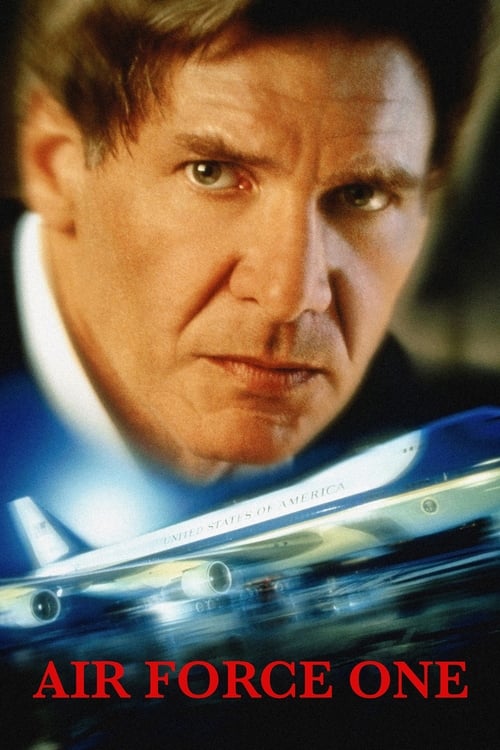
There is a specific kind of 1990s magic that allows a 55-year-old man in a bespoke suit to snap a Russian neo-nationalist’s neck without losing his dignity or his approval rating. I recently revisited Air Force One on a flight where the person in front of me had their seat reclined so far I was essentially watching the movie on their scalp, and yet, the sheer, propulsive energy of the film still hit like a freight train. It’s a relic of an era when we wanted our presidents to be moral giants who also happened to know how to strip-assemble an MP5 in the dark.
The Ultimate "Die Hard on a..."
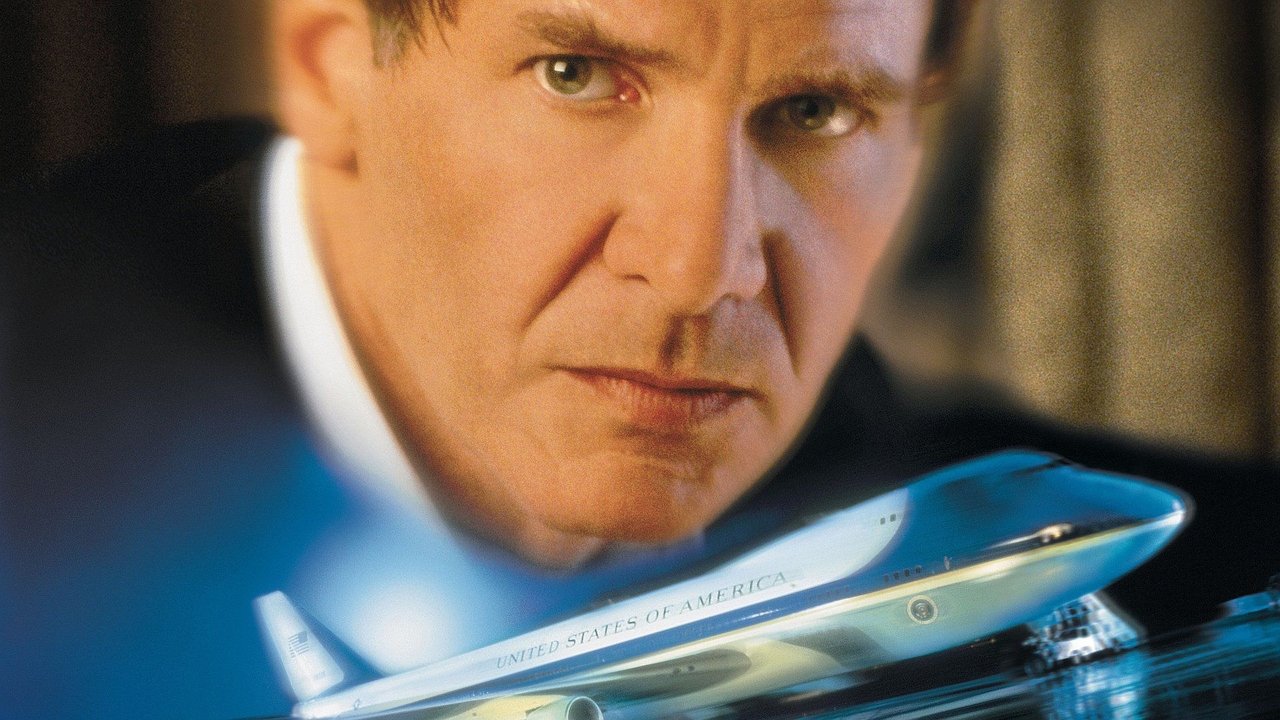
By 1997, the "Die Hard on a [Location]" trope was starting to feel a bit thin, but director Wolfgang Petersen (who already proved he could handle tight spaces with Das Boot) found the ultimate location. Air Force One isn’t just a plane; it’s a flying fortress, a symbol of American sovereignty, and, in this case, a $300,000 paint job on a leased Boeing 747-146.
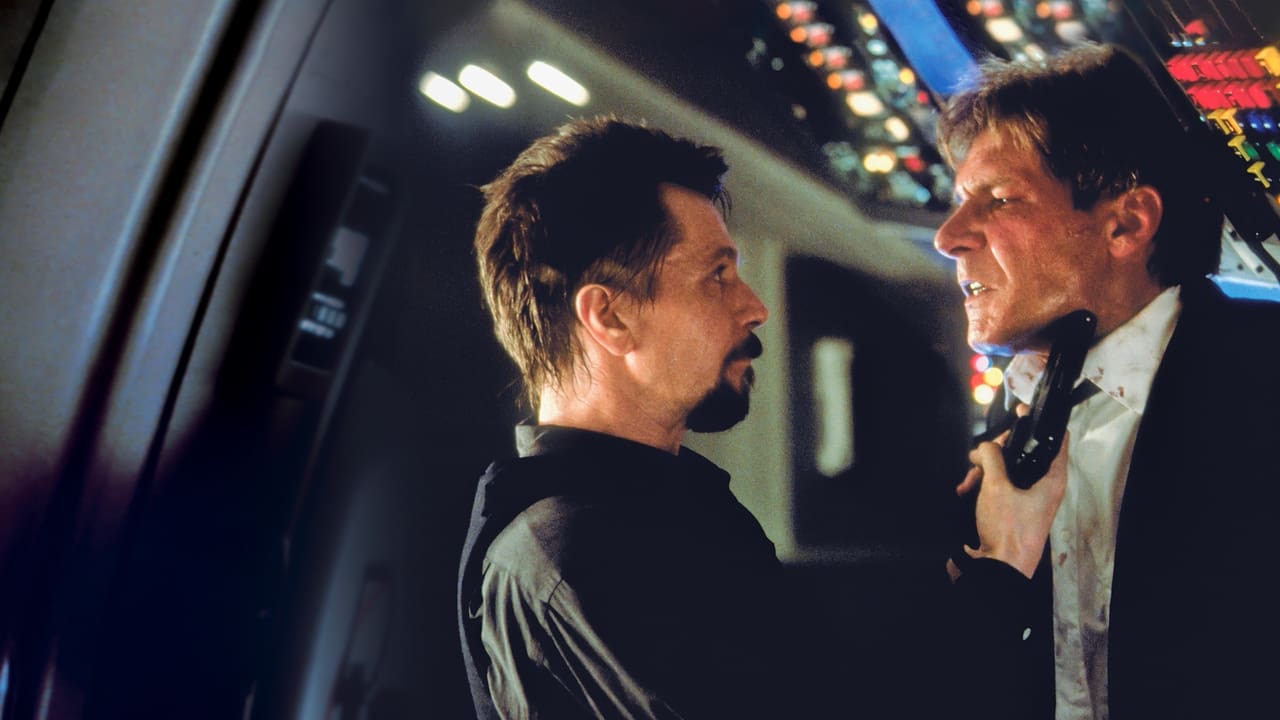
The plot is lean: Russian terrorists, led by a snarling Gary Oldman, hijack the plane to demand the release of a rogue general. What they didn't bank on was President James Marshall, played by Harrison Ford at the absolute peak of his "grumpy but righteous" powers. Unlike the action stars of today who feel like CGI-enhanced superheroes, Marshall feels like a guy who is genuinely exhausted by the violence but will absolutely throw you out of a cargo door if you touch his daughter. Gary Oldman plays Ivan Korshunov with the manic energy of a man who just drank four espressos and lost his luggage, providing the perfect foil to Ford’s stoic determination.
Practical Grime vs. Digital Growing Pains
Watching this in the 2020s, I’m struck by how much of the film’s tension relies on physical sets and practical effects. The production team built a massive, multi-level interior of the plane that feels lived-in and claustrophobic. When the bullets start flying in the conference room, you feel the weight of the debris. Wolfgang Petersen uses the geography of the plane brilliantly; you always know where Marshall is in relation to the terrorists, which is a lost art in modern "shaky-cam" action.
However, looking back with a retrospective eye, we have to talk about that final crash. The CGI was handled by Boss Film Studios, and while it was ambitious for 1997, the digital water and the way the plane breaks apart haven't aged with the same grace as the rest of the film. It’s a fascinating snapshot of that "CGI Revolution" era where filmmakers were pushing technology right to its breaking point. But honestly? It doesn't matter. By the time the plane hits the water, the film has earned so much goodwill that you just roll with it.
A Score in Twelve Days
One of my favorite bits of trivia involves the music. Originally, Randy Newman (known for Toy Story) wrote a score that was reportedly a bit too light-hearted. Wolfgang Petersen realized it wasn't working just weeks before the premiere. He called in the legendary Jerry Goldsmith (Star Trek, The Omen), who famously wrote and recorded the entire, thunderous heroic score in just twelve days. It’s one of the most iconic action soundtracks of the 90s, and the fact that it was a "last-minute homework" assignment is staggering.
The supporting cast is equally stacked. Glenn Close gives a masterclass in "controlled panic" as Vice President Kathryn Bennett. She spends most of the movie in a room in D.C., but her performance anchors the political stakes. You also get great "that guy" character actors like Paul Guilfoyle and William H. Macy filling out the margins, making the whole world feel substantial.
The Legacy of the First Action Hero
Air Force One was a massive cultural moment, raking in over $315 million and becoming the fifth highest-grossing film of 1997. It’s a blockbuster that knows exactly what it is and executes it with surgical precision. It’s also a poignant look at pre-9/11 action cinema—a time when the threat felt more like a high-stakes chess match than the world-ending existential dread we see in modern franchises.
The Presidential escape pod is the 90s equivalent of a magic trick everyone knows is fake but still claps for, and that’s the joy of this film. It asks you to believe that the leader of the free world is a Vietnam vet who can outsmart a group of elite paratroopers, and thanks to Harrison Ford's sheer charisma, you believe every second of it.
It is rare to find a film that balances such high-octane spectacle with a genuine sense of character. Air Force One remains the gold standard for the "Die Hard" clones, a testament to what happens when you put a world-class director and a legendary movie star in a very expensive metal tube. If you haven't seen it since the VHS era, it's time to book another flight. Just maybe don't watch it while you're actually on a plane—it makes the turbulence feel a lot more personal.
Keep Exploring...
-
Outbreak
1995
-
In the Line of Fire
1993
-
Clear and Present Danger
1994
-
Patriot Games
1992
-
The Fugitive
1993
-
Poseidon
2006
-

Jurassic Park III
2001
-
xXx
2002
-
Cliffhanger
1993
-
True Lies
1994
-
Die Hard: With a Vengeance
1995
-

Broken Arrow
1996
-
Mission: Impossible
1996
-
Ransom
1996
-
The Rock
1996
-
Armageddon
1998
-
Hollow Man
2000
-
Mission: Impossible II
2000
-

The Perfect Storm
2000
-
Minority Report
2002