Austin Powers: International Man of Mystery
"Sixties swing, nineties sting, and one very frozen spy."
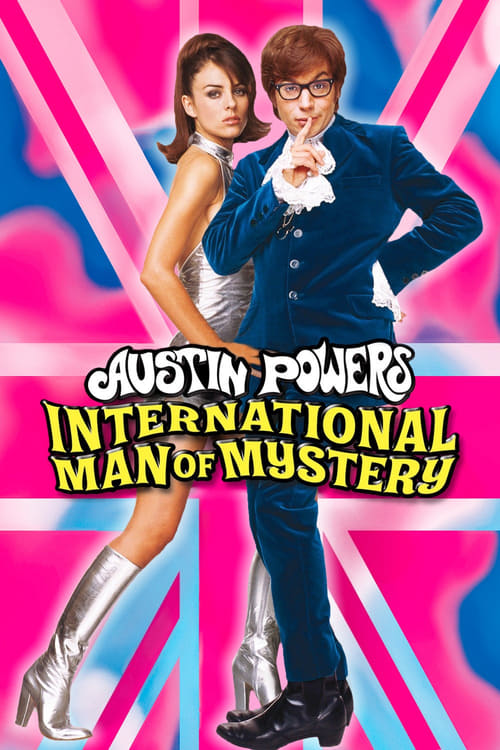
There is a specific, jagged energy to the late nineties that we’ve mostly smoothed over with the rose-tinted filter of hindsight. It was a time of "Cool Britannia," the Spice Girls, and a weirdly intense obsession with lounge music. Into this neon-colored cocktail stepped Mike Myers, draped in crushed velvet and sporting a set of prosthetic teeth that looked like a structural hazard. At the time, I was trying to eat a lukewarm bowl of SpaghettiOs while sitting on a beanbag chair that was slowly leaking its foam guts onto the carpet, and I distinctly thought: "Is this actually going to work, or is the guy from Wayne’s World just having a breakdown?"
It worked. But not in the way the studio expected.
A Cult Classic Born on the Small Screen
Looking back, it’s wild to realize that Austin Powers: International Man of Mystery wasn't an immediate box-office juggernaut. It did "okay," making about $67 million, but it wasn't until the DVD revolution hit that it became a cultural virus. This was the era where we stopped just renting movies and started collecting them, and Jay Roach’s directorial debut was the ultimate "show your friends" disc.
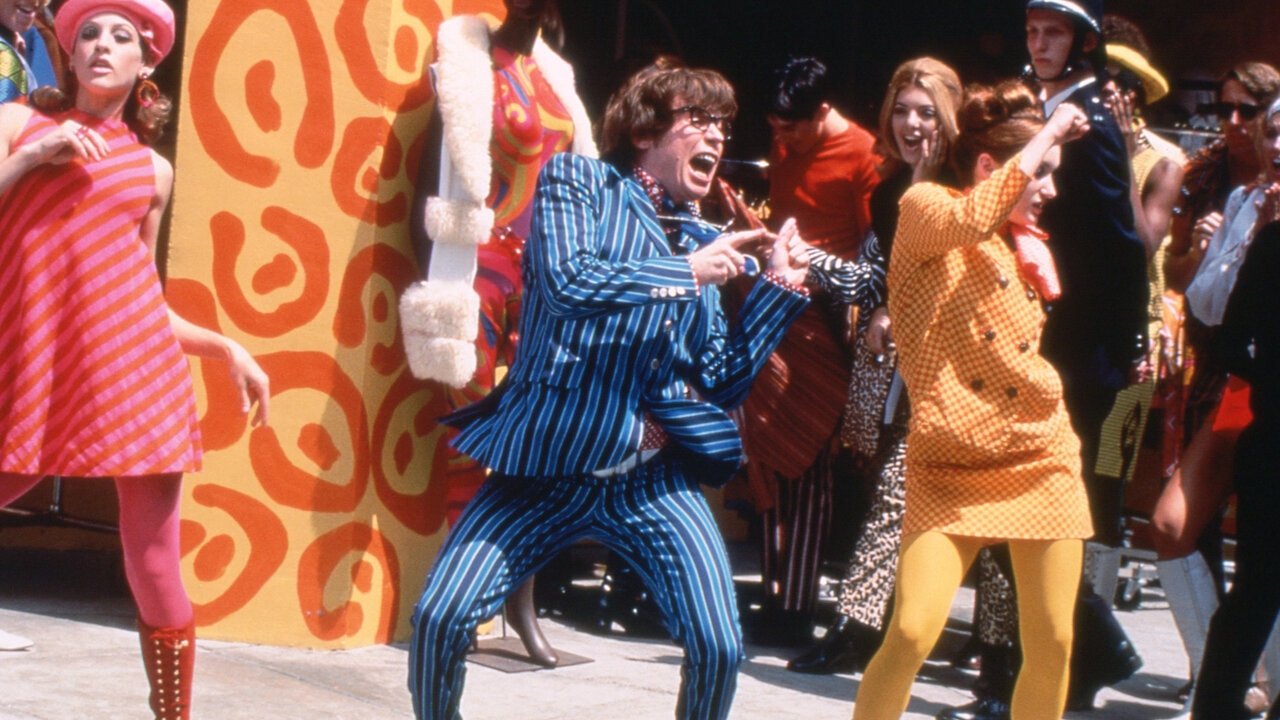
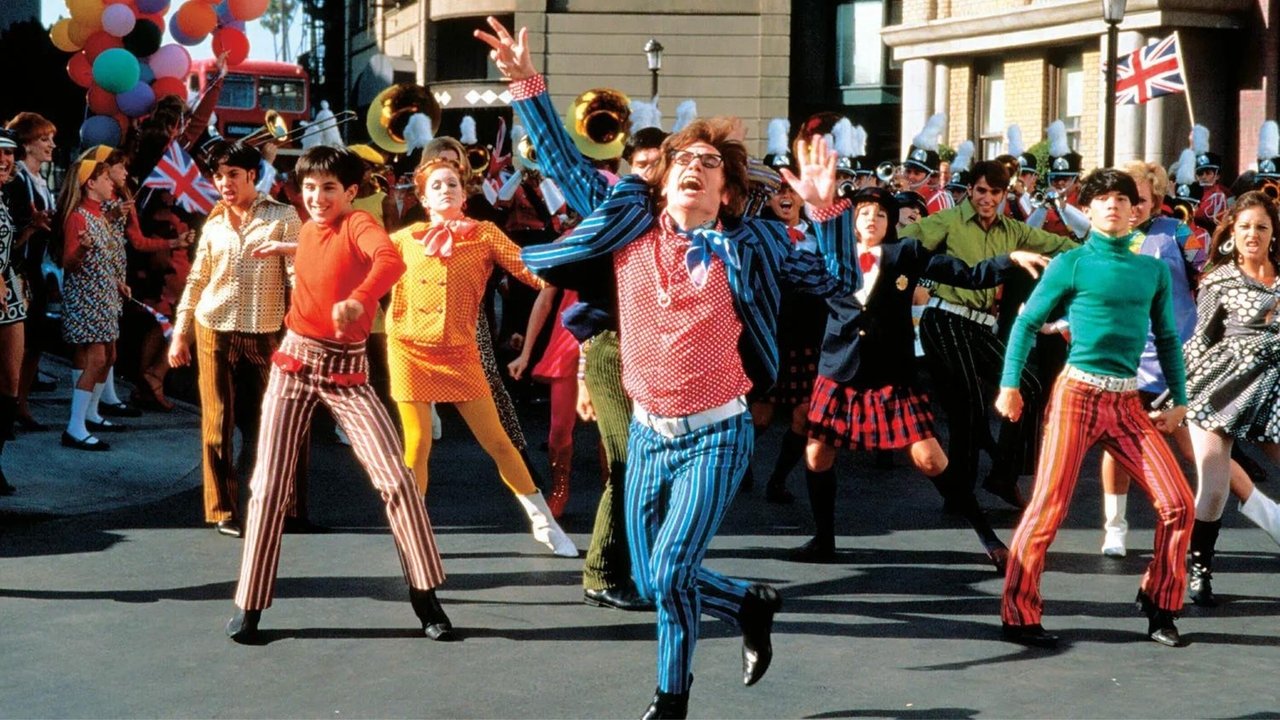
The film is essentially a love letter to the British spy cinema Mike Myers grew up watching with his father—think In Like Flint or the early Sean Connery Bond films—but filtered through a 1997 lens. It’s a "man out of time" story that uses science fiction as a delivery vehicle for puns. The premise—a 1967 super-spy frozen in cryogenic stasis to fight his nemesis in 1997—allowed Myers to play with the jarring shift in social mores. Austin still wants to "shag," but the nineties world of HR departments and dental hygiene has moved on.
The Science of the "Thaw"
While we usually categorize this as a straight comedy, the sci-fi elements are surprisingly cohesive. The "unthawing" sequence remains a masterpiece of visual gag-telling, using the physical limitations of a 1960s body trying to adapt to a digital age. The production design is where the movie really earns its keep. Dr. Evil’s lair—manned by Robert Wagner as the eternally cool Number Two—is a gorgeous riff on the Ken Adam sets from You Only Live Twice. It’s all sharp angles, unnecessarily large buttons, and chairs that look impossible to get out of with dignity.

Speaking of Dr. Evil, Mike Myers managed to create two of the most iconic characters of the decade in a single film. While Austin is the heart, Dr. Evil is the comedic engine. Apparently, Myers based the Doctor's hushed, eccentric delivery on Saturday Night Live creator Lorne Michaels, a bit of behind-the-scenes "inside baseball" that only makes the performance funnier. The way he struggles to understand inflation—demanding a "million dollars" as if it’s still a king’s ransom—perfectly captures the film's theme: the future is always weirder and more expensive than we planned for.
Subverting the Spy Game
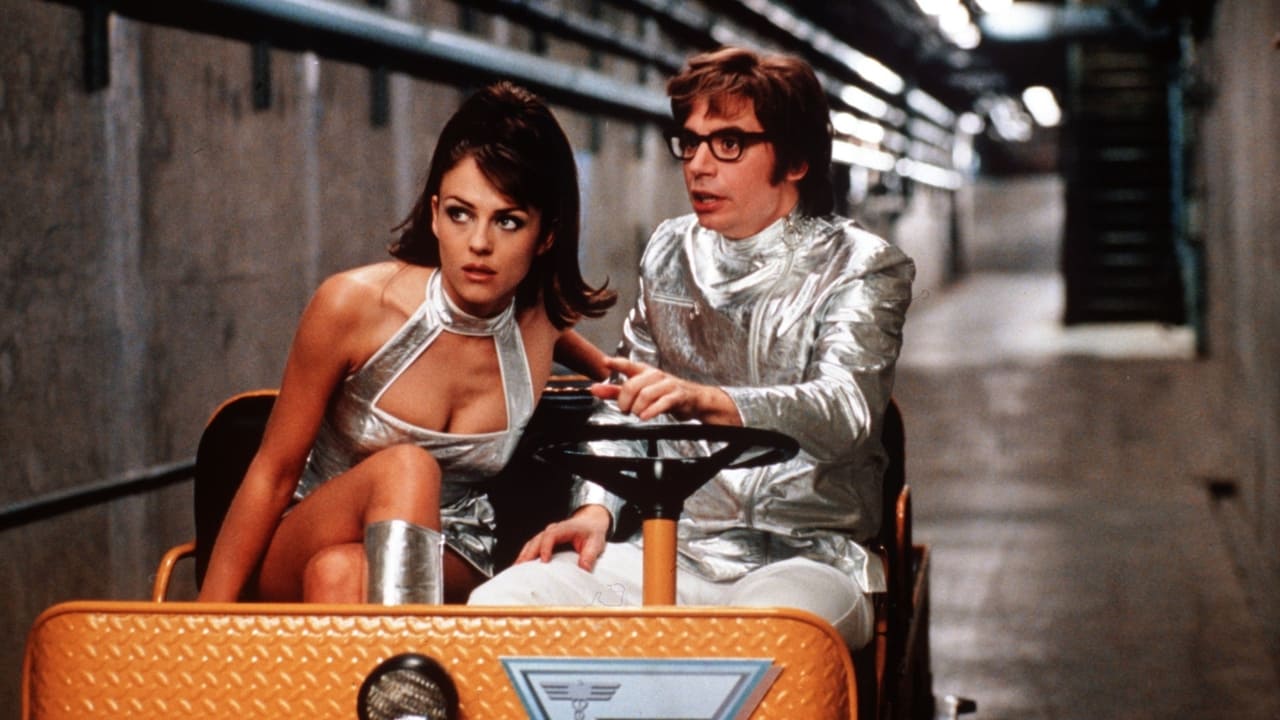
The real secret weapon here, though, is Elizabeth Hurley as Vanessa Kensington. Playing the "straight man" in a movie this absurd is a thankless task, but she anchors the film. She represents the nineties' cynicism meeting the sixties' sincerity. When Austin tries to win her over with a "shagadelic" charm that would have worked in a heartbeat in Soho '67, her rejection feels like a reality check for the entire genre.
The film also benefits from a stacked supporting cast that understood the assignment. Michael York brings genuine gravitas to Basil Exposition, while a young Seth Green as Scott Evil provides the film’s most relatable thread: the son of a supervillain who just wants to go to therapy and maybe own a petting zoo. Their "hush!" back-and-forth remains one of the most quoted bits of nineties cinema for a reason.
Interestingly, the movie almost had a much darker ending. In one version of the script, the nuclear countdown actually goes off. Thankfully, the producers leaned into the lightheartedness. It’s also worth noting that the film’s dental prosthetics were so uncomfortable that Mike Myers allegedly couldn't eat while wearing them. He suffered for those horrific British teeth, and honestly, that’s the kind of commitment to the craft I respect.
Why It Still Swings
Revisiting this now, it’s impressive how well the practical effects hold up. In an era where everything was starting to lean toward early, often-rubbery CGI, Austin Powers stayed grounded in miniatures and clever set-dressing. Even the "fembots" with their literal smoking barrels feel like a triumph of prop-making over digital shortcuts.
It’s a film that captured a very specific transition point in Hollywood—the moment where the indie-adjacent comedy of the mid-nineties met the big-budget franchise mentality of the future. It’s light, it’s occasionally crude, but it’s never mean-spirited. The sequels eventually killed the vibe by repeating the same jokes until they bled, but this original entry is a tight, weirdly sweet comedy that doesn't need the bloat that followed.
If you haven't seen this since your last VHS player gave up the ghost, it’s time for a re-watch. It’s a reminder that before he was a cartoon ogre, Mike Myers was a comedic force who could turn a velvet suit and a catchphrase into a global phenomenon. It’s silly, it’s colorful, and it’s still remarkably groovy. Just don't try the "million dollars" joke at your next performance review; the nineties are over, and inflation is a cruel mistress.
Keep Exploring...
-

Austin Powers: The Spy Who Shagged Me
1999
-

Austin Powers in Goldmember
2002
-

O Brother, Where Art Thou?
2000
-

The Nutty Professor
1996
-
Lethal Weapon 4
1998
-

Taxi
1998
-

Robot & Frank
2012
-
Tremors
1990
-
Bad Santa
2003
-

Journey to the Center of the Earth
2008
-

Hot Tub Time Machine
2010
-
Paul
2011
-

The Family
2013
-
Lethal Weapon 3
1992
-
The Mask
1994
-
Ace Ventura: When Nature Calls
1995
-
Bad Boys
1995
-
To Die For
1995
-
Out of Sight
1998
-
Rush Hour
1998