Bean
"He doesn't need words to ruin your life."
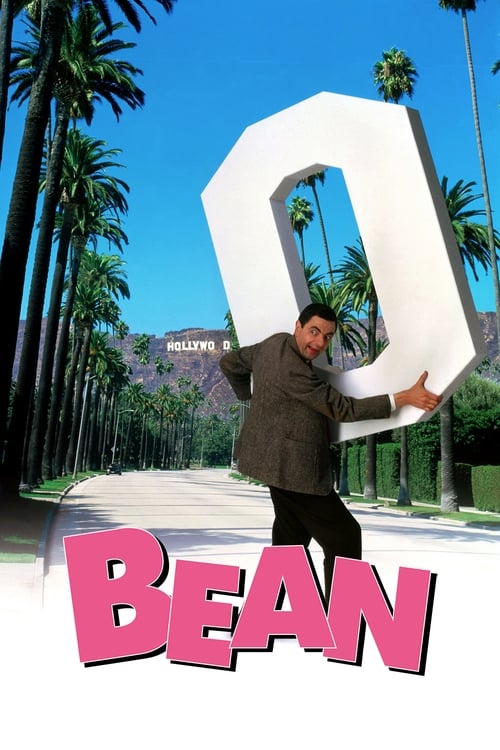
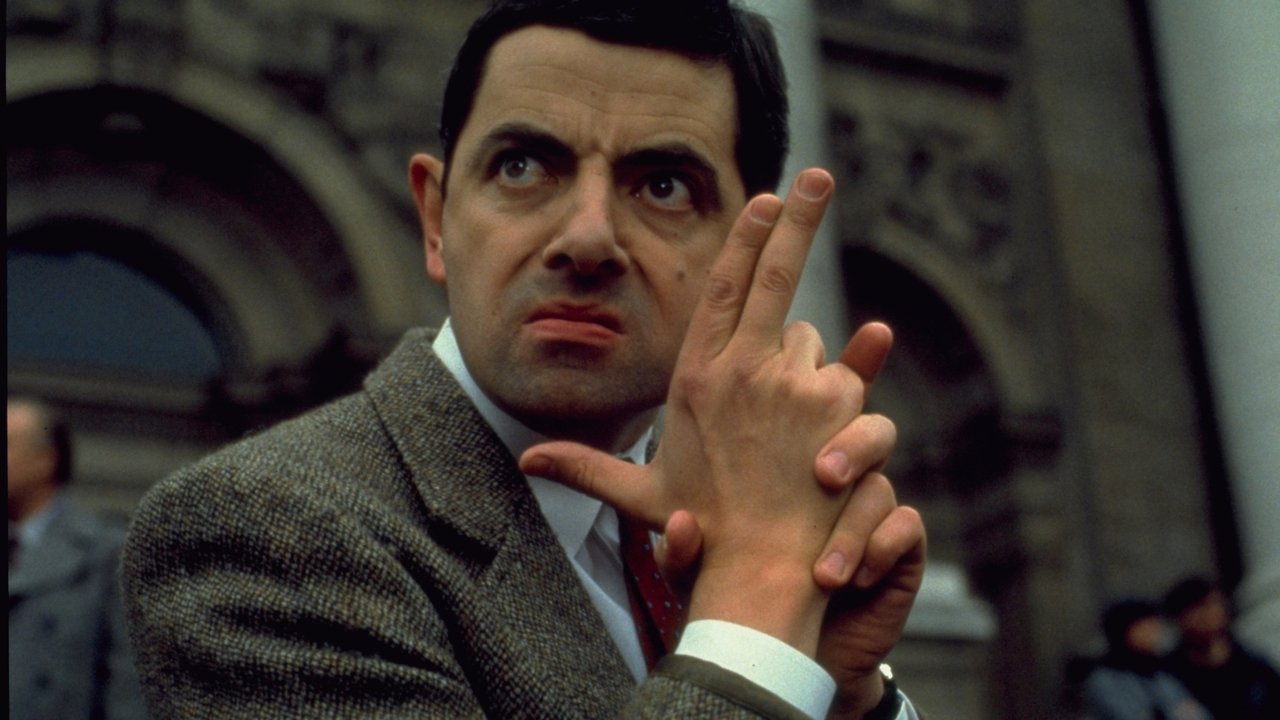
The sight of a middle-aged man frantically trying to scrub a sneeze-guard-sized dollop of ink off a $50 million painting with a spit-soaked handkerchief is, in my professional opinion, the pinnacle of 1990s cinematic tension. Most thrillers of the era were worried about hackers or international terrorists, but for the Royal National Gallery, the greatest threat to Western civilization was a man in a tweed jacket who simply couldn't be trusted with a felt-tip pen.

I watched this most recently while trying to ignore the fact that I’d accidentally bought "sugar-free" gummy bears, and I can confirm that the physical discomfort of the snacks perfectly mirrored the exquisite secondary cringe of watching Rowan Atkinson dismantle a Los Angeles household. Bean (1997) isn't just a comedy; it’s a high-stakes adventure where the "jungle" is a Bel Air mansion and the "monster" is a childlike Englishman with a penchant for chaos.
From Silent Sketches to the Silver Screen
Taking a character built for ten-minute vignettes and stretching him into a feature-length narrative is a gamble that usually ends in a cinematic car crash. We’ve seen it happen to countless Saturday Night Live characters, but Rowan Atkinson—along with director Mel Smith and legendary screenwriter Richard Curtis (the man who gave us Four Weddings and a Funeral and later Love Actually)—understood something vital. You can’t just have Bean be funny; you have to make his incompetence a genuine threat to someone else's survival.
Enter Peter MacNicol as David Langley. MacNicol, who was at the height of his "high-strung professional" powers, is the perfect foil. His performance is a workout in escalating desperation. While Atkinson delivers the masterfully weird physical tics we expected, it’s MacNicol’s slow-motion nervous breakdown that gives the movie its pulse. Watching them navigate the "adventure" of the Los Angeles art scene feels like watching a man try to walk a greased pig through a glass sculpture gallery.
The Art of the Disaster
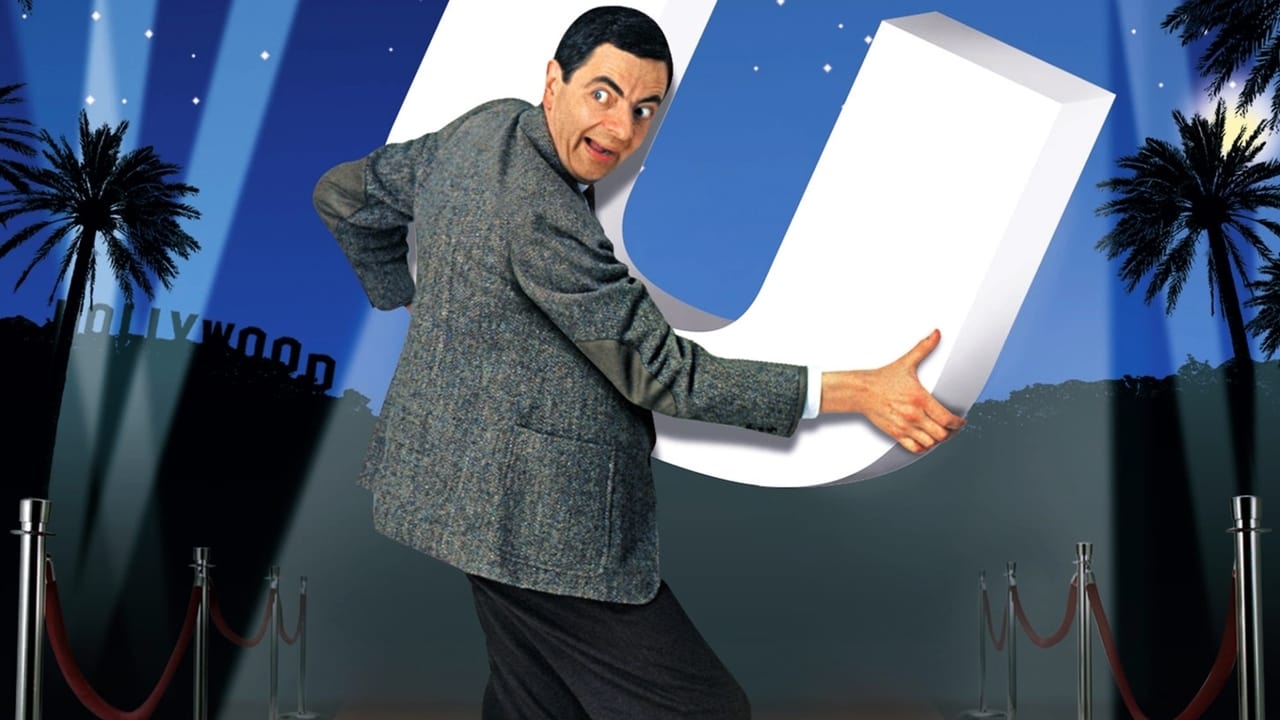
The "adventure" genre often focuses on physical journeys, but Bean treats the unveiling of Whistler’s Mother as a quest of Herculean proportions. The stakes are surprisingly high: if Bean fails, David loses his career, his house, and his family (who, played by Pamela Reed, Tricia Vessey, and Andrew Lawrence, wisely flee the scene once Bean starts "decorating").
The film captures that specific 90s blockbuster energy where the production value feels surprisingly lush for a comedy. The cinematography by Francis Kenny treats the California vistas and the sleek lines of the fictional Grierson Gallery with a reverence that makes Bean’s eventual destruction of the environment even funnier. There is a genuine sense of discovery as Bean explores the "exotic" American landscape, from the terrifying speed of a flight simulator to the wonders of a microwaveable Thanksgiving turkey.
That turkey scene, by the way, remains the ultimate test of your maturity—and I failed miserably for the fifteenth time. Watching Bean lose his watch inside a raw bird is a level of slapstick that shouldn't work in a post-silent-film era, yet Atkinson’s commitment to the bit makes it feel like high art. It’s a reminder that before the world became obsessed with CGI spectacle, we could be mesmerized by a man getting his head stuck in a poultry carcass.
A Global Phenomenon in a Pre-Digital World
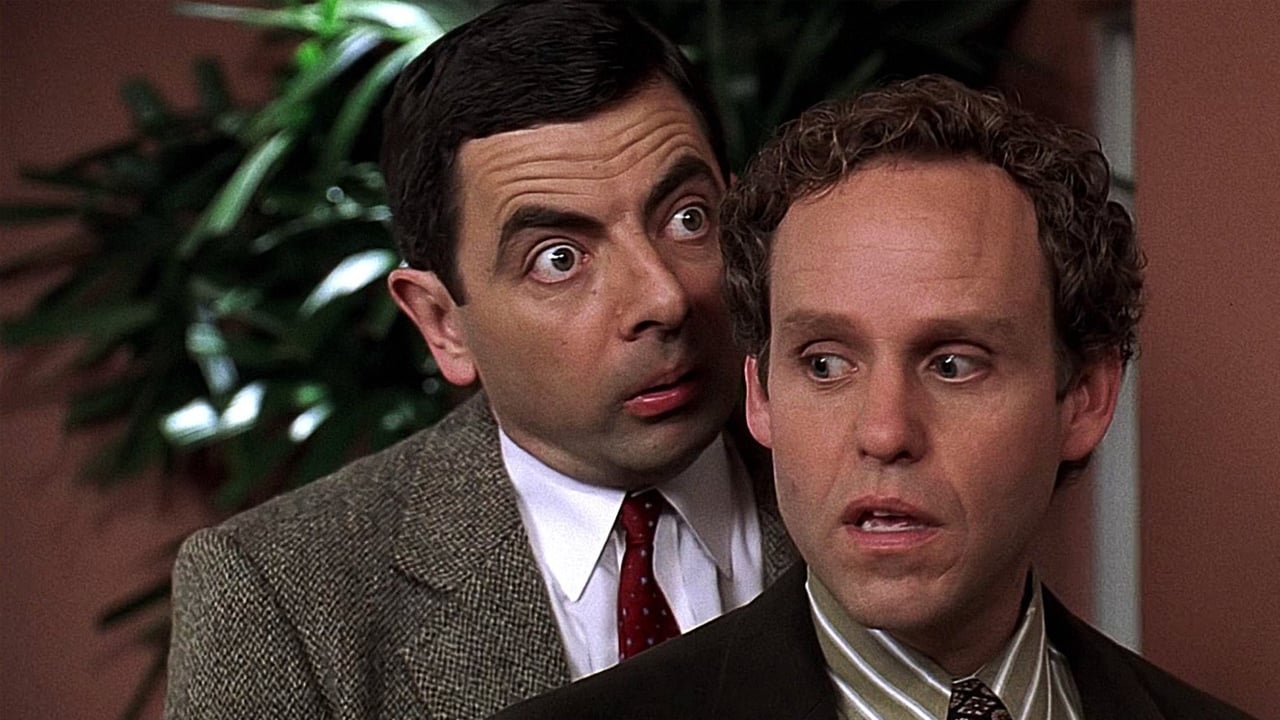
Looking back, Bean was a massive commercial juggernaut that signaled the power of "silent" humor in a globalized market. Produced for a relatively modest $18 million, it raked in over $250 million worldwide. This was the era of the "British Invasion" of the US box office, but unlike the talky rom-coms of the time, Bean didn't need translation. It’s one of the last great blockbusters built entirely on the foundation of the human face and its ability to look incredibly stupid.
The trivia behind the scenes reflects this scale. Atkinson famously performed many of the stunts himself, including the wild ride on the back of the luggage cart. The film also features a great turn by Harris Yulin as the intimidating George Grierson, bringing a level of gravitas that makes the absurdity feel grounded. It’s this balance—the high-stakes world of fine art versus a man who thinks a "middle finger" is a friendly American greeting—that keeps the momentum from sagging.
While the "road trip" elements of the adventure are fairly standard, the third-act "heist" (where Bean sneaks into the gallery to fix his masterpiece-sized mistake) is genuinely clever filmmaking. It uses the visual language of an action movie—stealth, gadgets (well, a hair dryer and some lacquer), and timing—to resolve a comedic plot point. It’s satisfying in a way that most comedies aren't.
In an age where comedy often feels over-scripted or reliant on pop-culture references that expire in six months, Bean remains a refreshing, if highly anxious, romp. It’s a film that understands the inherent comedy of a man who is utterly confident in his own idiocy. It might not be "prestige" cinema, but there is something undeniably impressive about a movie that turns a sneeze into an international incident. If you're looking for a brisk, 89-minute journey into the heart of awkwardness, this is the masterpiece you’re looking for. Just keep him away from the fine art.
Keep Exploring...
-
Mr. Bean's Holiday
2007
-
Spy Kids
2001
-
Spy Kids 2: The Island of Lost Dreams
2002
-

George of the Jungle
1997
-

A Bug's Life
1998
-

Ice Age
2002
-
Johnny English
2003
-
Teenage Mutant Ninja Turtles
1990
-

The SpongeBob SquarePants Movie
2004
-

Wallace & Gromit: The Curse of the Were-Rabbit
2005
-
Hook
1991
-
Homeward Bound: The Incredible Journey
1993
-

The Swan Princess
1994
-
A Goofy Movie
1995
-

Asterix and Obelix vs. Caesar
1999
-
Jimmy Neutron: Boy Genius
2001
-
Big Fat Liar
2002
-
Shrek 2
2004
-
Charlie and the Chocolate Factory
2005
-

Madagascar
2005