Beauty and the Beast: The Enchanted Christmas
"Deck the halls with fear and pipe organs."

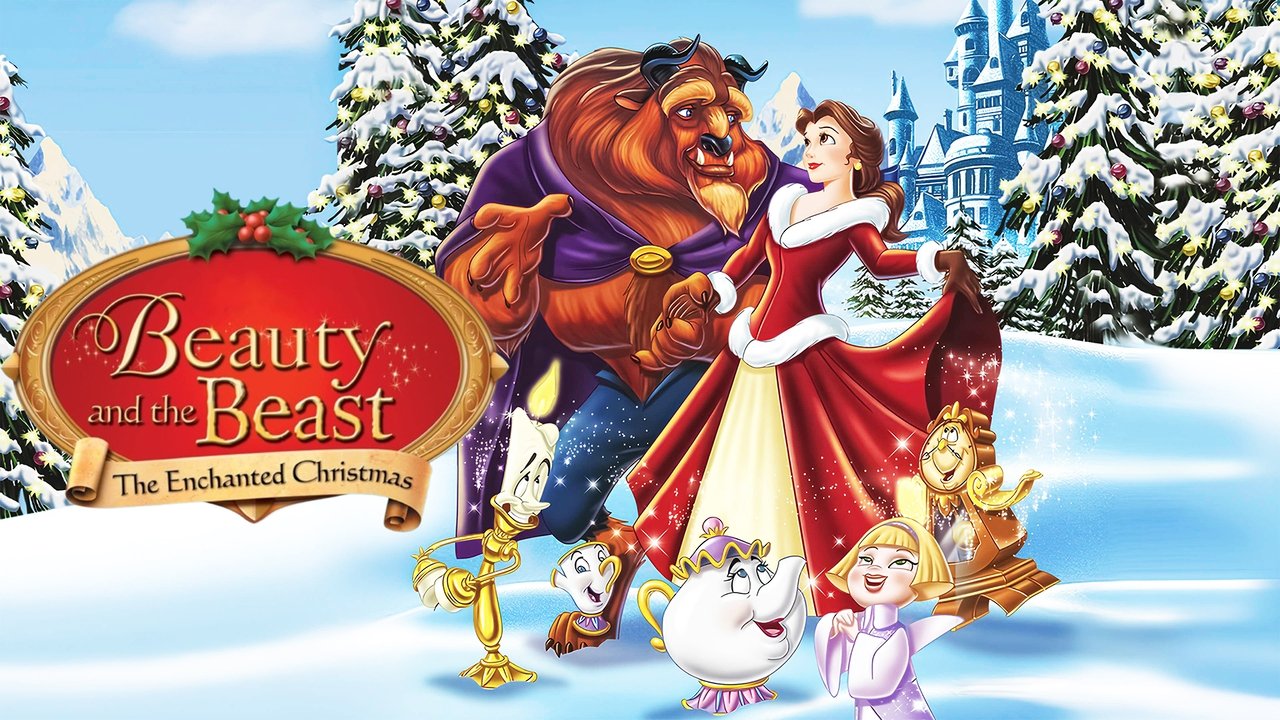
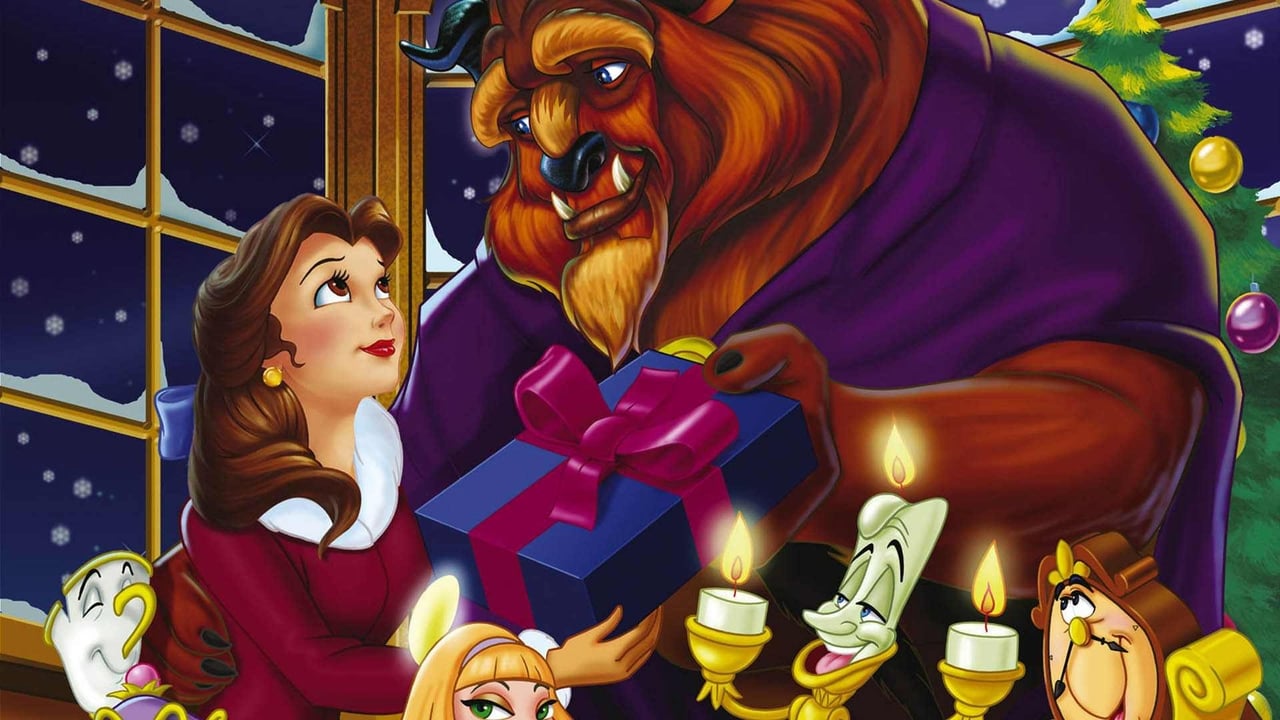
There is a specific kind of 90s corporate audacity that only Disney could pull off: the "mid-quel." While most sequels move the clock forward, Beauty and the Beast: The Enchanted Christmas decides to burrow into the middle of the 1991 masterpiece, finding a 72-minute pocket of time between the wolf attack and the ballroom dance to tell a story about holiday-induced PTSD. It’s a bold, slightly weird move that feels less like a continuation and more like a long-lost, surprisingly dark chapter of a diary.
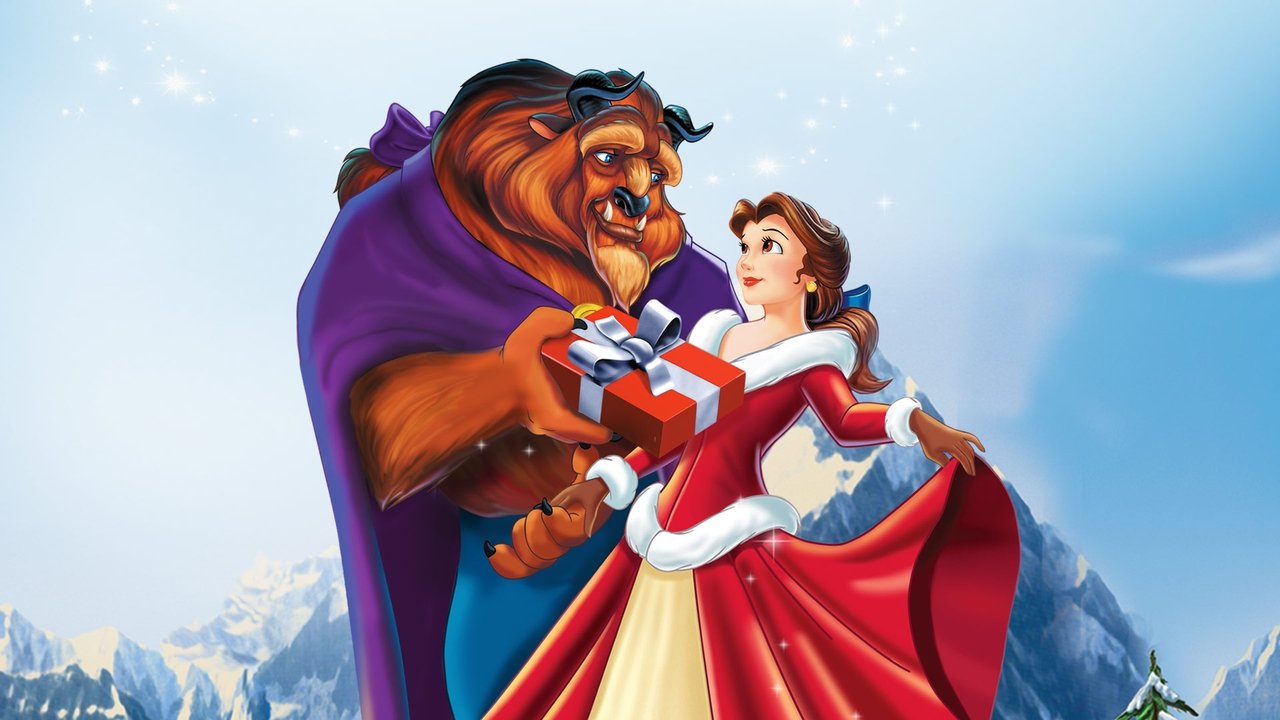
I watched this recently while drinking a lukewarm mug of peppermint tea that had a single, floating cat hair in it, and honestly, that slightly "off" cozy vibe matched the movie perfectly. It isn’t the polished diamond of the original, but it’s a fascinating relic of the direct-to-video (DTV) boom, an era where Disney was figuring out how to keep the "Vault" open without tarnishing the crown jewels.
The Beast’s Blue Christmas
The core of the drama here is unexpectedly heavy. We find ourselves back in the castle during the winter of Belle’s captivity. While Belle, voiced with the same soulful clarity by Paige O'Hara (Enchanted), wants to bring Christmas cheer to the gloom, the Beast (Robby Benson) is having none of it. In this version of the lore, the Enchantress cursed him on Christmas Day. For him, the holiday isn't about carols and fruitcake; it’s the anniversary of the day his humanity was stripped away.
Robby Benson gives a performance that leans much harder into the "damaged" part of the character than the original film did. He’s prone to fits of genuine rage and depression here, making the Beast feel like a man struggling with a legitimate psychological block rather than just a grumpy guy who needs a hug. Watching Belle try to navigate his hair-trigger temper gives the film a tension that feels more like a domestic drama than a fairy tale. It’s an interesting choice for a "family" movie—exploring the idea that you can’t force someone to be happy if they aren't ready to heal.
A Villain Made of Pipes and Pixels
If the film has a secret weapon, it’s Tim Curry. Fresh off playing a literal clown in It (1990) and a high-seas ham in Muppet Treasure Island (1996), Curry voices Forte, a court composer turned into a massive, wall-bound pipe organ. Forte is a fascinating anomaly in the Disney villain canon because he doesn't want to be human again. He prefers being a giant, immobile instrument because his music gives him power over the Beast's fragile emotional state. He’s a gaslighter in musical form.
What’s truly wild is the animation for Forte. This was 1997, and Disney Television Animation was experimenting with CGI. Forte is a G-rated version of a Cronenberg nightmare, rendered in early, clunky 3D that shouldn't work alongside the hand-drawn characters, but somehow does. Because he’s a cold, mechanical object, the slightly "uncanny valley" look of the 90s CGI actually enhances his creepiness. He feels alien to the world around him. To balance out his darkness, we get Bernadette Peters as Angelique, a Christmas ornament who brings a Broadway-level vibrato and some much-needed lightness to the proceedings. Her chemistry with the returning Jerry Orbach (Lumiere) and David Ogden Stiers (Cogsworth) keeps the film from spiraling into total gloom.
The Rachel Portman Factor
You wouldn't expect a DTV sequel to have an Oscar-winning composer behind the baton, but The Enchanted Christmas snagged Rachel Portman (Emma, Chocolat). Her score is miles ahead of what you’d usually find in a "cheapquel." It doesn't just mimic Alan Menken’s work; it has its own melancholic, wintry identity. The song "Stories" is a genuinely lovely piece of character work for Belle, capturing that feeling of using books to escape a cold reality.
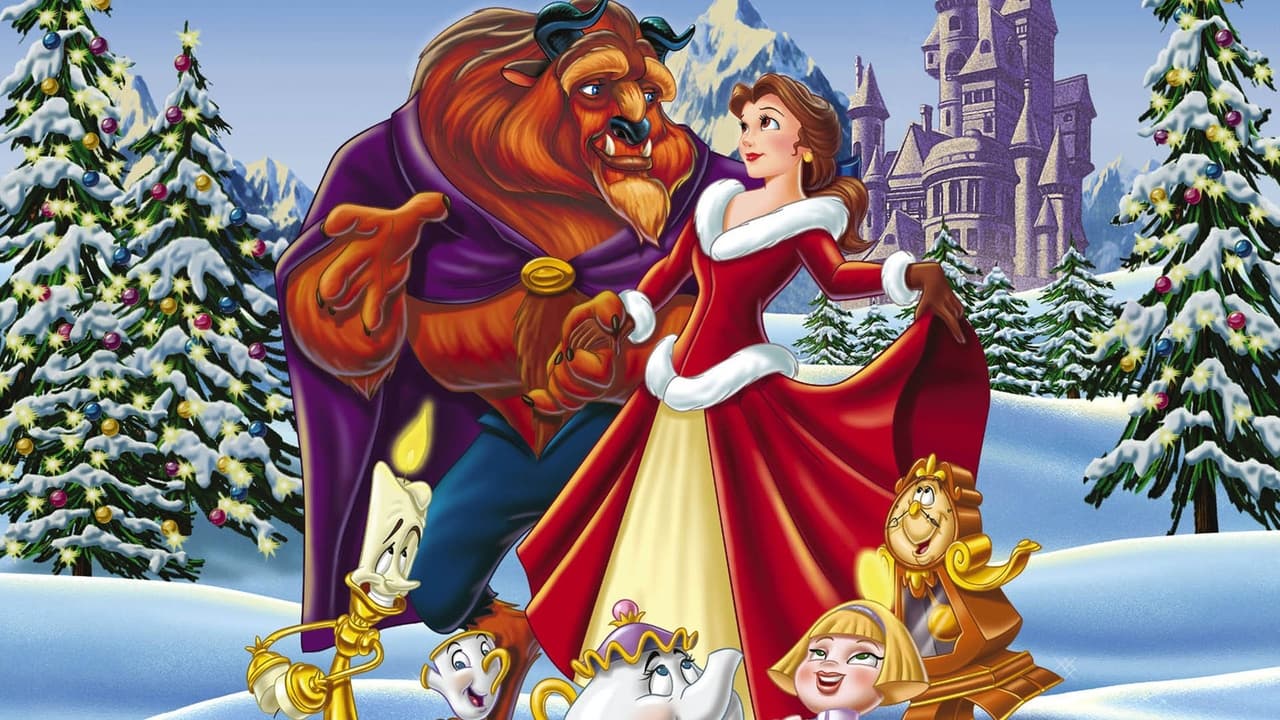
However, the film does suffer from the technical limitations of its era. You can tell where the budget was pinched—the backgrounds aren't quite as lush, and the character models occasionally go "off-model" in the faster action sequences. But looking back, there's a charm to this transition period. It was a time when the studio was trying to bridge the gap between the analog artistry of the Renaissance and the digital future. It’s a film that exists because of a marketing mandate, yet it’s filled with people who clearly wanted to do more than just cash a paycheck.
Ultimately, Beauty and the Beast: The Enchanted Christmas is a strange, moody little ornament. It lacks the cohesive perfection of the first film, and the "mid-quel" logic requires you to ignore the fact that the Beast’s character arc seems to regress significantly for the sake of the plot. But as a character study of a cursed prince and a showcase for Tim Curry's voice-acting brilliance, it’s far more interesting than the average cash-in. It’s a reminder of a time when even "straight-to-video" meant a full orchestral score and a cast of legends.
It's the kind of movie that works best on a Tuesday in December when the sun sets at 4:00 PM and you’re feeling a little bit lonely. It treats the holidays not as a magical cure-all, but as something that can be genuinely difficult to navigate when you're carrying baggage. For a Disney sequel, that’s a surprisingly grown-up sentiment. It’s not a masterpiece, but it’s got a soul, and that counts for a lot in the world of corporate franchises.
Keep Exploring...
-
Beauty and the Beast
1991
-
Cinderella II: Dreams Come True
2002
-

The Swan Princess
1994
-
Pocahontas II: Journey to a New World
1998
-
Cinderella III: A Twist in Time
2007
-
Lady and the Tramp II: Scamp's Adventure
2001
-
DuckTales: The Movie - Treasure of the Lost Lamp
1990
-
Barbie in the Nutcracker
2001
-

The Ant Bully
2006
-
Shrek the Halls
2007
-
Tinker Bell
2008
-

Arthur and the Revenge of Maltazard
2009
-
Tinker Bell and the Lost Treasure
2009
-
Arthur 3: The War of the Two Worlds
2010
-
Tinker Bell and the Great Fairy Rescue
2010
-
A Monster in Paris
2011
-
The Boxtrolls
2014
-

The Return of Jafar
1994
-

Aladdin and the King of Thieves
1996
-
James and the Giant Peach
1996