Boogie Nights
"High-octane hedonism and the crushing weight of the morning after."
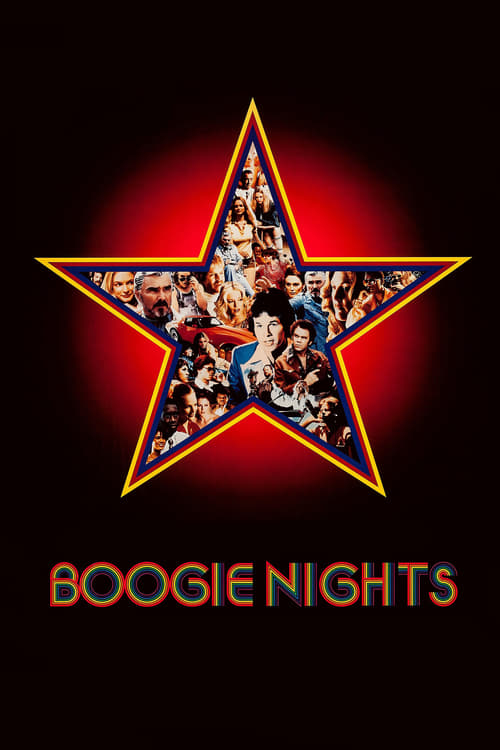
The first time I popped the Boogie Nights DVD into my player, I was mostly just curious to see if the guy from the Funky Bunch could actually act. It was the late 90s, and the indie film explosion was in full swing. We were all obsessed with finding the next big thing after Tarantino, and Paul Thomas Anderson arrived like a lightning bolt. I watched this movie in a cramped college dorm room while my roommate was trying to study for a geology mid-term; by the time the credits rolled, he’d abandoned his textbooks and we were both staring at the screen in a sort of shell-shocked silence.
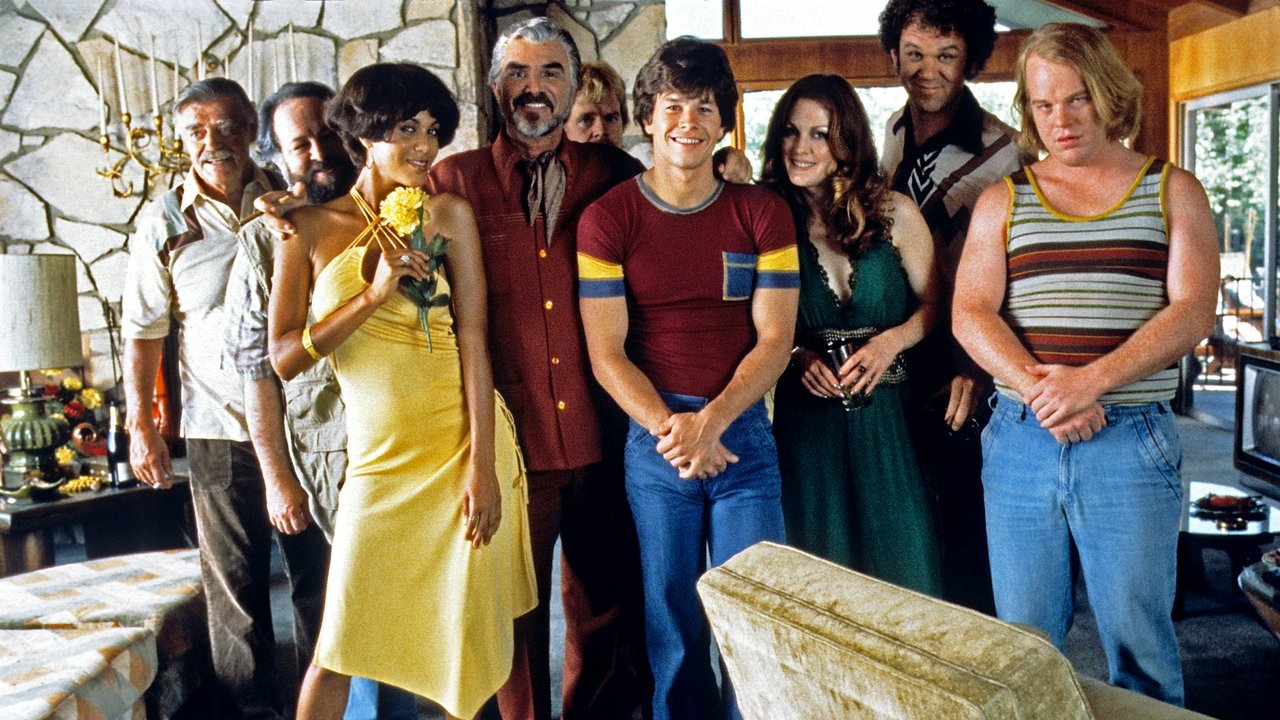
Boogie Nights isn’t just a movie about the adult film industry; it’s a sprawling, Shakespearean tragedy disguised as a disco party. It’s about the desperate, human need to belong to something—even if that "something" is a makeshift family of misfits filming low-budget smut in the San Fernando Valley.
The Long Walk into the Neon
The film opens with one of the most audacious tracking shots in cinema history. We glide from the street, through the doors of a nightclub, and weave through a dozen different conversations before landing on Burt Reynolds as Jack Horner. It’s a bravura piece of filmmaking that took 28 takes to get right, and it perfectly mirrors the 1970s era it depicts: fluid, confident, and slightly dizzying.
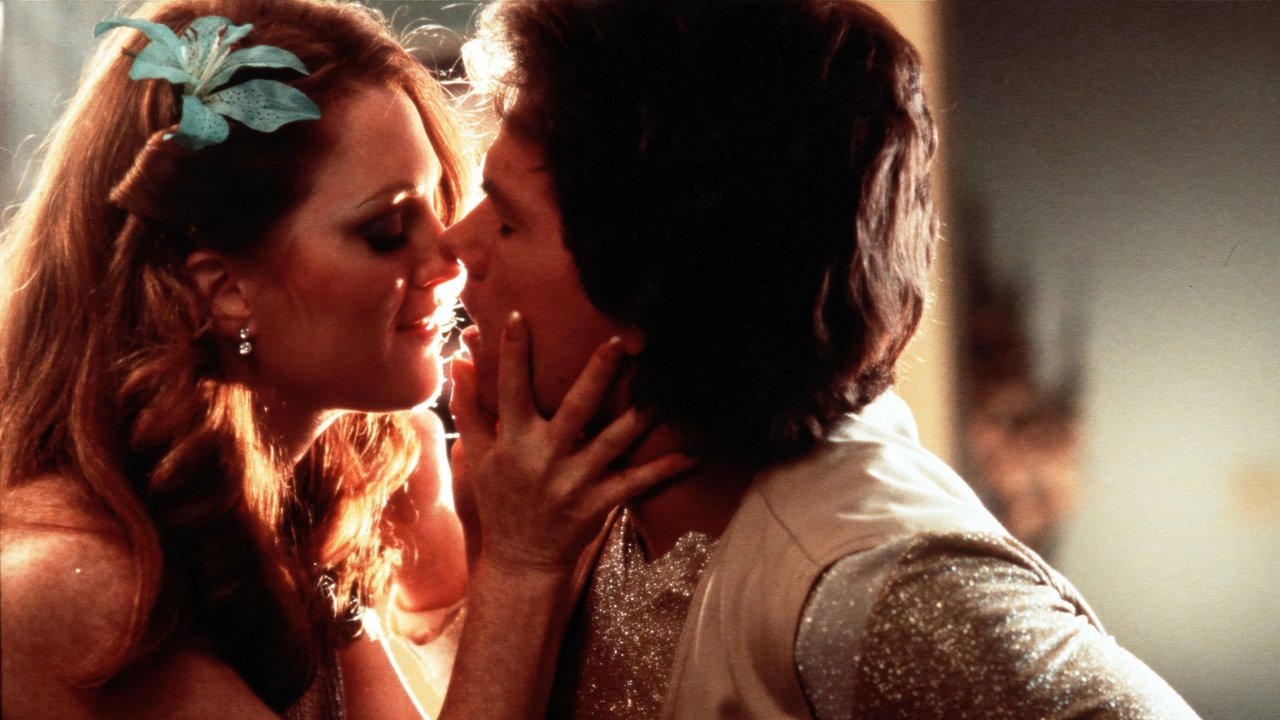
Mark Wahlberg is a revelation as Eddie Adams (soon to be Dirk Diggler). There’s a sweet, vacant sincerity to his performance that makes his eventual downward spiral into 1980s drug addiction genuinely painful to watch. He’s surrounded by a powerhouse ensemble, including Julianne Moore as the maternal but broken Amber Waves and John C. Reilly as the dim-witted, loyal Reed Rothchild. Their chemistry makes the "family" feel real. You aren't just watching actors; you're watching a group of people who have found a weird, taboo sanctuary in each other.
The Death of Film and the Birth of the Cold Eighties
Looking back from our digital age, Boogie Nights feels like a eulogy for analog. The midpoint of the film, where the calendar flips from 1979 to 1980, is one of the most effective tonal shifts I’ve ever seen. The warm, amber glow of the 70s—shot on film that looks like it was dipped in honey—gives way to the harsh, flat, ugly aesthetic of the early 80s.
This is where the "Cerebral Drama" kicks in. Anderson uses the transition from film stock to videotape as a metaphor for the cheapening of the human soul. Jack Horner wants to make "art," but the 80s only want "content"—cheap, fast, and disposable. It’s a transition we’ve seen happen a dozen times since, from the death of the mid-budget drama to the rise of TikTok, and it makes the film feel incredibly prescient. Burt Reynolds' hairpiece deserves its own IMDb page and possibly a SAG award for the way it seems to lose its luster as the decade turns. Reynolds famously hated the film during production, nearly getting into a fistfight with Anderson, and he even fired his agent after seeing a rough cut. Then he won a Golden Globe and realized he’d accidentally made a masterpiece.
The Art of the Meltdown
If you want to talk about "earned" drama, look no further than the firecracker scene at the end of the film. Alfred Molina shows up for a ten-minute cameo as a drug dealer in a bathrobe, and the tension is so thick you could choke on it. The constant, rhythmic popping of firecrackers in the background creates a sense of impending doom that feels more "horror" than "drama." It’s a masterclass in pacing.
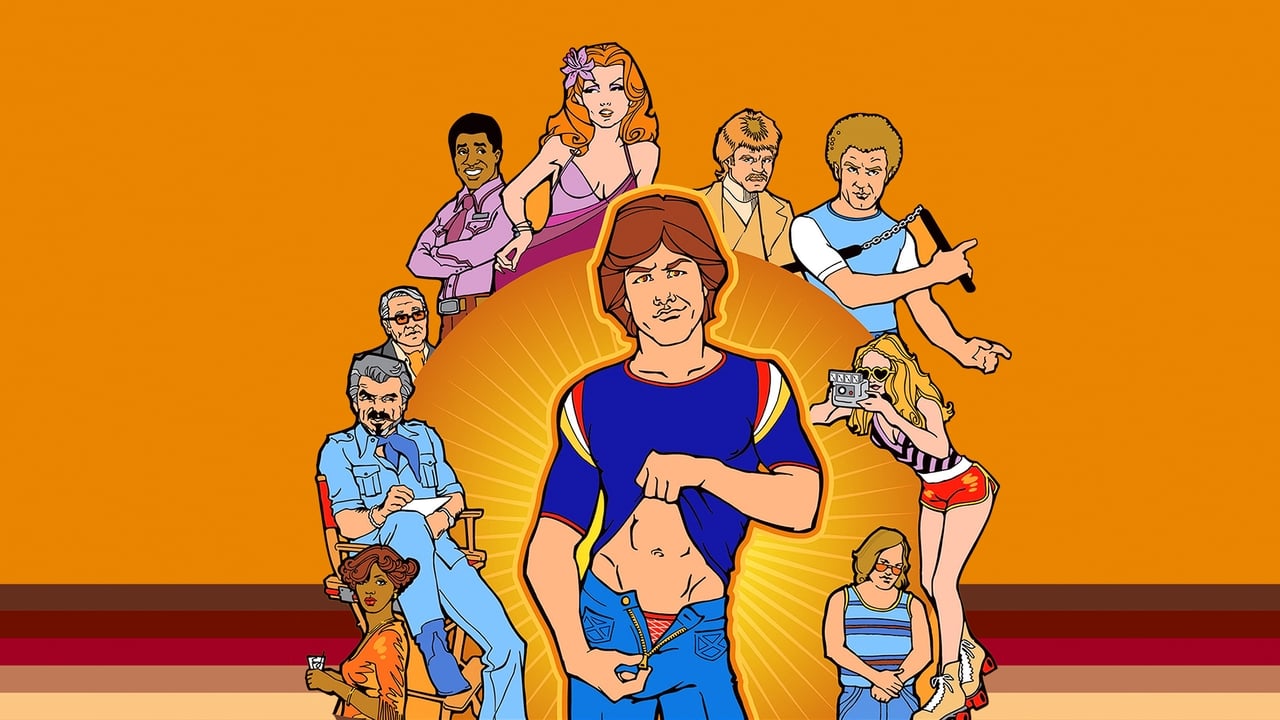
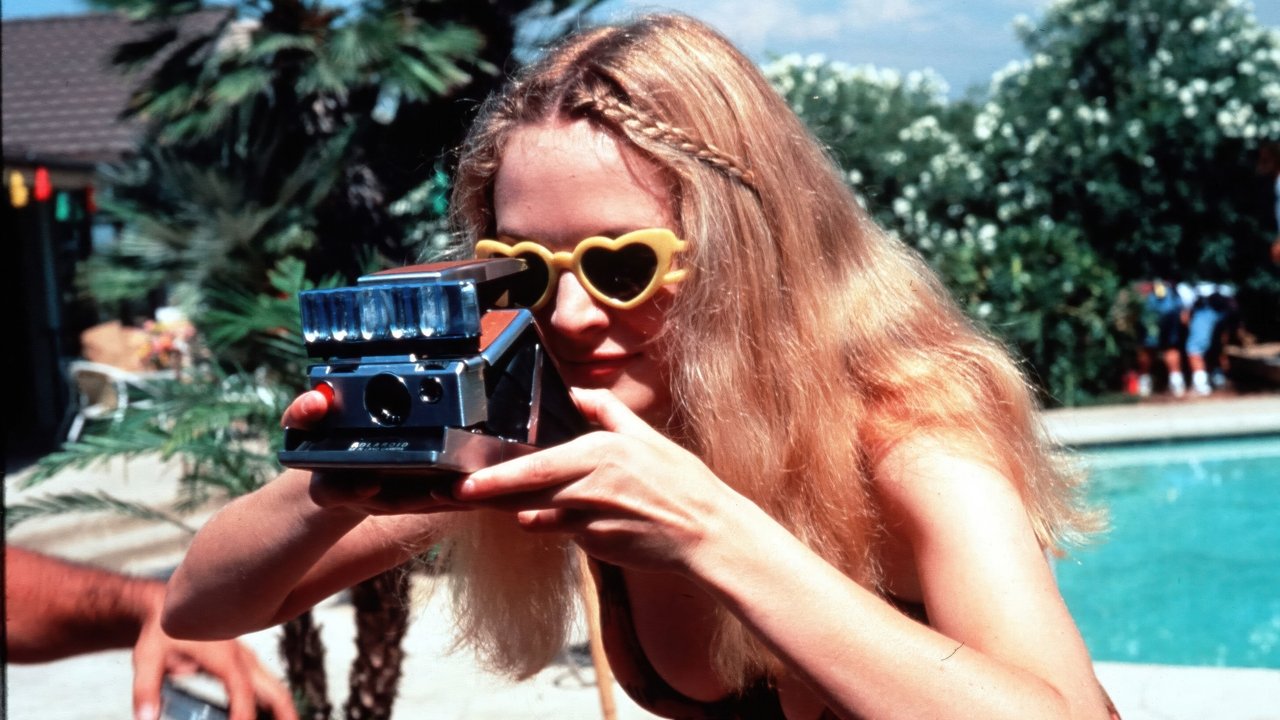
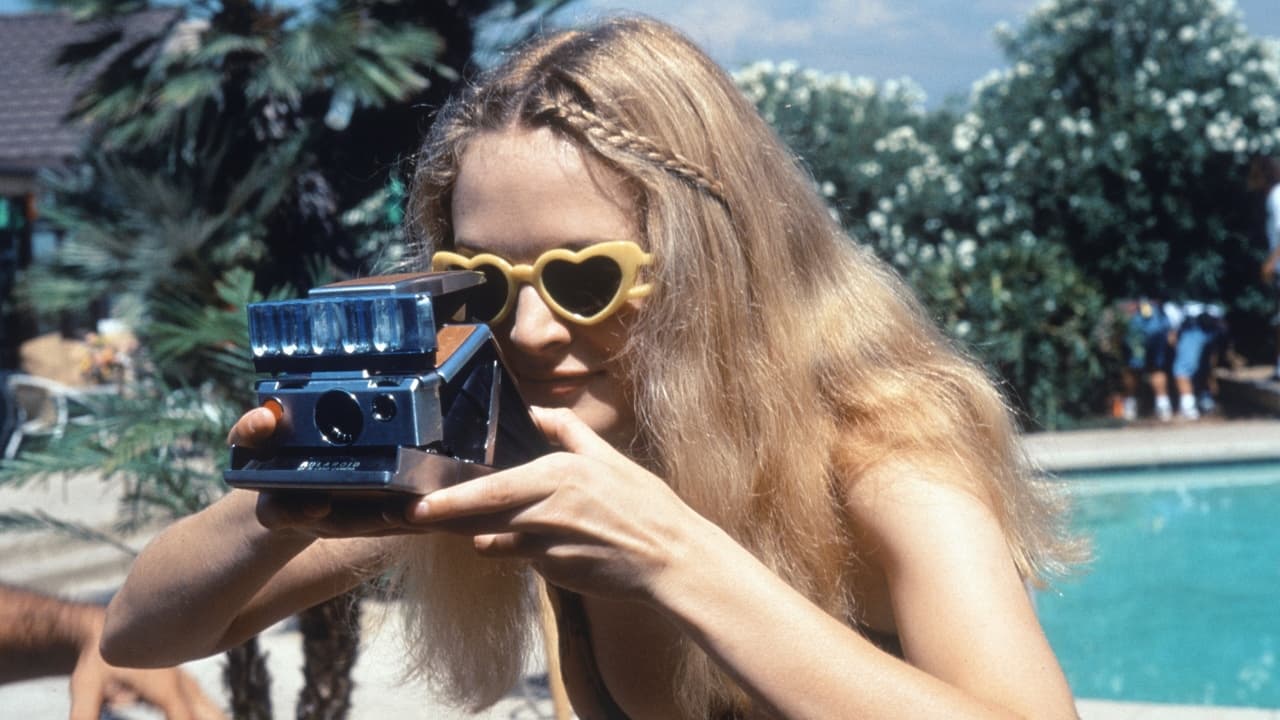
The film is littered with these small, character-focused gems. Don Cheadle as Buck Swope, the stereo salesman who just wants to be a cowboy, provides the film’s moral heart. Heather Graham as Rollergirl—who never takes off her skates—gives us a haunting look at a girl who has completely replaced her identity with a gimmick just to survive.
Interestingly, the Dirk Diggler character wasn't a new invention for Anderson. He originally created the persona for a mockumentary short called The Dirk Diggler Story when he was only 17 years old. You can feel that youthful obsession in the final product; it’s a film made by someone who is clearly head-over-heels in love with the process of making movies, even when the movies being made are objectively ridiculous.
Boogie Nights is the kind of film that rewards you for paying attention to the edges of the frame. It manages to be hilarious, heartbreaking, and deeply philosophical about the nature of fame and the fragility of ego. It’s a 156-minute epic that never feels long, leading us through the highest highs and the most pathetic lows of the human experience. Whether you’re here for the 70s nostalgia or the searing character studies, it’s an absolute essential for anyone who takes cinema seriously. Just maybe don't watch it with your parents.
Keep Exploring...
-
Magnolia
1999
-
Punch-Drunk Love
2002
-
The Master
2012
-

Hard Eight
1997
-
There Will Be Blood
2007
-

What's Eating Gilbert Grape
1993
-
Inherent Vice
2014
-
10 Things I Hate About You
1999
-
Girl, Interrupted
1999
-
Licorice Pizza
2021
-

The Legend of 1900
1998
-
All About My Mother
1999
-
Spirit: Stallion of the Cimarron
2002
-
Scent of a Woman
1992
-
Awakenings
1990
-
Coach Carter
2005
-
The Wrestler
2008
-
Moonrise Kingdom
2012
-
The Book Thief
2013
-
Phantom Thread
2017