Breakdown
"The road to hell is paved with good intentions and bad transmissions."
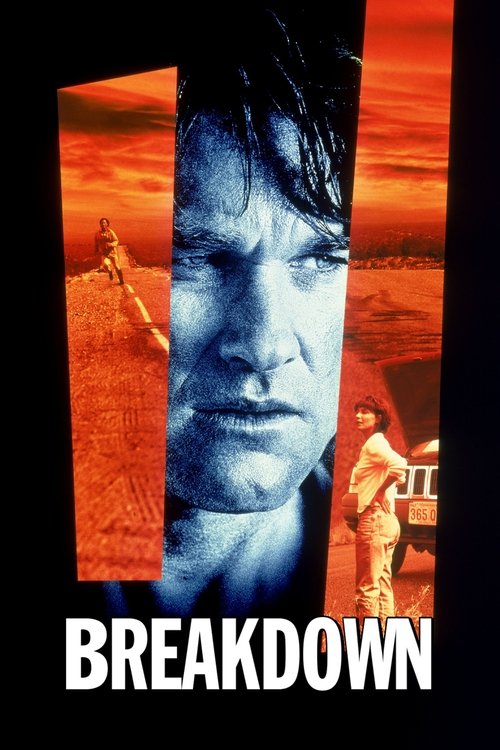
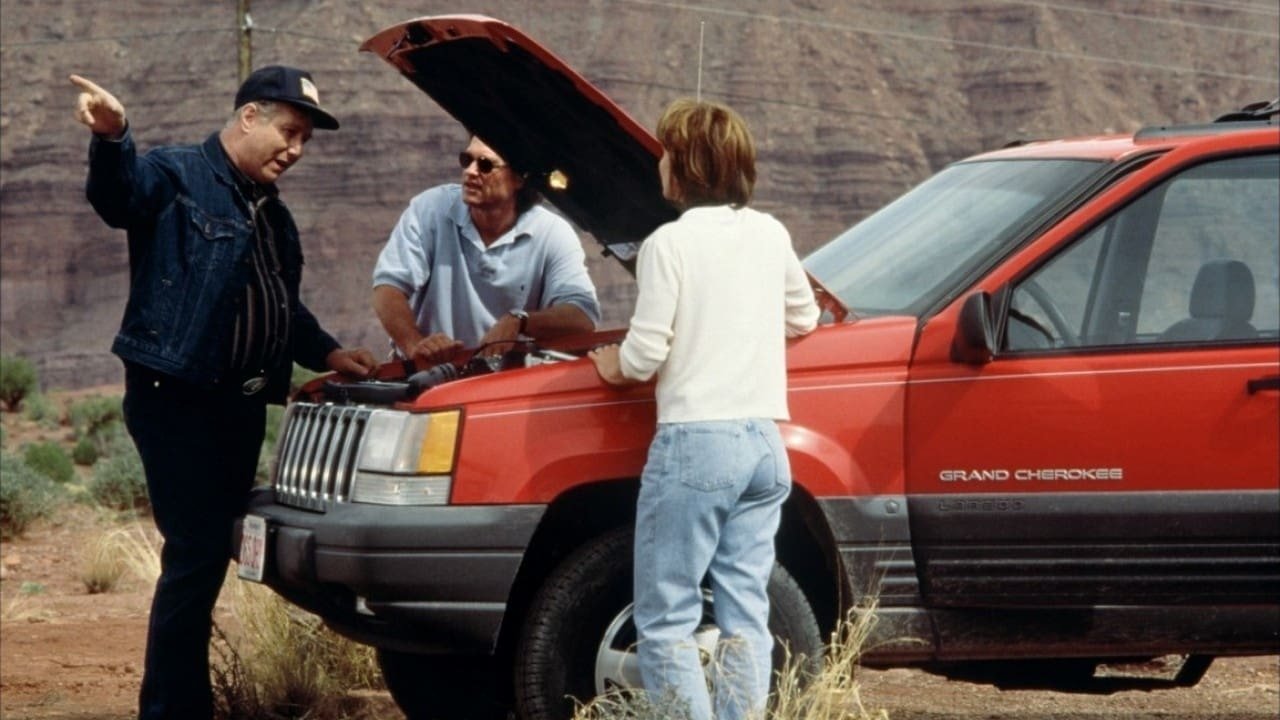
There’s a specific kind of dread that only exists in the American Southwest—a place where the horizon is too wide, the sun is too honest, and in 1997, cell service was a sci-fi fantasy. It’s the kind of environment where a shiny new Jeep Grand Cherokee doesn't look like a status symbol; it looks like a target. Jonathan Mostow’s Breakdown understands this geography of fear perfectly, stripping away the bloat of late-90s blockbusters to deliver 93 minutes of pure, high-octane anxiety.
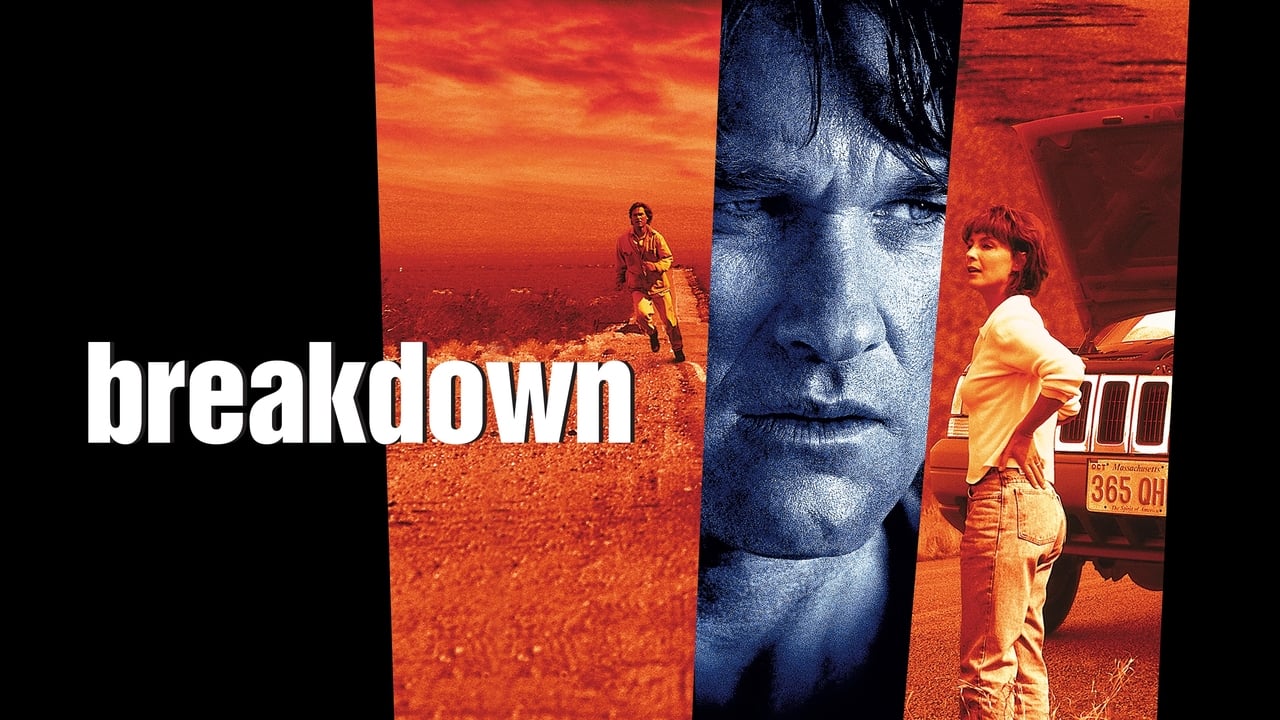
I recently rewatched this on a dusty DVD I unearthed from the back of a closet while my neighbor was outside operating a leaf blower for three straight hours. Surprisingly, the constant, low-frequency drone of his landscaping equipment provided the perfect acoustic wallpaper for a movie dominated by the roar of semi-truck engines and the crunch of gravel. It made the whole experience feel appropriately abrasive.
The Everyman in a Polo Shirt
By the mid-90s, the era of the invulnerable super-soldier was cooling off. We didn't want John Matrix; we wanted someone who looked like he worried about his 401(k). Enter Kurt Russell as Jeff Taylor. Russell is a god-tier actor for this specific niche because he can pivot from "charming rogue" to "terrified husband" without losing an ounce of credibility. In Breakdown, he and his wife Amy (Kathleen Quinlan, fresh off Apollo 13) are driving to San Diego when a minor altercation with some locals leads to a mechanical failure in the middle of nowhere.
When a seemingly friendly trucker (J. T. Walsh) offers to drive Amy to a nearby diner to call for help, Jeff stays with the car. It’s a decision that haunts the rest of the film. When Jeff finally gets the Jeep running and makes it to the diner, Amy is gone. No one has seen her. And when he finally catches up to the trucker, the man looks him dead in the eye and claims they’ve never met. Jeff Taylor is basically a walking J.Crew catalog who accidentally wandered into a slasher movie, and watching his civilized veneer strip away is the film's greatest engine.
Diesel Engines and Practical Magic
What strikes me most looking back is how tactile everything feels. We were right on the cusp of the CGI revolution—The Matrix was only two years away—but Breakdown is a proud relic of the analog age. When a car flips here, it’s because a stunt coordinator rigged a nitrogen cannon to a real chassis and launched it into the dirt. There’s a weight to the violence and a grit to the chase sequences that you just don't get when pixels are doing the heavy lifting.
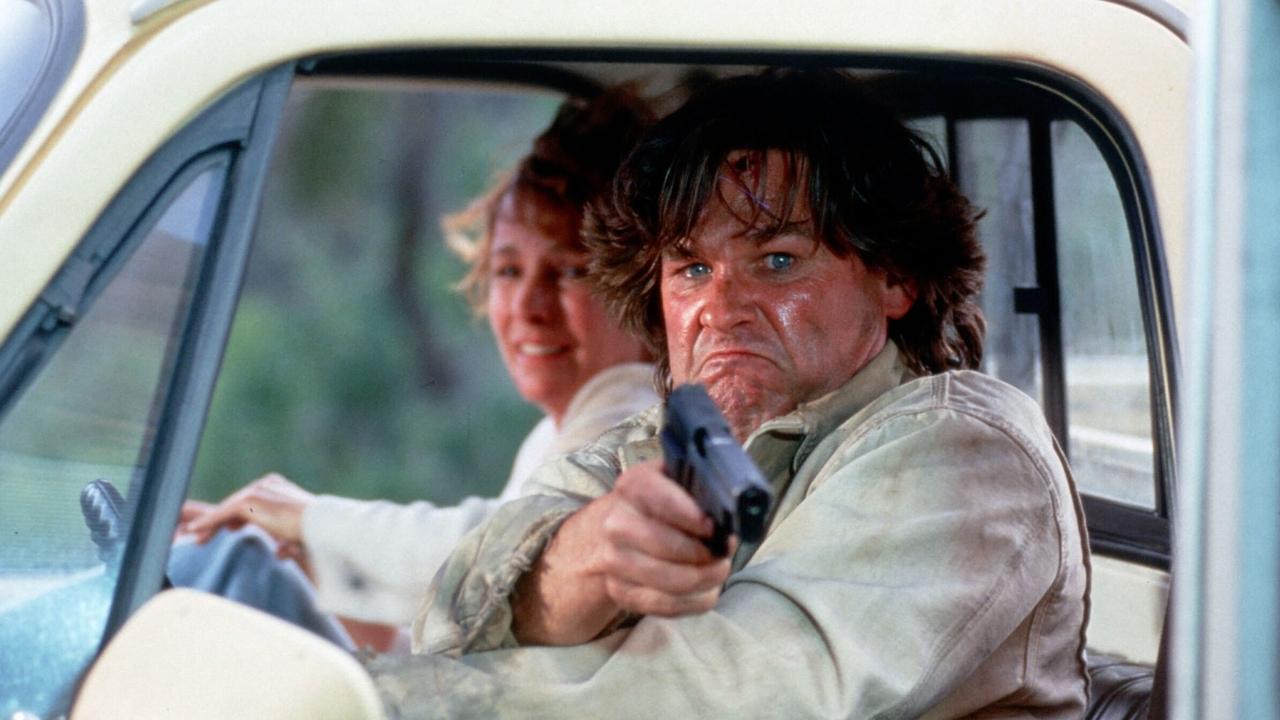
The action choreography, handled by Mostow and his crew (including the legendary Dino De Laurentiis in the producer's chair), is remarkably clear. You always know where Jeff is in relation to the looming semi-trucks. The final set piece involving a bridge and a dangling truck is a masterclass in tension—I genuinely chewed through a thumbnail watching a vehicle dangle over a ravine, even though I knew exactly how the movie ended. It’s a reminder that stakes feel higher when you can see the heat haze coming off the asphalt and the actual dent in the fender.
The Banality of Evil
We have to talk about J. T. Walsh. If the 90s had a Mount Rushmore of character actors who could make a "polite" conversation feel like a death sentence, Walsh is front and center. He was the king of the "bureaucratic villain" in films like A Few Good Men and The Negotiator, but here, as Red Barr, he’s something more primal. He represents a specific American nightmare: the smiling neighbor who would just as soon bury you in a shallow grave as shake your hand.
This was one of Walsh's final roles before his untimely passing in 1998, and it serves as a grimly perfect swan song. He doesn't play Red as a mustache-twirling psychopath; he plays him as a man clocking in for a shift. To him, kidnapping and extortion are just the family business. Supporting turns from M.C. Gainey (who you’ll recognize as the terrifying Mr. Friendly from Lost) and Jack Noseworthy add layers to this pocket of rural malice, making the "villainous local" trope feel fresh and genuinely threatening rather than like a Deliverance caricature.
A Lean, Mean Relic
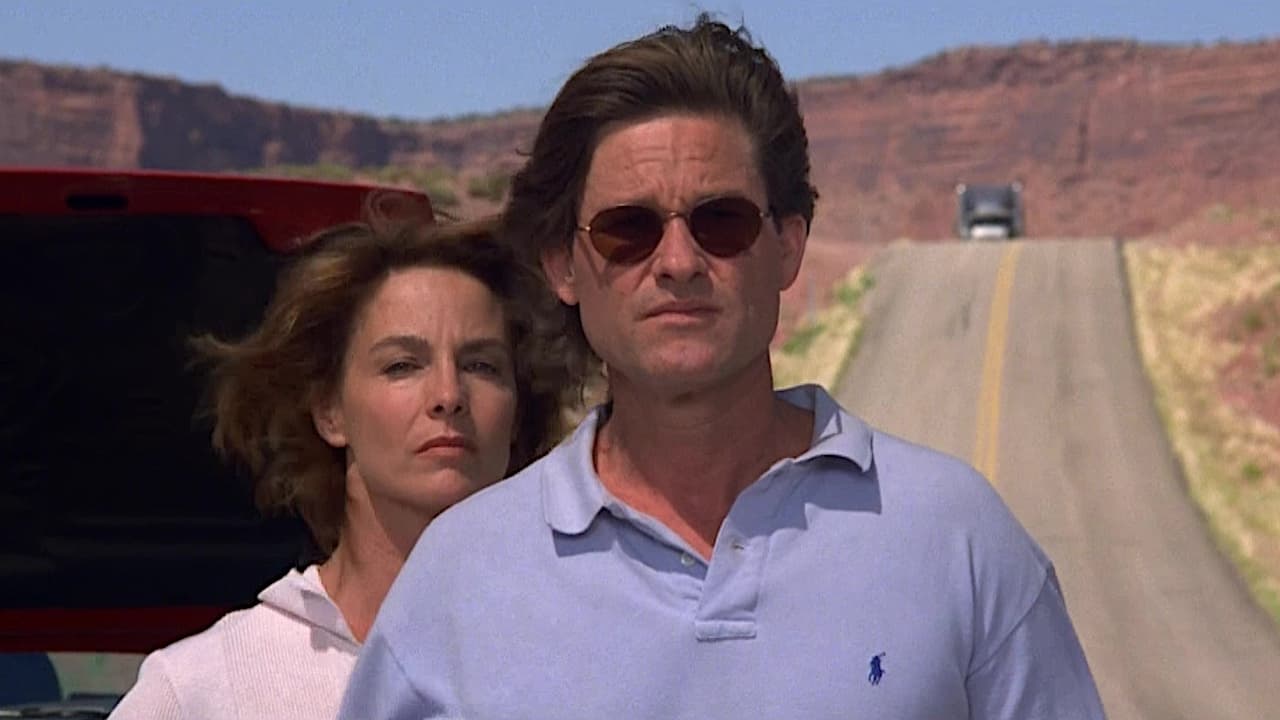
Breakdown is a "Dad Movie" in the best sense of the term. It’s efficient, it doesn't waste time on unnecessary subplots, and it understands that a man’s relationship with his car is a sacred, fragile thing. While other 1997 hits like Titanic or The Lost World: Jurassic Park were going bigger and longer, Mostow went leaner. The score by Basil Poledouris (who did the iconic music for RoboCop and Conan the Barbarian) eschews orchestral swells for a more rhythmic, pulsing dread that keeps your heart rate north of 100 bpm.
Looking at it through a modern lens, the film is a fascinating time capsule of pre-9/11 anxieties. It’s not about global terrorism or technological collapse; it’s about the fear of the stranger on the road. It’s a theme as old as The Odyssey, but dressed up in flannel and denim. It holds up beautifully because it relies on human desperation and gravity—two things that never go out of style.
In an era of three-hour "content" dumps, a movie that knows exactly what it wants to do and gets it done in under 100 minutes feels like a miracle. Breakdown is the quintessential "hidden in plain sight" thriller of the 90s. It lacks the pretension of a "psychological study" but has more brains than your average action flick. If you’ve never seen it, or haven't seen it since the VHS days, find the best screen you can and strap in. Just maybe check your fan belt before you head out.

Keep Exploring...
-
Infernal Affairs
2002
-
Backdraft
1991
-
The Score
2001
-
In the Line of Fire
1993
-
The Client
1994
-
The Net
1995
-
Basic
2003
-
Batman: Mask of the Phantasm
1993
-

Hackers
1995
-
Kiss the Girls
1997
-
Arlington Road
1999
-
The Pledge
2001
-

The Long Kiss Goodnight
1996
-
Conspiracy Theory
1997
-
The Siege
1998
-
Payback
1999
-
Along Came a Spider
2001
-
Blood Work
2002
-
The Hunted
2003
-

Double Impact
1991