Chasing Amy
"Love is just a series of bad inkings."
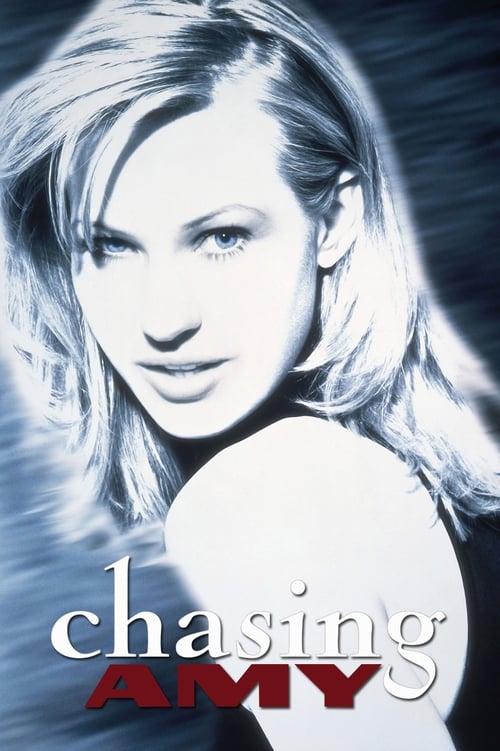
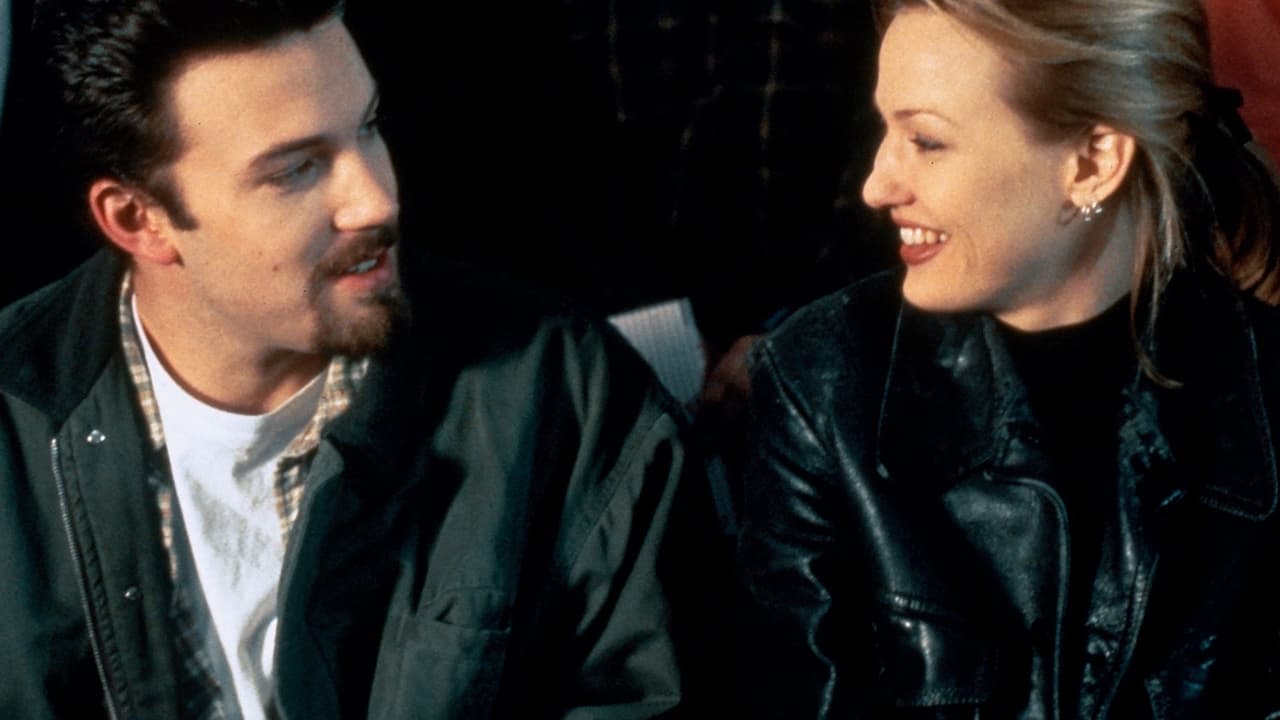
I remember watching Chasing Amy for the first time in a basement that smelled faintly of damp laundry and old newsprint, which, in retrospect, is the exact olfactory profile this movie deserves. It was the late 90s, a time when Ben Affleck was still just a guy with a slightly awkward goatee rather than a tabloid fixture, and Kevin Smith was the undisputed king of the "guys standing around talking" genre. Looking back at it now, through the hazy lens of three decades, the film feels like a strange, bruised time capsule—a record of a moment when indie cinema was allowed to be messy, problematic, and deeply earnest all at once.
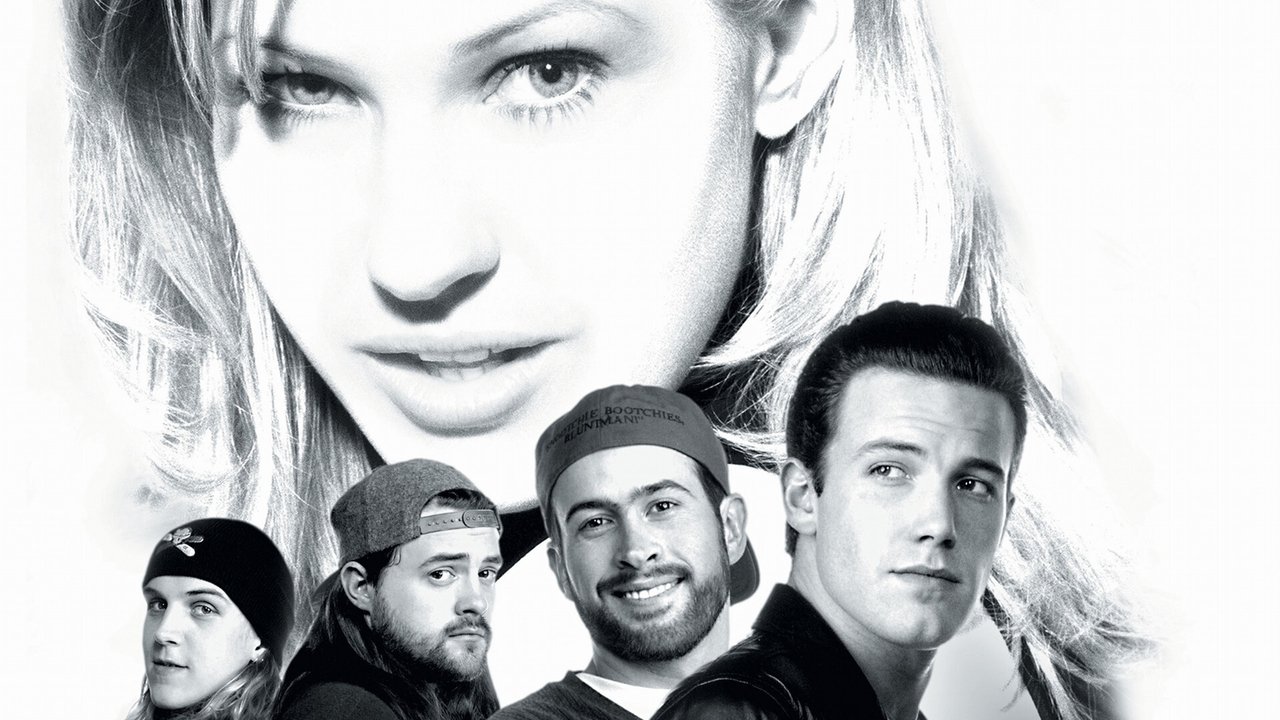
The Miramax Magic and the $250k Miracle
To understand Chasing Amy, you have to understand the mid-90s indie boom. This was the era where Miramax was turning scruffy kids from New Jersey into household names. Smith famously made Clerks for the price of a used Honda Civic, but Chasing Amy was his "mature" pivot. Shot for a lean $250,000, it’s a masterclass in how to make a movie when you can’t afford fancy lighting or a second unit. They shot in comic book shops, shared apartments, and on the streets of Manhattan, leaning entirely on the strength of the screenplay.
What strikes me now is how much the "analogness" of the world defines the story. Holden and Banky are comic book artists—not the digital illustrators of today, but guys literally putting ink to paper. There’s a tactile, grimy reality to their world that modern digital cinematography often polishes away. The film captures that specific Y2K-adjacent anxiety: the internet was coming, but for now, your entire social circle was just the four people you sat in a diner with every night. It’s a film built on conversation, and while some of those conversations have aged like milk left in a hot car, the raw energy behind them is still infectious.
The Voice and the Heartbreak
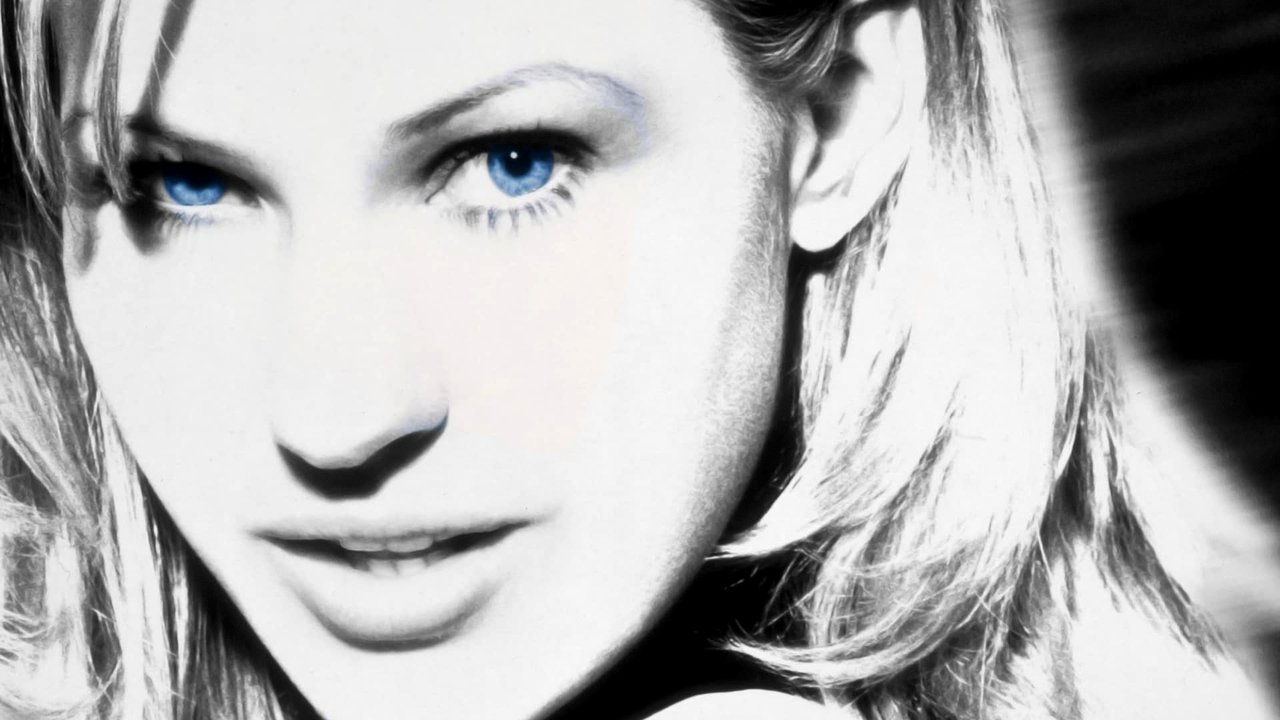
The movie lives or dies on the performance of Joey Lauren Adams as Alyssa Jones. I’ve always felt that Adams was the secret weapon of the 90s Askewniverse. With her raspy, high-pitched voice and eyes that seem perpetually on the verge of either a laugh or a breakdown, she brings a grounded humanity to a script that could have easily felt like a male fantasy. When she delivers her "fearsome" monologue about her sexual history, it isn’t just plot—it’s a challenge to the audience.
Opposite her, Ben Affleck gives us Holden McNeil, a man who is essentially the patron saint of "Nice Guys" who aren't actually that nice. Holden is charming, articulate, and utterly destroyed by his own fragile ego. Watching him today, I’m struck by how well Affleck plays the slow-motion car crash of a man who thinks he’s progressive but is actually drowning in his own prehistoric insecurities. Holden McNeil is the final boss of men who desperately need three years of therapy and a very long walk.
Then there’s Jason Lee as Banky. Lee is a comedic firecracker here, delivering Smith’s trademark vulgarity with a precision that makes you forget how ridiculous the dialogue actually is. But beneath the jokes about "the tracer," there’s a real, stinging bitterness to Banky. His character represents the toxic side of fandom and friendship—the guy who is so afraid of losing his "bro" that he’ll burn the whole world down to keep things the same.
The Tragedy of the Three-Way
If you haven't seen the film in a while, the third act is where things get truly uncomfortable. The infamous proposal—where Holden suggests a three-way with Alyssa and Banky to "fix" their relationship—remains one of the most cringe-inducing scenes in 90s cinema. At the time, I remember people thinking it was a bold, tragic attempt at a resolution. Re-watching it now, I realized it's actually a masterclass in how to accidentally nuking your entire life because you read too many comic books.
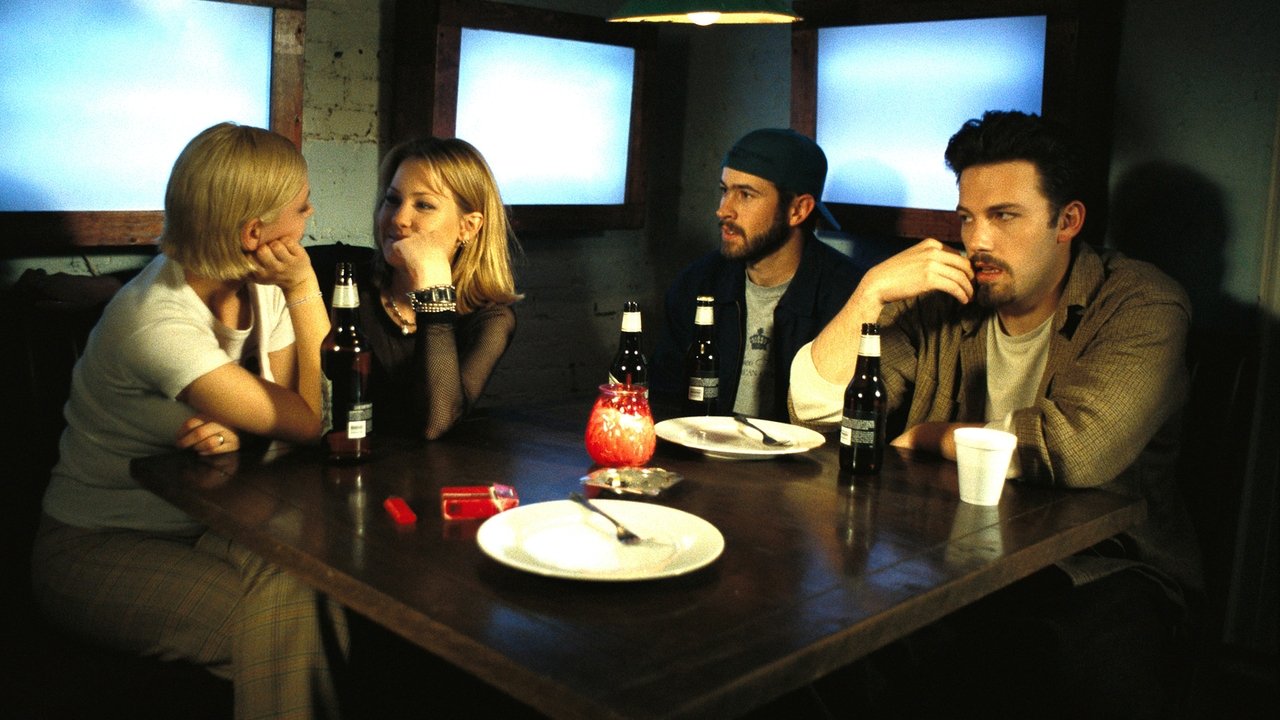
It’s a scene that reveals the film's ultimate theme: insecurity. Smith isn't actually writing a rom-com; he's writing a tragedy about how men use their partners' pasts as weapons against their own happiness. The film was groundbreaking for its time in how it discussed queer identity and fluid sexuality, even if it does so through a very straight-male lens. It’s clunky, it’s loud, and it uses terms that would get a script tossed in the bin today, but the emotional core—that feeling of being "the one who came after"—is painfully universal.
Behind the Ink and the Frames
The production was as DIY as it gets. Because the budget was so tight, the "Bluntman and Chronic" pages seen in the film were actually drawn by Mike Allred, the creator of Madman. You can feel the community effort in every frame. Apparently, the role of Alyssa was written specifically for Joey Lauren Adams, who was dating Smith at the time. That personal connection translates into a film that feels vulnerable in a way that Mallrats never did. It’s also worth noting that Dwight Ewell’s performance as Hooper LaMont—the gay, black comic creator playing an "angry militant" for the sake of marketing—is a satirical highlight that feels more relevant today than ever.
Chasing Amy isn't a perfect movie, and it certainly isn't a "safe" one by modern standards. It’s loud, frequently offensive, and ends on a note that feels like a punch to the gut. But I’d take its messy, honest heart over a polished, focus-grouped blockbuster any day. It captures a specific moment in the 90s when we were all just trying to figure out how to talk to each other without ruining everything. It’s the ultimate "growing pains" movie—not just for the characters, but for the director and the era itself.

Keep Exploring...
-
Jersey Girl
2004
-

Mallrats
1995
-
Clerks
1994
-
Dogma
1999
-

Clerks II
2006
-
Jay and Silent Bob Strike Back
2001
-
Buffalo '66
1998
-
Secretary
2002
-
Zack and Miri Make a Porno
2008
-

Bend It Like Beckham
2002
-
Garden State
2004
-

High School Musical
2006
-
Beginners
2011
-
The First Time
2012
-
Don Jon
2013
-
The Spectacular Now
2013
-
Imagine Me & You
2006
-
Sleepless in Seattle
1993
-
Four Weddings and a Funeral
1994
-
It Could Happen to You
1994