Conspiracy Theory
"The truth is out there, and it’s driving a cab."
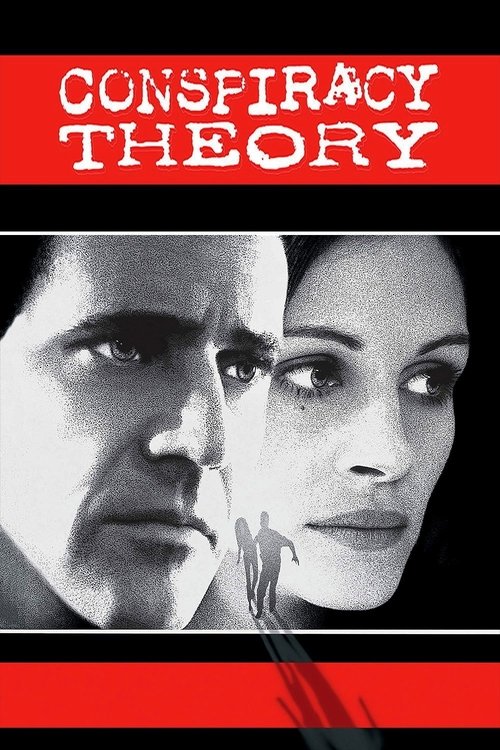
I recently rewatched Richard Donner’s Conspiracy Theory on a humid Tuesday evening while nursing a lukewarm Ginger Ale that had lost its carbonation about twenty minutes prior. Oddly enough, the flat soda perfectly matched the movie’s jittery, high-fructose energy. It’s a film that exists in that wonderful, pre-9/11 pocket of the 1990s where "shadow governments" and "black ops" were the stuff of popcorn entertainment and The X-Files marathons, rather than the grim, exhausting reality of our modern news cycles.
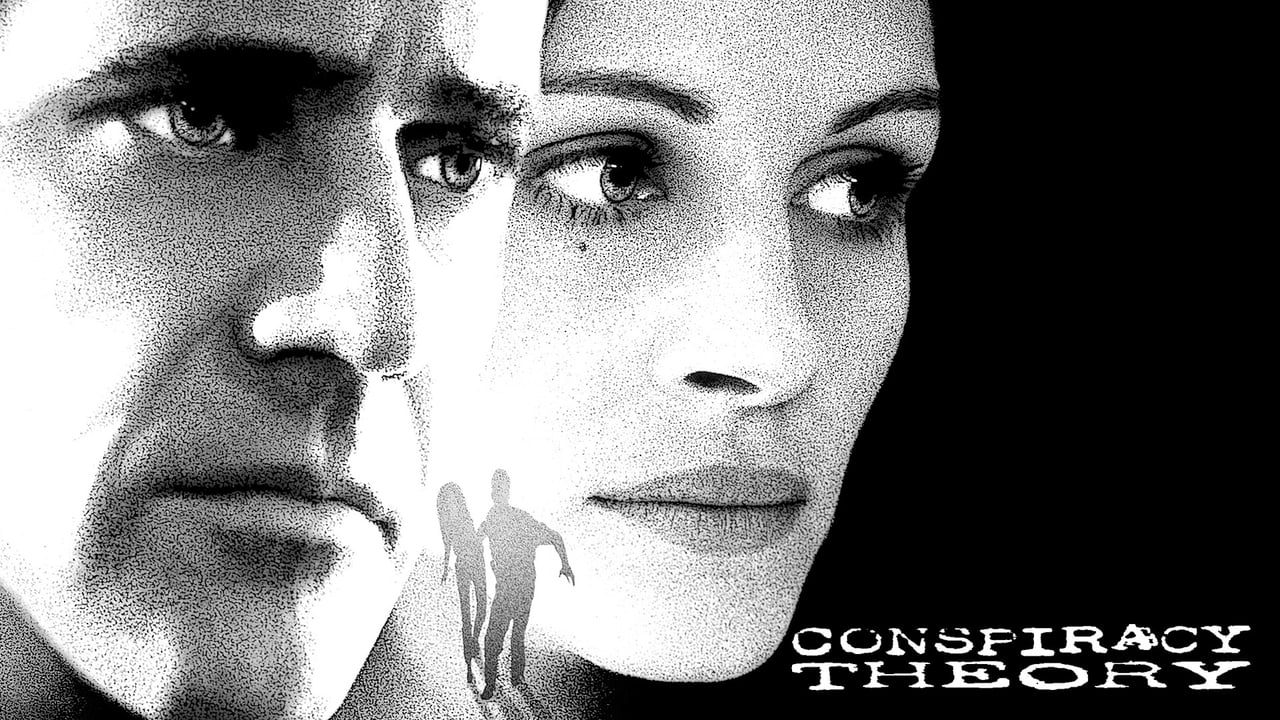
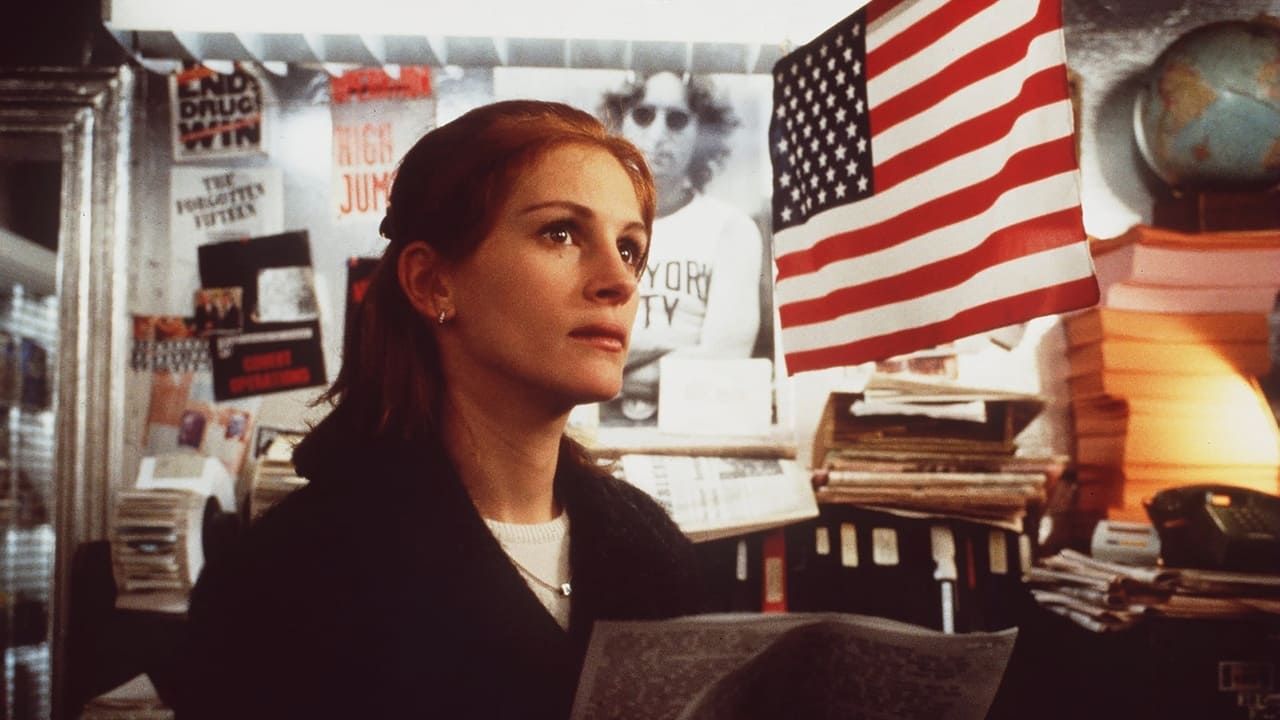
The film stars Mel Gibson as Jerry Fletcher, a New York City taxi driver who is less a character and more a collection of frantic facial tics and rapid-fire monologues. Jerry is obsessed with every fringe theory under the sun—from fluoride in the water to the secret significance of NASA shuttle missions. He spends his nights publishing a low-rent newsletter and his days trying to convince a Justice Department attorney named Alice Sutton (Julia Roberts) that the world is being run by men in dark suits. The twist, of course, is that one of Jerry’s wild stabs in the dark actually hits a target, turning him from a harmless crank into a high-value mark for a shadowy government psychiatrist played with icy, Shakespearean precision by Patrick Stewart.
The High-Wire Act of Manic Mel
Looking back at this era of Mel Gibson’s career, it’s easy to forget just how good he was at playing "damaged but charming." This was the height of his "Lethal Weapon" (1987) fame, and Donner—who directed all the Lethal Weapon films—clearly knows how to harness Gibson’s manic intensity. Jerry Fletcher is a difficult role because he should be deeply annoying. He’s the guy you’d actively avoid on the subway. Yet, Gibson brings a vulnerability to the part that makes you root for him, even when he’s duct-taping his apartment door shut and storing his coffee in a safe with a combination lock.
Julia Roberts, meanwhile, provides the necessary emotional ballast. In 1997, she was the undisputed queen of the box office (this was the same year as My Best Friend's Wedding), and she plays Alice with a grounded, skeptical intelligence. The chemistry between them is essentially a golden retriever trapped in a blender trying to woo a weary librarian, and somehow, it works. Richard Donner gives them room to breathe between the explosions, allowing for a weirdly sweet romance to bloom amidst the paranoia.
Action with a Side of Paranoia
What really strikes me now is how much Richard Donner leaned into the practical grit of New York City. Before the MCU turned every city into a CGI playground, Donner was out there actually flipping cars and staging foot chases through crowded hospitals. There is a sequence involving a wheelchair-bound Jerry trying to escape a high-security facility that is a minor masterpiece of tension and physical comedy. It’s the kind of mid-budget action choreography we rarely see anymore—clear, rhythmic, and physically impactful.
The screenplay by Brian Helgeland—who was on a legendary run at the time, having also written L.A. Confidential (1997) and Payback (1999)—is surprisingly smart about its own absurdity. It manages to balance the "mystery of the week" structure with a genuinely creepy villain in Patrick Stewart’s Dr. Jonas. Jonas is the kind of villain who doesn’t need to shout; he just stares at you with a calm, clinical detachment that makes you want to check your own pulse. Interestingly, the film’s "MKUltra" inspirations weren't just fiction; they were based on real-life CIA mind-control programs that had become public knowledge by the 90s, giving the film a thin, greasy layer of historical "what-if" that still feels slightly icky today.
A Relic of the Analog 90s
Conspiracy Theory is a fascinating time capsule of an era where information was still physical. Jerry’s "research" isn't a series of YouTube rabbit holes; it’s a stack of newspapers, clippings, and handwritten notes. The film celebrates the "lonely truth-seeker" archetype before the internet made that archetype a total nightmare to deal with at Thanksgiving dinner.
It’s also a reminder of when "The Movie Star" was the primary special effect. You aren't watching Conspiracy Theory for the plot—which, let’s be honest, gets a little tangled and nonsensical in the final act—you’re watching it to see three of the biggest stars on the planet operate at the peak of their powers. It’s a studio "program" movie executed with a level of craft and budget that simply doesn't exist for non-franchise films today.
The film has largely faded from the cultural conversation, overshadowed by the more "serious" thrillers of the late 90s like Seven or The Game. But as a piece of pure entertainment, it’s remarkably sturdy. It’s got that glossy, high-contrast cinematography by John Schwartzman (who later shot The Rock) and a propulsive score by Carter Burwell that keeps the blood pumping.
If you haven't revisited this one since the days of VHS rentals, it’s worth a look. It’s a reminder of a time when the biggest threat to the world was a secret committee in a basement rather than a global algorithm. It’s messy, a little overlong at 135 minutes, and features a truly bizarre scene involving a rendition of "Can't Take My Eyes Off You," but it’s never boring. It’s a high-octane slice of 90s paranoia that serves as a perfect companion piece to a rainy evening and a suspicious mind. Just make sure you lock your coffee in a safe before you hit play.
Keep Exploring...
-
Assassins
1995
-
Maverick
1994
-
Payback
1999
-
Lethal Weapon 4
1998
-
Lethal Weapon 3
1992
-
Breakdown
1997
-
The Score
2001
-
Blood Work
2002
-
Basic
2003
-
Edge of Darkness
2010
-
The 6th Day
2000
-

The Bourne Identity
2002
-
Signs
2002
-

Get the Gringo
2012
-
In the Line of Fire
1993
-
The Net
1995
-
Kiss the Girls
1997
-
Crimson Tide
1995
-
Executive Decision
1996
-

The Long Kiss Goodnight
1996