Contact
"Silence is about to get very loud."
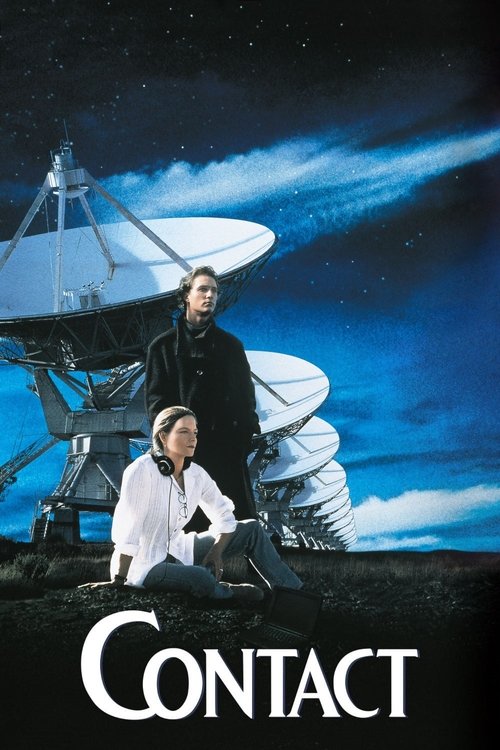
The movie opens with a shot that feels like it’s trying to rewrite your DNA. We start at Earth, surrounded by a cacophony of 90s radio hits and news snippets, and then we just... pull back. Past the Moon, past Mars, past the gas giants, as the radio signals grow older and thinner until we’re hearing FDR and finally, nothing but the cold, terrifying hiss of the cosmos. It’s a three-minute CGI flex from Robert Zemeckis (fresh off Forrest Gump) that tells you exactly what kind of time you’re in for. This isn't a "pew-pew" laser movie; it’s a movie about the crushing weight of the infinite and one woman’s refusal to blink.
I rewatched this last Tuesday while nursing a lukewarm cup of peppermint tea that I’d completely forgotten to drink because I was too busy staring at the screen. That’s the Contact effect. Even twenty-seven years later, it commands a certain level of stillness.
The Science of Stubbornness
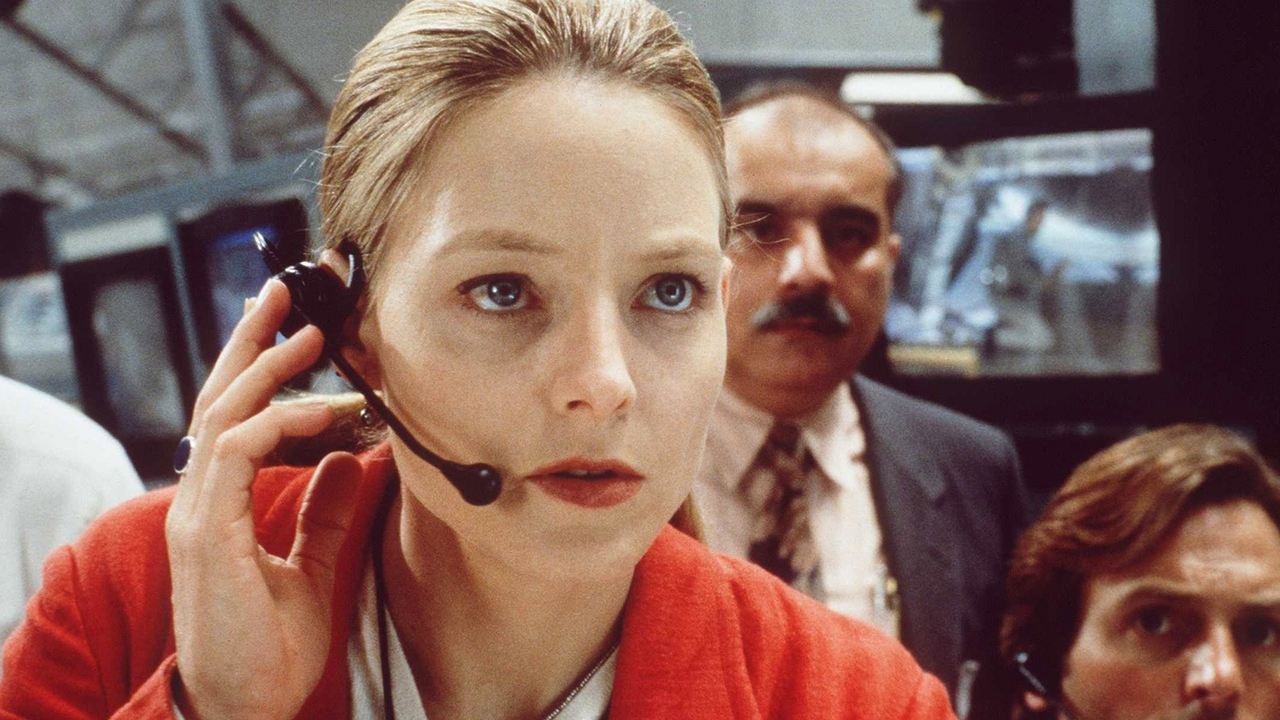
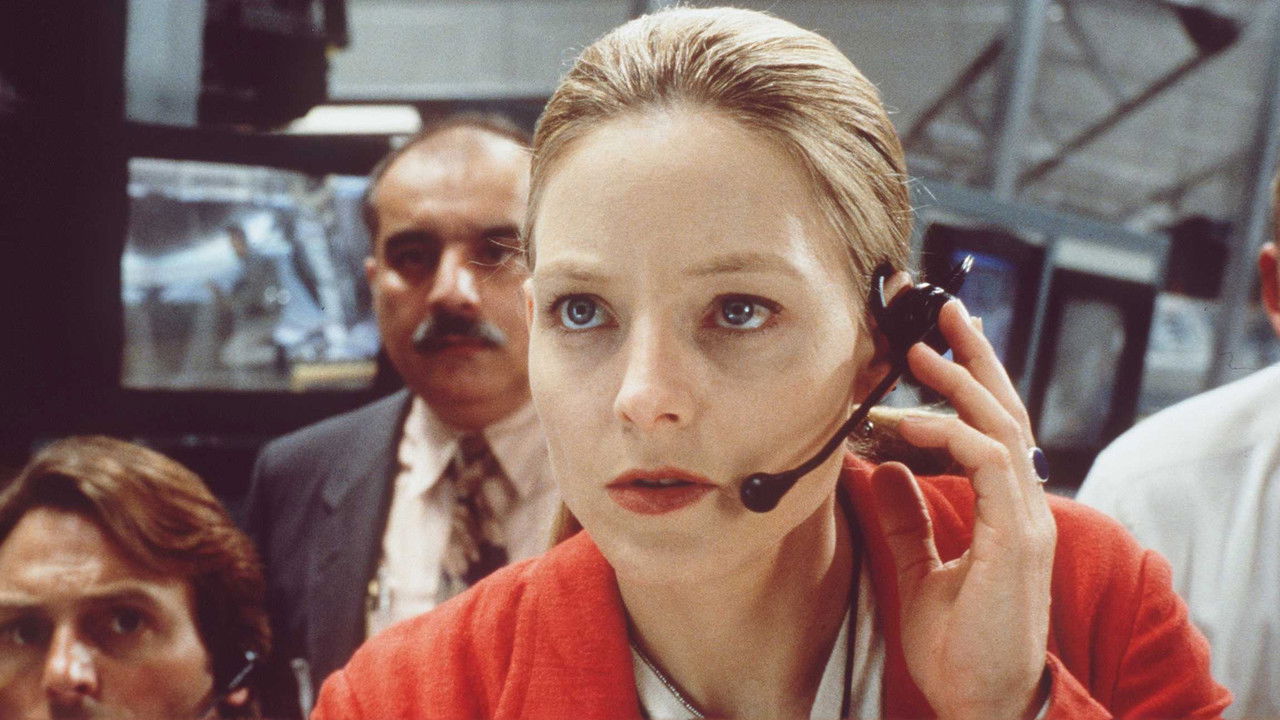
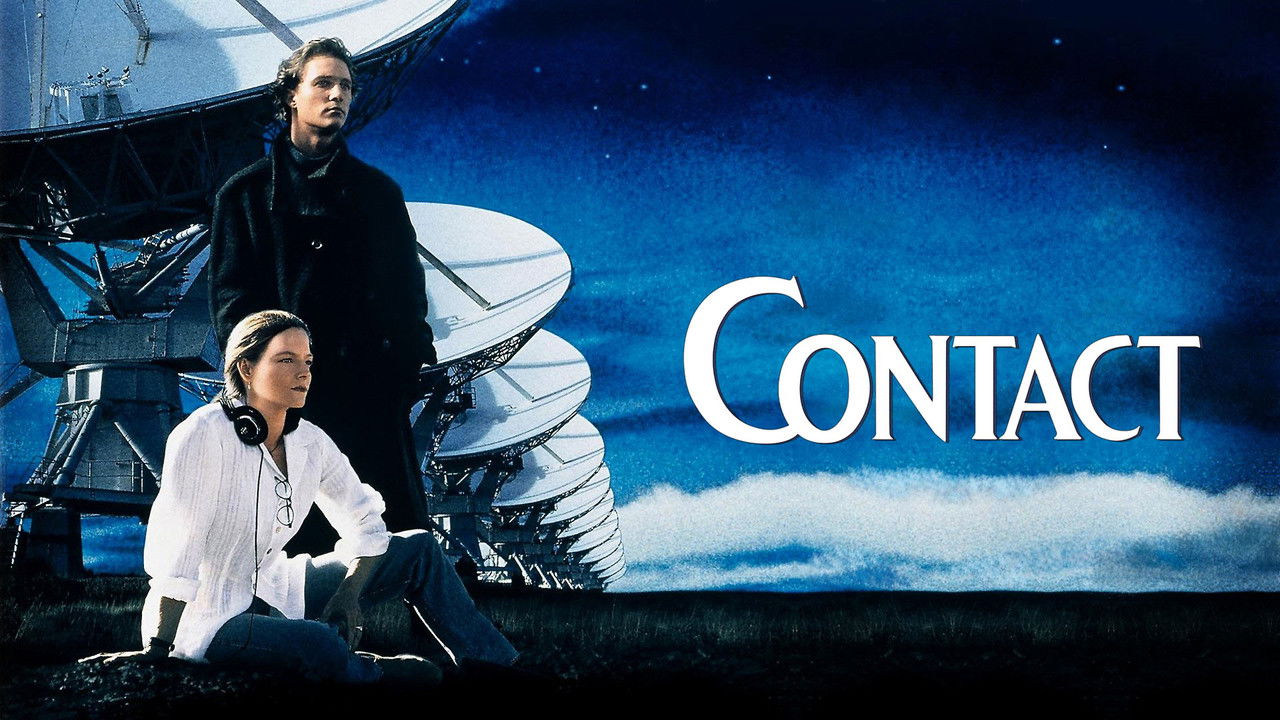
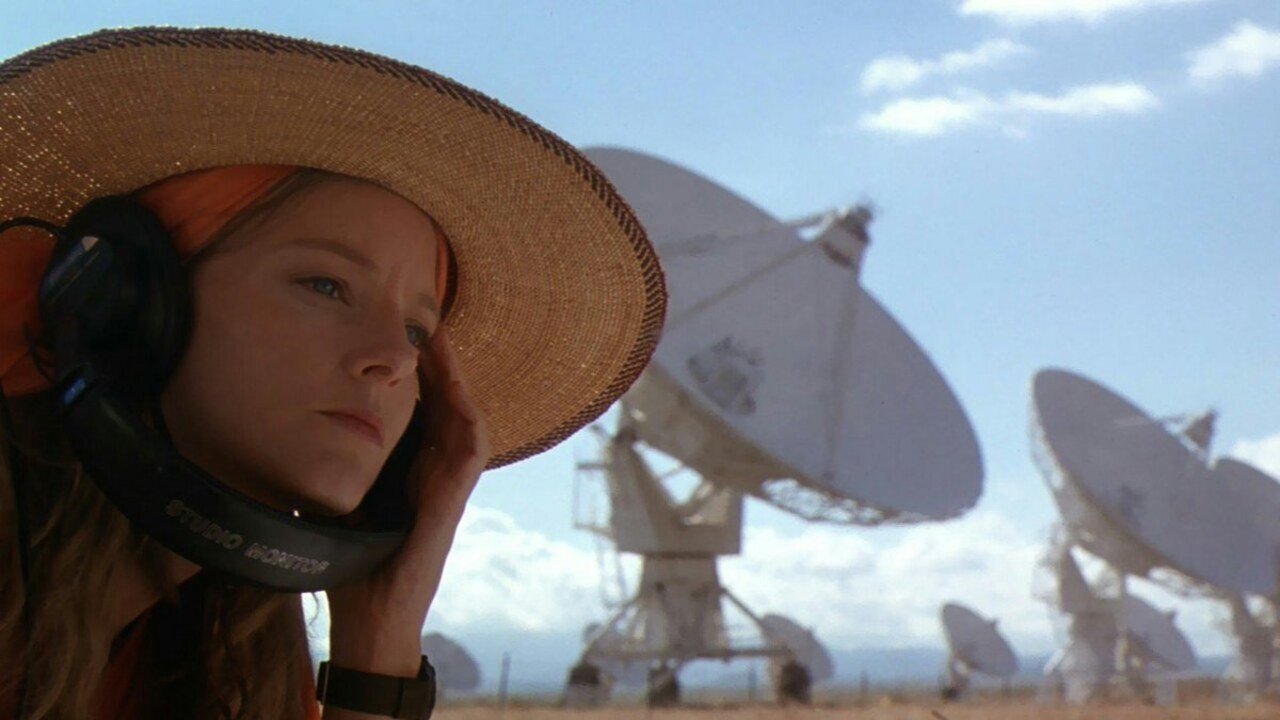
At the heart of this machine is Jodie Foster as Dr. Ellie Arroway. If you want to see a study in intellectual ferocity, this is it. Ellie isn't "approachable" or "quirky." She is a woman who has traded a normal life for the chance to listen to static, and Foster plays her with a jagged, defensive brilliance that makes her eventual awe feel earned. When she finally hears the signal—that rhythmic, mechanical thrum that sounds like a heartbeat made of industrial fans—the look on her face isn't just excitement. It’s relief.
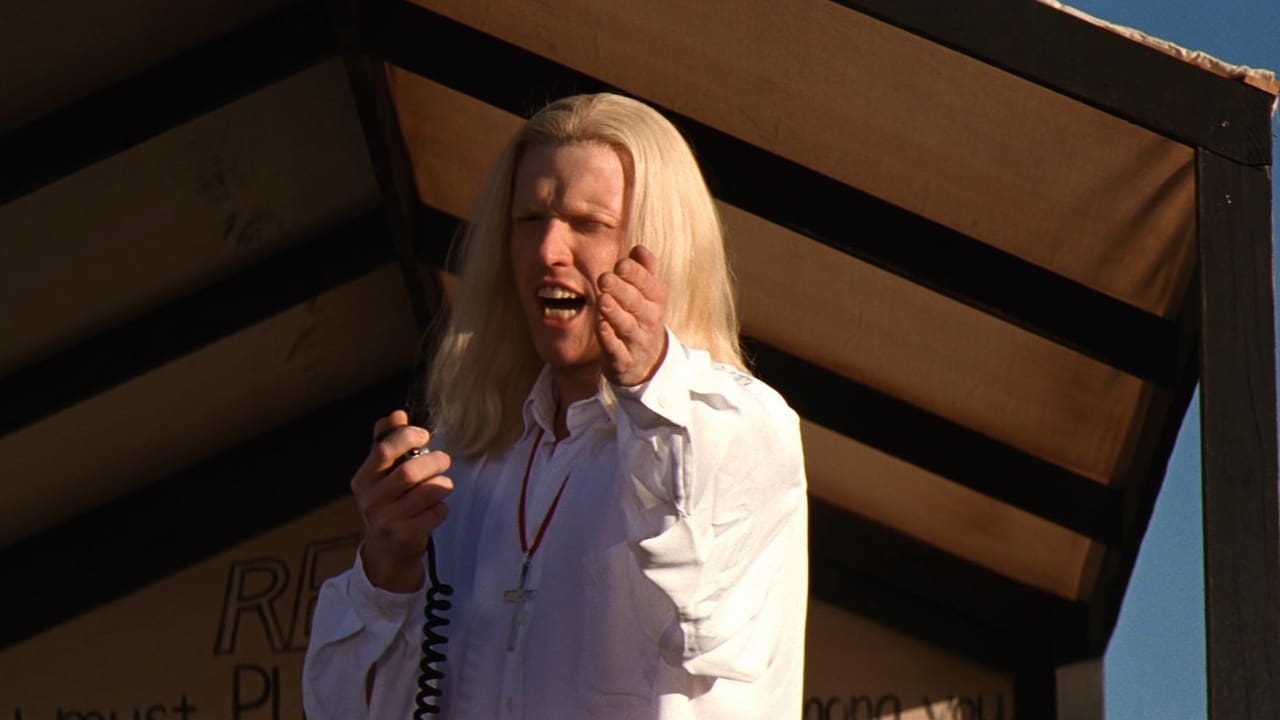
Opposite her, we get Matthew McConaughey as Palmer Joss, a "man of the cloth without the cloth." Looking back, this is such a fascinating pre-McConaissance role. He’s wearing these flowy, velvet-adjacent shirts and sporting hair that feels like it was styled by a gentle summer breeze. While the "Science vs. Religion" debates in the script can occasionally feel a bit like a high school forensics club meeting, the chemistry between Foster and McConaughey keeps it grounded in something human.
Then you have the supporting sharks. James Woods is at his most delightfully oily as Michael Kitz, a man who treats the greatest discovery in human history like a national security leak. Tom Skerritt plays David Drumlin, the kind of careerist bureaucrat we’ve all worked for—the guy who shuts down your project on Monday and takes credit for your breakthrough on Friday. I genuinely wanted to reach into the screen and steal Drumlin’s pens.
The Invisible Magic of 1997
We need to talk about the "Mirror Scene." You know the one—young Ellie runs up the stairs to the medicine cabinet, and the entire shot is revealed to be a reflection in the mirror. It’s a legendary piece of digital trickery that remains one of the most seamless "how did they do that?" moments in cinema history. Zemeckis was at the peak of his powers here, using CGI not to build monsters, but to subtly warp reality to fit his narrative.
The film captures that specific Y2K-adjacent anxiety where we were simultaneously terrified of technology and obsessed with its potential. It’s a movie that uses real CNN anchors (a move that actually got the White House a bit grumpy back in the day) to make the fiction feel like a documentary. It treats the deciphering of the alien "Primer" with the tension of a bomb disposal scene. The most unbelievable part of the movie isn’t the alien signal, it’s a government committee actually funding a massive science project without a three-year filibuster.
The production design of "The Machine"—this spinning, gimbal-heavy cathedral of chrome—is a triumph of 90s practical-meets-digital effects. It looks dangerous. It looks expensive. It looks like something humans would build if we were trying to impress a God we didn't quite believe in.
The Message in the Noise
Contact has aged into a true cult classic because it respects the audience's intelligence enough to leave the porch light on for ambiguity. When the film was released, many viewers felt cheated by the ending. They wanted a Close Encounters moment; they wanted to see the creature's dental records. But the beauty of Contact, and the reason it’s discussed in hushed tones on film forums today, is that it’s a movie about faith—not necessarily religious faith, but the faith required to believe in something you can’t prove to a committee.
Apparently, the sound of the alien signal was actually created using the audio of a pulsar, and that grounded, "real" feeling permeates the whole film. Even the late, great John Hurt, playing the eccentric billionaire S.R. Hadden, feels like he’s operating on a higher frequency. His line, "First rule in government spending: why build one when you can have two at twice the price?" is the kind of cynical truth that has only ripened with age.
The film is a reminder of a time when a major studio would drop $90 million on a movie where the climax involves a woman sitting in a chair and talking about her feelings. It’s patient, it’s loud when it needs to be, and it understands that the most terrifying and beautiful thing in the universe isn't a grey man with big eyes—it's the realization of how small we really are.
The final act takes us through a wormhole that still looks more vibrant and terrifying than most modern superhero "multiverse" sequences. It works because it stays tethered to Ellie’s gasping, terrified breath. By the time the credits roll over a silent, star-filled sky, you realize that the journey wasn't about the destination at all. It was about the fact that we were brave enough to go. My tea was stone cold by the end, but I didn't mind one bit.
Keep Exploring...
-
K-PAX
2001
-
Signs
2002
-
A Christmas Carol
2009
-
The 6th Day
2000
-
What Lies Beneath
2000
-
The Devil's Advocate
1997
-

The Game
1997
-
Bicentennial Man
1999
-
The Bone Collector
1999
-

Cast Away
2000
-
A.I. Artificial Intelligence
2001
-
Vanilla Sky
2001
-
Elysium
2013
-
Twin Peaks: Fire Walk with Me
1992
-
Strange Days
1995
-
Event Horizon
1997
-
Gattaca
1997
-
Lost Highway
1997
-
Eyes Wide Shut
1999
-

Flightplan
2005