Cop Land
"In the land of cops, justice is deaf."
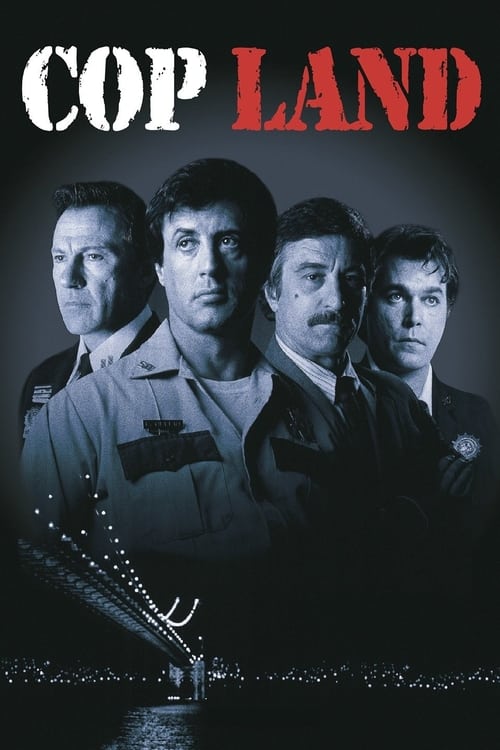
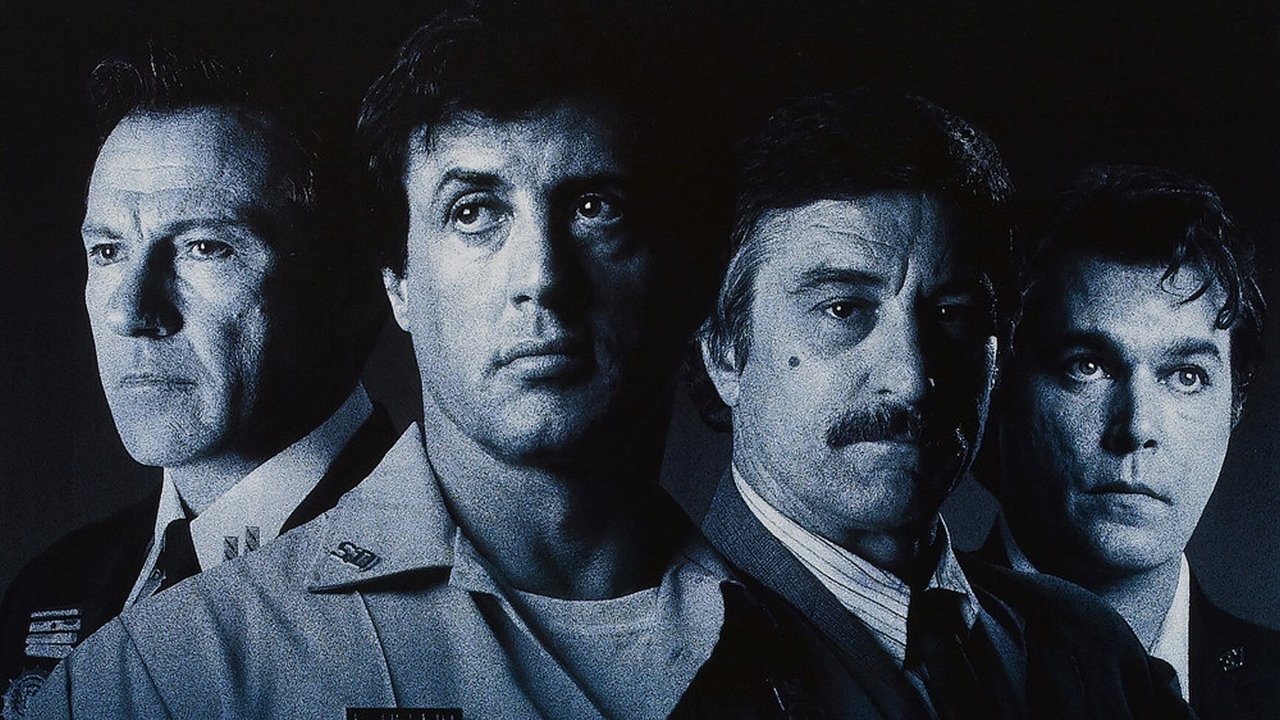
I remember walking into a Blockbuster in the early 2000s and seeing the cover for Cop Land. It’s a wall of heads—Sylvester Stallone, Robert De Niro, Harvey Keitel, and Ray Liotta. It looked like the Avengers of guys who yell at people in New York accents. I actually watched this for the first time on a humid Tuesday night while eating a bowl of cereal that had gone slightly soggy because I was too distracted by the opening credits to pick up the spoon. That’s the kind of movie this is; it doesn’t demand your attention with explosions, it just slowly leans into your personal space until you’re forced to listen.
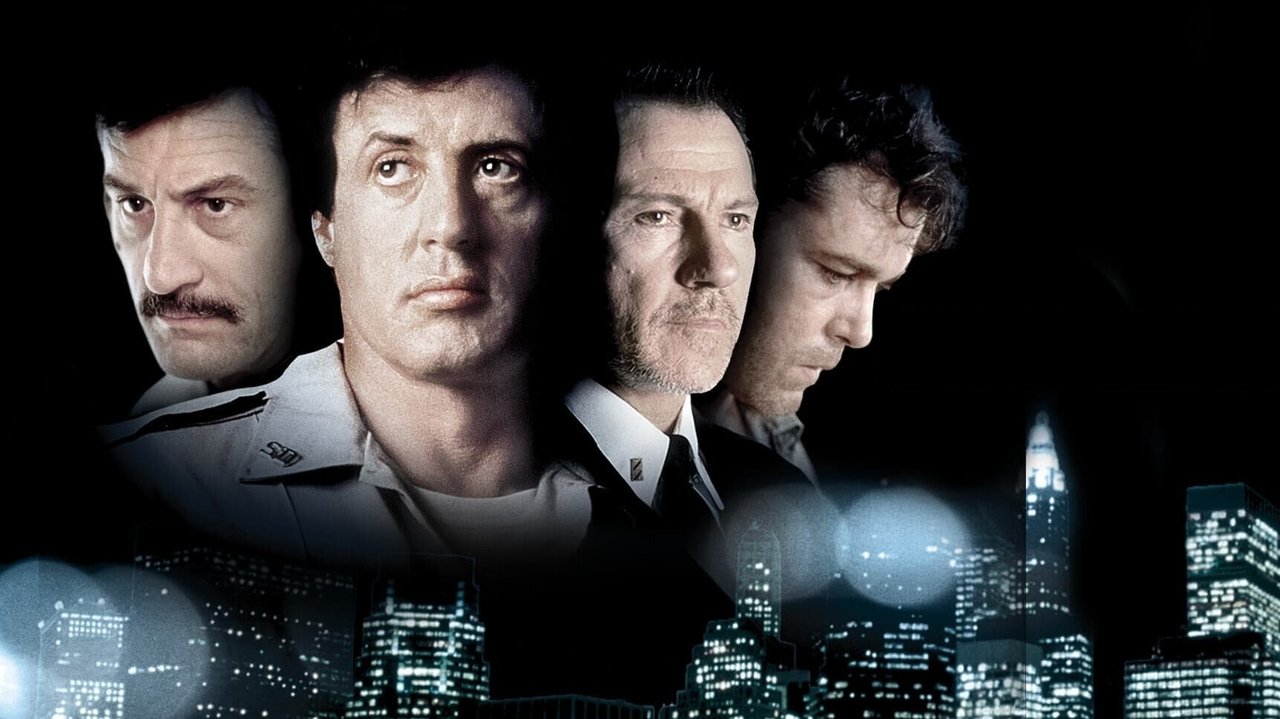
The Weight of a Sheriff
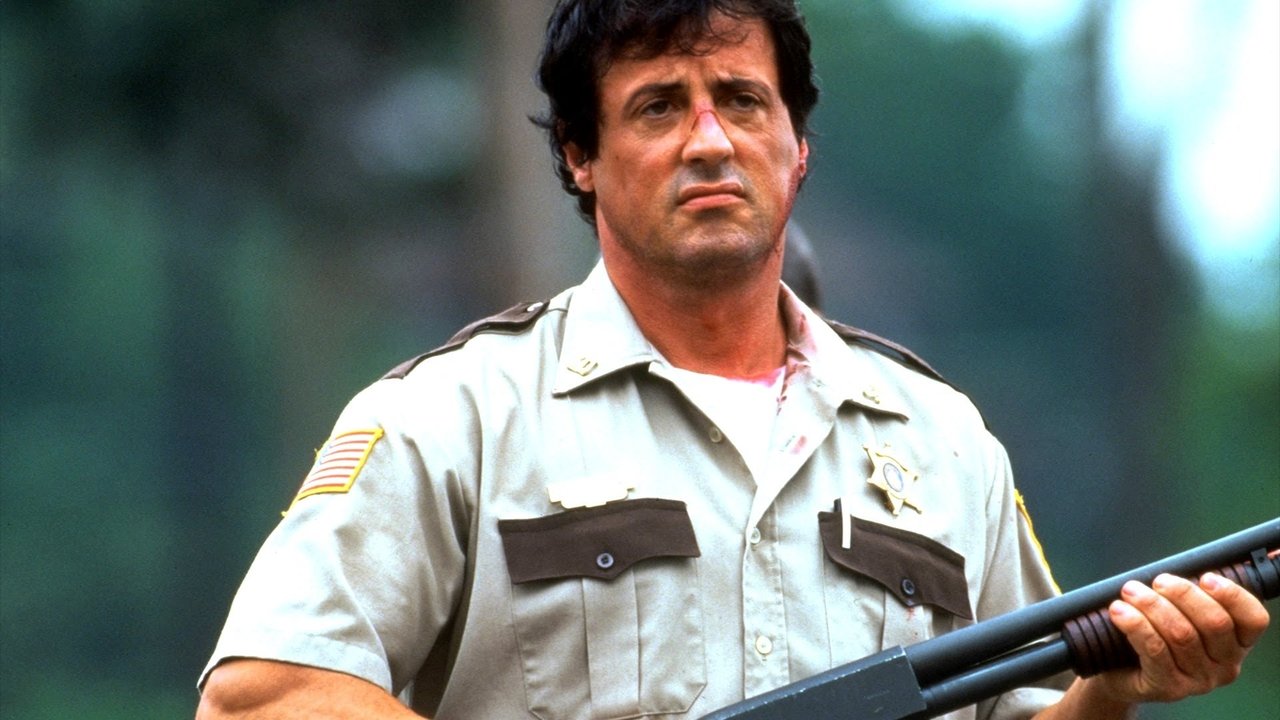
The big story back in 1997 was that Sylvester Stallone "got fat" for this role. He gained 40 pounds of genuine New Jersey padding to play Freddy Heflin, the half-deaf sheriff of Garrison, a small town just across the George Washington Bridge. Garrison is where the NYPD heroes go to sleep, a "Cop Land" where they make their own rules because they’re too busy being legends in the city to follow the law at home.
Freddy isn't one of them. He’s a sad sack, a guy who wanted to be a real cop but failed the physical because of a heroic rescue that cost him his hearing in one ear. He spends his days breaking up domestic disputes and looking at Harvey Keitel’s character, Ray Donlan, with the kind of puppy-dog eyes you usually reserve for a war hero. Stallone’s performance is a revelation here because it’s so quiet. After a decade of Rambo sequels and Judge Dredd, he decided to disappear into a character who is fundamentally overlooked by everyone around him. Honestly, Stallone’s performance here is better than his performance in Rocky, and I will die on that hill while wearing a "Win, Rocky, Win" sweatshirt. He plays Freddy with a slumped-shoulder dignity that makes your heart ache.
A Mount Rushmore of Tough Guys
Director James Mangold—before he was doing Logan or Ford v Ferrari—managed to assemble a cast that shouldn't even be legal. You’ve got Harvey Keitel doing his best "corrupt but charismatic" routine, acting as the unofficial mayor of this crooked suburban utopia. Then there’s Ray Liotta as "Figgsy," a coke-addled, paranoid officer who is the only person in town with a functioning conscience, even if it’s currently buried under a mountain of bad decisions. Liotta is electric; he’s like a live wire dropped in a bathtub.
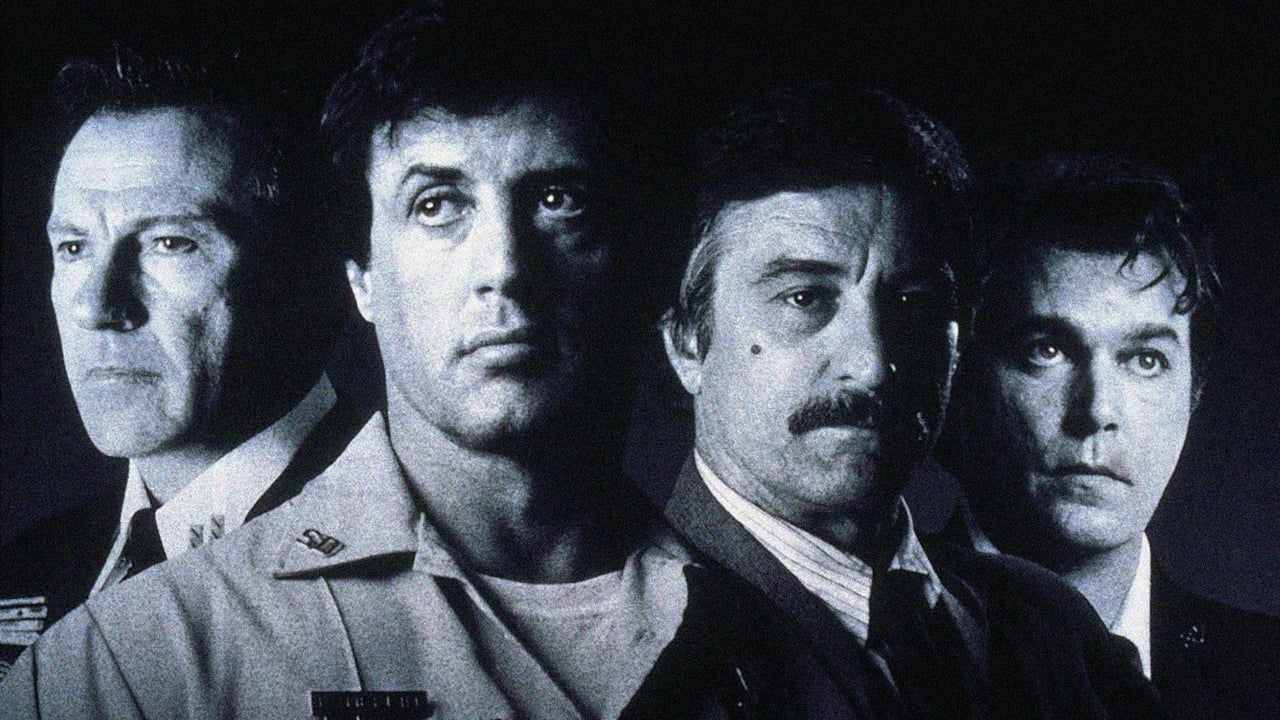
And then there’s Robert De Niro as Moe Tilden, an Internal Affairs investigator who looks like he’s permanently smelled something bad. His scenes with Stallone are a lesson in minimalist acting. They don’t even have to do much; the history of cinema is just sitting there in the room with them. There's a moment where De Niro yells at Stallone for being a "sandwich-eating" nothing of a sheriff, and you can practically see Freddy’s soul leave his body. It’s also wild to see Peter Berg (before he became a major director) and Janeane Garofalo in the mix. Garofalo brings a cynical, 90s-alt energy that feels totally out of place in a gritty police drama, yet somehow makes the town of Garrison feel more like a real, weird place.
The Sound of Silence
What really strikes me looking back at Cop Land is how it handles Freddy’s disability. This isn't just a character quirk; James Mangold uses the sound design to put us in Freddy's head. When things get intense, the audio drops out into a high-pitched ring or a muffled hum. It turns a standard police thriller into something much more intimate and psychological. By the time we get to the final shootout—which is staged like a slow-motion Western—the lack of sound makes every muzzle flash feel like a heartbeat.
The film was a Miramax production during the height of the indie-prestige boom. It’s got that specific 90s look—heavy shadows, lots of brown and grey, and a score by Howard Shore (before he went to Middle-earth) that feels like a funeral march. It didn't set the box office on fire, and it’s often forgotten when people list the great 90s crime sagas like Heat or L.A. Confidential. Maybe it’s because it’s too depressing, or maybe people just couldn’t wrap their heads around a "vulnerable" Stallone. But seeing it now, it feels like a bridge between the old-school character studies of the 70s and the prestige TV dramas that would follow a few years later.
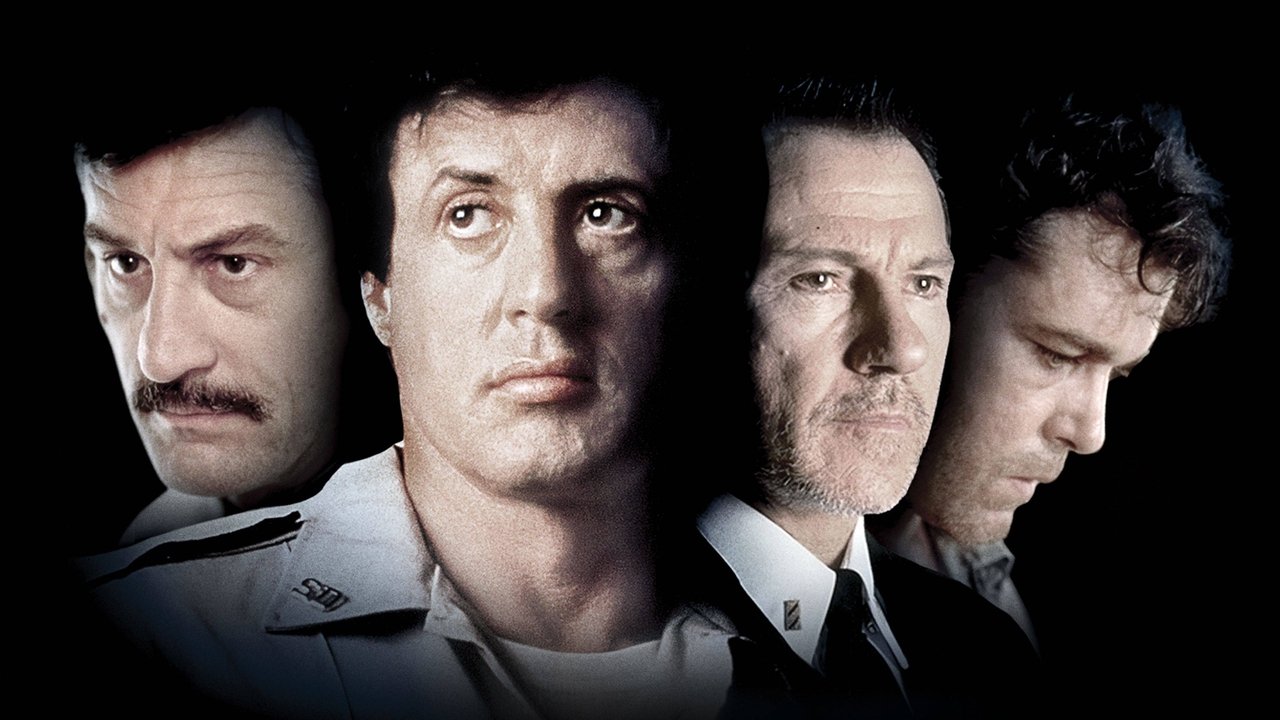
If you’ve only ever known Sylvester Stallone as the guy who punches meat or wears a headband, you owe it to yourself to see the version of him that just wanted to be a "serious" actor. Cop Land is a masterclass in tension and a reminder that sometimes the most heroic thing you can do is simply stop looking the other way. It’s a slow burn, but once it catches fire, it’ll stay with you long after the credits roll.
It’s the kind of movie that makes you want to go out and buy a flannel shirt and a police scanner, even though you know you’d be terrible at using either. It captures a specific moment in the late 90s where actors were still bigger than the brands they played, and the stakes felt human rather than global. Go find a copy, make a sandwich, and prepare to feel bad for a guy who just wanted to be part of the club.
Keep Exploring...
-
Kill the Messenger
2014
-
The Client
1994
-

Hackers
1995
-
Strange Days
1995
-
Breakdown
1997
-
Kiss the Girls
1997
-
The Rainmaker
1997
-
A Simple Plan
1998
-
Fallen
1998
-
Arlington Road
1999
-
The Pledge
2001
-
Confessions of a Dangerous Mind
2002
-

Trust
2010
-

The Iceman
2012
-

The Devil's Own
1997
-
A Perfect Murder
1998
-
The Siege
1998
-
Payback
1999
-

Sexy Beast
2001
-
Frailty
2002