Dante's Peak
"Mother Nature just found a new way to kill you."
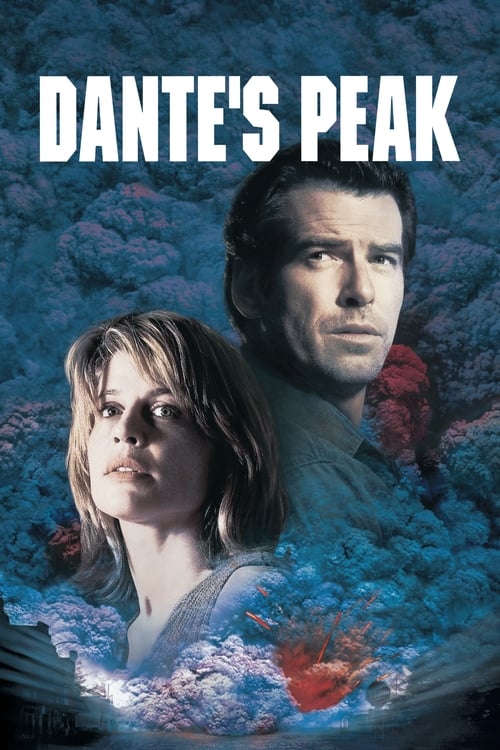
In the great cinematic arms race of 1997, you were either a Volcano person or a Dante’s Peak person. It was the year of the "twin films," that weird Hollywood phenomenon where two studios look at the same Wikipedia entry and decide to spend $100 million each to beat the other to the multiplex. While Tommy Lee Jones was busy fighting lava on the streets of Los Angeles with jersey barriers, Pierce Brosnan was taking a more "scientific" approach in the Pacific Northwest. Looking back, while Volcano is a fun piece of campy trash, Dante’s Peak remains the superior disaster flick because it actually tries to make you feel the heat.
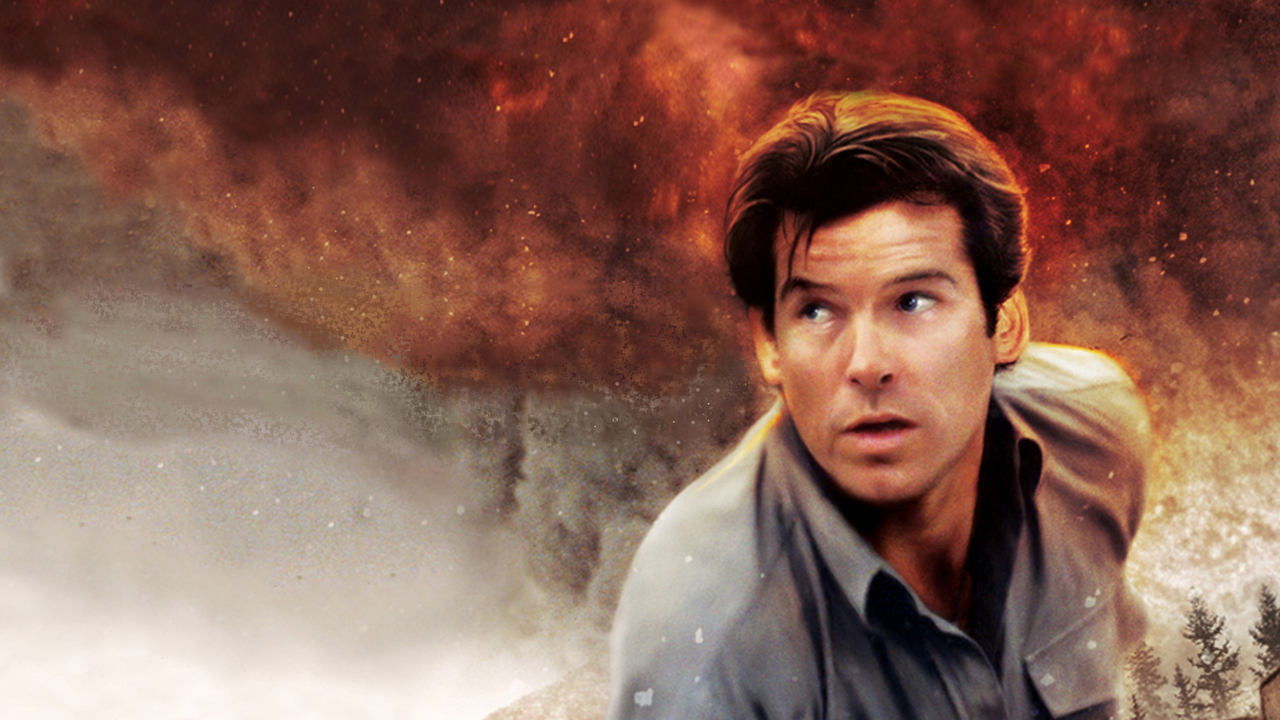
I watched this recently while trying to eat a bowl of room-temperature oatmeal, and the grey sludge of my breakfast perfectly mirrored the volcanic debris on screen, which added a layer of 4D immersion I didn’t ask for but strangely appreciated.
The Most Livable Death Trap in America
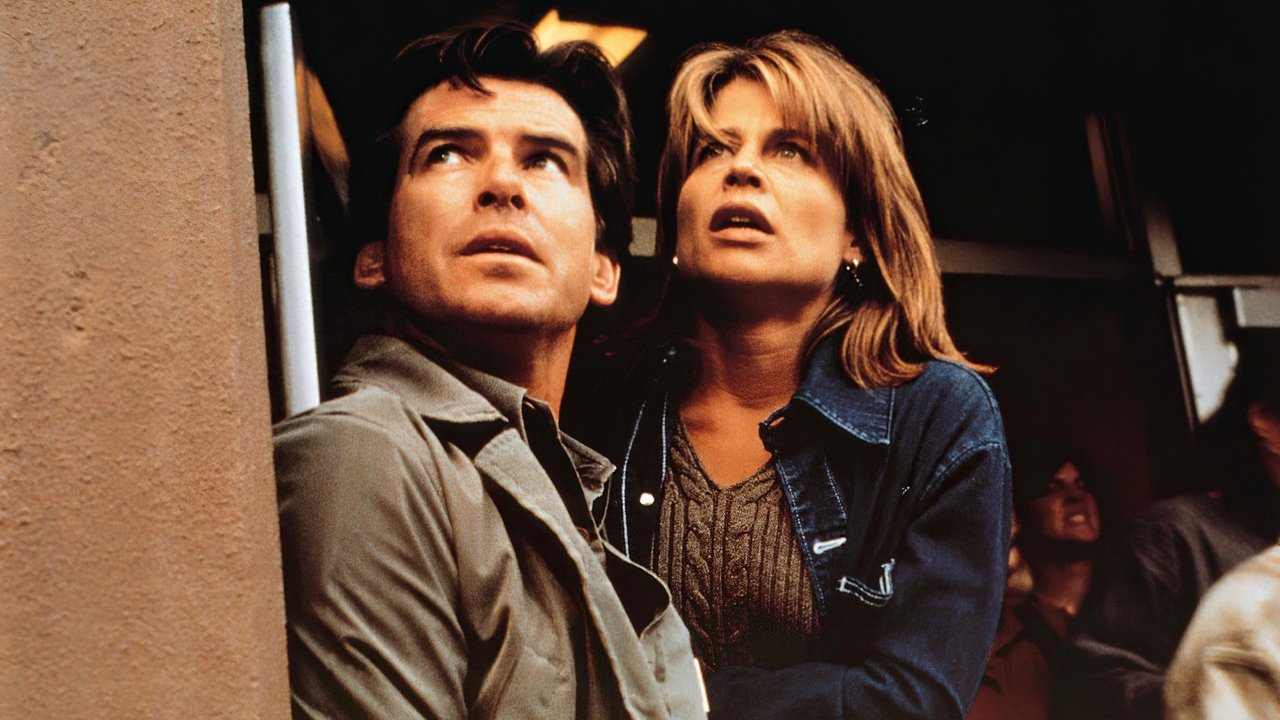
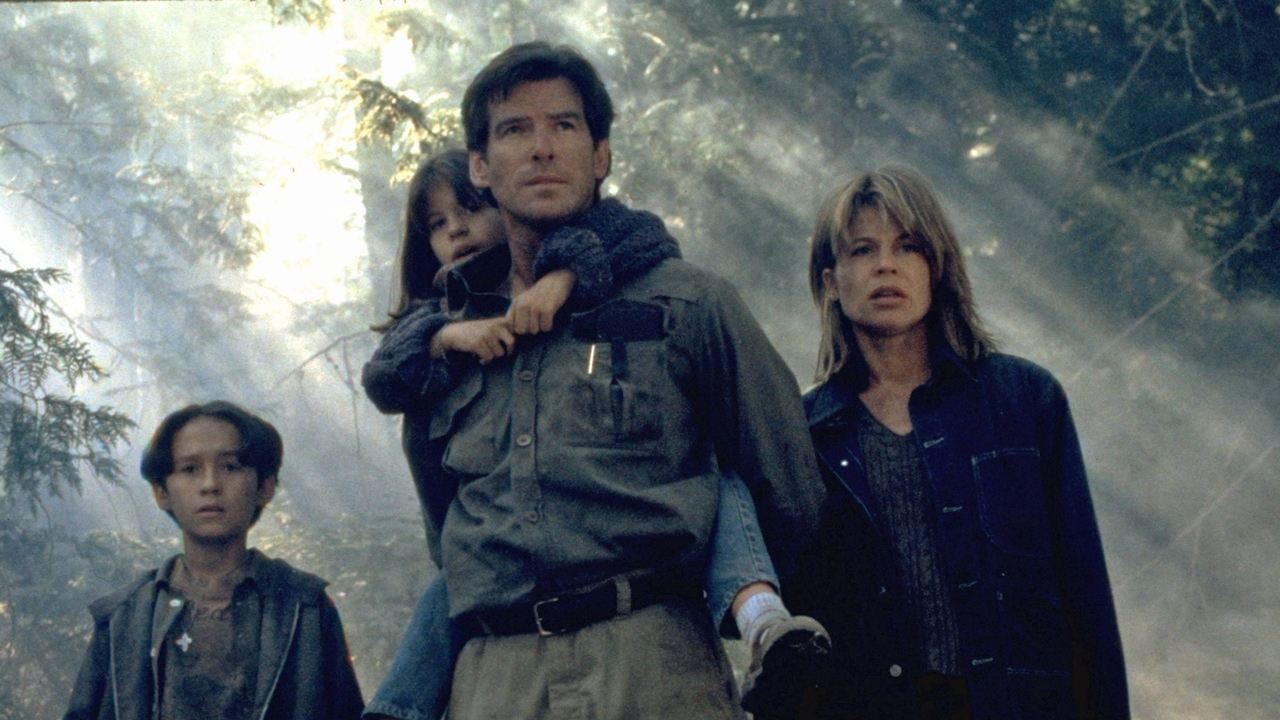
The film kicks off with Harry Dalton (Pierce Brosnan), a volcanologist who is basically James Bond if 007 traded the tuxedo for a North Face fleece and a deep-seated sense of geological dread. Harry arrives in the idyllic town of Dante’s Peak just as they’ve been named the second-most livable town in America. In movie logic, this is the equivalent of a cop saying he’s "two days from retirement." You know that town is toast before the first act break.
Linda Hamilton plays Rachel Wando, the town’s mayor and a single mom who provides the emotional stakes. She and Brosnan have a surprisingly grounded chemistry. It’s not the soaring romance of Titanic (which would crush the box office later that year), but it feels like two adults trying to manage a crisis while the ground literally liquefies beneath them. Director Roger Donaldson (The Bounty, Species) does a great job of building the tension. He doesn't just jump to the explosions; he lets us linger on the warning signs—sulfur in the water, dead trees, and those poor, unfortunate souls who get boiled in a hot spring.
Practical Ash and Digital Fire
What strikes me most about rewatching Dante’s Peak in the era of Marvel green-screens is how much of it feels heavy. This was 1997, a pivotal moment in the CGI revolution. We were post-Jurassic Park but pre-Lord of the Rings. The production, led by producer Gale Anne Hurd (who knows a thing or two about scale from her work on Aliens and Terminator), opted for a massive amount of practical effects.
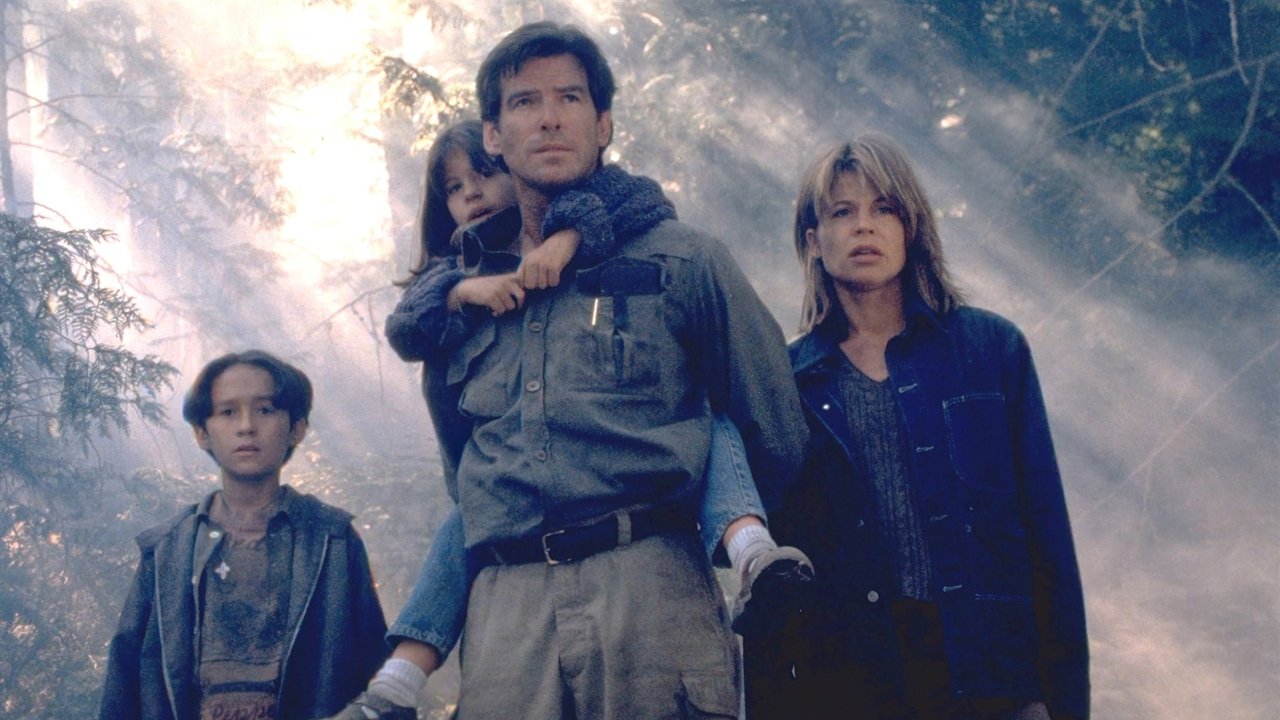
When the mountain finally goes, it’s a masterclass in 90s disaster choreography. They used real miniatures—some of them 100 feet tall—to simulate the destruction. The pyroclastic flow isn't just a digital cloud; it looks like a physical wall of death. The "ash" that covers the town was actually millions of pounds of shredded newspaper, and you can see the actors struggling to breathe and move through it. Pierce Brosnan’s primary job is looking handsome while staring at thermometers, but he sells the physical toll of the chaos effectively.
The action set pieces are remarkably clear. There’s a scene involving a bridge collapse that features some of the best stunt work of the decade. You can tell where the actors are in relation to the danger, a clarity often lost in modern "shaky-cam" editing. The score by James Newton Howard (with a theme by John Williams) adds a layer of operatic doom that keeps the momentum pushing forward even when the script hits a few speed bumps.
The Acid Lake and the Legend of Ruth
Of course, we have to talk about the grandmother. Elizabeth Hoffman plays Ruth, the stubborn matriarch who lives on the mountain and refuses to leave until the lava is literally knocking on her back door. Her sacrifice in the acid lake is the stuff of childhood nightmares. That grandmother deserved a better retirement plan than a slow-motion acid bath, and the physics of her jumping into a lake of battery acid to pull a boat to shore are... questionable at best. But that’s the 90s disaster genre in a nutshell: it’s about the "Big Sacrifice."
Interestingly, the USGS (United States Geological Survey) actually consulted on the film. While the movie takes massive liberties for the sake of drama—like a truck driving through a literal river of lava without the tires melting instantly—scientists generally praise it for getting the "warning signs" of an eruption mostly right. It’s the "Smartest Kid in the Dumb Class" of disaster movies.
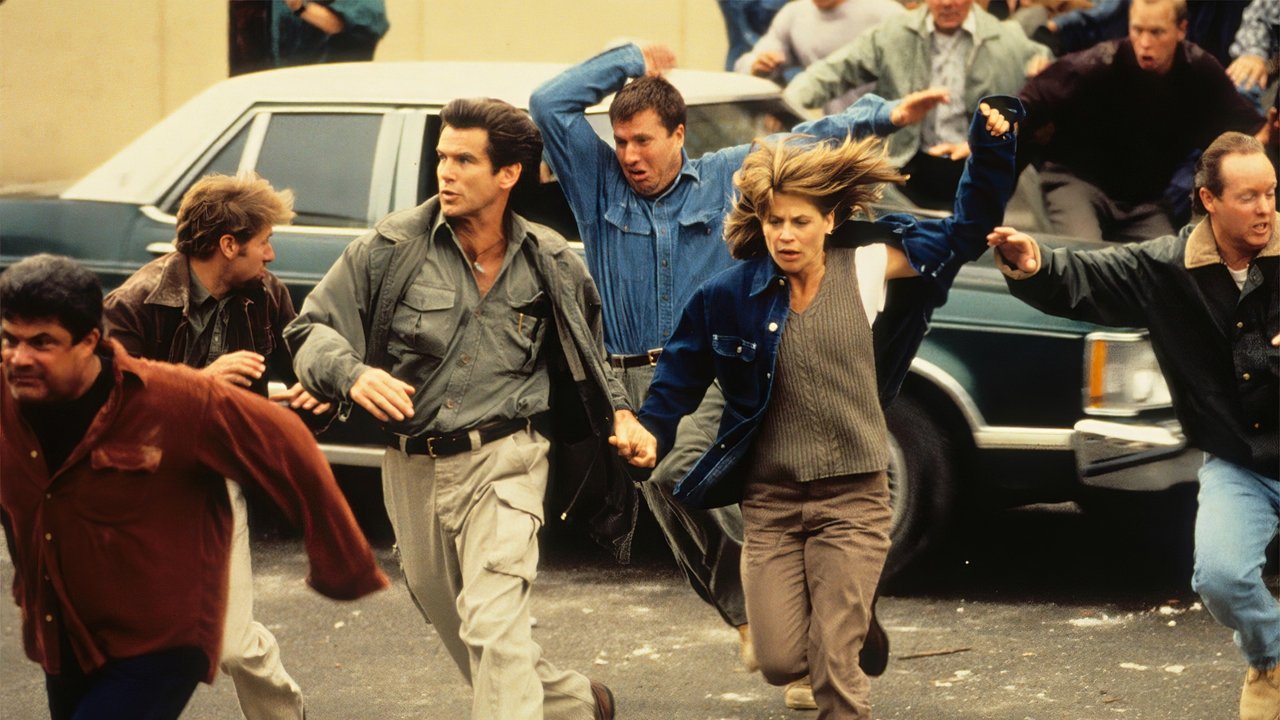
The film has developed a massive cult following because it’s the perfect Sunday afternoon movie. It’s comforting in its formulaic structure, but impressive in its execution. It captures that pre-9/11 anxiety where our biggest fear was simply the Earth reclaiming its territory.
Dante's Peak is a relic of a time when movie stars were the main attraction and practical effects still reigned supreme. It’s a loud, ashy, and surprisingly tense thriller that manages to be more than just a "Bond goes to the mountains" vehicle. While the CGI in the final "Big One" hasn't aged perfectly, the physical destruction of the town remains a high-water mark for the genre. It’s the kind of movie that makes you want to buy a 4x4 and a gas mask, just in case.
If you haven't revisited this one since the days of Blockbuster rentals, give it a spin. Just maybe skip the oatmeal during the hot spring scene.
Keep Exploring...
-

The World Is Not Enough
1999
-
Poseidon
2006
-
Green Zone
2010
-
Executive Decision
1996
-
The Scorpion King
2002
-
xXx
2002
-
Seeking Justice
2011
-
The Grey
2012
-
Daylight
1996
-
DragonHeart
1996
-

Starship Troopers
1997
-
The Jackal
1997
-

Enemy of the State
1998
-
Lethal Weapon 4
1998
-

The Negotiator
1998
-
The 6th Day
2000
-

The Perfect Storm
2000
-
A Knight's Tale
2001
-
GoldenEye
1995
-
Tomorrow Never Dies
1997