Deconstructing Harry
"He wrote the book on burning bridges."
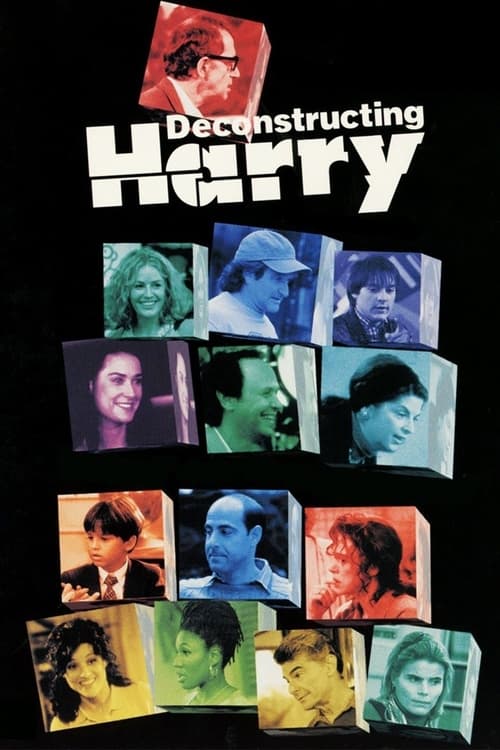
The first thing you notice about Deconstructing Harry isn’t the dialogue or the neuroticism; it’s the way the film physically refuses to sit still. Within the first five minutes, the editing starts to glitch. Character movements are interrupted by jagged jump cuts that make it feel like the celluloid is snagging in the projector. It’s a deliberate, abrasive choice that perfectly mirrors the mental state of Harry Block. I first watched this on a scratched-up DVD in a basement apartment that smelled faintly of damp laundry and burnt toast, and honestly, the technical "imperfections" of the disc blended so seamlessly with the film's jagged editing that I couldn't tell where the disc damage ended and the art began.
A Masterclass in Self-Sabotage
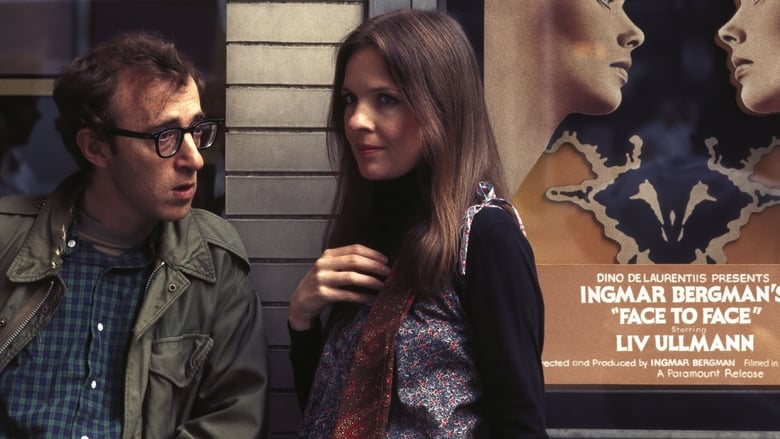
Woody Allen has spent decades playing various versions of the "urban neurotic," but Harry Block is something different entirely. He isn’t the charming intellectual of Annie Hall or the romantic dreamer of Midnight in Paris. Harry is a pill-popping, whiskey-swilling, sex-addicted novelist who has successfully alienated every single person in his life by strip-mining their traumas for his best-selling books.
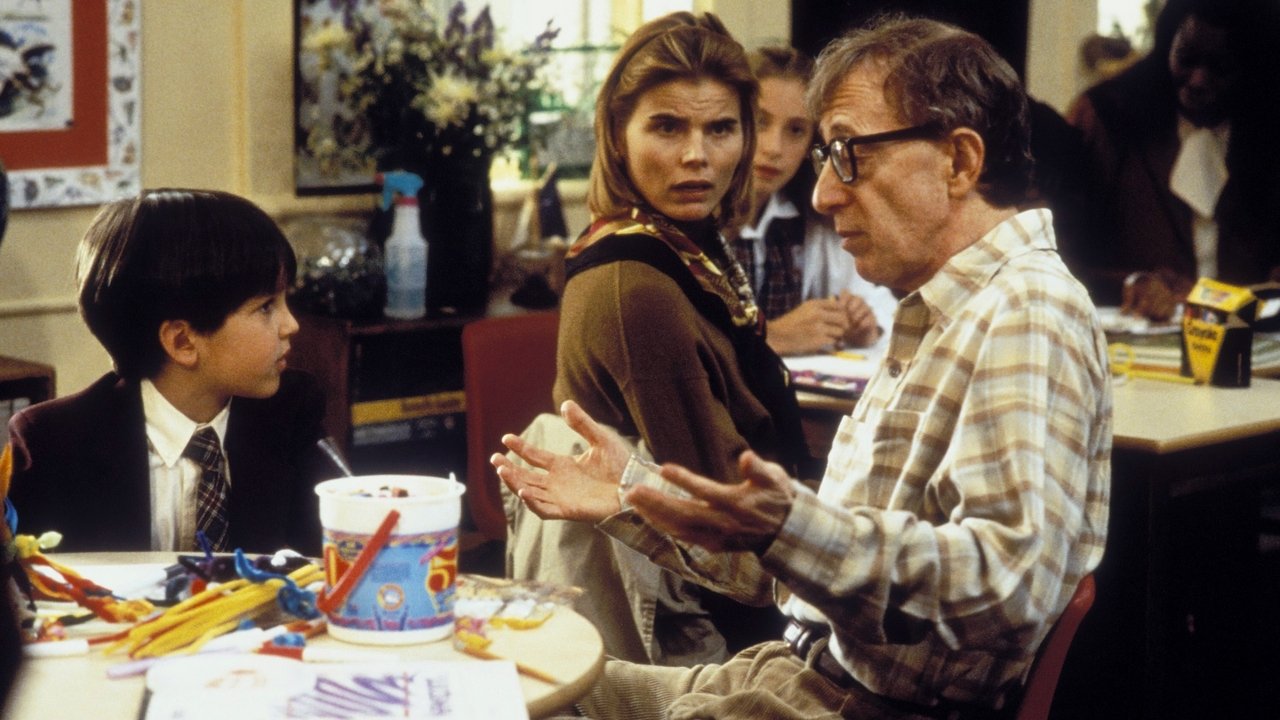
The film follows Harry as he attempts to travel to his old university—the one that expelled him years ago—to be honored at a ceremony. Since he’s burned every bridge in Manhattan, he ends up kidnapping his own son for the trip, accompanied by a prostitute and a friend who literally drops dead in the passenger seat. It sounds like a pitch for a dark indie road movie, and in many ways, it’s the quintessential 90s indie experiment. While the 90s were defined by the rise of the "Sundance kid" and the slickness of Miramax, Allen used this film to pivot toward something much more raw and European in its sensibilities.
Fiction Bleeding Into Reality
The genius of the screenplay lies in how it visualizes Harry’s creative process. We don't just hear about his books; we see the stories dramatized with a completely different set of actors. We see Tobey Maguire (just before his Spider-Man fame) playing a fictionalized version of Harry, and a hilarious Robin Williams as a character who is literally "out of focus." The joke is that the character is soft-featured and blurry in real life, forcing his family to wear special glasses just to look at him. It’s one of the most clever visual metaphors for a mid-life crisis ever put to film.
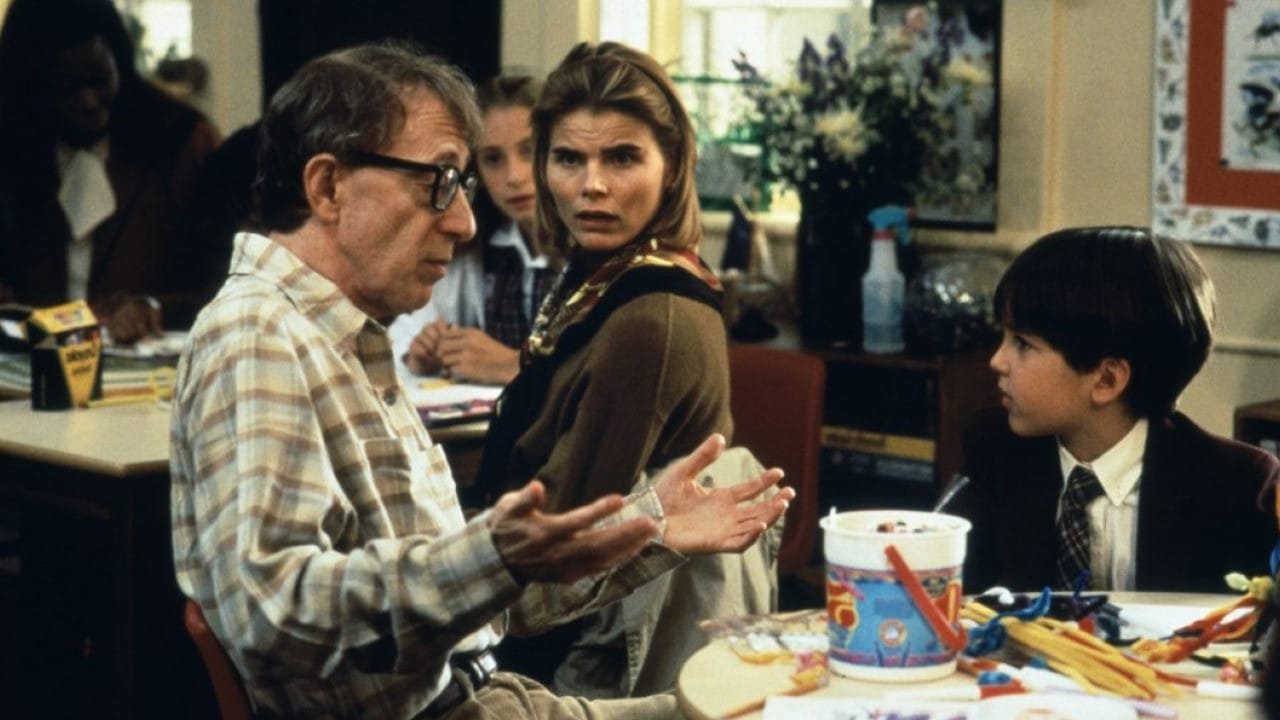
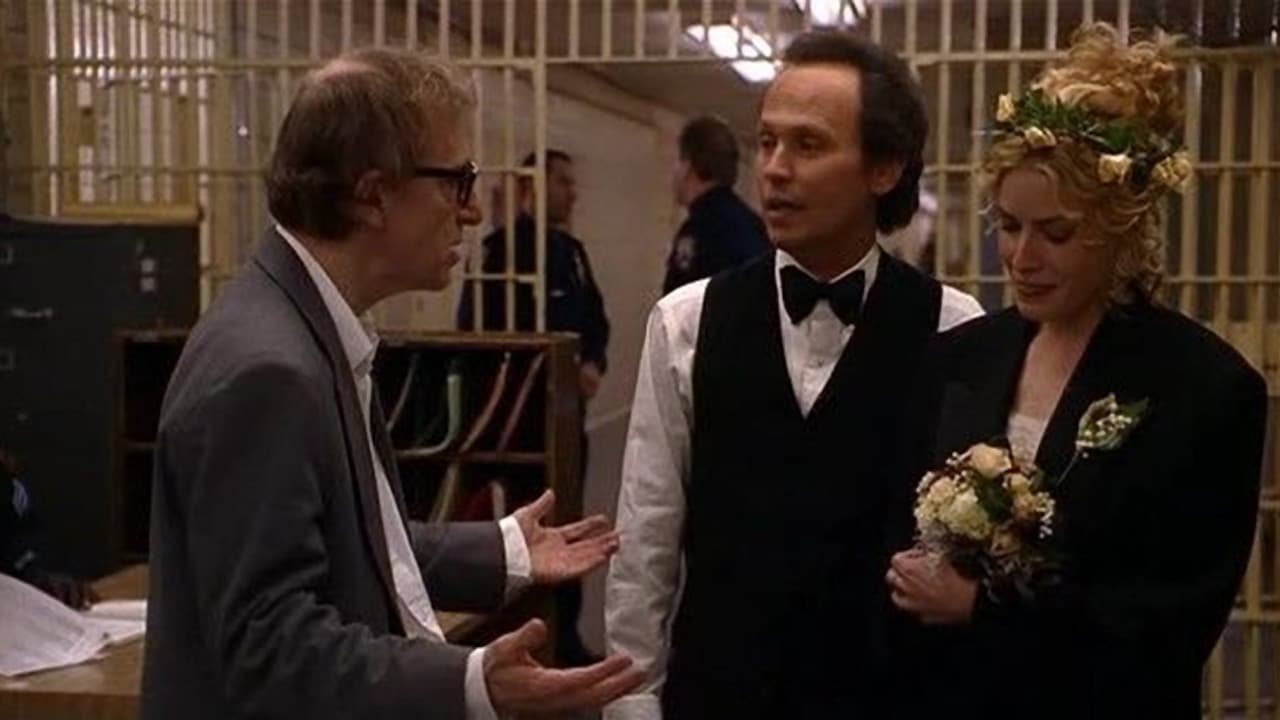
Back in the "real" world, the cast is a revolving door of 90s powerhouses. Judy Davis is terrifyingly brilliant as a woman who discovers Harry’s latest book is an exposé of their affair. Her performance is a high-wire act of comedic fury; she handles a handgun with the same frantic energy she uses to deliver a monologue. Kirstie Alley and Elisabeth Shue provide the emotional anchors that Harry constantly tries to drift away from, while Billy Crystal shows up as the Devil in a descent-into-hell sequence that feels like a fever dream. Crystal and Allen have a surprisingly sharp chemistry, leaning into a Vaudeville-style rhythm that keeps the darker themes from becoming suffocating.
The Beauty of the Breakdown
Why has this film fallen into the "obscure" bin of 1990s cinema? For one, it’s unapologetically foul-mouthed and cynical. It was released during a transition point in Hollywood where "prestige" comedy was moving toward the more structured, sentimental vibes of films like As Good as It Gets. Deconstructing Harry didn't care about being liked. It was a $20 million experiment that barely cleared $10 million at the box office, largely because it’s hard to market a movie where the protagonist is this much of a relentless jerk.
Looking back, Woody Allen finally stopped trying to be Chaplin and settled for being a professional bridge-burner. This is arguably his most honest film because it refuses to give Harry a traditional redemption arc. He doesn't "learn his lesson" in the way a 90s studio executive would have demanded. Instead, he finds a weird, lonely peace in his own imagination.
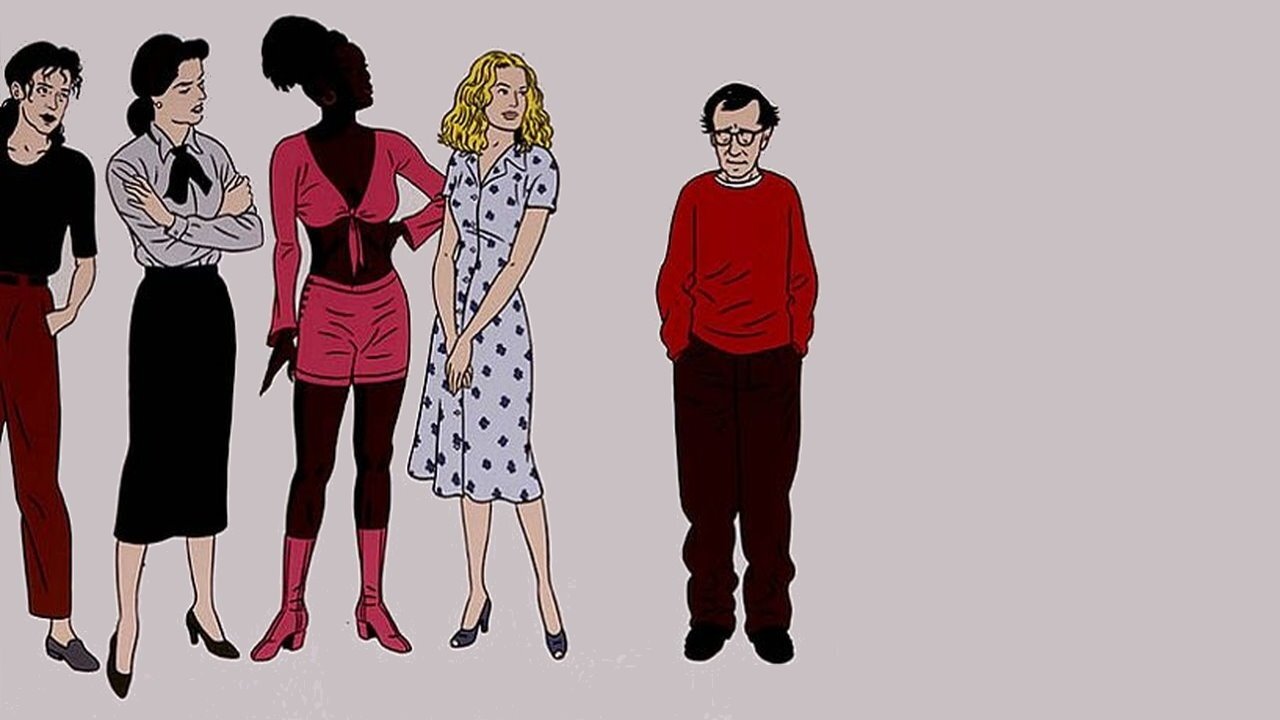
The cinematography by Carlo Di Palma captures a New York that feels lived-in and slightly claustrophobic, matching the internal clutter of Harry’s mind. The transition from the warm, golden hues of the "fictional" segments to the cold, jittery reality of Harry’s life is a subtle trick that keeps the viewer oriented even as the narrative structure collapses. It’s a film that demands your full attention; if you look away for a second, you might miss the moment Harry’s world literally begins to deconstruct.
Deconstructing Harry is a spiky, brilliant, and often hilarious exploration of the line between art and ego. It captures a specific moment in the late 90s when established directors were feeling the heat from the indie revolution and decided to get weird. It’s not a "comfort" movie by any stretch of the imagination, but for anyone who appreciates a script that takes massive risks, it’s a hidden gem that deserves a spot on your shelf. Seek it out for the Robin Williams cameo alone, but stay for the most aggressive editing of the decade.
Keep Exploring...
-
Manhattan Murder Mystery
1993
-
Crimes and Misdemeanors
1989
-
Magic in the Moonlight
2014
-
You Will Meet a Tall Dark Stranger
2010
-
Whatever Works
2009
-
Manhattan
1979
-
Hannah and Her Sisters
1986
-
Annie Hall
1977
-
To Rome with Love
2012
-
Zelig
1983
-

Match Point
2005
-

Vicky Cristina Barcelona
2008
-
Midnight in Paris
2011
-
Blue Jasmine
2013
-

Ghost World
2001
-
My Cousin Vinny
1992
-

The Mighty Ducks
1992
-

The Muppet Christmas Carol
1992
-
The Player
1992
-

White Men Can't Jump
1992