Donnie Brasco
"A friendship that's a death sentence."
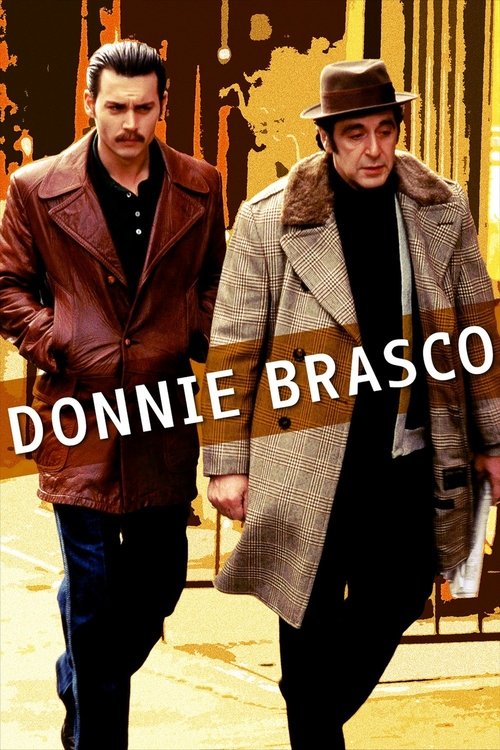
I watched Donnie Brasco again last Tuesday on a laptop with a dying battery in a flickering hotel room in Cleveland. It felt like the perfect environment—depressing, slightly claustrophobic, and smelling faintly of industrial carpet cleaner. That’s the vibe of this movie. While other 90s gangster flicks were busy being "cool" with surf-rock soundtracks and slow-motion power walks, Mike Newell (better known for Four Weddings and a Funeral) gave us a film that feels like a damp, gray Tuesday in Brooklyn.
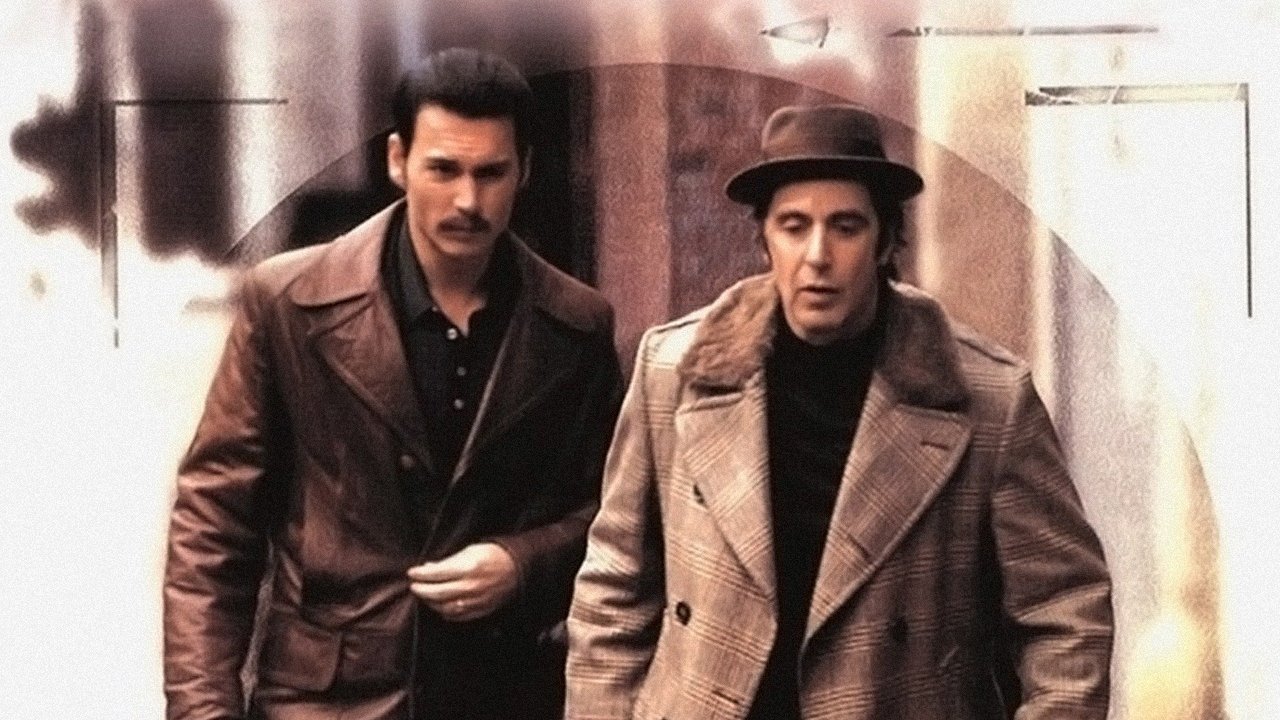
Most mob movies are about the climb to the top. Donnie Brasco is about the guys who can’t even find the ladder. It’s 1978, and the mob isn't a glamorous brotherhood; it’s a high-stakes office job where your boss might shoot you for wearing the wrong pants.
The Art of the Low-Level Loser
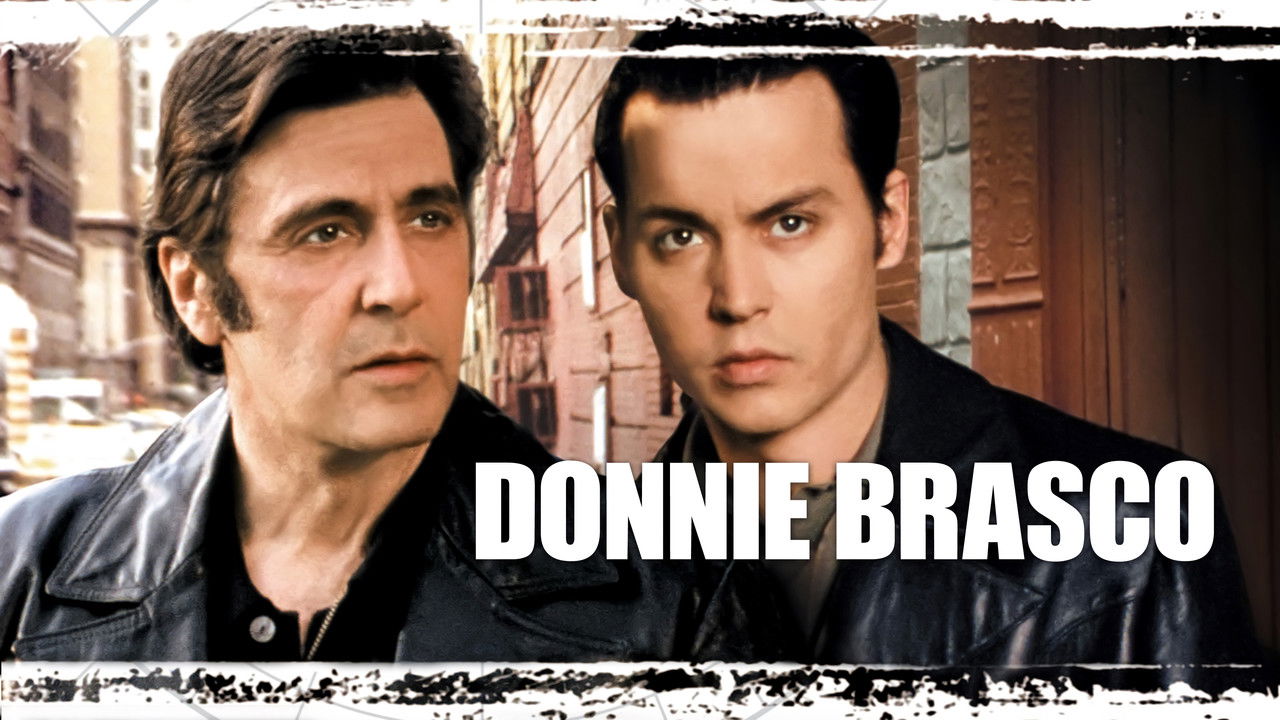
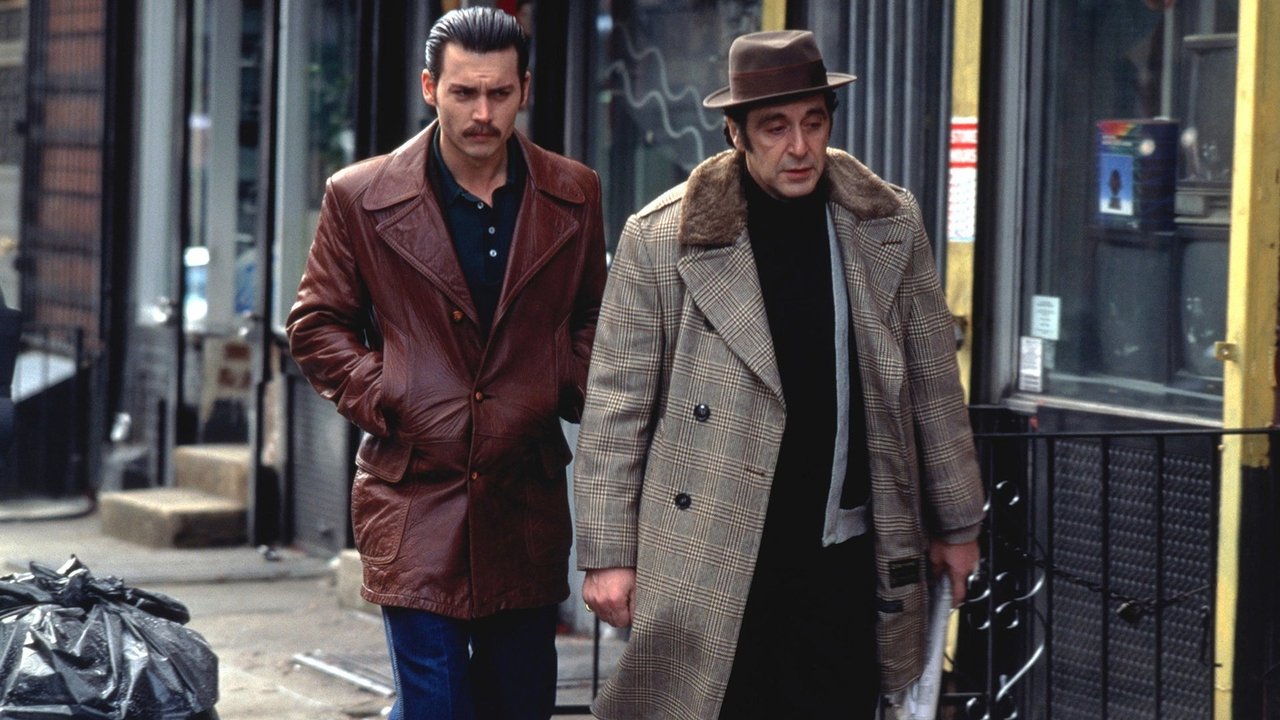
The revelation here isn't just the plot; it’s the casting. By 1997, we were used to Al Pacino (The Godfather, Heat) being the loudest, most formidable guy in the room. In Donnie Brasco, he plays Benjamin ‘Lefty’ Ruggiero, a man who is essentially the patron saint of middle-management burnout. He’s a hitman who’s "clipped" 26 people but can’t afford a decent car or get a promotion.
Pacino plays Lefty as a tragic, shuffling ghost, and it’s arguably his most heartbreaking performance. When he takes Johnny Depp's Donnie under his wing, he’s not doing it for power; he’s doing it because he’s lonely and wants someone to notice his "wise guy" wisdom. Depp, before he became a caricature of himself in a pirate hat, is a master of the internal struggle here. You can see the minute Joe Pistone starts to disappear and "Donnie" takes over. He starts to talk like them, walk like them, and—most dangerously—care about them.
I remember my older brother owning this on a double-disc DVD set back in the early 2000s. We used to watch the "Special Features" just to see the real Joe Pistone (with his face obscured) talk about how he almost lost his mind. Looking back, this film captures that late-90s transition perfectly: it has the gritty realism of the New Hollywood era but the polished storytelling of the modern blockbuster.
A Marriage on the Edge
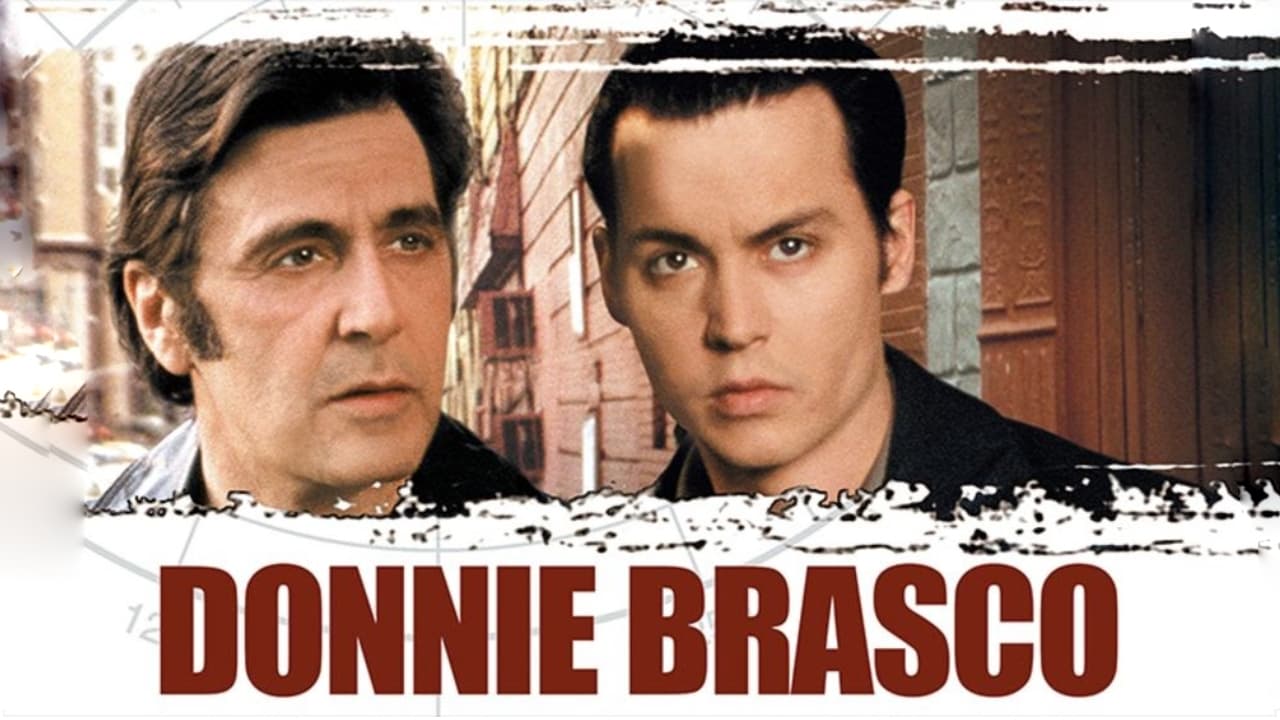
While the guys are arguing over how to cook a steak in a basement, Anne Heche is doing some of the heaviest lifting in the movie as Maggie Pistone. In most crime dramas, the "wife" role is a thankless, one-dimensional obstacle to the protagonist's "cool" job. But here, the disintegration of their marriage is the most "dark" and "intense" part of the film.
There’s a scene where they’re in a counselor's office, and Joe/Donnie can’t even explain why he’s angry because his entire life is a lie. The screaming matches feel terrifyingly real, not cinematic. It highlights the high cost of the undercover life—it’s not just your safety you’re risking; it’s your soul. By the time Donnie hits his wife, you realize he hasn’t just infiltrated the mob; he’s been infected by it. Michael Madsen as Sonny Black adds to this toxic soup, bringing a lethality that makes you realize just how thin the ice is under Donnie’s feet.
The Weight of the Wire
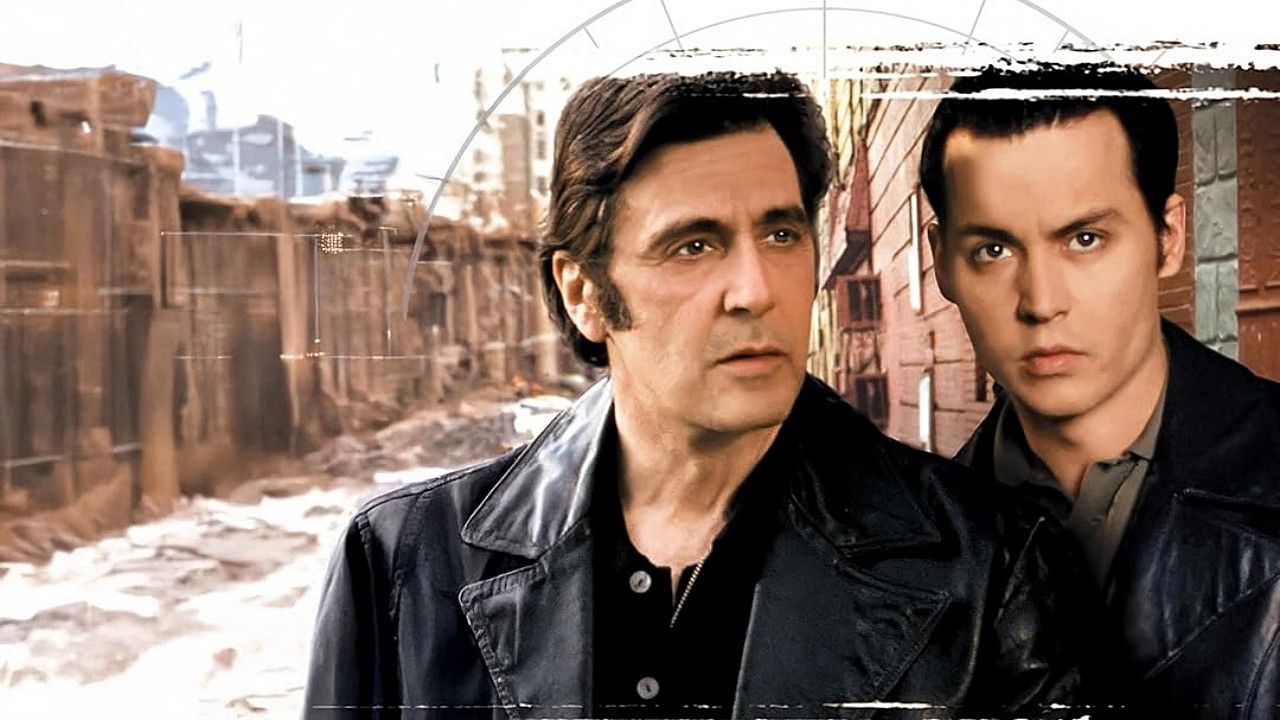
The film’s most famous contribution to the culture is the "Forget about it" scene, where Donnie explains the dozen different meanings of the phrase. It’s funny, sure, but it’s also a clever look at how language is used to build a wall around a subculture.
As we move further away from the era of practical effects and mid-budget adult dramas, Donnie Brasco stands out as a relic of a time when we let movies breathe. There are no CGI explosions here. The tension comes from the sweat on Depp’s forehead when he’s asked to take off his shoes (to check for a wire) or the look of betrayal on Pacino’s face when he realizes his best friend is a "rat."
Apparently, Johnny Depp spent months hanging out with the real Joe Pistone to get his mannerisms down, and it shows in the way he shifts between the suburban dad and the street-hardened soldier. It’s a tragedy wrapped in a trench coat. When the end finally comes, it doesn't feel like a victory for the FBI. It feels like a funeral for a friendship that never should have existed.
This is the anti-Goodfellas. It’s a grim, deeply felt exploration of loyalty and the crushing weight of deception. It captures a specific moment in the 1990s when Hollywood was still obsessed with the "true story" but hadn't yet turned every one of them into a sanitized franchise. If you want a film that makes you feel the cold Atlantic wind on a pier in the middle of the night, this is it. Forget about it.
Keep Exploring...
-
A Perfect World
1993
-
A Time to Kill
1996
-
Primal Fear
1996
-

Sleepers
1996
-
The Talented Mr. Ripley
1999
-

Traffic
2000
-
John Q
2002
-
Cape Fear
1991
-

Mystic River
2003
-

Inside Man
2006
-
The Town
2010
-
Bound by Honor
1993
-
Carlito's Way
1993
-

Falling Down
1993
-
Natural Born Killers
1994
-
Strange Days
1995
-
The Usual Suspects
1995
-
Fargo
1996
-

Jackie Brown
1997
-
L.A. Confidential
1997