Event Horizon
"Hell is a ship, and it’s coming home."
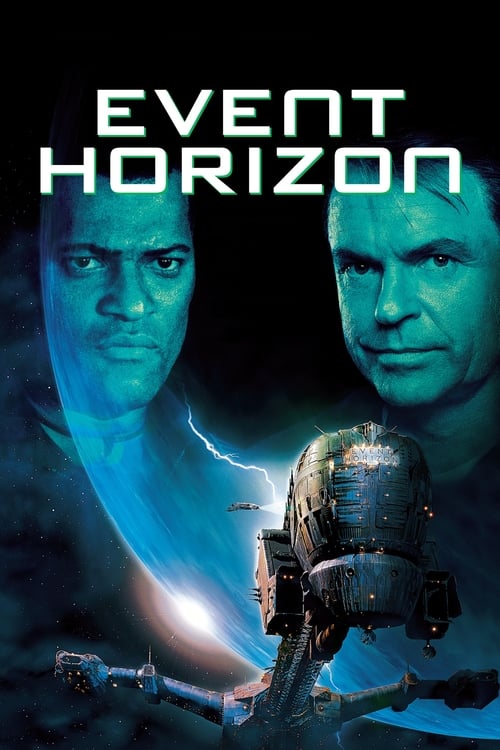
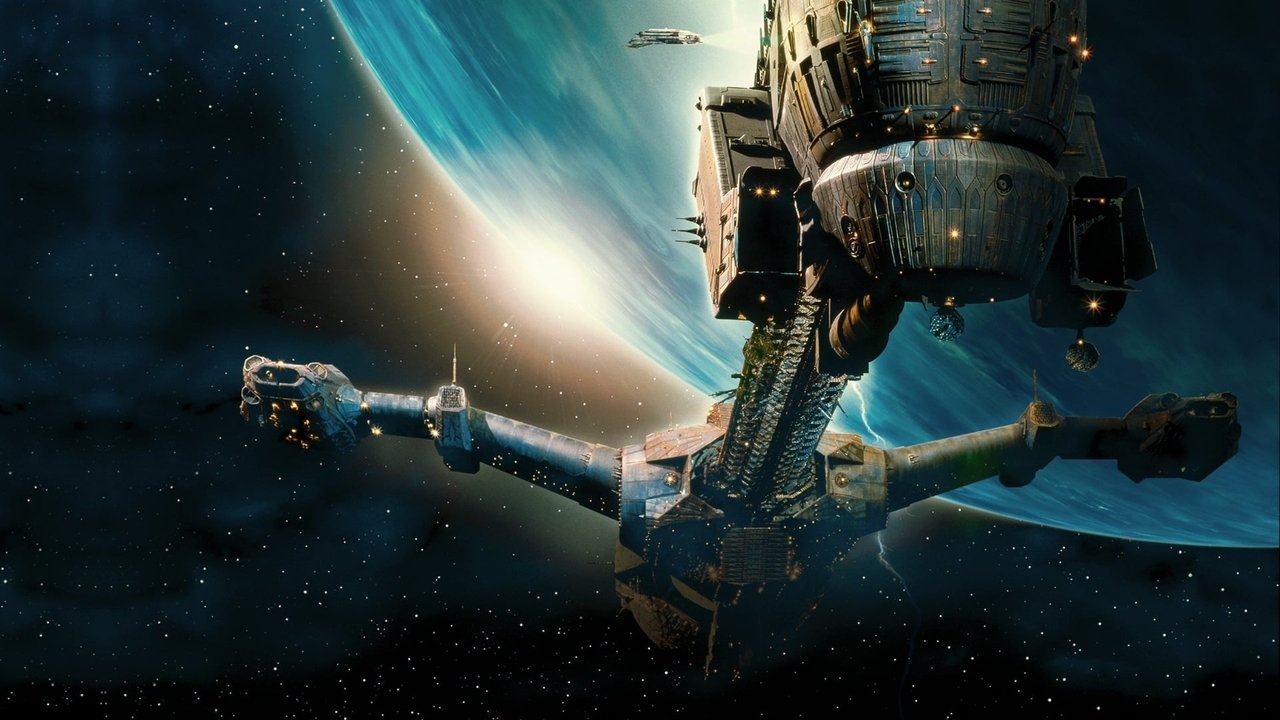
The gravity drive in Event Horizon looks less like a piece of cutting-edge propulsion technology and more like something a medieval inquisitor would use to tenderize a steak. It’s a rotating, spiked, metallic sphere that hums with a frequency that feels designed to unsettle your inner ear. Looking back at it now, that drive is a perfect metaphor for the film itself: a beautiful, jagged, and deeply dangerous piece of work that somehow survived a disastrous launch to become a mandatory ritual for every horror fan.
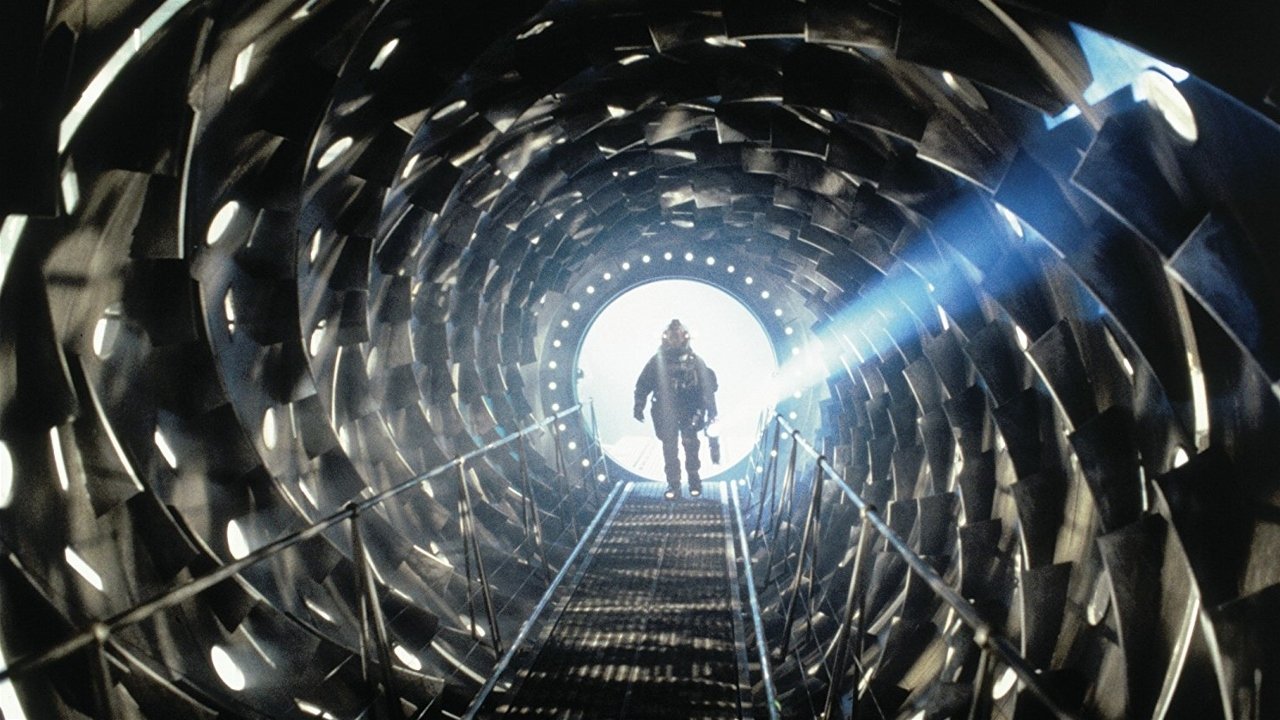
I watched this most recently on a Tuesday afternoon while my air conditioner was making a rhythmic, metallic clanking sound that perfectly synced up with the ship’s ambient heartbeat, which was deeply unfortunate for my sleep schedule. But even without the accidental 4D sound effects, Paul W. S. Anderson’s 1997 masterpiece remains a staggering example of how to do "haunted house" tropes in a vacuum.
A Masterclass in Industrial Dread
Release-wise, this film landed in that fascinating late-90s pocket where practical effects were at their absolute zenith while CGI was still a wobbly toddler. It gives the film a tangible, grimy weight. When Laurence Fishburne (years before The Matrix) and his crew board the derelict Event Horizon, they aren't floating through a green-screen void; they are clambering through massive, oppressive sets that look like they were welded together in a shipyard.
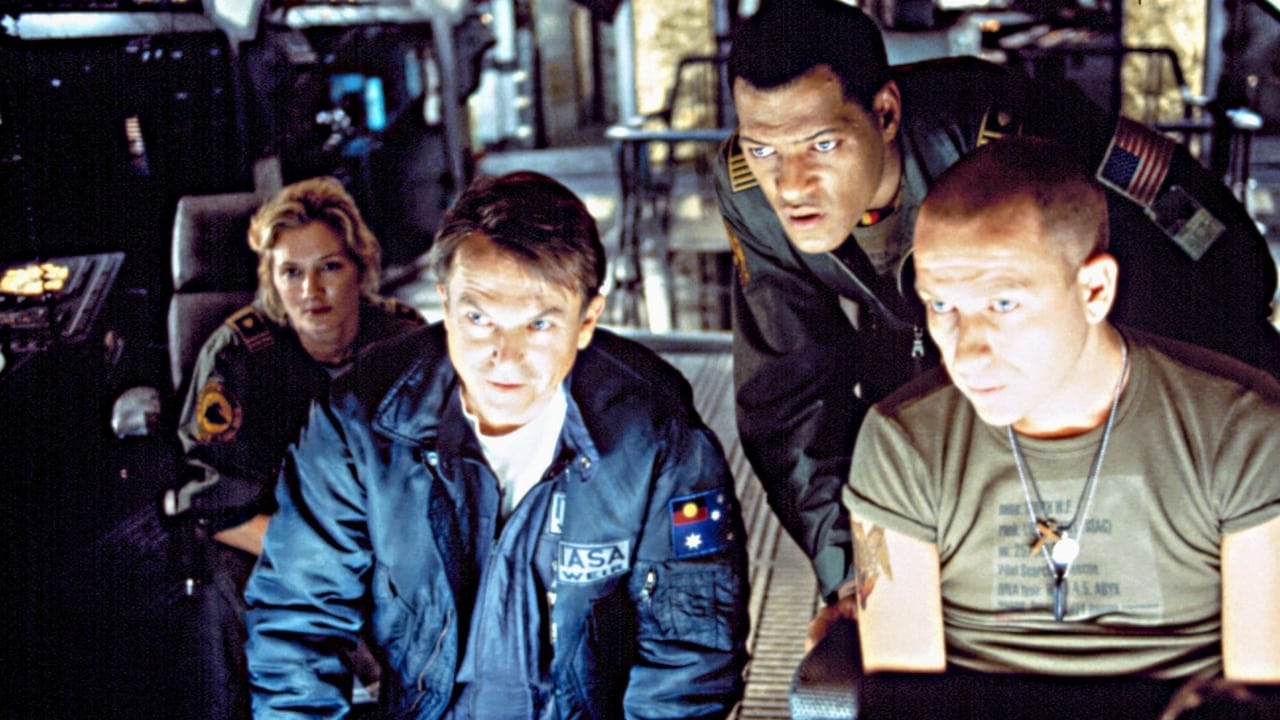
Laurence Fishburne plays Captain Miller with a stoic, weary authority that grounds the supernatural insanity. He’s the perfect foil to Sam Neill, who plays Weir, the scientist who designed the ship. Sam Neill has this incredible ability to transition from "kindly intellectual" to "completely unhinged lunatic who has seen the bottom of the universe" with nothing more than a twitch of his eyebrow. The supporting cast, including Kathleen Quinlan, Joely Richardson, and a wonderfully charismatic Richard T. Jones, actually feel like a working crew. When things go south—and boy, do they—you actually care that they’re being picked off.
The Legend of the Lost Footage
One of the reasons Event Horizon enjoys such a feverish cult following is the "what if" factor. When Paul W. S. Anderson delivered his first cut to Paramount, it was apparently so grisly that test audiences were allegedly fainting and running for the exits. The studio panicked, demanding a massive reduction in the gore and a tighter runtime.
Turns out, a lot of that "Hell" footage—the flashes of what happened to the original crew—was lost for years. There’s a persistent legend that a high-quality version of the "Director’s Cut" was found in a salt mine in Transylvania but was too decomposed to use. It’s the kind of production lore that keeps fans obsessed. Even with the cuts, the film is shockingly bold. The uncredited script rewrites by Andrew Kevin Walker (the guy who wrote Seven) are felt in every frame of the "Vision of Hell" sequences. The horror isn't just a monster in a suit; it’s a psychological violation that uses the characters' own traumas—Miller’s lost crewman, Peters’ son—against them.
Where Science Meets the Supernatural
What makes this film work better than its 1990s peers is the sound design and the score by Michael Kamen (who did Die Hard) and Orbital. It’s a mix of orchestral dread and techno-industrial pulsing that makes the ship feel alive. The jump scares are earned because the atmosphere is so thick you could cut it with a plasma torch.
The CGI, particularly the liquid-metal effects of the gateway, actually holds up surprisingly well because it’s used sparingly to represent something "other." However, the CGI green-screen work in the final explosive escape looks like a mid-range PlayStation 1 cutscene, but I honestly find that charming. It’s a timestamp of an era where directors were swinging for the fences with every tool in the shed, even the ones that weren't fully sharpened yet.
The film's initial failure at the box office—partially because it opened against Air Force One—is a distant memory now. Thanks to the DVD boom of the early 2000s, we were able to pore over the making-of documentaries and realize how much sweat went into those practical sets. It’s a film that asks: "What if the black hole we created didn't lead to another star, but to a place of pure chaos?" It’s a terrifying question that the movie answers with a grin and a handful of barbed wire.
Event Horizon is a rare breed of sci-fi horror that respects its audience's intelligence while simultaneously trying to scare the skin off their bones. It remains the gold standard for "Space Hell" movies, proving that you don't need a massive alien queen to be scary; sometimes, the ship itself is enough of a monster. If you haven't seen it in a while, turn the lights off, crank the sound, and remember: Libera te tutemet ex inferis.


Keep Exploring...
-
AVP: Alien vs. Predator
2004
-

Resident Evil
2002
-
Soldier
1998
-
Sleepy Hollow
1999
-
Resident Evil: Afterlife
2010
-
Resident Evil: Retribution
2012
-
Pandorum
2009
-
The Thing
2011
-
Alien Resurrection
1997
-
Contact
1997
-
The Devil's Advocate
1997
-
Deep Blue Sea
1999
-
The 6th Day
2000
-
Vanilla Sky
2001
-

28 Days Later
2002
-
Death Race
2008
-
Twin Peaks: Fire Walk with Me
1992
-
Gattaca
1997
-

Dark City
1998
-

The Faculty
1998