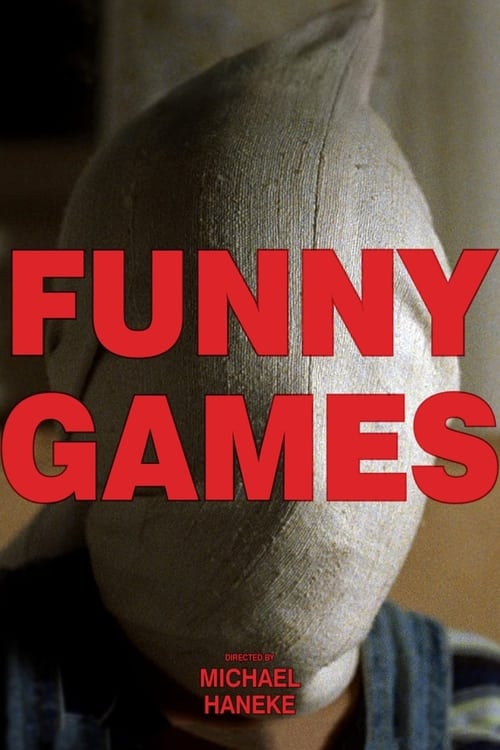
Funny Games
"A polite invitation to your own execution."
The first thing you hear isn’t the scream of a victim or the rev of a chainsaw, but the high-brow, polite trill of a classical CD playing in a Range Rover. A wealthy family is playing a guessing game—identifying composers—as they tow their boat toward a lakeside vacation home. Then, without warning, the audio track is hijacked by the screeching, discordant death metal of John Zorn. It’s a sonic assault that serves as a formal warning: Michael Haneke isn't here to entertain you; he’s here to put you on trial.
I watched this in a drafty apartment while wearing a sweater that was way too itchy, which felt oddly appropriate for the skin-crawling discomfort on screen. Most horror movies operate on a contract where the audience gets a "scare" in exchange for their time. Funny Games is different. It’s a film that hates its own genre, and by extension, it feels like it has a very specific bone to pick with anyone who enjoys watching "scary movies."
The Banality of the White Glove
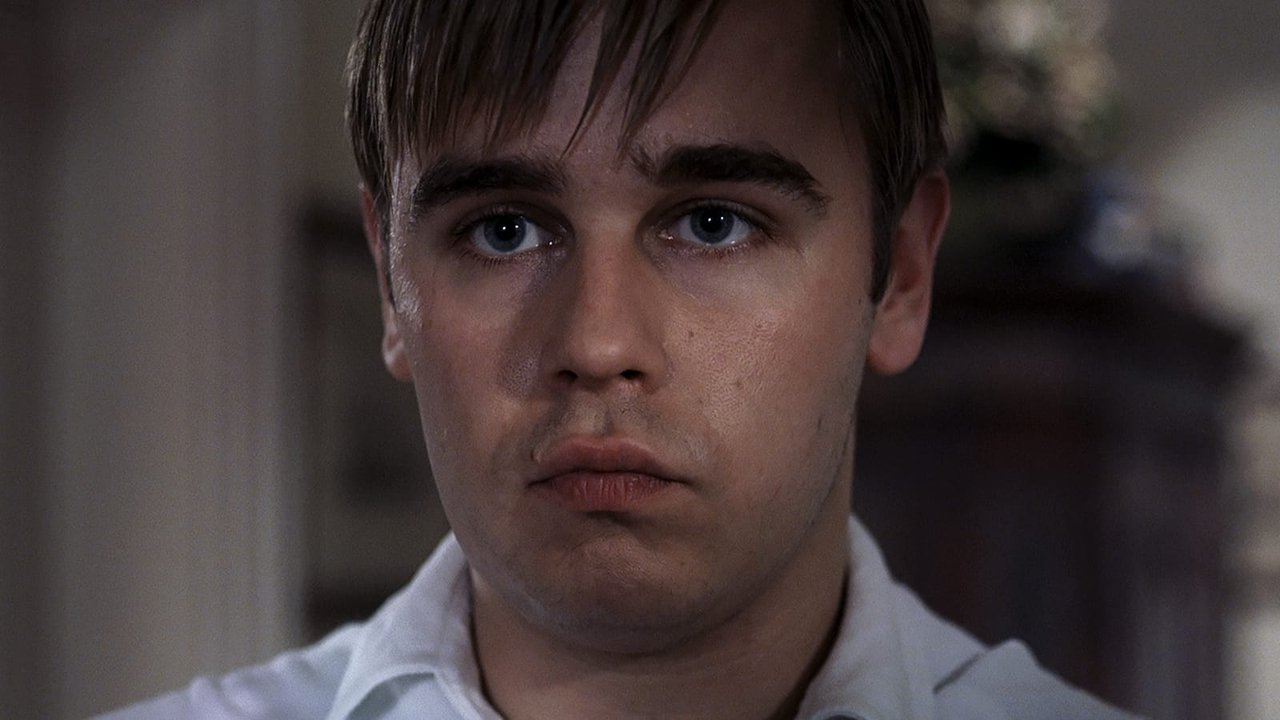
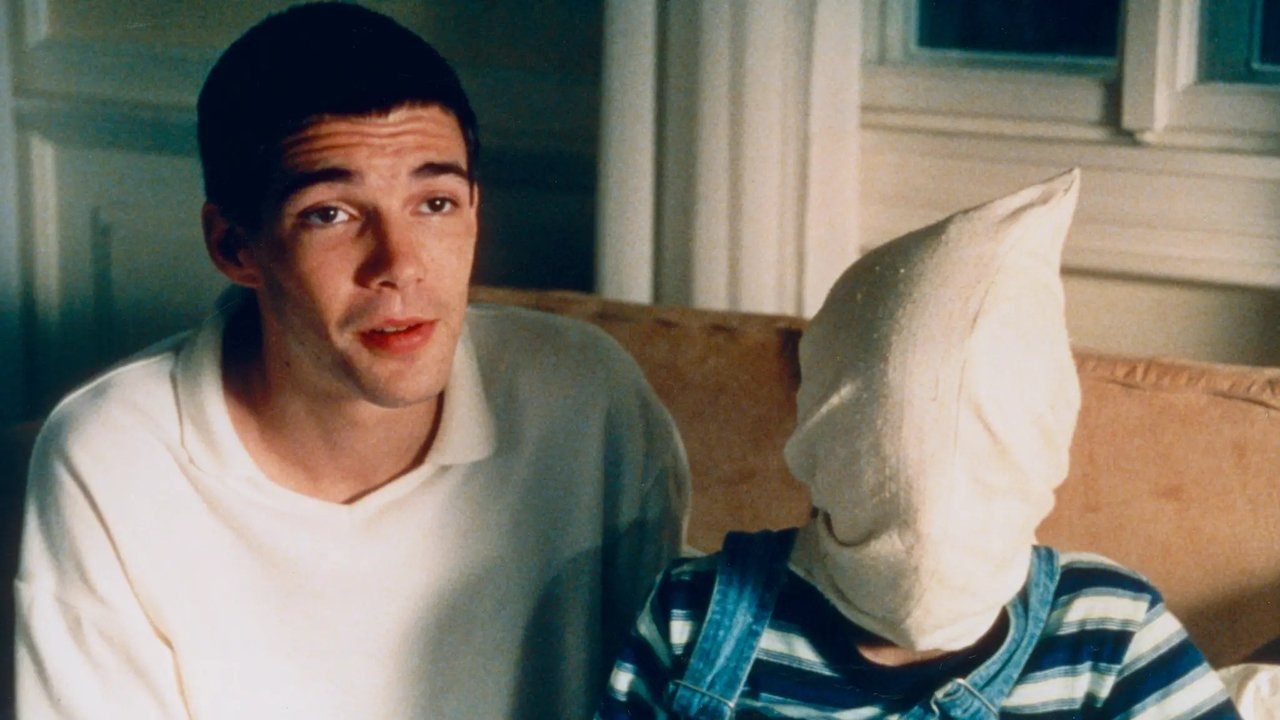
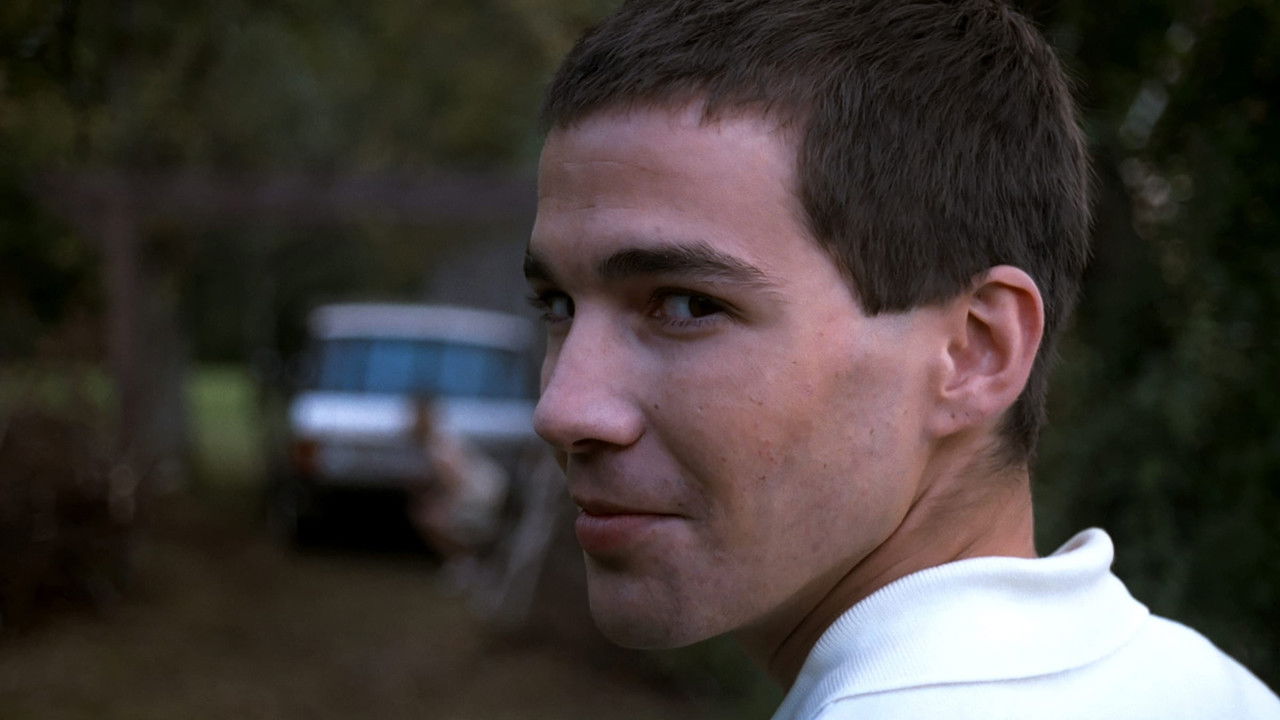
The plot is deceptively simple, almost a parody of the home invasion subgenre that would later explode in the 2000s. A pair of young men, Paul (Arno Frisch) and Peter (Frank Giering), dressed in pristine white tennis whites and sporting matching gloves, drop by the neighbor's house to borrow some eggs. They are excessively polite, using "please" and "thank you" like weapons. When they move on to Anna (Susanne Lothar) and Georg (Ulrich Mühe), the mask of manners doesn't slip—it just becomes part of the torture.
What struck me most was the pacing. Haneke, who also wrote the screenplay, refuses to use the quick-cutting language of the 90s. Instead, he leans into long, static takes that force you to sit in the room with the victims. When a character is injured, there is no heroic recovery. There is just the wet, pathetic sound of sobbing and the agonizingly slow process of trying to find a working phone. Susanne Lothar gives one of the most grueling performances I’ve ever seen; her terror doesn't feel like "acting," it feels like a physiological collapse. It’s a performance that makes most "scream queens" look like they’re performing at a talent show.
Breaking the Fourth Wall with a Remote Control
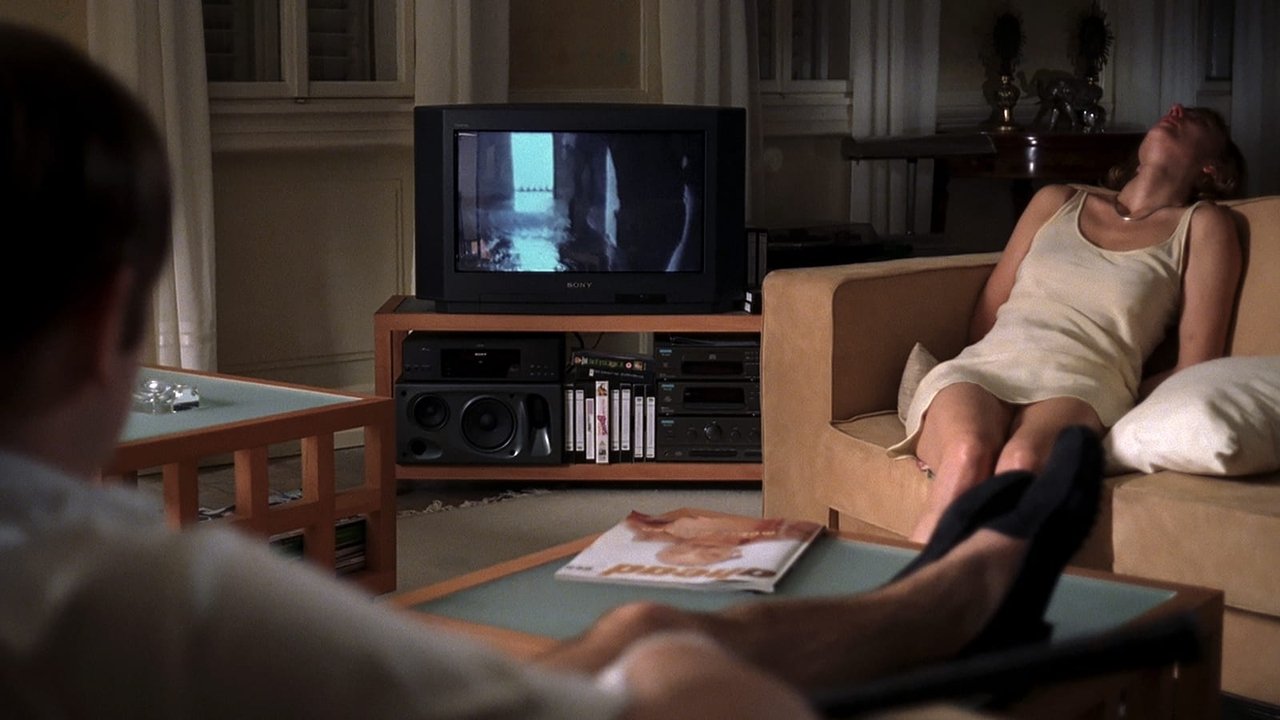
If you’re looking for a typical thriller, this movie will actively try to ruin your night. About midway through, the film commits what I consider the ultimate cinematic transgression. Paul looks directly into the camera and winks at us. He asks if we think the family has a chance of winning. In that moment, the "game" isn't just happening to the family; it’s a collaboration between the killers and the viewer. We are the ones demanding a climax, a struggle, and a resolution.
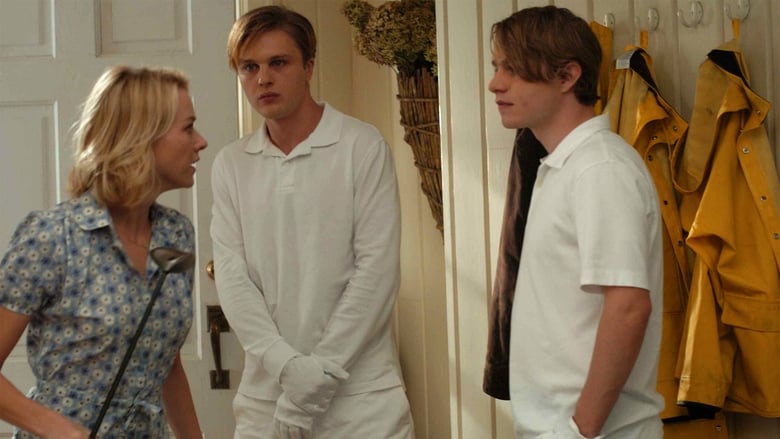
This meta-commentary reaches its boiling point in the infamous "remote control" scene. I won't spoil the mechanics for those who haven't seen it, but it’s a sequence that basically tells the audience to go jump in a lake. It’s a moment of pure directorial malice. Apparently, Haneke was so committed to this specific critique of media violence that he later remade the film shot-for-shot in 2007 with Naomi Watts, simply because he wanted to force American audiences to watch it in their own language. He didn't want to change a single frame; he just wanted to ensure the "lesson" hit home.
Behind the Scenes of a Beautiful Nightmare
Despite being a film about nihilism, the production was a family affair in the strangest way. Susanne Lothar and Ulrich Mühe were married in real life, which adds a layer of genuine, heartbreaking intimacy to their scenes together. Watching them try to comfort each other while their world dissolves is almost too much to bear. Tragically, both passed away relatively young—Mühe in 2007 and Lothar in 2012—leaving behind a legacy of intense, uncompromising work.
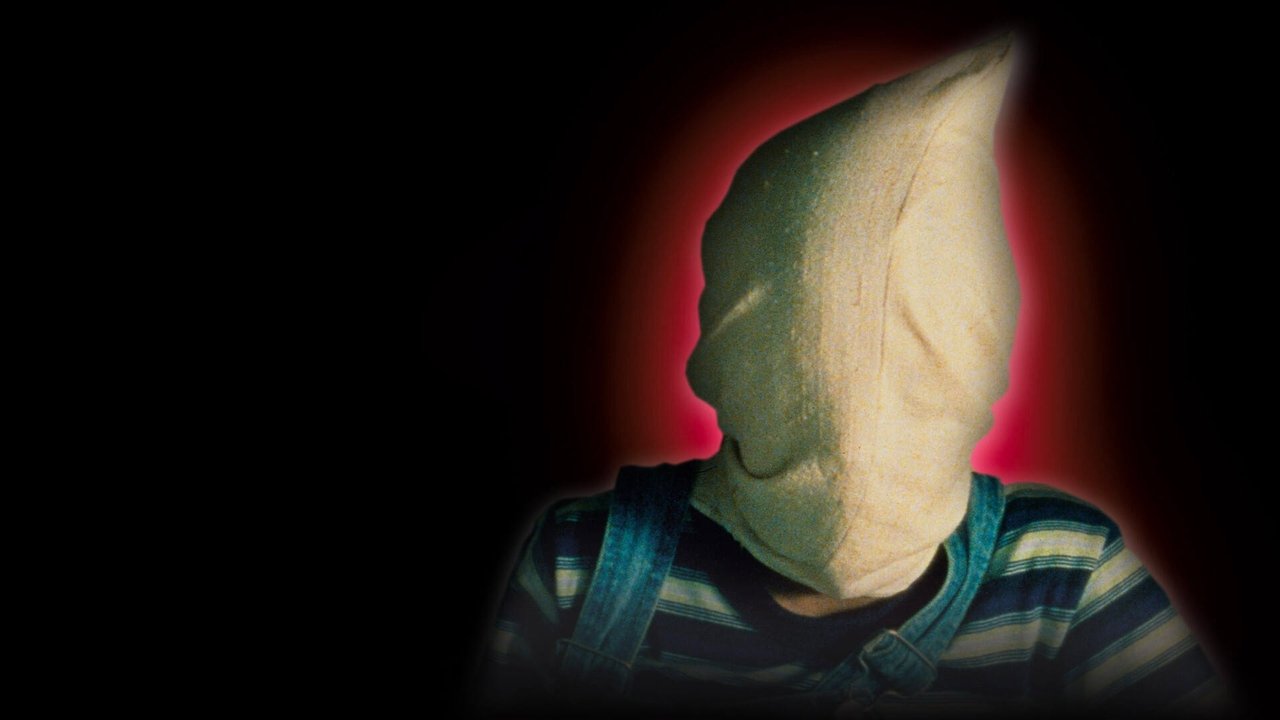
The film was famously booed at the Cannes Film Festival, with critics walking out in droves. It earned a measly $2,506 at the box office, yet it has become a foundational text for anyone interested in the philosophy of horror. It’s the ultimate "cult" film because it doesn't want to be loved. It’s the cinematic equivalent of a cold shower. Interesting trivia for the gearheads: Haneke insisted on using real golf balls for the scenes involving the "games," which kept the actors on edge because a stray hit could actually cause serious damage. There’s a clinical reality to the props and the setting—no CGI, no flashy lighting—just the terrifyingly bright sun of an Austrian afternoon.
Funny Games is an essential watch, but it’s a film I can only recommend if you’re prepared to be insulted. It challenges the very idea of why we find violence "entertaining" and leaves you feeling complicit in the tragedy. It’s brilliant, arrogant, and deeply upsetting. If you can handle the remote control, you can handle anything the genre has to throw at you.
Stuff You Didn't Notice
The Benji Connection: Arno Frisch was cast as Paul primarily because of his role in Haneke's earlier film, Benny's Video (1992), where he played a teenager who becomes desensitized to violence through VHS tapes. The No-Music Rule: After the jarring opening credits, there is absolutely zero non-diegetic music in the film. Every sound you hear—the wind, the clicking of the stove, the heavy breathing—is happening within the world of the cabin. A Tale of Two Remakes: While most fans prefer this 1997 original, the 2007 version is one of the only "shot-for-shot" remakes in history where the original director returned to repeat himself exactly, right down to the floor plan of the house. The Cannes Walkout: When it premiered at Cannes, the "Remote Control" scene caused such a stir that even seasoned critics were reportedly shouting at the screen. Haneke took it as a compliment. * The White Gloves: The killers wear white gloves to avoid leaving fingerprints, but Haneke also used them to give them a "magician" or "waiter" quality—men who are there to serve a very specific, dark purpose.
Keep Exploring...
-
Caché
2005
-
Funny Games
2008
-
Martyrs
2008
-
The Skin I Live In
2011
-

The Devil's Backbone
2001
-
Twin Peaks: Fire Walk with Me
1992
-

Falling Down
1993
-
Natural Born Killers
1994
-
From Dusk Till Dawn
1996
-

Jackie Brown
1997
-
Lost Highway
1997
-
The Devil's Advocate
1997
-

The Game
1997
-

Enemy of the State
1998
-

The Negotiator
1998
-
Eyes Wide Shut
1999
-
Sleepy Hollow
1999
-
American Psycho
2000
-

28 Days Later
2002
-
John Q
2002