George of the Jungle
"He swings, he hits, he conquers."
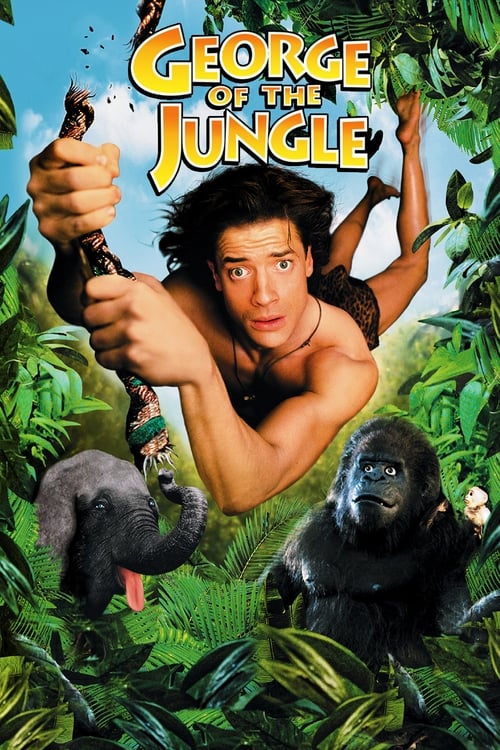
There is a specific, resonant thud that defines a very particular era of my cinematic upbringing. It’s the sound of a six-foot-three, highly-muscled man slamming pectoral-first into a bark-covered soundstage. Long before he was fighting mummies or winning Oscars for heavy-hitting dramas, Brendan Fraser was the undisputed heavyweight champion of the slapstick collision. In the mid-90s, Disney was obsessed with translating classic 2D animation into live-action reality, and while most of those efforts felt like hollow cash-grabs, George of the Jungle managed to capture the anarchic, fourth-wall-shattering spirit of Jay Ward’s original cartoon with a weird, caffeinated brilliance.
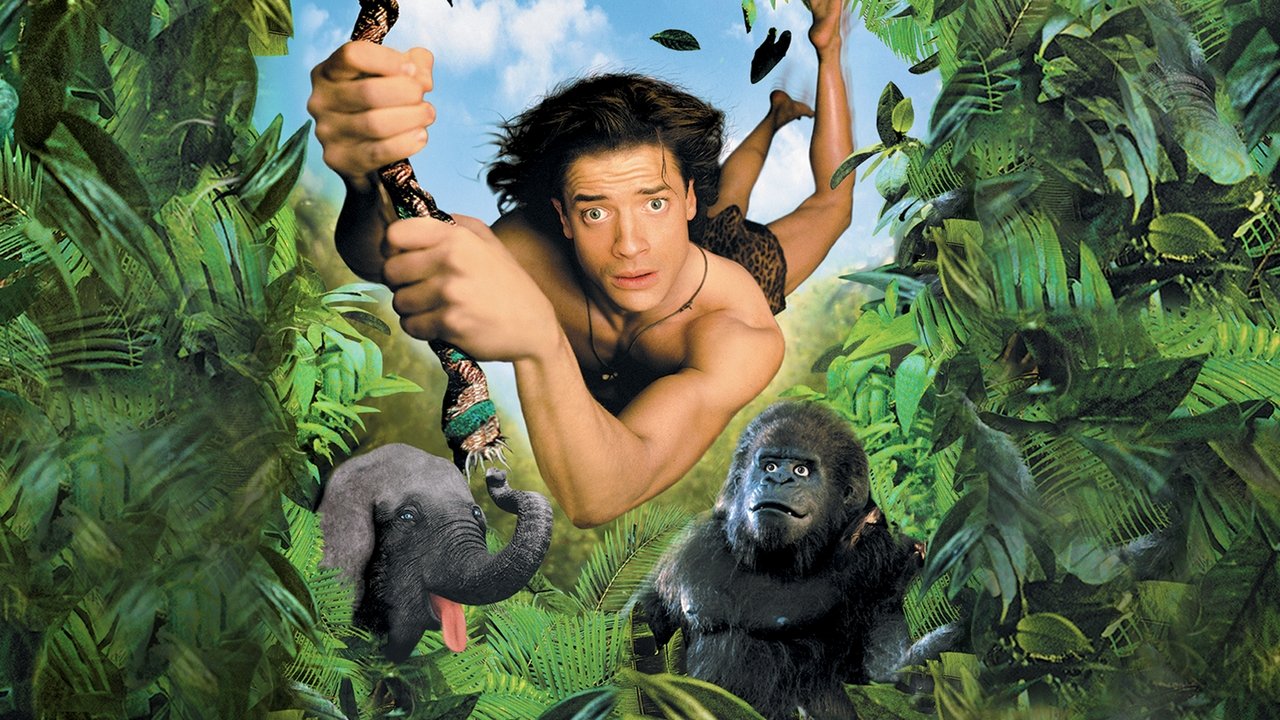
I revisited this one on a rainy Tuesday afternoon while trying to repair a leaky kitchen faucet with a piece of sugar-free gum and a prayer; somehow, watching George accidentally dismantle a San Francisco gala felt like the perfect accompaniment to my own domestic incompetence.
The Physicality of a Live-Action Cartoon
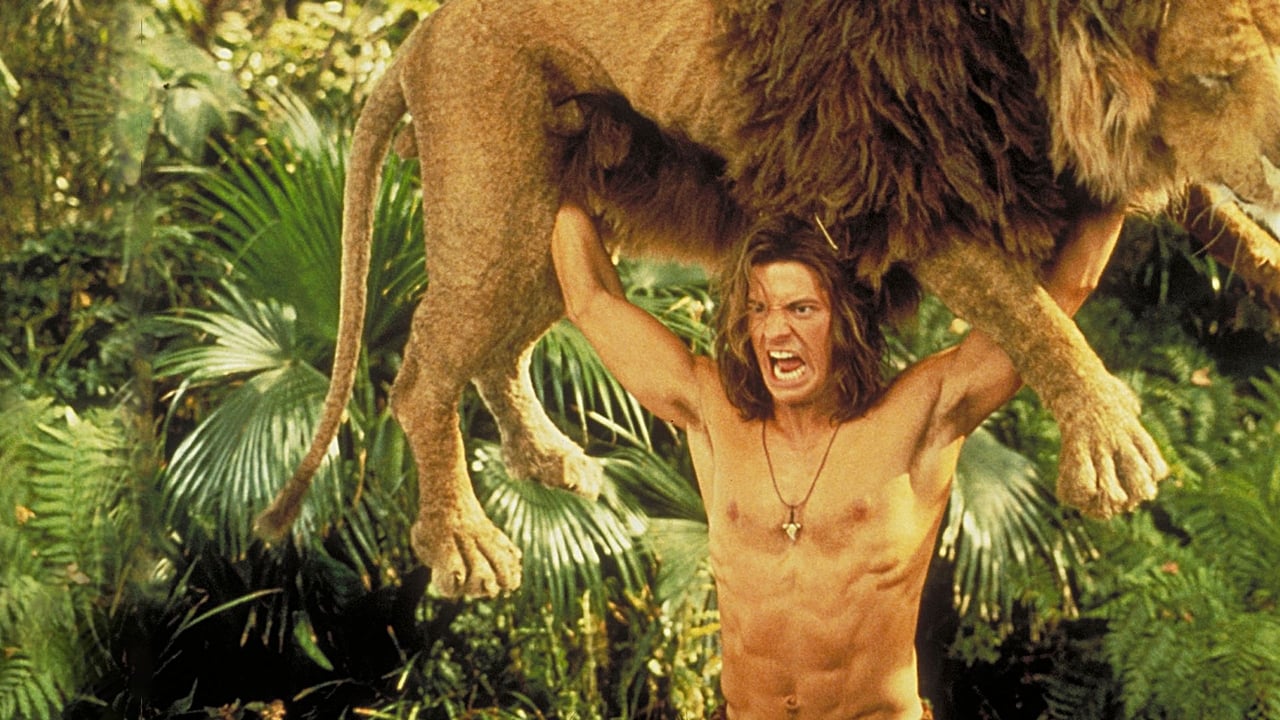
What strikes me most looking back at 1997 is just how much the film relies on Brendan Fraser’s terrifying level of commitment. He doesn't just play George; he inhabits the vacant, wide-eyed innocence of a man who has been raised by a primate named Ape and considers a giant elephant to be a family dog. Brendan Fraser’s George is the most physically committed comedic performance of the decade. He’s basically a silent film star trapped in a blockbuster body, using his entire frame to sell the joke that gravity is his primary antagonist.
The plot is your standard "fish out of water" (or ape out of jungle) fare. Wealthy heiress Ursula Stanhope (Leslie Mann) goes on a safari, gets rescued by the legendary White Ape, and eventually brings him back to the "urban jungle" of San Francisco. Leslie Mann is great here, playing the straight-woman role with a bubbly sincerity that prevents the movie from devolving into pure screeching. But the real MVP of the supporting cast is Thomas Haden Church as Lyle Van de Groot. Lyle is the definitive blueprint for the '90s douchebag villain, sporting a haircut that looks like it was sculpted out of high-grade plastic and delivering lines with a pompous nasal whine that makes you actively cheer for him to be mauled by a lion.
Animatronics and the Pre-CGI Sweet Spot
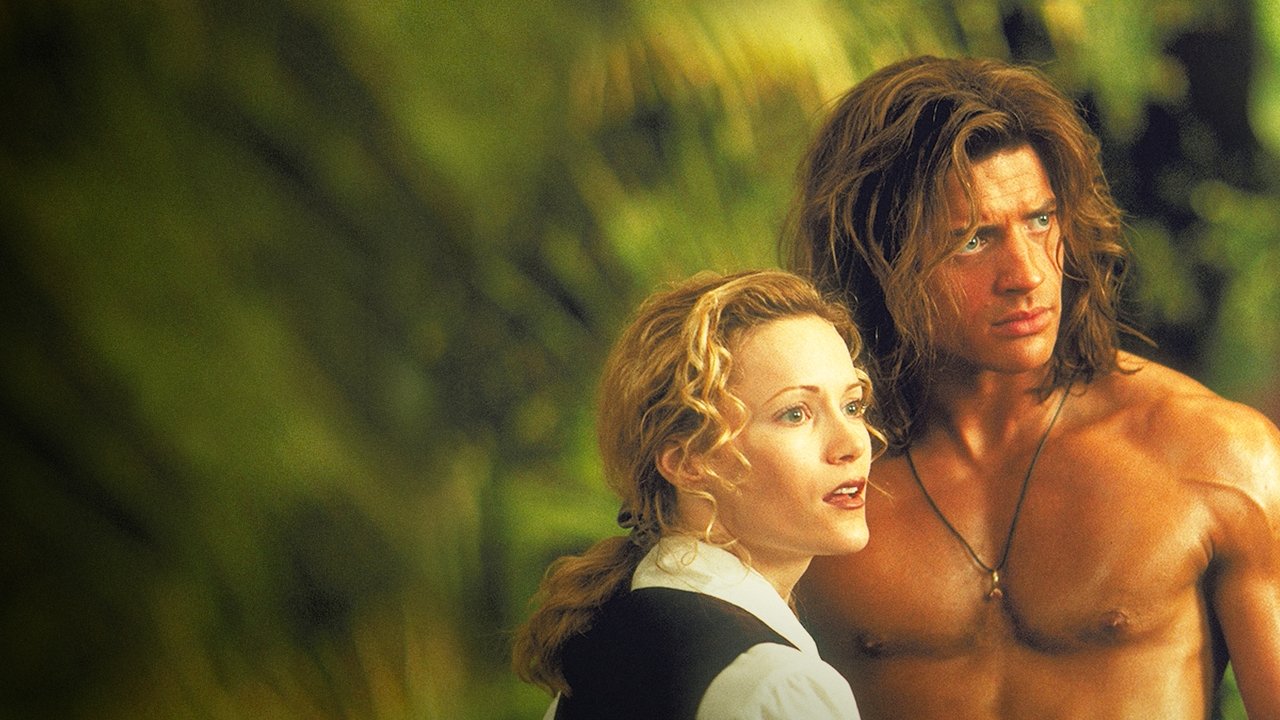
George of the Jungle sits in that fascinating technological pocket between the analog and the digital. We’re deep in the "Modern Cinema" transition here, where filmmakers were still terrified that full CGI looked like rubber. While Shep the elephant is a clearly digital creation that hasn't aged particularly well—looking a bit like a blurry gray balloon in high definition—the character of Ape is a triumph of practical effects.
Voiced with dry, British wit by John Cleese (Monty Python and the Holy Grail), Ape was brought to life by Jim Henson’s Creature Shop. Using a mix of a suit performer and complex animatronics for the face, Ape feels "real" in a way that modern motion-capture sometimes misses. There’s a weight to him, a texture to the fur, and a subtle mechanical jitter in the eyes that makes his interactions with George feel grounded. This was a blockbuster that cost $55 million—a massive sum at the time—and a huge chunk of that went into making sure a talking gorilla could credibly sip an espresso and criticize George’s swinging technique.
The film also leaned heavily into the "meta" humor that would later define franchises like Deadpool. The Narrator (voiced by Keith Scott) isn't just a voiceover; he’s a character who argues with the cast, gets insulted by the villains, and even gets into a spat with the subtitles. For a 1997 family film, this was remarkably savvy, signaling a shift toward the self-aware irony that would dominate the 2000s.
Why the Slapstick Still Swings
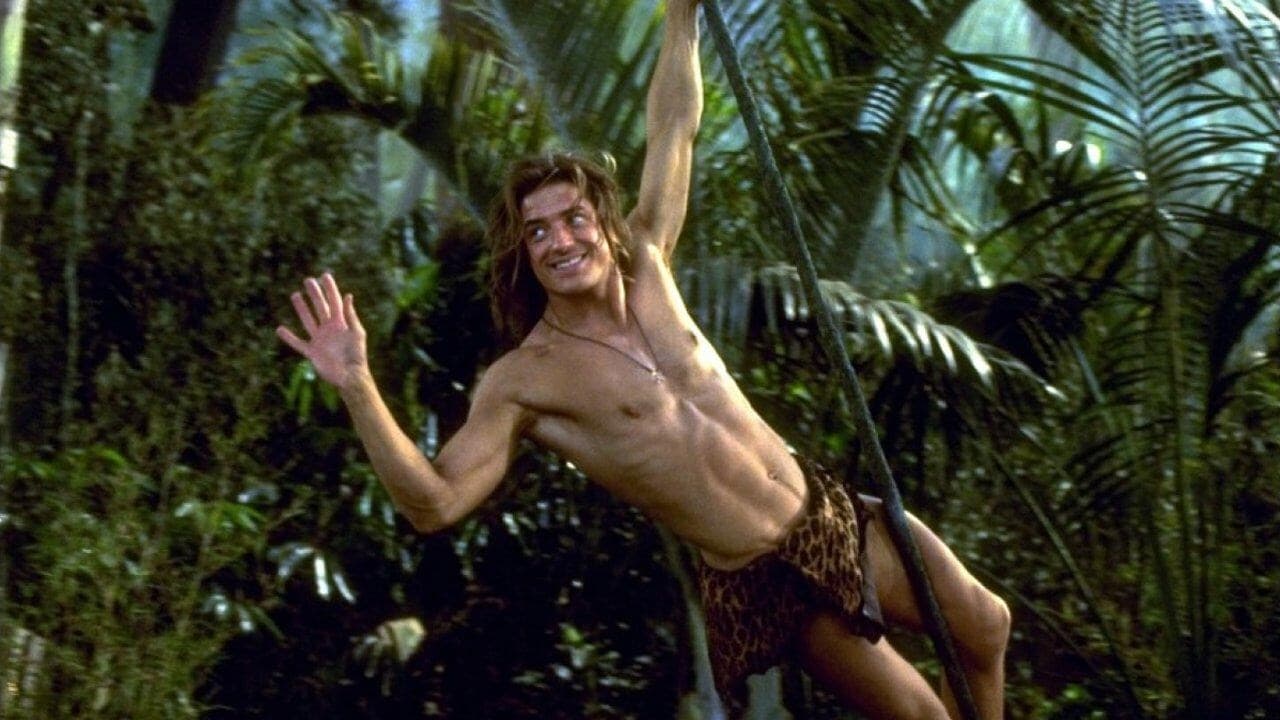
It’s easy to dismiss this as "just a kids' movie," but there’s a craft to the comedy here directed by Sam Weisman (The Mighty Ducks). The timing is impeccable. Take the bridge rescue scene, for instance. When George swings across the San Francisco-Oakland Bay Bridge to save a stranded parachutist, the production actually hung a dummy from the bridge, which caused real-life commuters to call the police in a panic. That level of "let's just do it for real" adds an energy to the screen that you can’t fake with a green screen.
The film was a massive hit, raking in over $174 million worldwide and cementing Brendan Fraser as a bankable lead. It captured a moment in the late 90s when we wanted our blockbusters to be bright, colorful, and utterly unpretentious. Looking at it now, it feels like a relic of a time when Disney was willing to be genuinely weird. Between the "Bongo Gram" musical numbers and Richard Roundtree (Shaft) playing a safari guide who is constantly exasperated by the white people around him, there’s a layer of wit that rewards an adult rewatch.
Ultimately, George of the Jungle succeeds because it refuses to take itself seriously for even a single frame. It’s a movie that knows exactly what it is: a live-action Saturday morning cartoon fueled by high-fructose corn syrup and Brendan Fraser’s incredible abs. It’s light, it’s loud, and it features a talking gorilla who loves Fortune magazine. If you can’t find the joy in that, you’re probably overdue for a swing into a very large tree.

Keep Exploring...
-
Shrek 2
2004
-
Shrek the Third
2007
-
Planes
2013
-
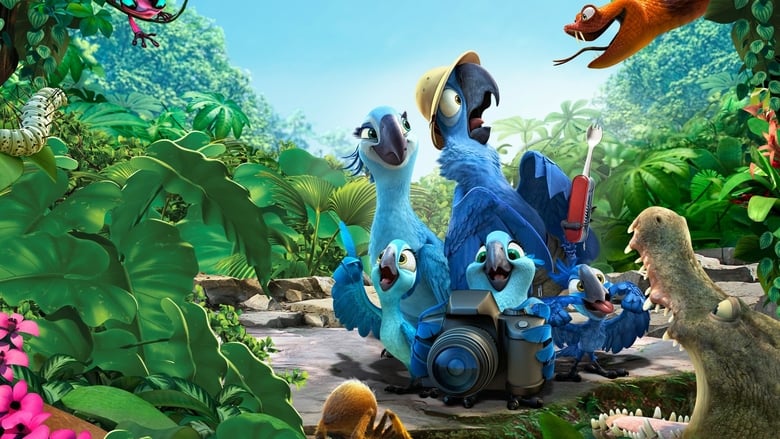
Rio 2
2014
-
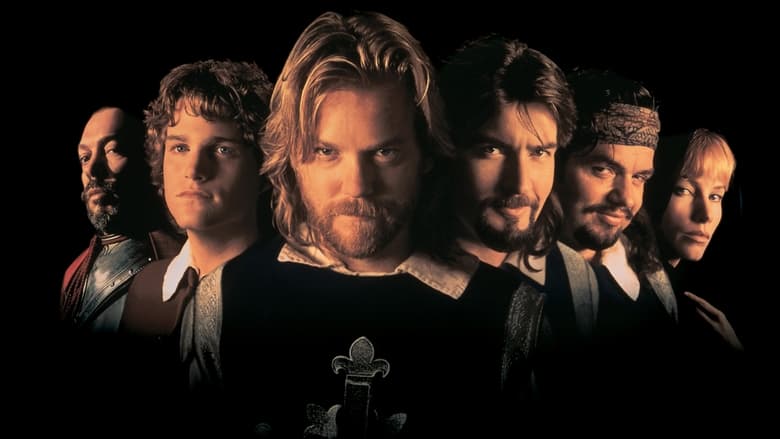
The Three Musketeers
1993
-
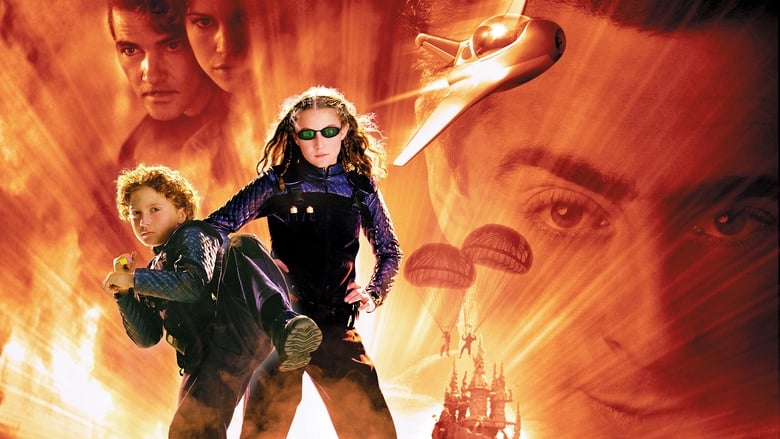
Spy Kids
2001
-
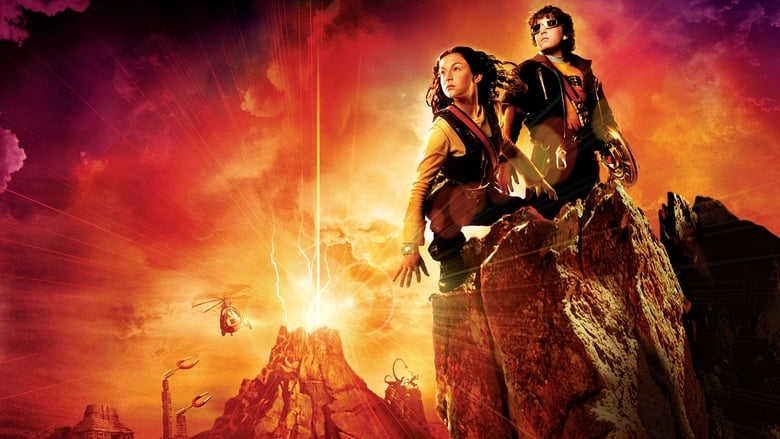
Spy Kids 2: The Island of Lost Dreams
2002
-
Are We There Yet?
2005
-

Night at the Museum
2006
-
Horton Hears a Who!
2008
-
Madagascar: Escape 2 Africa
2008
-

Puss in Boots
2011
-
The Smurfs
2011
-
Ice Age: Continental Drift
2012
-
Madagascar 3: Europe's Most Wanted
2012
-
Planes: Fire & Rescue
2014
-
Bean
1997
-
Hercules
1997
-
Journey to the Center of the Earth
2008
-

The Swan Princess
1994