G.I. Jane
"Shaved head, iron will, zero apologies."

The sound of a buzzer shearing through a thick mane of dark hair shouldn’t be that cinematic, but in 1997, it was the only thing anyone talked about. Before the internet could dissect every frame of a trailer, we had the "Demi Shaves Her Head" headlines. I remember sitting in a theater that smelled faintly of floor cleaner and stale popcorn, watching Demi Moore (fresh off the high-stakes glitz of Indecent Proposal) transform herself into a slab of pure, unyielding granite. It wasn't just a haircut; it was a manifesto.
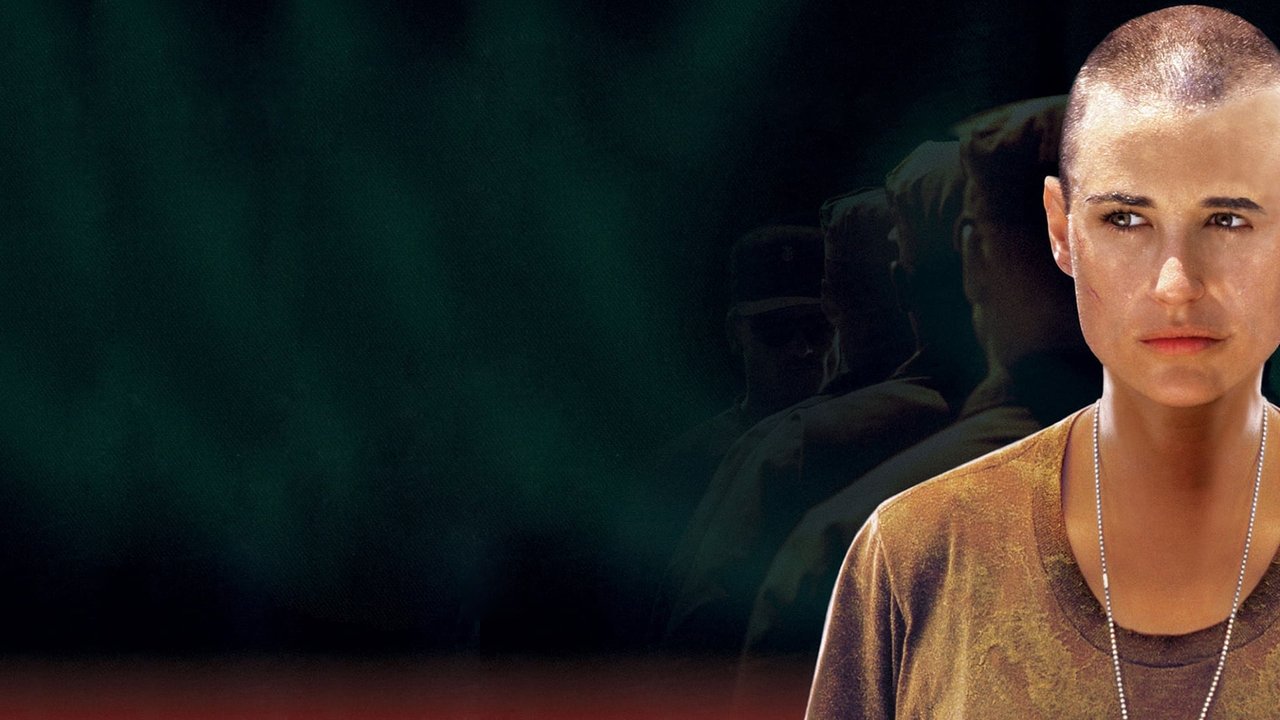
G.I. Jane arrived at a fascinating crossroads in 90s cinema. We were moving away from the cartoonish muscle-gods of the 80s and toward something grittier, yet the film still carries that glossy, high-contrast sheen that only Ridley Scott (Blade Runner, Gladiator) can deliver. Looking back, it’s a time capsule of an era where "female empowerment" in Hollywood meant proving a woman could suffer just as brutally as the men—and look better doing it in high-contrast cinematography.
The Poetry of the Grind
If you’ve ever wondered what a Navy SEAL recruitment video would look like if it were directed by a visual genius with an obsession for backlight and smoke machines, this is it. Ridley Scott treats the mud of Florida (actually filmed in South Carolina and California) like a sacred landscape. Every drop of sweat is perfectly lit, and every grueling obstacle course run feels like an epic battle.
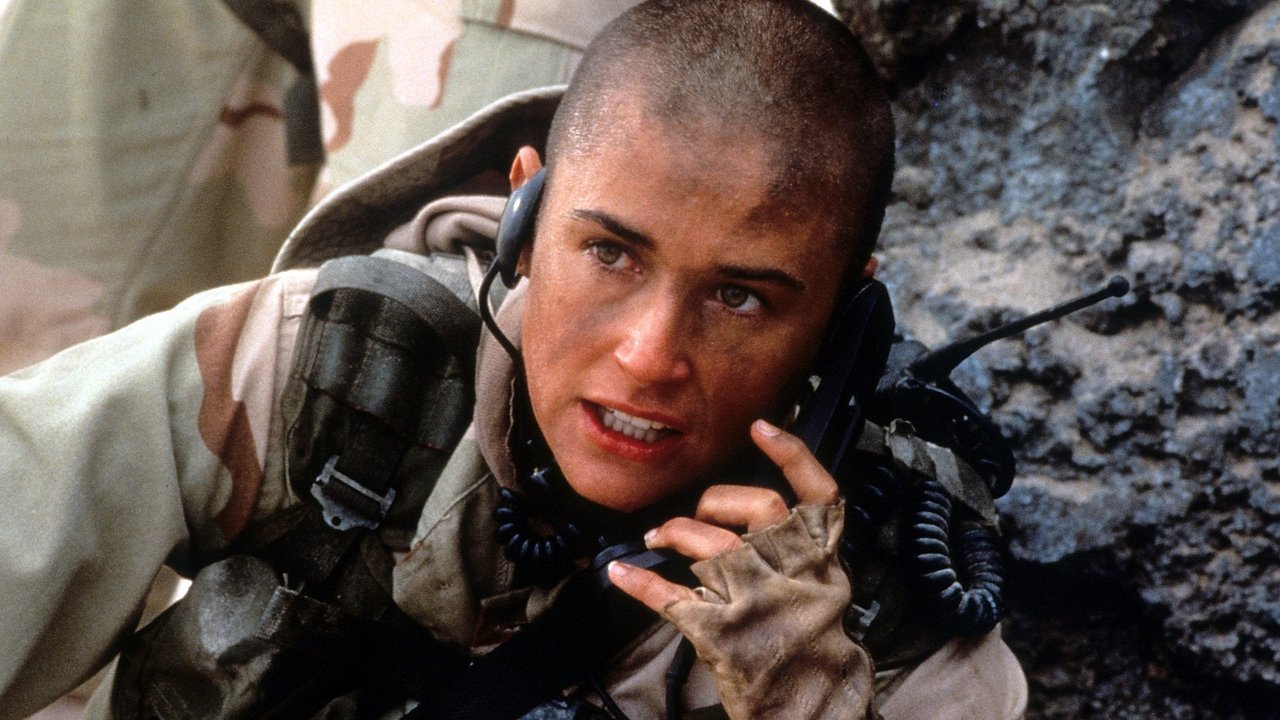
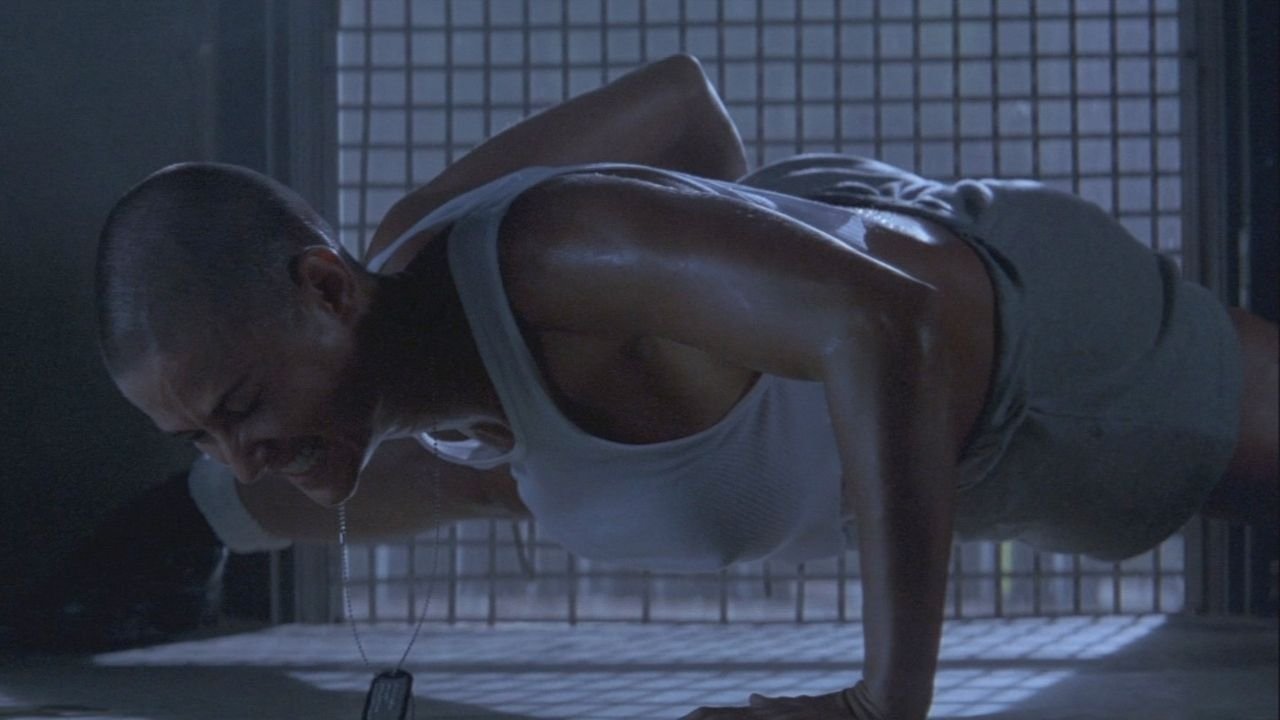
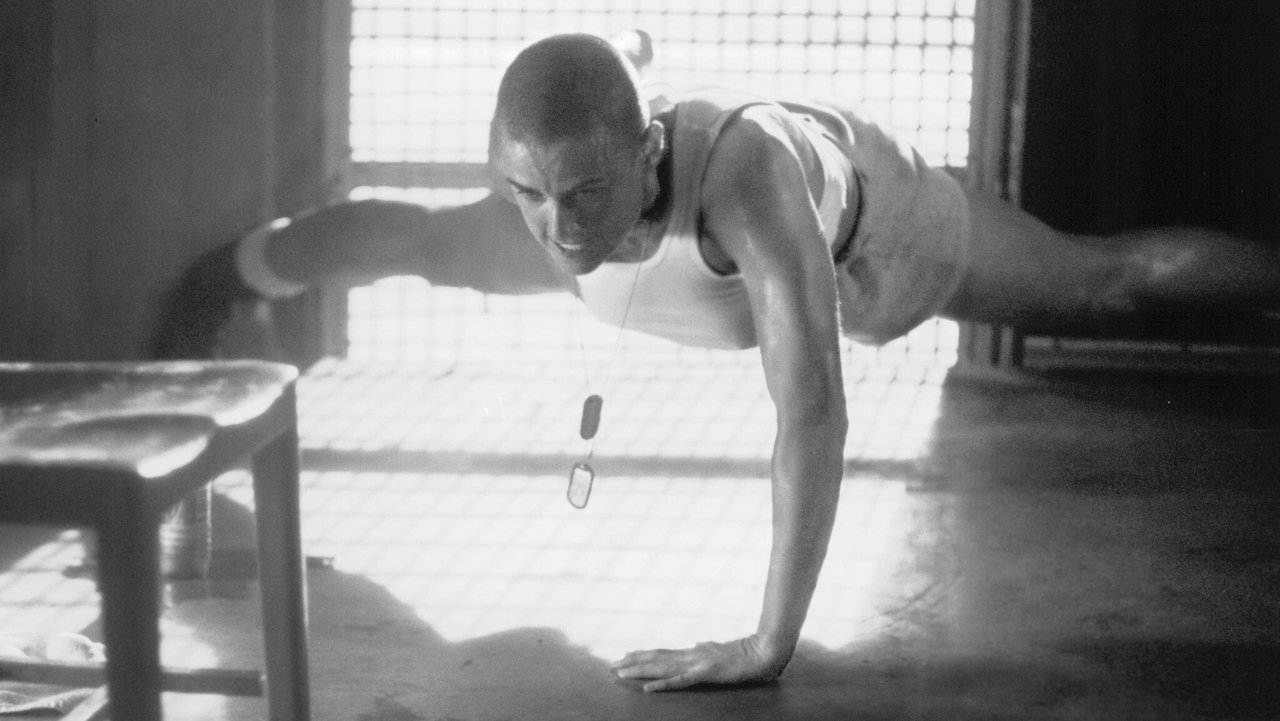
The action isn't about explosions—though those come later during a somewhat tacked-on third act in Libya—it’s about the physics of the human body. I watched this while nursing a lukewarm Diet Coke and a mild case of shin splints from a failed attempt at a 5k, and Moore’s physical commitment made me feel like a total sloth. She famously did those one-armed pushups for real, and you can feel the weight of every repetition.
The middle hour of the film is essentially a high-budget "suffer-fest." It’s a rhythmic, percussive cycle of bells ringing, cold water splashing, and sand getting into places sand should never be. Scott and cinematographer Hugh Johnson capture the "Hell Week" sequences with a frantic, handheld energy that predates the shaky-cam craze of the 2000s but maintains a clear, brutal legibility.
Aragorn in Tiny Shorts
While Demi Moore is the engine, Viggo Mortensen is the high-octane fuel. Long before he was leading rangers into Mordor, Mortensen was Master Chief John James Urgayle. He’s a fascinating antagonist because he isn't a mustache-twirling villain; he’s a man who views his own cruelty as a form of distorted kindness. He quotes D.H. Lawrence poetry while actively trying to break O’Neil’s spirit.
Mortensen’s short-shorts and mustache are a bold choice that only a man of his charisma could pull off without looking like a 70s gym teacher. He brings a quiet, predatory stillness to the role that balances Moore’s vocal intensity. Their dynamic is the best part of the movie—a psychological chess match played out in a literal pit of mud. It’s also fun to spot a young Jim Caviezel (The Passion of the Christ) and Josh Hopkins in the ranks, looking like they’re genuinely questioning their career choices during the soak-pipe scenes.
The 90s Political Filter
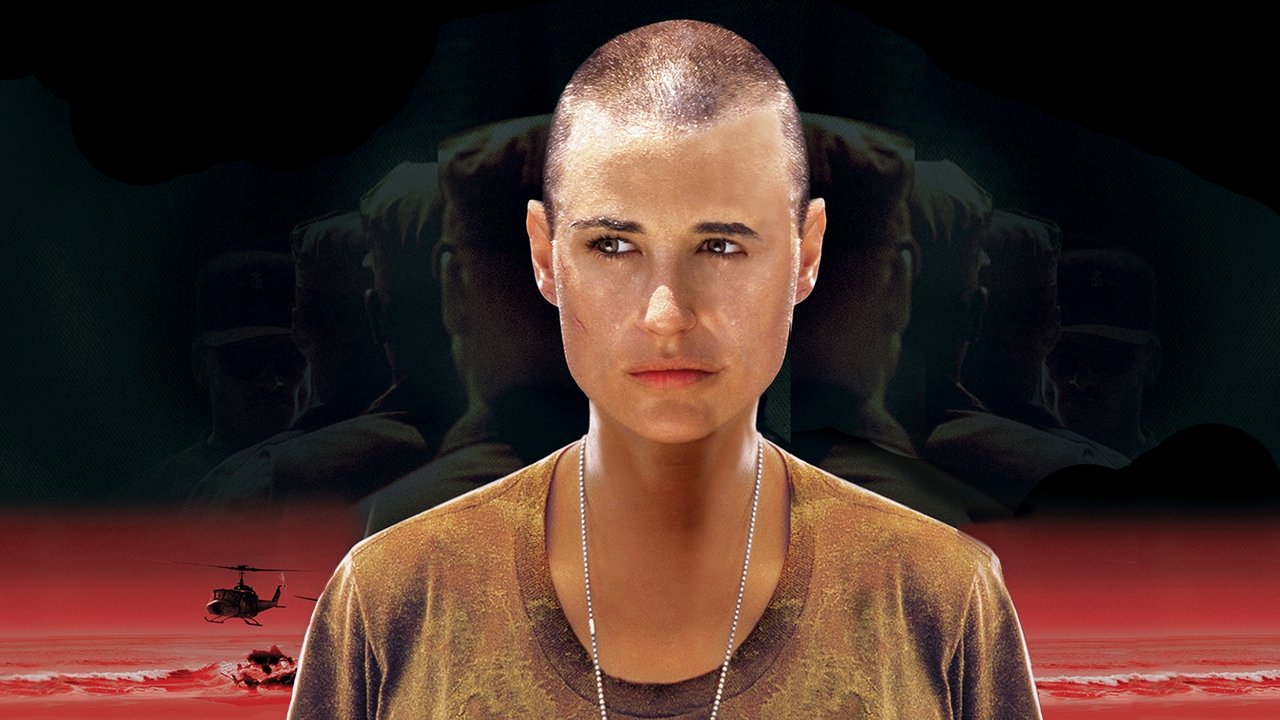
The film’s script, co-written by David Twohy (who gave us the cult sci-fi hit Pitch Black), tries to juggle a political conspiracy subplot involving Anne Bancroft as a cynical Senator. This is where the movie shows its age. The political maneuvering feels a bit like a "very special episode" of a courtroom drama, lacking the punch of the training sequences. It’s a very pre-9/11 view of the military—focused on the bureaucracy of optics rather than the existential dread of modern warfare.
Interestingly, the U.S. Navy actually refused to cooperate with the production because they hated the script’s depiction of the training and the hazing. The production had to build its own "SEAL" base from scratch, which probably explains why the obstacle course looks like the world’s most dangerous CrossFit playground.
The third act shifts gears into a real combat mission that feels like it belongs to a different movie. It’s a bit of a tonal whiplash, moving from a character study about endurance into a standard-issue tactical shooter. But even here, Scott’s eye for chaos keeps it watchable. He frames the skirmishes with a sense of panic that makes the stakes feel genuine, even if the plot has gone a bit off the rails.
G.I. Jane isn’t the deep "meditation on gender" it wants to be, but as a visceral action-drama, it’s a hell of a ride. It’s a testament to a time when movie stars were willing to disappear into a role—literally. While the ending is a bit too tidy and the politics are a bit too loud, the sheer craft on display makes it a standout of the late-90s blockbuster era. If you’re looking for a reason to hit the gym, or just want to see Viggo Mortensen be the most intimidating poet on the planet, it’s well worth the 125 minutes. Just don't blame me if you feel the sudden urge to shave your head by the credits.
Keep Exploring...
-

1492: Conquest of Paradise
1992
-
Crimson Tide
1995
-
Body of Lies
2008
-
Exodus: Gods and Kings
2014
-

Matchstick Men
2003
-
Maverick
1994
-
Wyatt Earp
1994
-
First Knight
1995
-
Executive Decision
1996
-
Absolute Power
1997
-
Conspiracy Theory
1997
-
Volcano
1997
-

Soldier
1998
-
The Siege
1998
-
Payback
1999
-

Hannibal
2001
-
The Last Castle
2001
-

Collateral Damage
2002
-
The Sum of All Fears
2002
-

A Good Year
2006