Good Will Hunting
"Genius is easy. Finding yourself is the hard part."
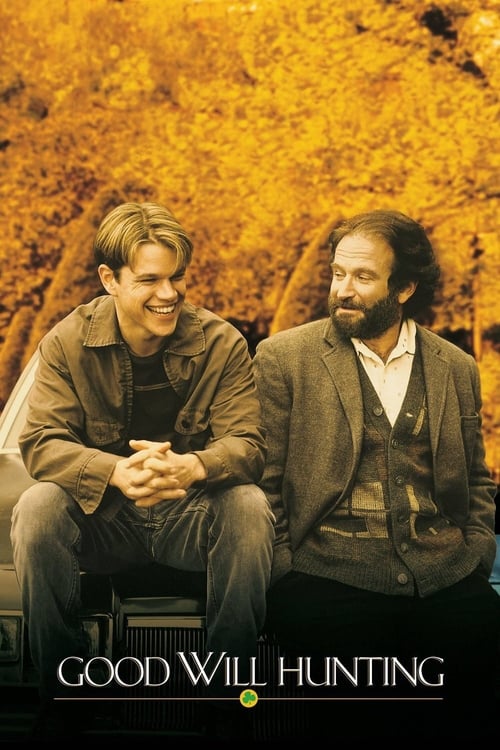
There is a specific kind of arrogance that only exists in the hallways of MIT, a place where the air is thick with the scent of $50,000 tuition and the quiet hum of people who are certain they are the smartest person in any given room. But the most interesting person in Good Will Hunting isn't the professor with the Fields Medal; it’s the guy mopping the floors who can solve a "Fourier Theory" proof in the time it takes to change a trash bag. I watched this again recently while sitting on a very itchy wool blanket my aunt gave me for Christmas, and the physical discomfort of the fabric actually made Will’s internal agitation feel even more tangible.
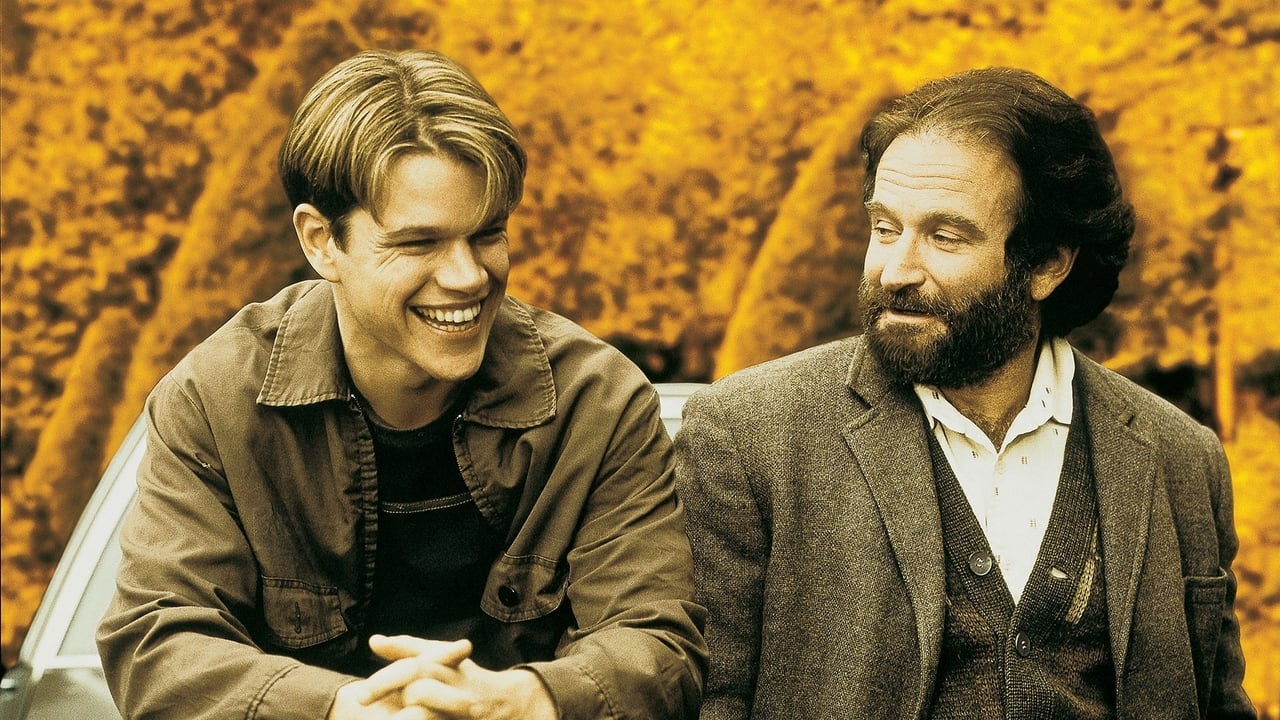
The Script That Changed the Game
Looking back at 1997, it’s almost impossible to decouple the film from the mythos of its creators. Matt Damon and Ben Affleck weren't just actors; they were two kids from Southie who decided to write their own way into Hollywood because the roles they wanted didn't exist. This was the peak of the Miramax era, where indie sensibilities were being polished for Academy voters, and this script was the crown jewel.
There’s a legendary bit of trivia about the screenplay: Damon and Affleck grew so frustrated with studio executives not actually reading their drafts that they inserted a random, graphic gay sex scene in the middle of the script. When they met with Harvey Weinstein, he was the only one who mentioned it, proving he was the only executive who had actually read the thing. That kind of scrappy, defiant energy permeates the entire film. Even when the plot leans into familiar "troubled genius" tropes, the dialogue feels lived-in and sharp. The Southie accents are occasionally one PBR away from becoming a Saturday Night Light sketch, but the chemistry between the "brothers"—including Casey Affleck and Cole Hauser—is so authentic that I’m willing to forgive a few dropped 'R's.
The Quiet Power of Sean Maguire
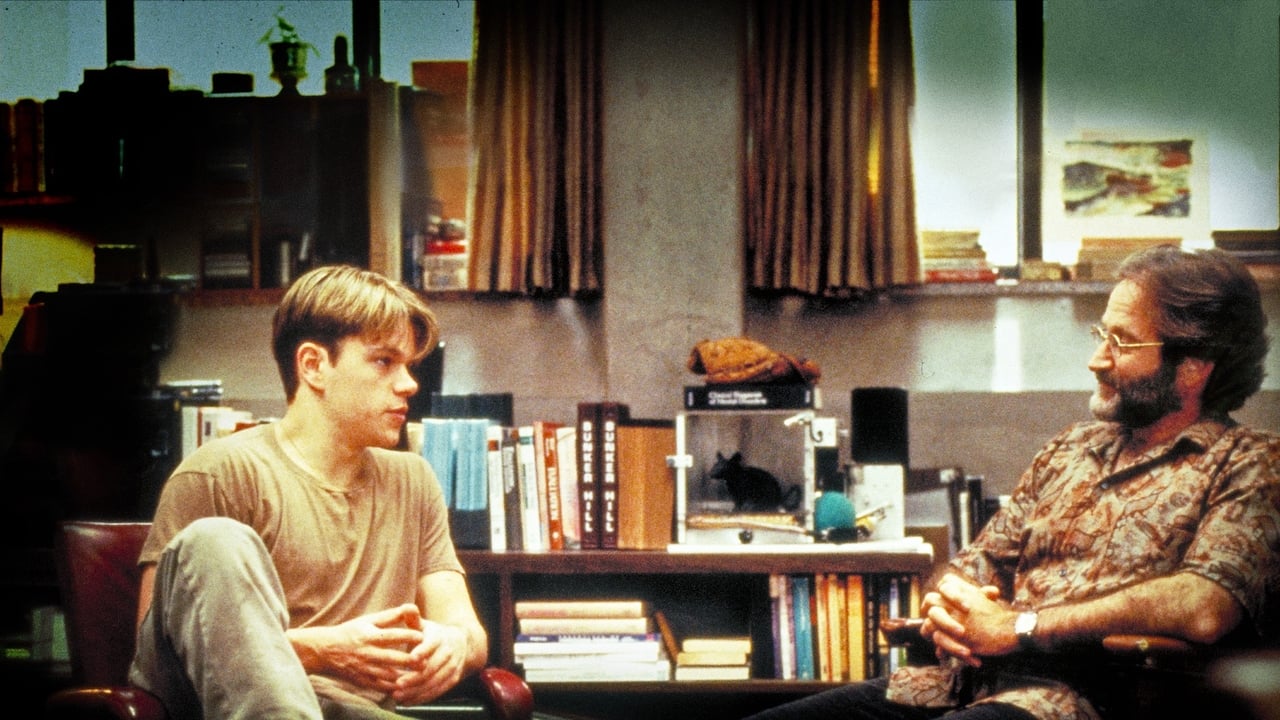
While the math is the hook, the therapy is the heart. Robin Williams gave a performance here that felt like a long, steady exhale. At the time, we were used to Williams being a kinetic force of nature, a man who could riff for twenty minutes without breathing. But as Sean Maguire, he is still. He’s grieving. He’s wounded.
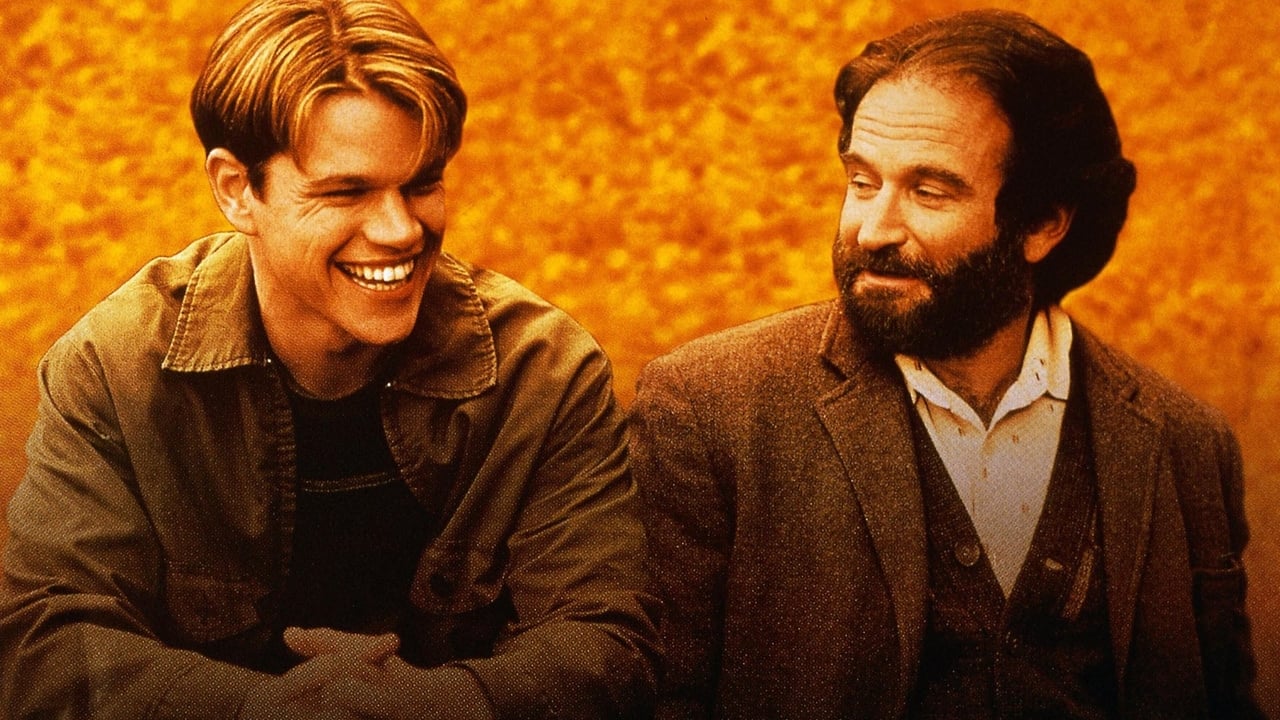
The scene on the park bench where Sean dismantles Will’s intellectual shield is, in my opinion, one of the finest moments in 90s cinema. Cinematographer Jean-Yves Escoffier keeps the camera tight on their faces, letting the Boston Public Garden fade into a blur of green and gray. When Williams tells Will, "You're just a kid," it isn't an insult; it’s a liberation. It was a massive win for the production when Williams took the role, providing the "prestige" gravity needed to get the film financed, and his subsequent Oscar win for Best Supporting Actor felt like the world finally acknowledging he was just as capable of silence as he was of shouting. Apparently, the famous story Sean tells about his wife farting in her sleep was entirely improvised by Williams, which is why you can see Damon laughing so hysterically—he wasn't acting; he was genuinely losing it.
A Tale of Two Bostons
The film does a brilliant job of contrasting the sterile, intellectual coldness of MIT with the rowdy, loyal warmth of South Boston. Stellan Skarsgård plays Professor Lambeau not as a villain, but as a man obsessed with legacy. He sees Will as a tool to solve the world's problems, whereas Sean sees him as a human being who needs to solve his own. The math problems in this movie are essentially magic spells for nerds, used more as a way to show Will’s power than to actually engage with mathematics, but it works because the stakes are always emotional.
Then there’s Skylar, played by Minnie Driver. In any other movie, she’d be the "supportive girlfriend" archetype. Here, she’s a wealthy Brit who is just as smart as Will but far more emotionally evolved. Their breakup scene in the dorm room is agonizing because it’s the first time we see Will’s genius fail him; he can calculate complex equations, but he can’t calculate how to let someone love him. The film balances these heavy moments with Danny Elfman’s score, which avoids his usual whimsical gothic style for something much more acoustic and melancholic.
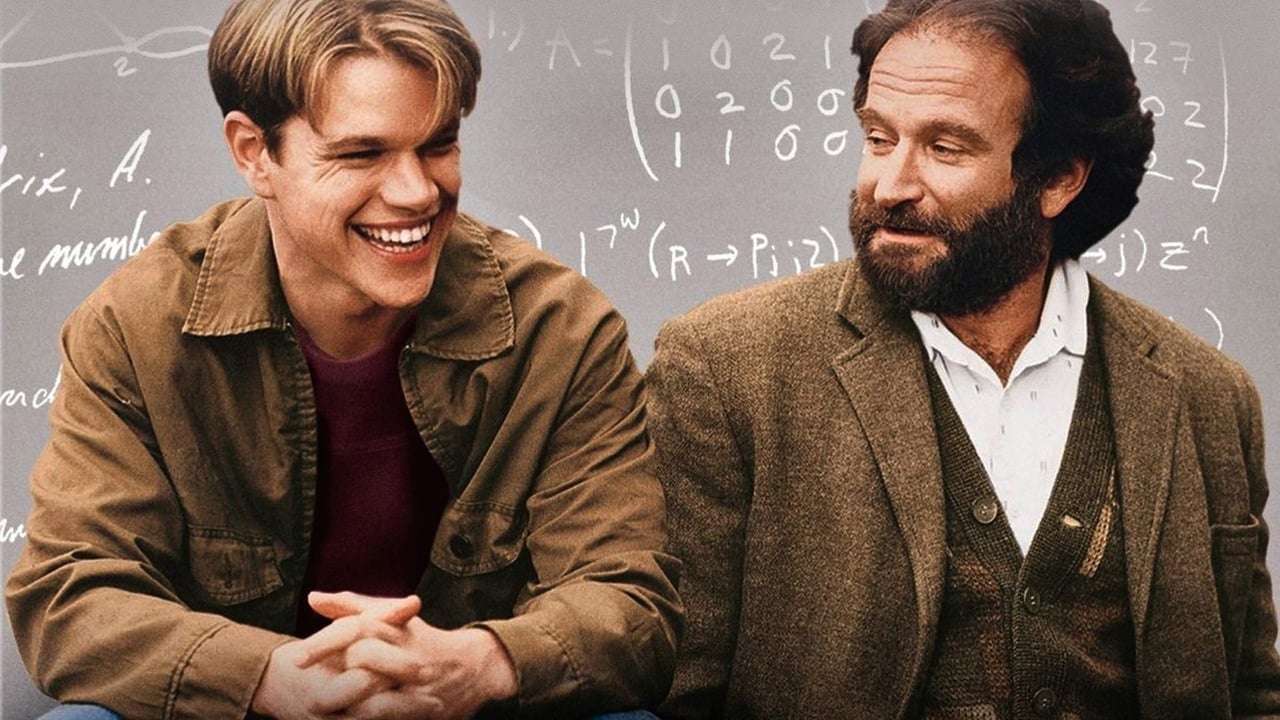
The Legacy of the "Not Your Fault" Era
By the time the 70th Academy Awards rolled around, Good Will Hunting was the little engine that could, standing up against the behemoth that was Titanic. It walked away with nine nominations and two wins (Original Screenplay and Supporting Actor). It’s a film that defines that mid-90s transition—it has the grit of an indie flick but the soaring emotional pay-offs of a studio blockbuster.
Does it hold up? Absolutely. While some of the psychology feels a bit "Therapy 101" by today’s standards, the core message about the fear of potential is timeless. We all like to think we’re the secret genius mopping the floor, just waiting for someone to notice us. But as the film argues, being noticed isn't the happy ending—having the courage to leave the neighborhood and "go see about a girl" is.
Good Will Hunting remains the gold standard for the "prestige drama" of its era. It’s a movie that rewards your attention with genuine heart, even if it has to punch you in the gut a few times to get there. It’s the film that gave us the "It's not your fault" meme, but more importantly, it gave us a reminder that Robin Williams was a once-in-a-generation soul. If you haven't seen it in a decade, it’s time to go back. Your move, chief.

Keep Exploring...
-

Milk
2008
-
To Die For
1995
-
The Talented Mr. Ripley
1999
-
Finding Forrester
2000
-
Scent of a Woman
1992
-
Carlito's Way
1993
-
Schindler's List
1993
-
The Lion King
1994
-
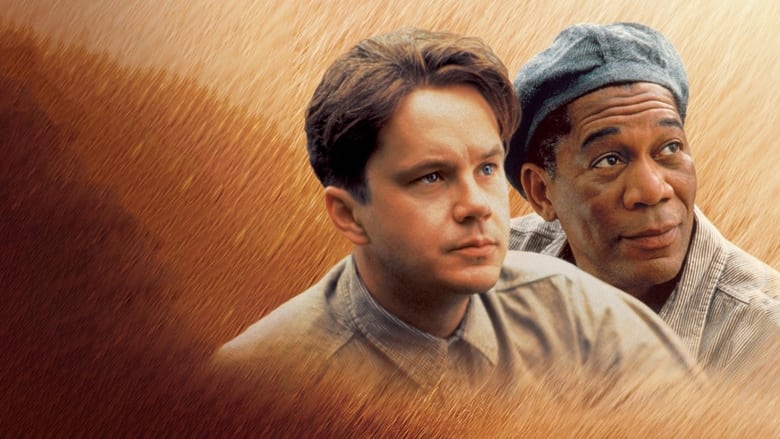
The Shawshank Redemption
1994
-
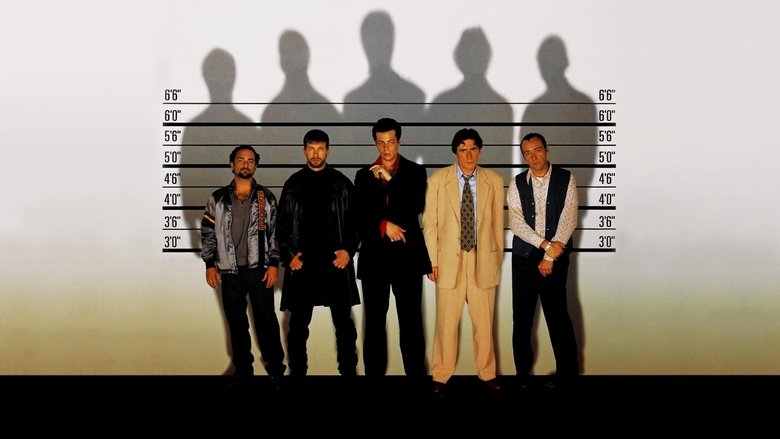
The Usual Suspects
1995
-
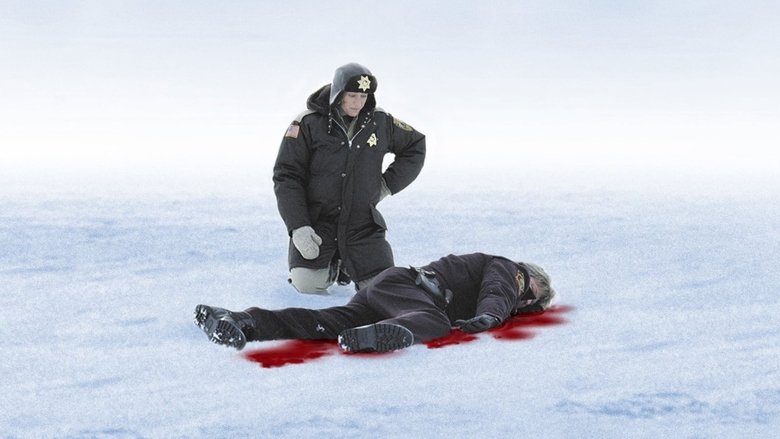
Fargo
1996
-
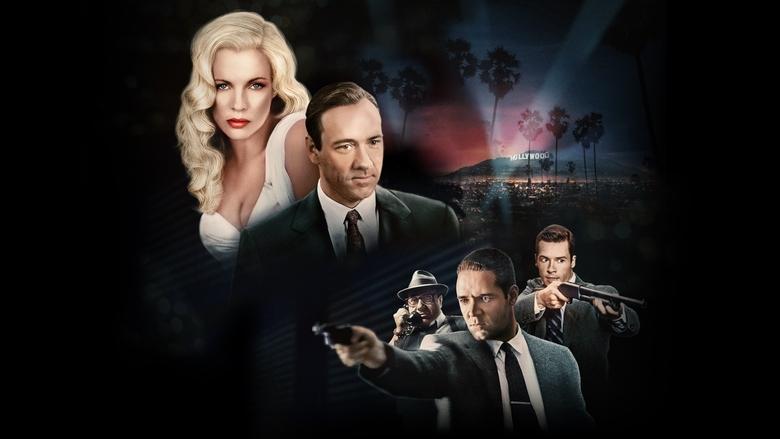
L.A. Confidential
1997
-

American History X
1998
-

American Beauty
1999
-
The Sixth Sense
1999
-
Mulholland Drive
2001
-

A Walk to Remember
2002
-
Spirit: Stallion of the Cimarron
2002
-

The Bourne Identity
2002
-
Forrest Gump
1994