Grosse Pointe Blank
"Professional killing is a growth industry."
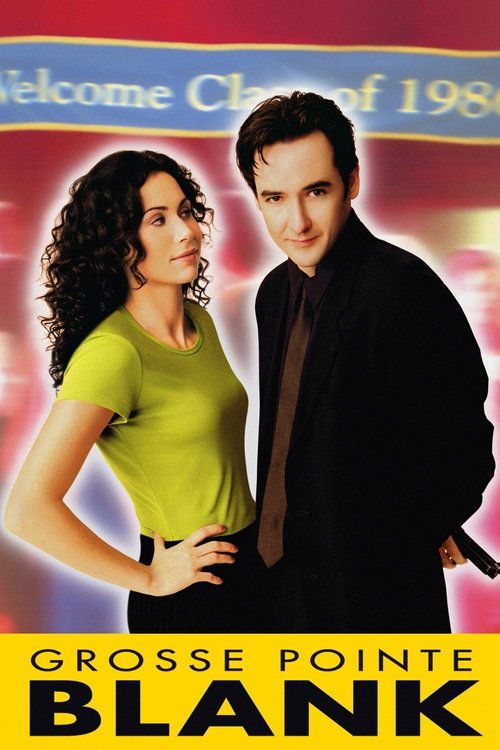
The late nineties were a strange, fertile ground for the "hitman with a heart of gold" subgenre, a trend arguably kickstarted by the Pulp Fiction hangover that left every screenwriter in Hollywood trying to pair graphic violence with witty, existential banter. Most of those efforts were pale imitations, but George Armitage’s Grosse Pointe Blank stands as the undisputed king of the heap. It’s a film that manages to be a pitch-black comedy, a sweet romance, and a legitimate action thriller without ever feeling like it’s straining a muscle.
I recently revisited this one on a rainy Tuesday while eating a slightly over-microwaved burrito, and it struck me how much the film benefits from that specific 1997 "pre-digital" sheen. There’s a physical weight to everything—the heavy cellular phones, the chunky cars, and the very real explosions that haven't yet been replaced by the weightless orange pixels we see in modern blockbusters.
The Art of the Existential Crisis
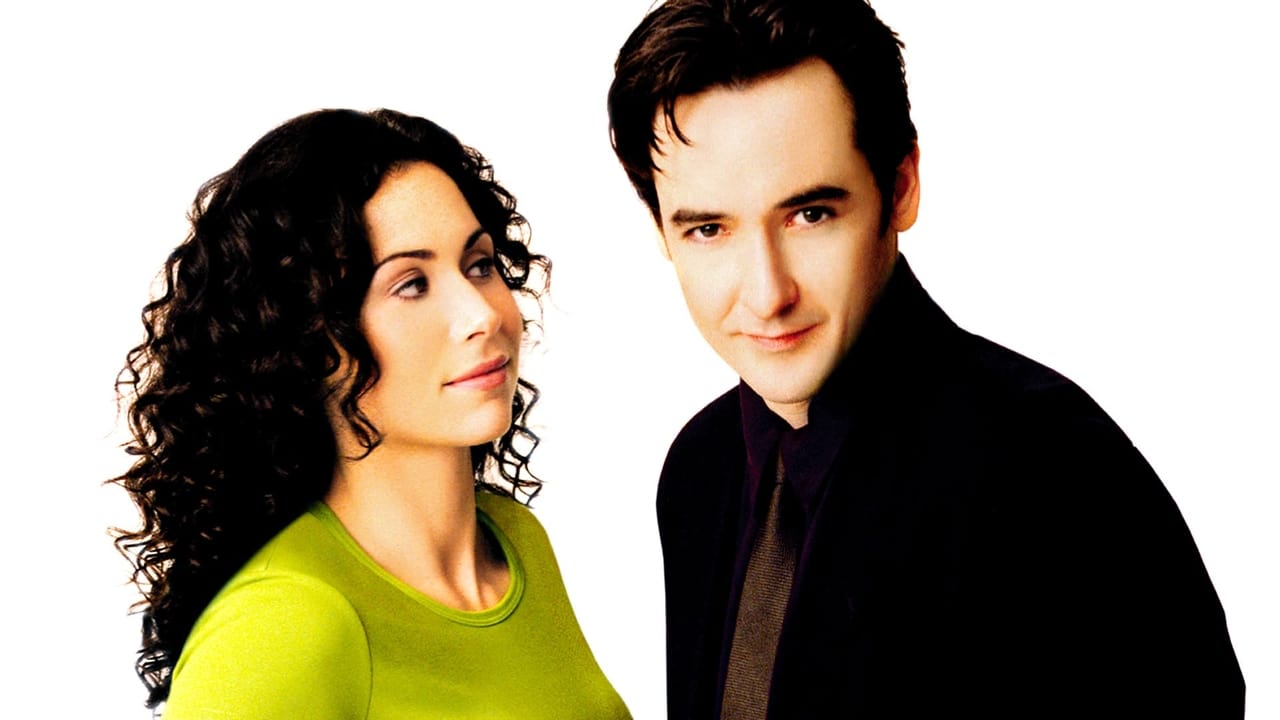
At the center of the chaos is John Cusack as Martin Blank, a freelance assassin who has hit a professional wall. He’s neurotic, depressed, and tired of the "moral flexibility" required for his job. John Cusack plays Blank with a frantic, fast-talking energy that feels like a caffeinated evolution of his Say Anything persona, only this time, instead of a boombox, he’s carrying a suppressed Glock.
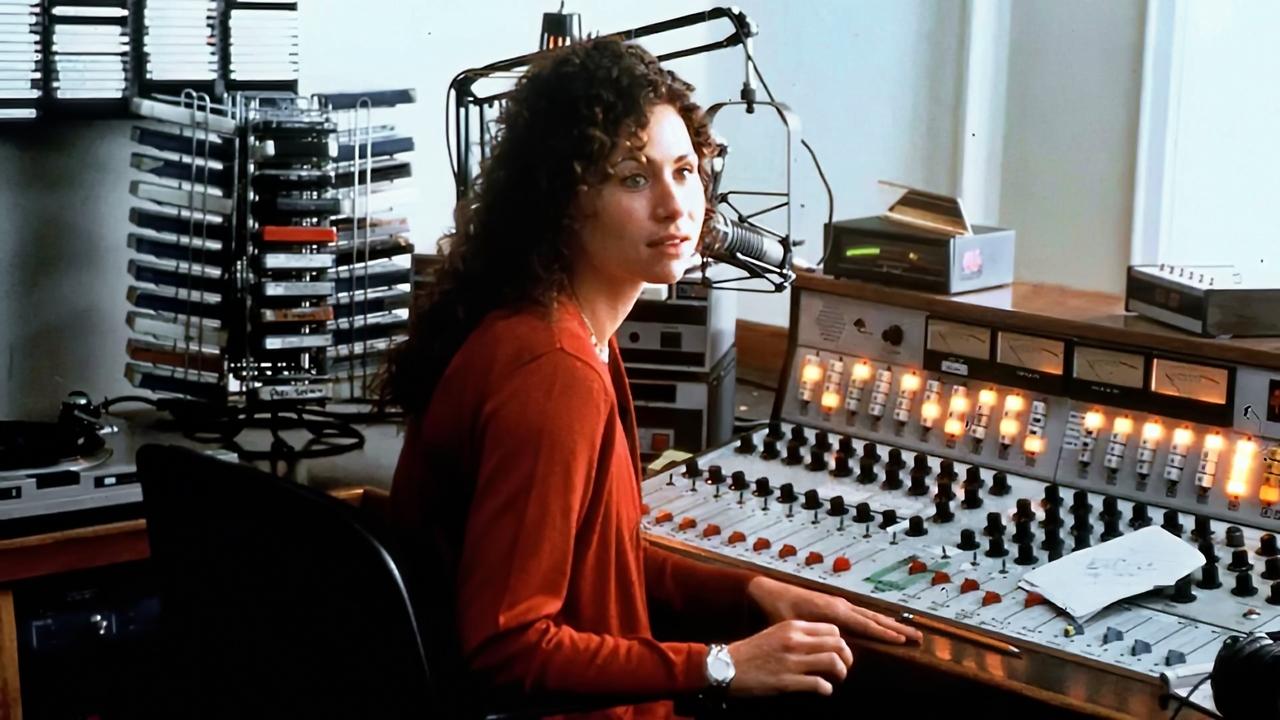
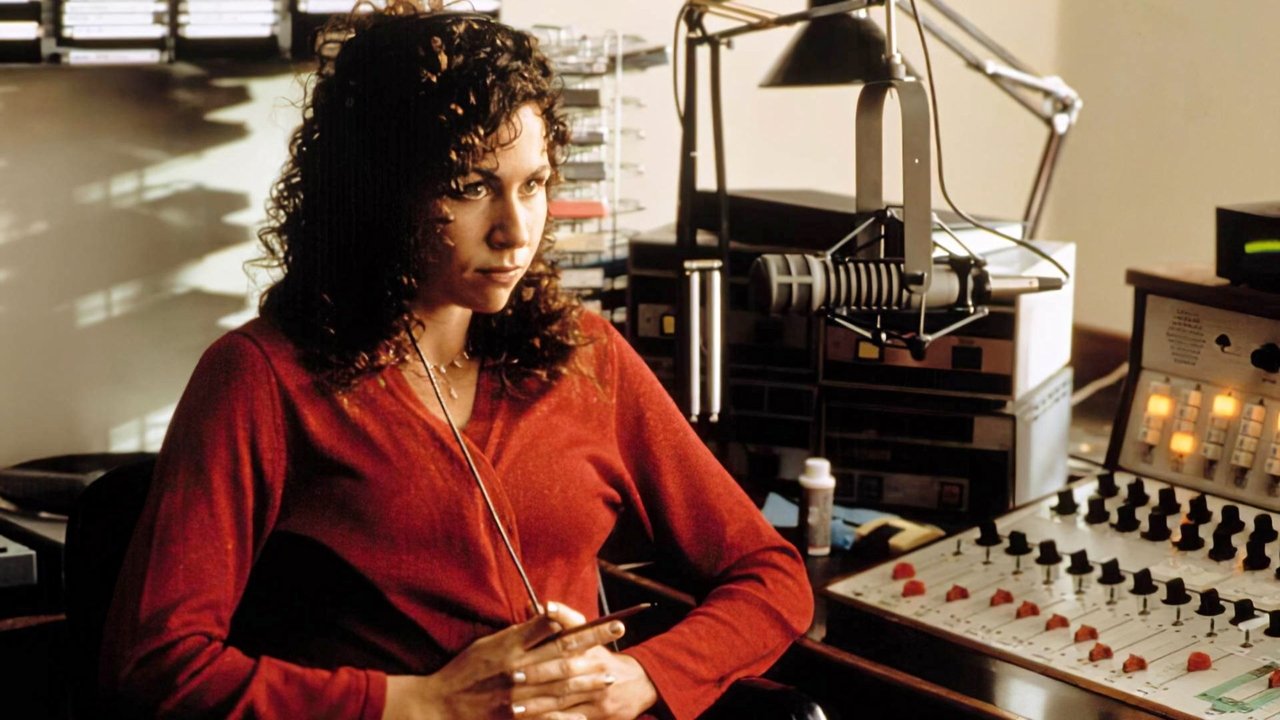
His chemistry with Minnie Driver, playing the high school sweetheart he stood up at prom ten years prior, is the movie's secret weapon. Their dialogue doesn't feel like "movie talk"; it feels like two people with a decade of baggage trying to navigate a minefield of regret. My personal hot take? Minnie Driver’s radio DJ booth is the most comfortable-looking workspace in cinematic history. I spent half the movie wishing I could just move in there and play 80s ska records for a living.
The supporting cast is an absolute embarrassment of riches. Joan Cusack (John's real-life sister) is a comedic force of nature as his assistant, Marcella, handling weapon shipments with the same casual boredom someone might use to order office supplies. Then there’s Alan Arkin as Martin’s therapist, Dr. Oatman, who is quite literally terrified of his patient. Every scene with Alan Arkin is a masterclass in comic timing, specifically his desperate attempts to convince Martin that he doesn't want to be killed.
High-Stakes Choreography
While the comedy gets most of the retrospective love, we need to talk about the action. Grosse Pointe Blank features some of the cleanest, most impactful stunt work of the late 90s. The shootout in the convenience store—set to a Muzak version of "The Girl from Ipanema"—is a masterpiece of sound design and practical effects. When the glass shatters and the shelves explode, you feel the mess.
One of the most impressive sequences is the hallway fight between Martin and a rival hitman played by Benny Urquidez. Benny Urquidez was actually John Cusack’s long-time kickboxing trainer in real life, and that familiarity translates into a brutal, claustrophobic brawl. It’s not flashy, "wire-fu" style fighting; it’s two professionals trying to kill each other in a cramped space using whatever is at hand. The lack of shaky-cam (a plague that wouldn't arrive for another few years) allows us to actually see the technique, making the violence feel earned rather than just decorative.
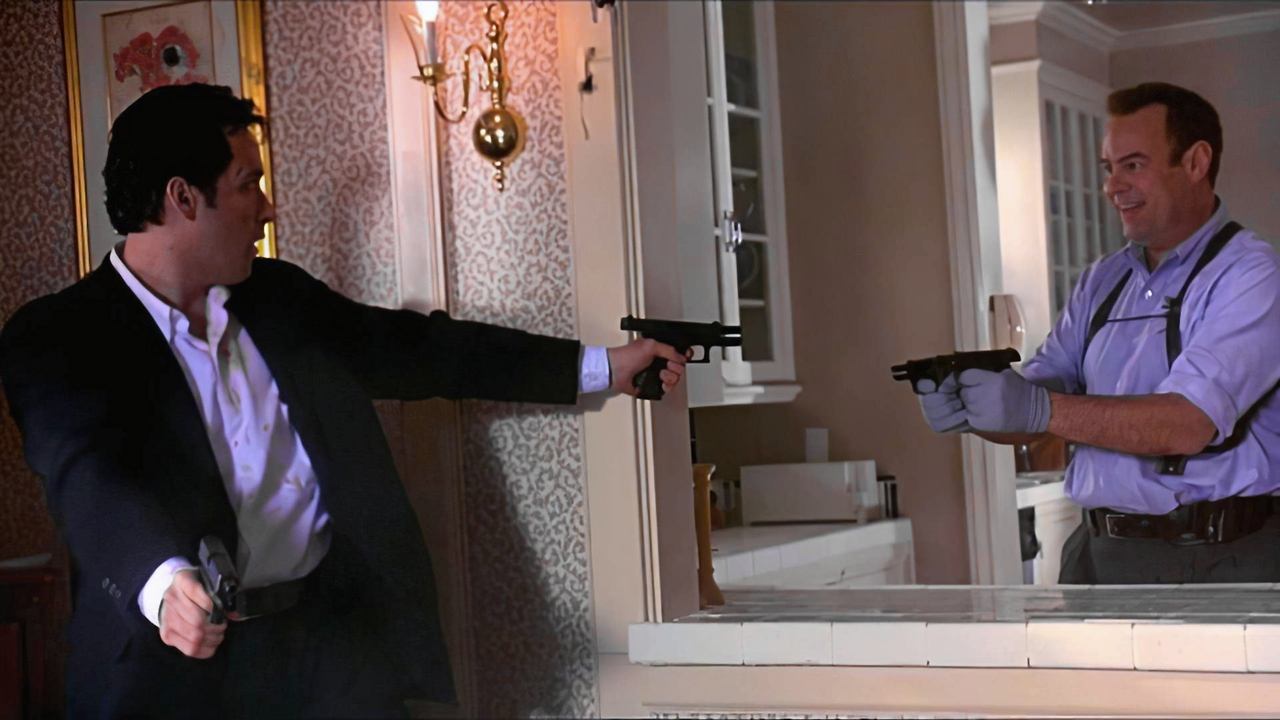
Then there’s Dan Aykroyd as Grocer, the rival assassin trying to force Martin into a hitman's "union." Dan Aykroyd’s performance here is a top-tier villain turn precisely because he treats international assassination like a mid-level marketing scheme. He’s loud, obnoxious, and weirdly obsessed with brunch. Watching him and Cusack trade barbs while drawing weapons in a hallway is the kind of character-driven action we just don't see in the age of the MCU.
A Time Capsule That Still Fits
Looking back from the era of digital saturation, Grosse Pointe Blank feels like a testament to the "Mid-Budget Original." This was a film made for $15 million—a sum that wouldn't cover the catering on a modern superhero movie—and it feels more lived-in and stylish than most $200 million spectacles. The soundtrack, curated by Joe Strummer of The Clash, is legendary for a reason. It uses 80s staples (The Specials, Violent Femmes, Echo & the Bunnymen) not as cheap nostalgia, but as a window into the characters' arrested development.
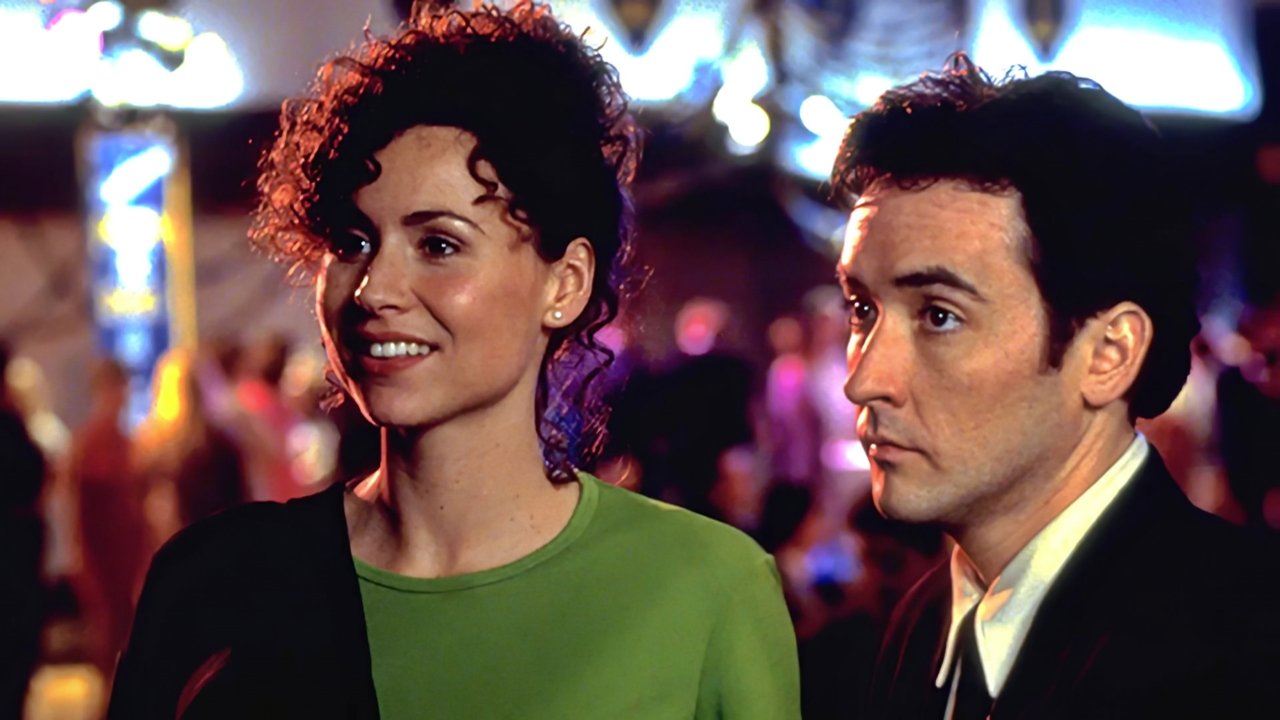
The film captures that late-90s anxiety about the future and the crushing weight of the past. It’s a movie for anyone who has ever dreaded a high school reunion, only with the added stakes of federal agents (Hank Azaria and K. Todd Freeman) and professional rivals tailing you to the buffet table. It’s smart, it’s cynical, and yet it has a massive heart.
If you haven't seen it, or if it’s been twenty years, find a copy. It reminds me of a time when movies could be "cool" without being "ironic," and when an action scene was defined by the actors' movements rather than the visual effects team's overtime.
In the pantheon of 90s cinema, few films have aged as gracefully as this one. It’s a perfect blend of genres that shouldn't work together, anchored by a cast that clearly knew they were making something special. Whether you're in it for the witty banter, the pitch-perfect soundtrack, or the sight of John Cusack killing a man with a pen, Grosse Pointe Blank remains a "ten-year reunion" worth attending over and over again.
Keep Exploring...
-
High Fidelity
2000
-
Rumble in the Bronx
1995
-
Smokin' Aces
2006
-
Shoot 'Em Up
2007
-
Who Am I?
1998
-
Lethal Weapon 3
1992
-
The Three Musketeers
1993
-
Bad Boys
1995
-
The Guard
2011
-
Stand Up Guys
2012
-
The Quick and the Dead
1995
-
Lake Placid
1999
-
Confessions of a Dangerous Mind
2002
-
Eight Legged Freaks
2002
-
Lethal Weapon 4
1998
-
The Player
1992
-
A Goofy Movie
1995
-

Mallrats
1995
-

EverAfter
1998
-
Out of Sight
1998