Hercules
"From zero to hero, one soul-selling contract at a time."

I remember watching Hercules for the first time while trying to peel a very stubborn clementine that eventually sprayed juice directly into my left eye. Even through the stinging, I knew I was seeing something that didn't quite fit the Disney mold. Released in 1997, right as the "Disney Renaissance" was beginning to lose its prestige-drama steam, Hercules felt like the studio finally decided to loosen its tie, grab a drink, and throw a Vegas-style party on Mount Olympus.
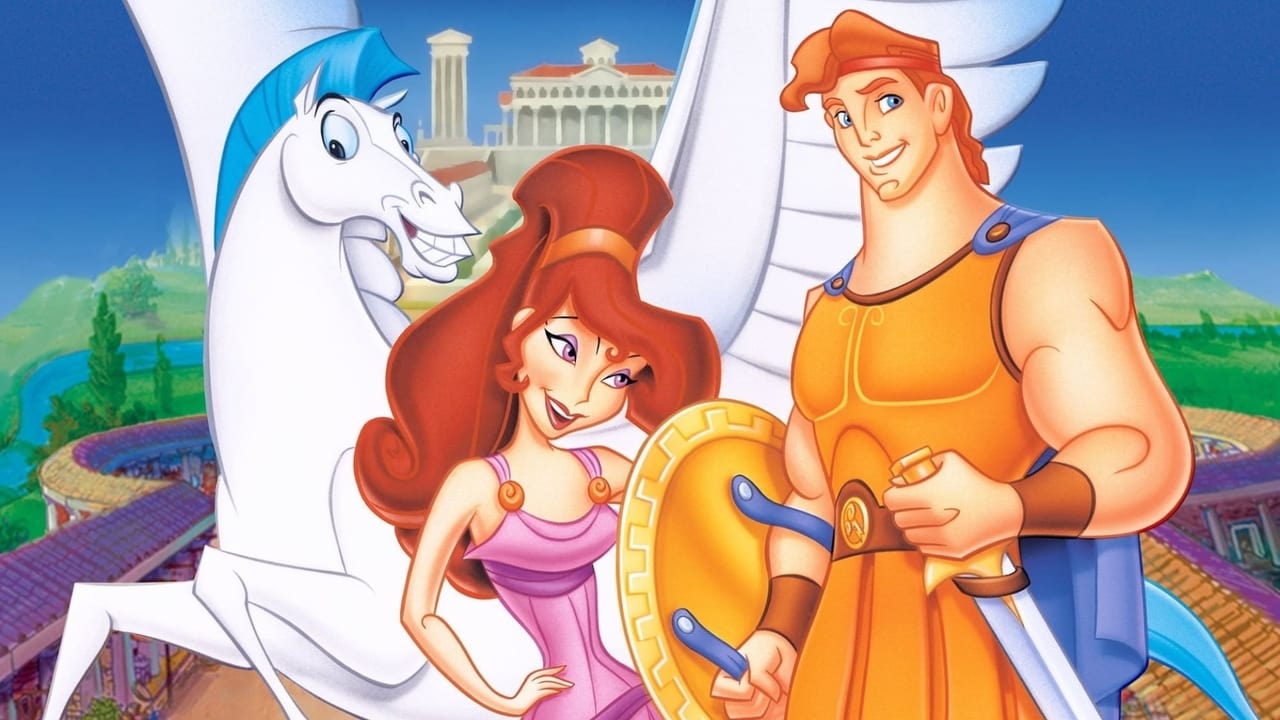
Looking back, the late 90s were a strange time for animation. We were moving away from the operatic gravity of The Lion King and toward something louder, snarkier, and more self-aware. Hercules didn't just break the fourth wall; it drove a chariot through it. It’s a film that trades "A Whole New World" sincerity for "Gospel Truth" energy, and honestly? It’s the most fun Disney has ever had with a dead civilization.
Soul, Sass, and Sunday School
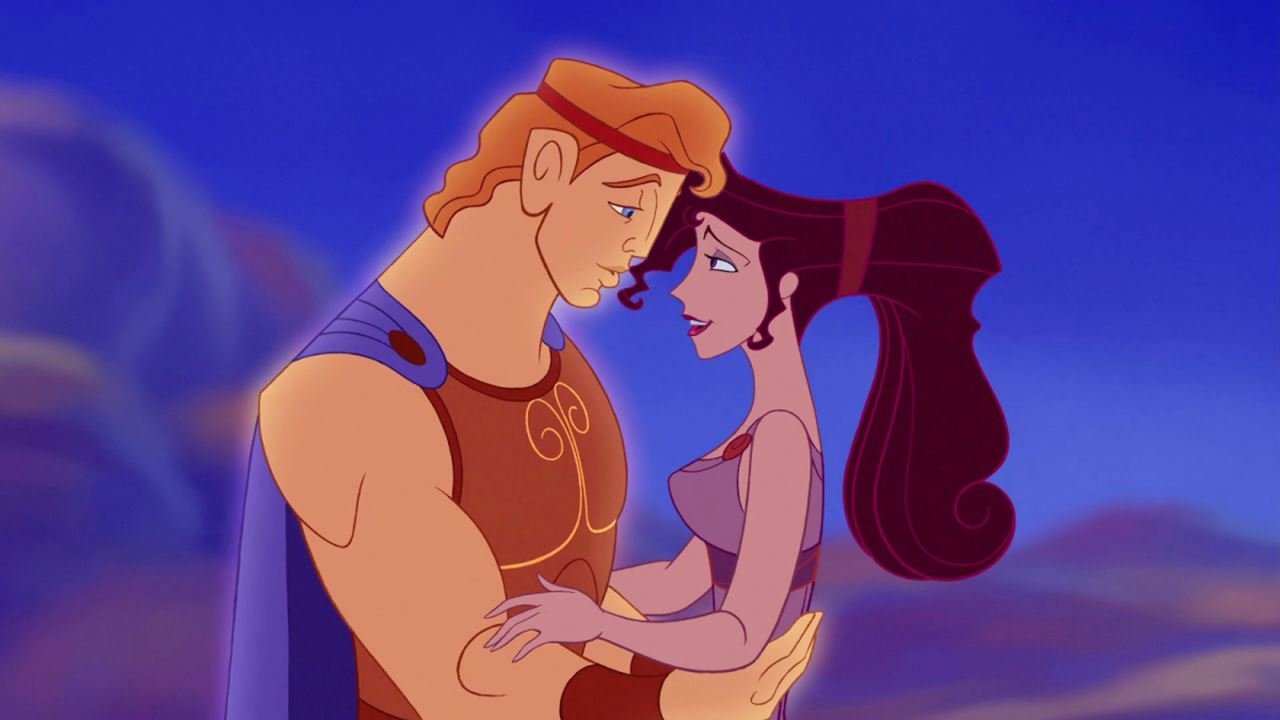
The first thing that hits you—and I mean really clocks you across the jaw—is the style. Most Disney films of this era aimed for a lush, rounded realism. Hercules went the opposite way. The directors, John Musker and Ron Clements (the same duo behind The Little Mermaid and Aladdin), hired British political cartoonist Gerald Scarfe to handle the character designs. The result is a world made of sharp angles, swirling Grecian curls, and characters that look like they were sketched in a fever dream.
Then there’s the music. Alan Menken decided to pivot from Broadway ballads to full-blown Motown and Gospel. It’s an inspired choice. Having the Muses act as a soulful Greek chorus provides a rhythm that the more "stately" Disney films lack. I’ve always felt that the Muses should have been the main characters, and I’m only 40% joking. They give the adventure a momentum that makes the 93-minute runtime feel like a sprint.
The Lord of the Dead Steals the Show
While Tate Donovan does a perfectly fine job as the "aw-shucks" adult Hercules, and a young Josh Keaton captures the yearning of "Go the Distance," the movie belongs to the villains and the sidekicks. This was the era of the "celebrity voice," and Hercules used it to perfection.
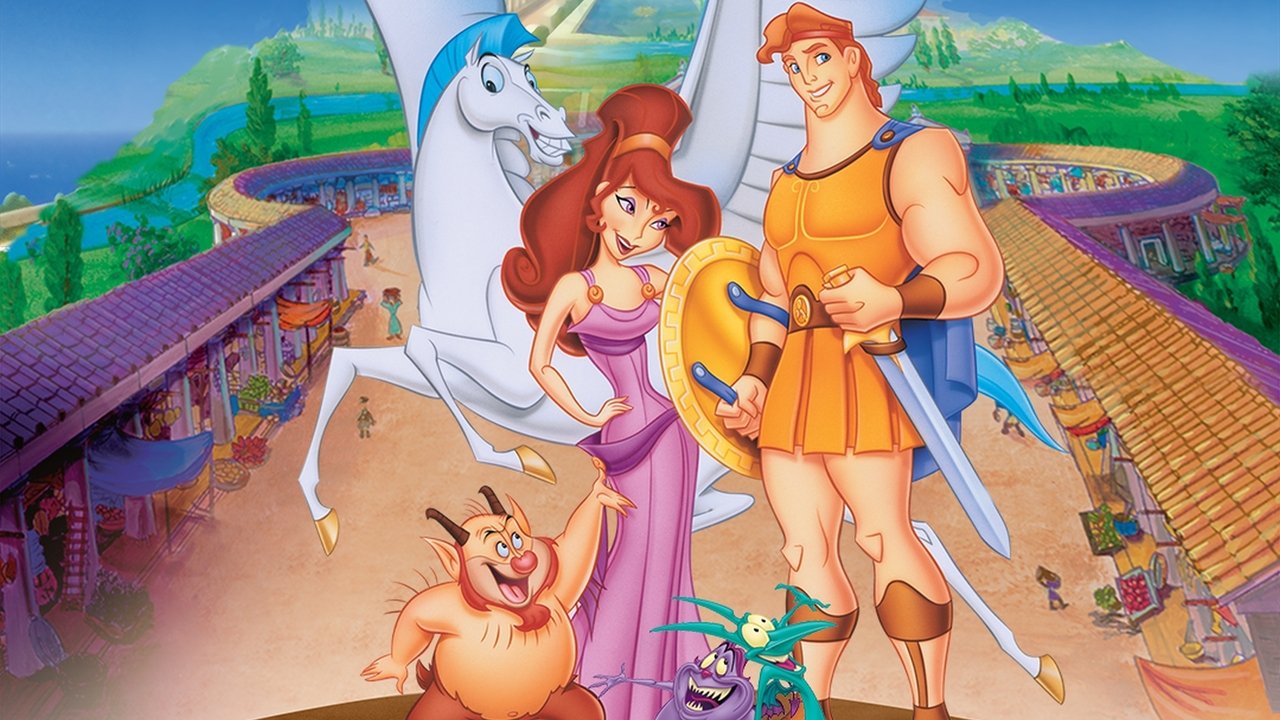
James Woods as Hades is, quite simply, one of the greatest comedic performances in animation history. He’s not a brooding dark lord; he’s a fast-talking Hollywood talent agent who just happens to be on fire. Every line is a quip, every gesture is manic. It’s a performance that feels improvised and dangerous. Then you have Danny DeVito as Philoctetes (Phil), the grumpy satyr trainer. Danny DeVito was essentially born to play a half-goat man with a short temper, and his chemistry with the titular hero gives the film its heart.
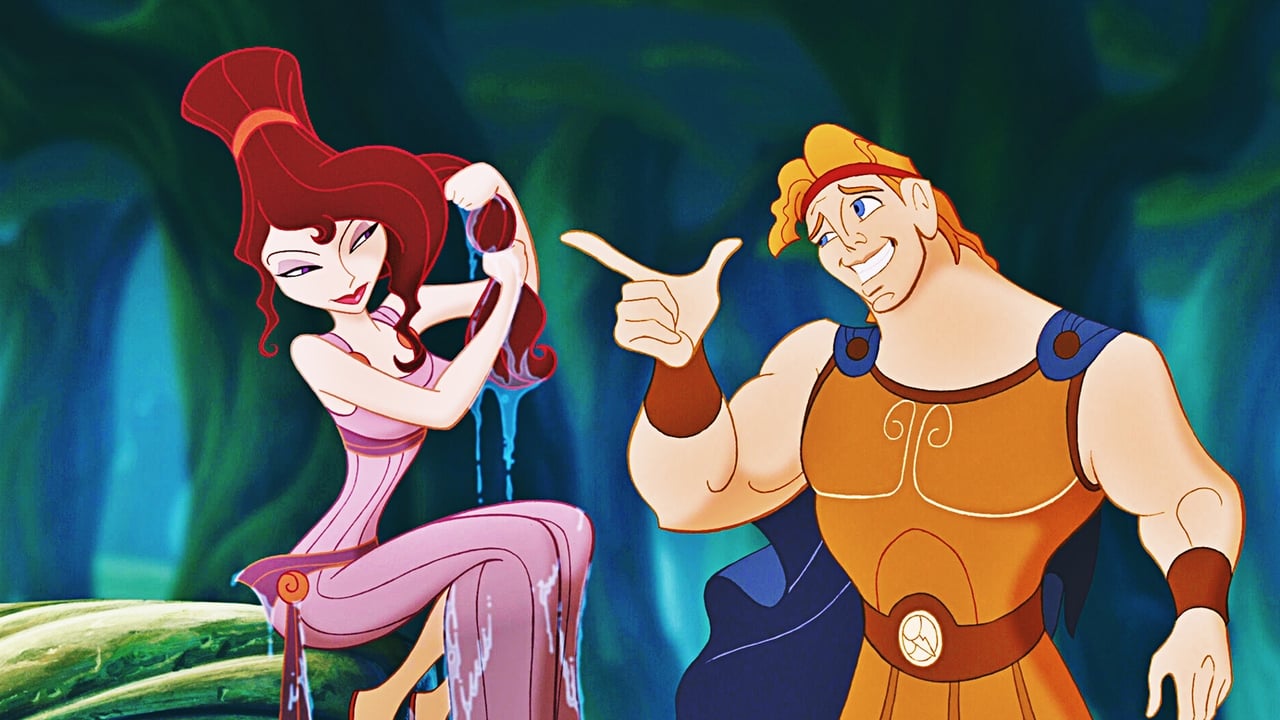
But we have to talk about Megara. Susan Egan voices "Meg" with a cynical, smoky-voiced world-weariness that was completely revolutionary for a Disney female lead at the time. She wasn't waiting for a prince; she was recovering from a bad breakup and a literal deal with the devil. Her song, "I Won't Say (I'm In Love)," is the ultimate anthem for anyone who’s ever been too cool for their own feelings.
The Digital Hydra in the Room
Being a film from 1997, Hercules sits right on the edge of the CGI revolution. The battle with the Hydra was a massive technical undertaking at the time, using digital rendering to create a monster with thirty-odd heads that could move independently. Watching it now, the Hydra looks a bit like a PlayStation 1 cinematic—it’s smooth, slightly plastic, and doesn't quite "sit" in the hand-drawn environment.
However, I find that the slight jankiness only adds to the film's cult charm. It captures that specific 90s ambition—the transition from analog to digital where directors were throwing everything at the wall to see what stuck. It also serves the "Adventure" genre well; the scale of the Hydra fight feels genuinely epic, even if the textures haven't aged as gracefully as the rest of the film.
Cool Details You Might Have Missed
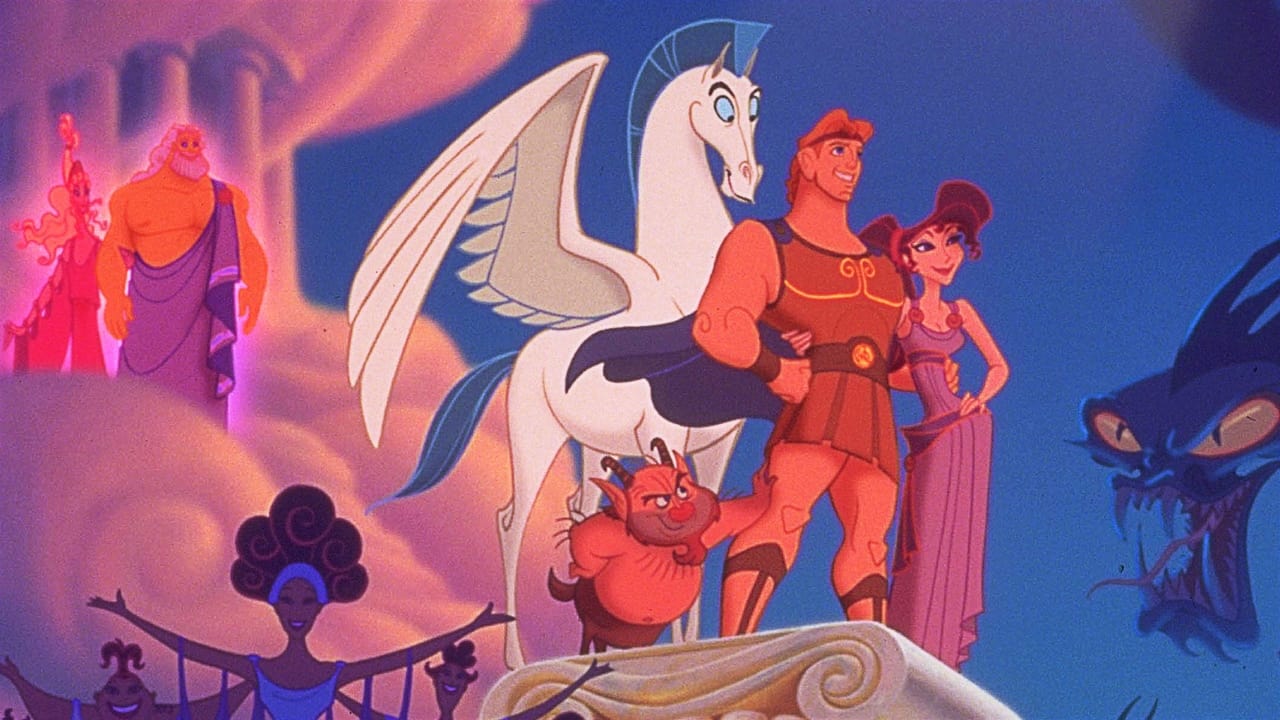
The Spice Girls were originally considered for the Muses, which would have made this the most 90s artifact in existence. The "Air Herc" sandals and the "Herculade" drinks were a direct parody of the burgeoning sports-marketing craze of the mid-90s (looking at you, Michael Jordan). James Woods took the role of Hades after Jack Nicholson turned it down, and Woods loved the character so much he’s returned to voice him in almost every spin-off and video game since. Phil’s line, "Two words: I am retired," is actually three words—a joke about his character's intelligence that people still argue about online. The constellation of Pegasus at the end is a beautiful nod to the traditional "hero" ending, but if you look closely at the backgrounds throughout the film, the animators hid several references to The Lion King*.
Hercules is the underdog of the Disney Renaissance. It’s loud, it’s colorful, and it’s deeply irreverent toward the source material (the real Greek myths are... significantly more R-rated). But as an adventure film, it hits every mark. It’s got world-building, a killer soundtrack, and a villain you secretly want to win. It reminds me that even the most ancient stories can feel brand new if you just add a little soul.
Keep Exploring...
-

Aladdin
1992
-
Treasure Planet
2002
-
Brave
2012
-
The Princess and the Frog
2009
-

The Emperor's New Groove
2000
-
The Road to El Dorado
2000
-
Shrek 2
2004
-

Sinbad: Legend of the Seven Seas
2003
-
The Book of Life
2014
-
Porco Rosso
1992
-
Shrek
2001
-

The Swan Princess
1994
-
A Goofy Movie
1995
-

A Bug's Life
1998
-
Horton Hears a Who!
2008
-

Puss in Boots
2011
-
How to Train Your Dragon 2
2014
-
The Lego Movie
2014
-

Asterix & Obelix: Mission Cleopatra
2002
-

DuckTales: The Movie - Treasure of the Lost Lamp
1990