Jackie Brown
"She's playing everyone, and the stakes are life or death."
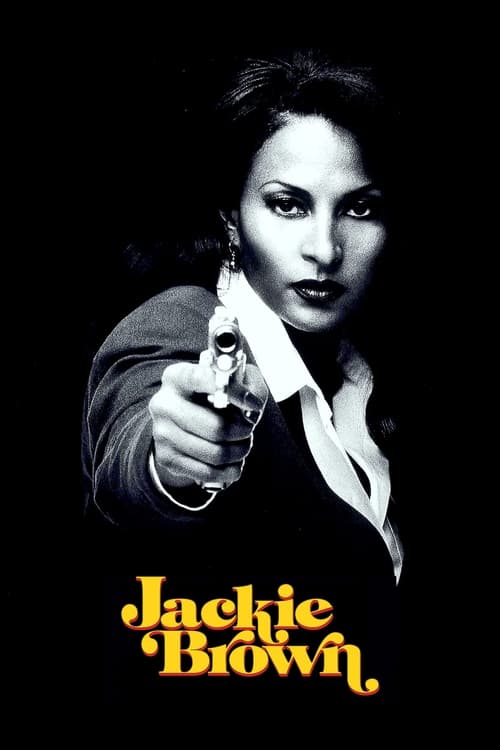
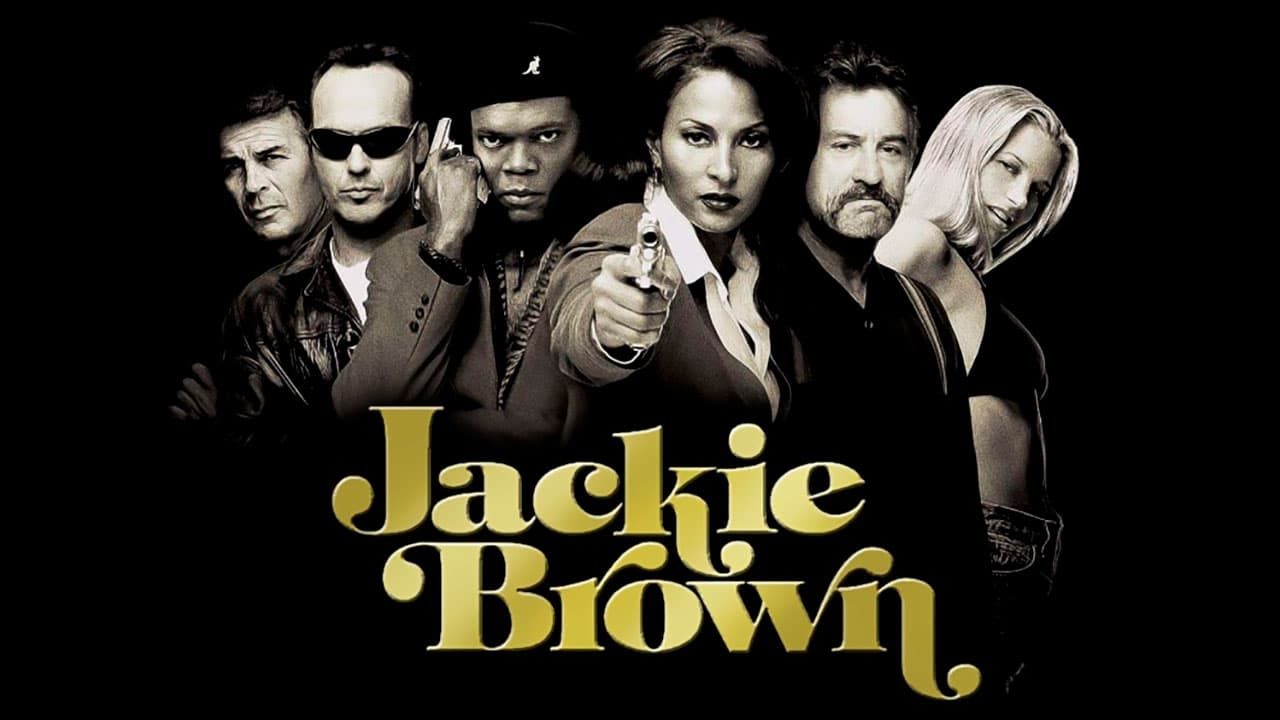
The opening shot of Jackie Brown is a profile of Pam Grier, standing perfectly still on a moving walkway at LAX while Bobby Womack’s "Across 110th Street" croons in the background. She isn’t running. She isn’t even walking. She’s just letting the world carry her forward, looking tired but undeniably regal. In 1997, audiences expected Quentin Tarantino to follow up the caffeinated, non-linear chaos of Pulp Fiction with another adrenaline shot to the heart. Instead, he gave us a slow-motion character study about the crushing weight of middle age and the desperation of having nothing left to lose.
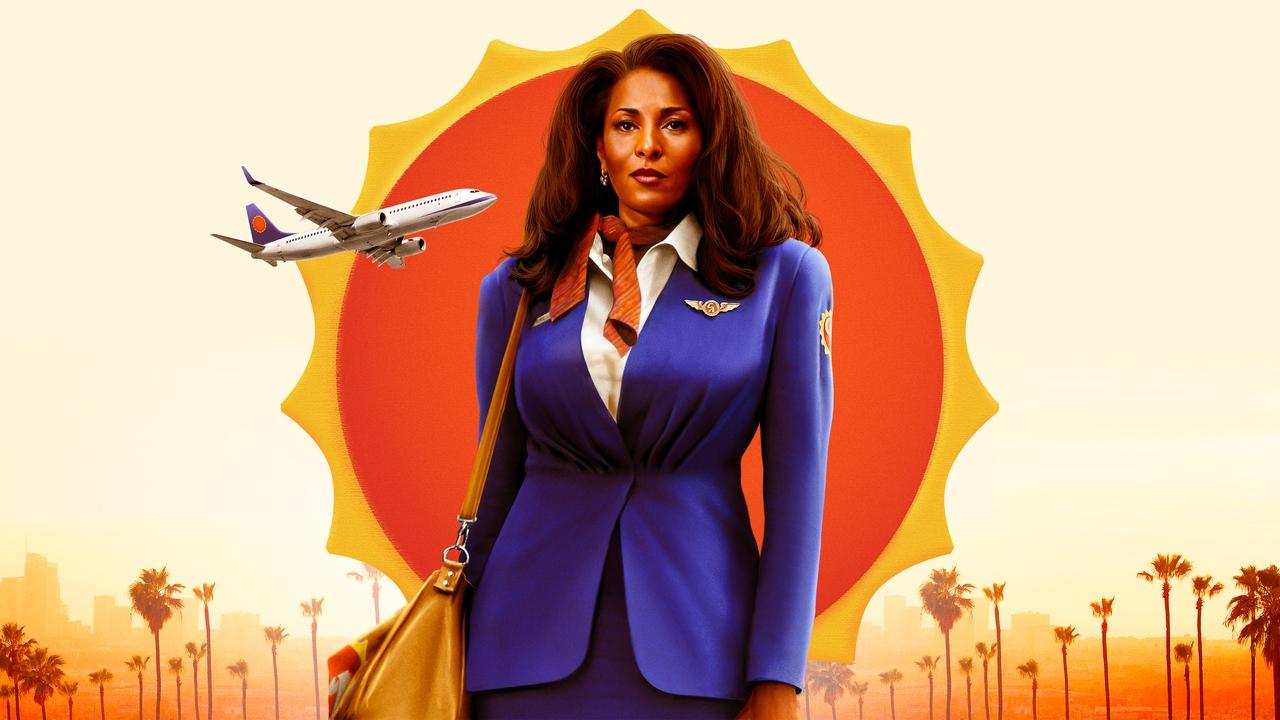
I watched this most recently while nursing a lukewarm cup of ginger ale and a mild case of the flu; it turns out, the movie is the perfect cure for feeling like a burnout because it treats that very sensation with such profound dignity.
The Soul of the 90s Indie Explosion
Jackie Brown arrived during that sweet spot of the late 90s when Miramax was the undisputed king of the mountain and indie film felt like the only thing that mattered. While the industry was busy pivoting toward the CGI-heavy spectacle of The Lost World: Jurassic Park, Tarantino retreated into the tactile, analog world of Elmore Leonard’s prose. It’s his only adaptation, and arguably his most "adult" film. There are no samurai swords or briefcase MacGuffins here—just a flight attendant with $50,000 in her purse and a federal agent breathing down her neck.
Looking back, the film’s 154-minute runtime felt like a statement of intent. In an era where DVDs were just starting to offer "Director’s Cuts" and behind-the-scenes supplements, Tarantino was already giving us the "extended version" in the theatrical release. He lets scenes breathe. He lets the camera linger on Robert Forster as he sits in his car, simply thinking. That kind of patience is a lost art in the modern franchise era, where every frame is edited to keep you from checking your phone.
A Masterclass in Weathered Grace
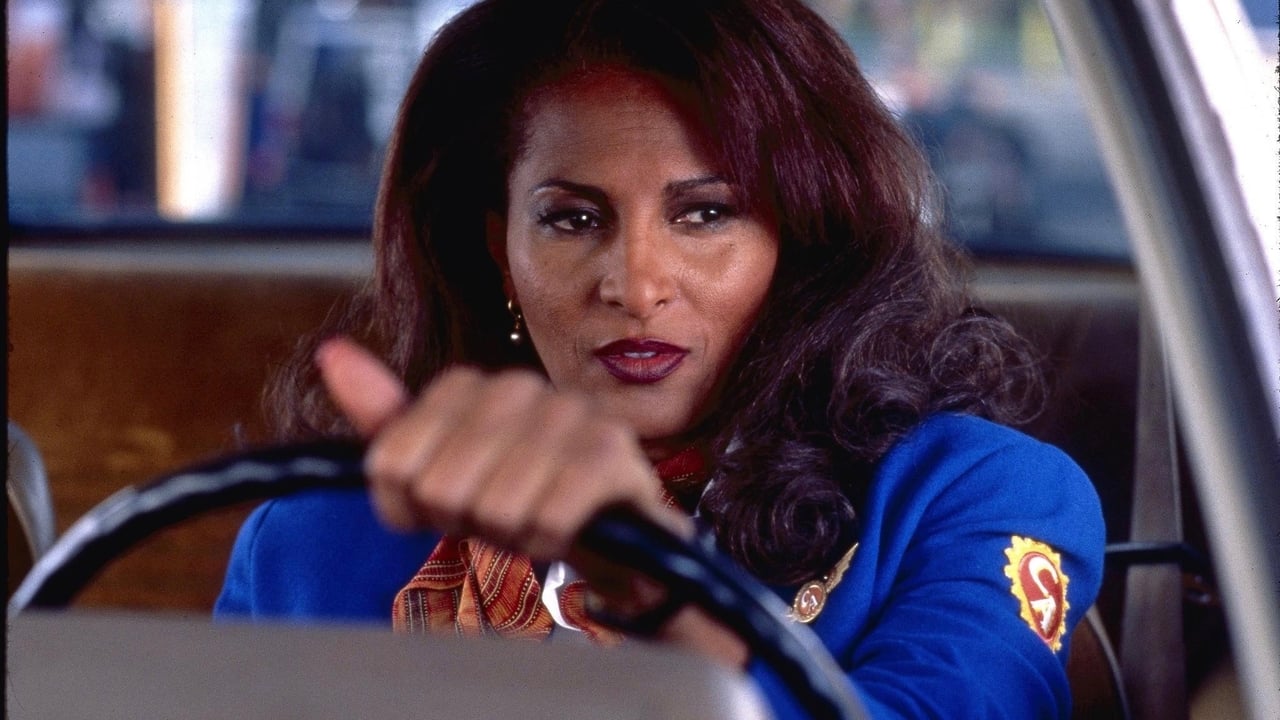
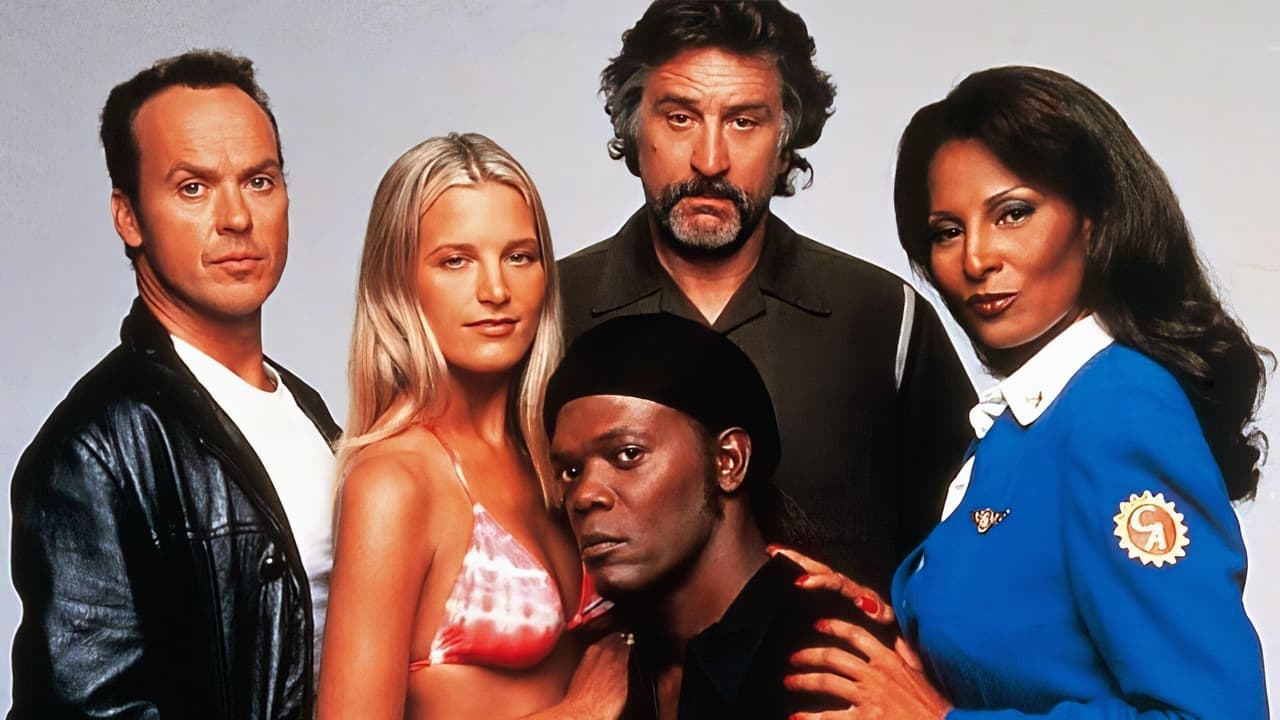
The heart of the film isn't the heist; it’s the quiet, tentative romance between Jackie and Max Cherry. Robert Forster—who hadn't had a major role in years before this—delivers a performance so understated it feels like he’s not even acting. He plays a bail bondsman who has seen every trick in the book, yet he’s completely disarmed by Jackie. Their chemistry is built on shared exhaustion and mutual respect. When Max buys the same cassette tape Jackie was listening to just so he can feel closer to her, it’s more romantic than anything in a standard rom-com.
Then there’s Samuel L. Jackson as Ordell Robbie. If Jules Winnfield was the "cool" killer, Ordell is his grim, pathetic reality. He’s a small-time gunrunner living in a delusion of grandeur, and Jackson plays him with a terrifying, unpredictable volatility. De Niro’s performance as Louis Gara is essentially a masterclass in being a human paperweight—he plays a man so thoroughly fried by years of prison and weed that he can barely function, which makes his sudden bursts of violence even more jarring. Bridget Fonda also puts in great work as Melanie; Tarantino’s foot fetish is present, but at least it’s narratively justified by Melanie’s sheer lack of ambition and constant couch-surfing.
Shadows and Subtext
The film’s intensity doesn't come from gunfights, but from the looming threat of obsolescence. Jackie is 44, Black, and working for a bottom-tier airline. If she loses this job, she’s done. That’s the "darkness" that permeates the film—the very real fear of being discarded by a system that doesn't care if you live or die. Guillermo Navarro’s cinematography favors naturalistic lighting and long takes, eschewing the flashy "MTV-style" editing that was beginning to plague 90s action cinema.
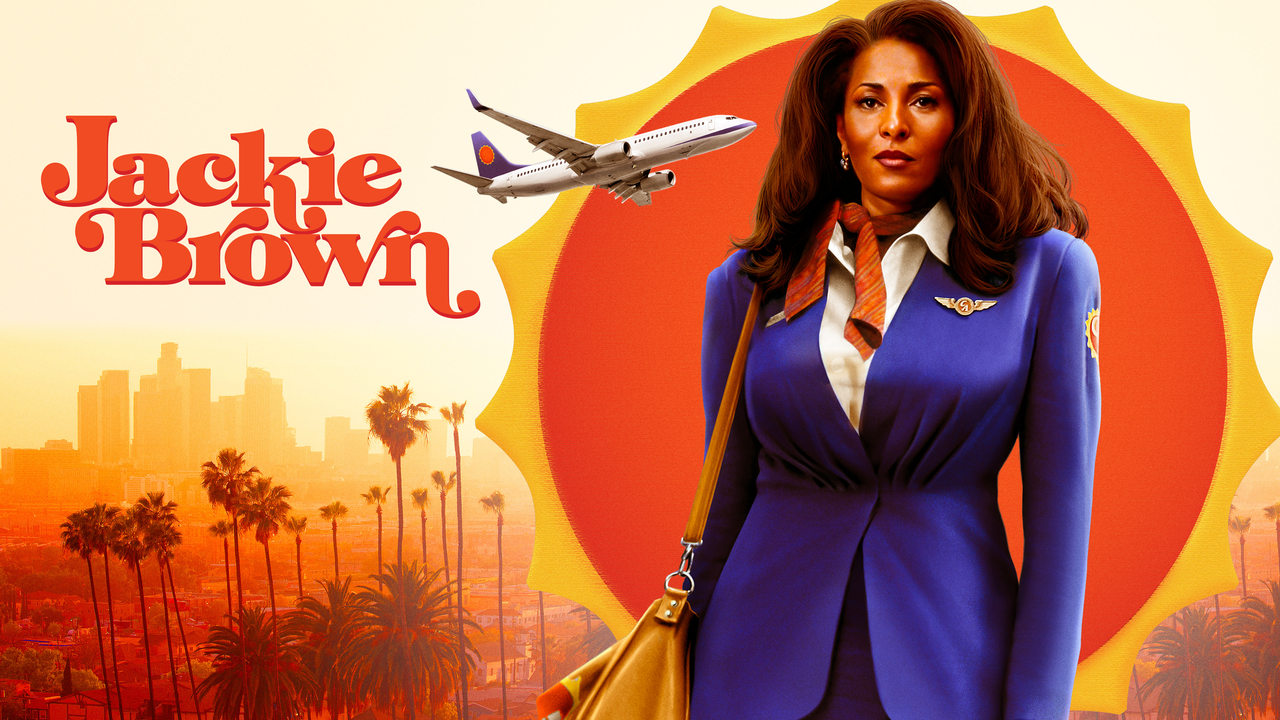
Interestingly, Michael Keaton plays Ray Nicolette here and then played the same exact character a year later in Steven Soderbergh’s Out of Sight. It was a rare moment of cross-studio synergy that made the "Leonard-verse" feel like a real, lived-in place. Apparently, Tarantino had to fight to keep the title Jackie Brown (the book was called Rum Punch) and to change the lead's ethnicity to pay homage to the Blaxploitation era that Grier defined. It was a risky move that cemented the film’s cult status.
Jackie Brown is the kind of movie that gets better as you get older. When I first saw it, I wanted more "Royale with Cheese" banter. Now, I just want to watch Pam Grier outsmart everyone in the room while looking like the coolest person on the planet. It’s a film about the high cost of freedom and the quiet dignity of a well-earned second chance.
It remains a towering achievement of the 90s, proving that sometimes the most intense thing you can put on screen is two people in a room, trying to figure out if they can trust each other.
Keep Exploring...
-
Reservoir Dogs
1992
-

Kill Bill: Vol. 2
2004
-

Falling Down
1993
-
Natural Born Killers
1994
-
American Psycho
2000
-
John Q
2002
-
Inglourious Basterds
2009
-

The Negotiator
1998
-
Road to Perdition
2002
-
A Time to Kill
1996
-
From Dusk Till Dawn
1996
-

Sleepers
1996
-
A Simple Plan
1998
-
21 Grams
2003
-
Lucky Number Slevin
2006
-
The Next Three Days
2010
-
Drive
2011
-
The Lincoln Lawyer
2011
-
End of Watch
2012
-
Nightcrawler
2014