Kiss the Girls
"The collector has a type. The detective has a plan."
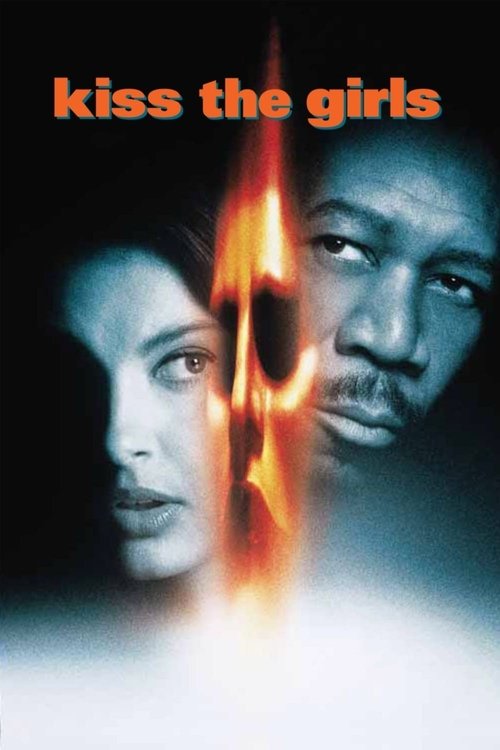
I first watched Kiss the Girls on a scratchy VHS tape while nursing a mild case of food poisoning from a questionable airport shrimp cocktail, and honestly, the nausea on screen almost matched my own. There is something distinctly "late-nineties" about the way this movie handles its grime—it’s polished enough for a studio budget but just dirty enough to make you want to wash your hands after the credits roll. Coming off the heels of Se7en and The Silence of the Lambs, Hollywood was obsessed with the "intellectual" serial killer, and while Kiss the Girls doesn't quite reach those heights, it remains a fascinating, slightly forgotten relic of the era when Morgan Freeman was the undisputed king of the thinking man’s thriller.

The Calm and the Kickboxer
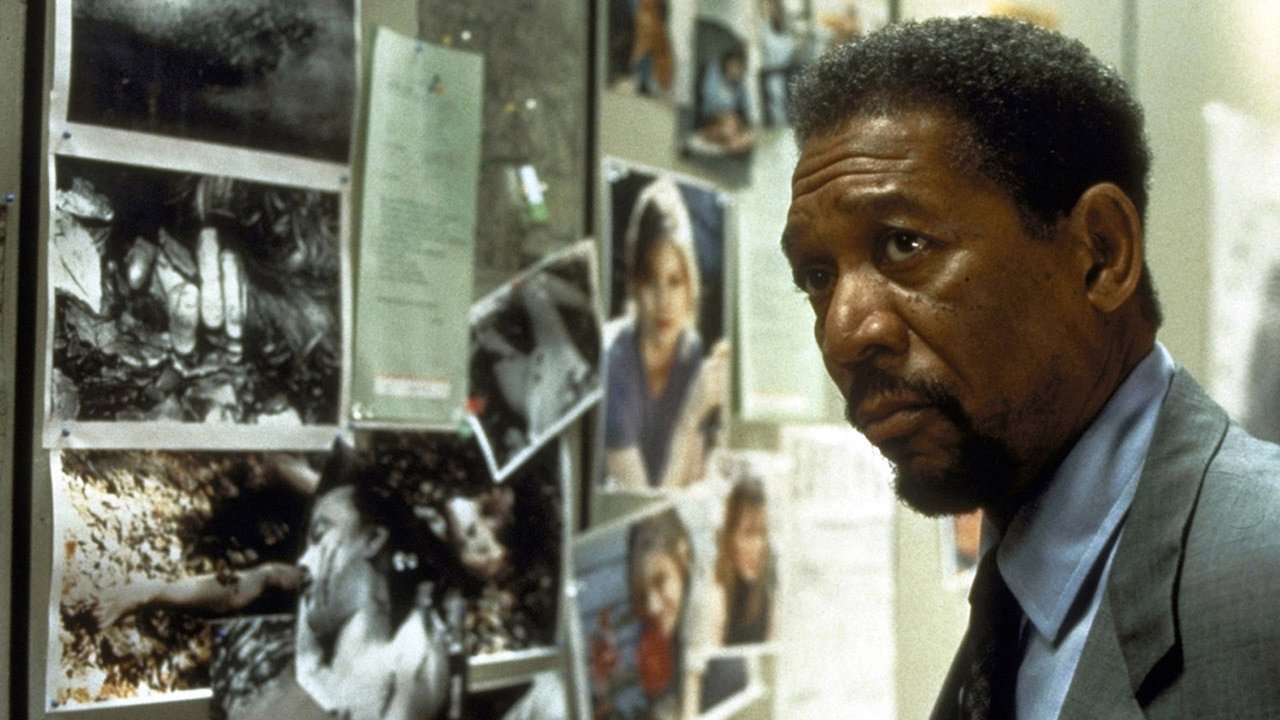
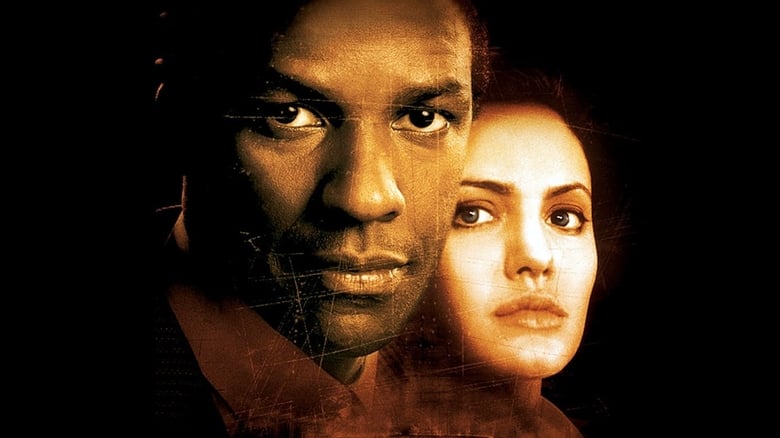
The film introduces us to Alex Cross, a character who would eventually become a franchise staple, but here he feels fresh. Morgan Freeman doesn't just play a detective; he plays a man who breathes subtext. Whether he’s analyzing a crime scene or comforting a grieving family, he carries an effortless authority. I’ve always felt that Freeman’s best work happens when he’s allowed to be still, and director Gary Fleder (who later gave us the underrated Runaway Jury) knows exactly how to frame that stillness against the frantic energy of the plot.
But the real engine of this movie isn't Cross—it's Ashley Judd as Dr. Kate McTiernan. In an era where female leads in thrillers were often relegated to "damsel" status, Judd’s Kate is a revelation. She’s a kickboxing surgeon who refuses to be a victim even while being hunted through the humid, rain-slicked woods of North Carolina. Her escape from the "Casanova" dungeon is one of the most harrowing and physically demanding sequences I can remember from 90s cinema. Ashley Judd possesses a "don't mess with me" energy that most modern action stars can't replicate with ten times the budget. Watching her transition from a terrified captive to a woman fueled by a very specific, icy rage is the highlight of the film.
The Collector’s Aesthetic
The 90s were the golden age of the "High Concept Villain," and "Casanova" is a prime example. He doesn't just kill; he "collects" strong-willed women, forcing them into a bizarre, subterranean harem where the rules are as arbitrary as they are terrifying. This is where the film leans into its psychological drama roots. It’s not a slasher flick; it’s a study in power dynamics. The trail leads Cross and McTiernan from the lush, oppressive forests of the South to the sun-bleached streets of Los Angeles, revealing a conspiracy that suggests the killer might have a partner.
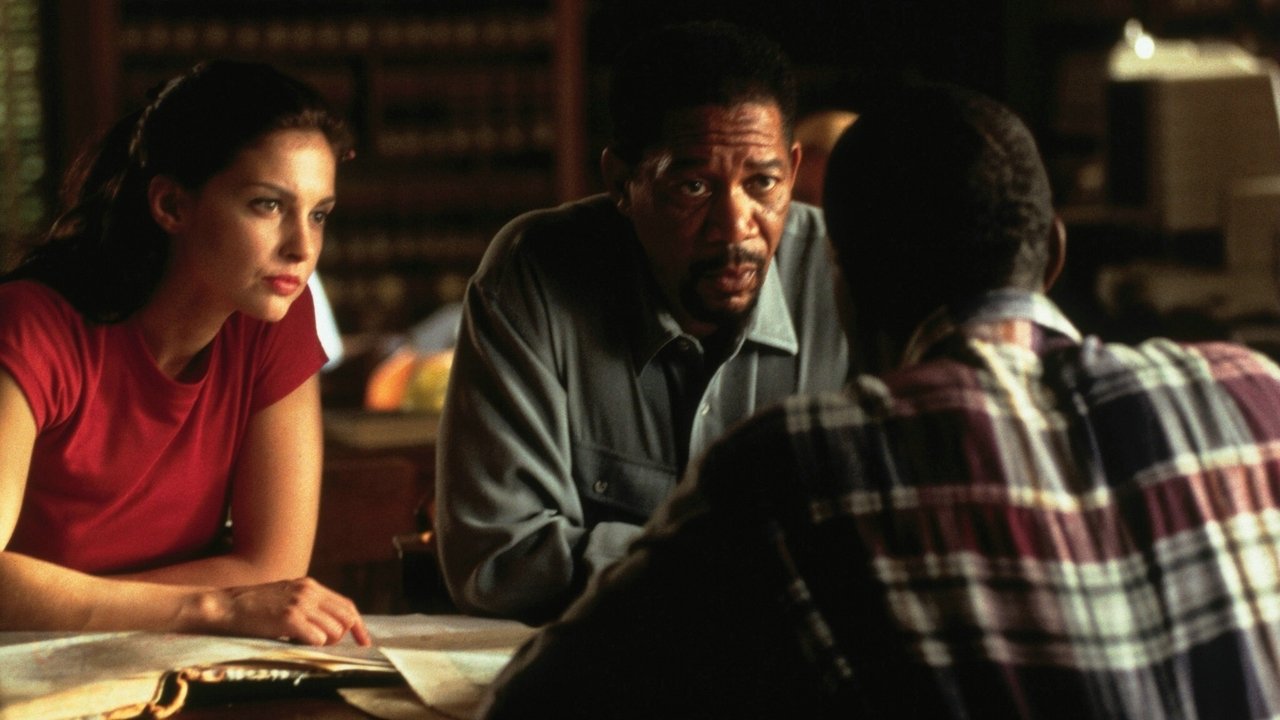
Visually, the film is a masterclass in "Southern Noir." Aaron Schneider’s cinematography makes the North Carolina woods look like a primordial labyrinth. Everything is wet, green, and slightly decaying. It’s the kind of atmosphere you can almost smell. Looking back, it’s clear this was a transitional period for cinematography—the film has that rich, organic grain of 35mm that CGI-heavy modern thrillers often lack. It feels tactile and heavy. However, the twist reveal of the killer is so telegraphed that you’d have to be watching the movie through a thick layer of duct tape to miss it. It’s a trope that felt a bit tired even in 1997, yet the performances are strong enough that you forgive the predictability.
Behind the Scenes and Near Misses
Interestingly, the path to the screen was a bit of a shuffle. Before Morgan Freeman stepped into the role of Alex Cross, the studio was reportedly looking at a much younger, more action-oriented lead. I can't imagine anyone else bringing that specific weary wisdom to the part; it would have been a completely different, likely inferior, movie.
There’s also the Cary Elwes factor. Fresh off The Princess Bride and Robin Hood: Men in Tights, seeing him dive into the dark, murky waters of a procedural was a shock for audiences at the time. He plays Det. Nick Ruskin with a slippery, ambiguous charm. Meanwhile, Tony Goldwyn (who many remember as the villain from Ghost) pops up to remind us that he is the undisputed master of playing characters who look like they’re hiding a very dark secret behind a very expensive haircut.
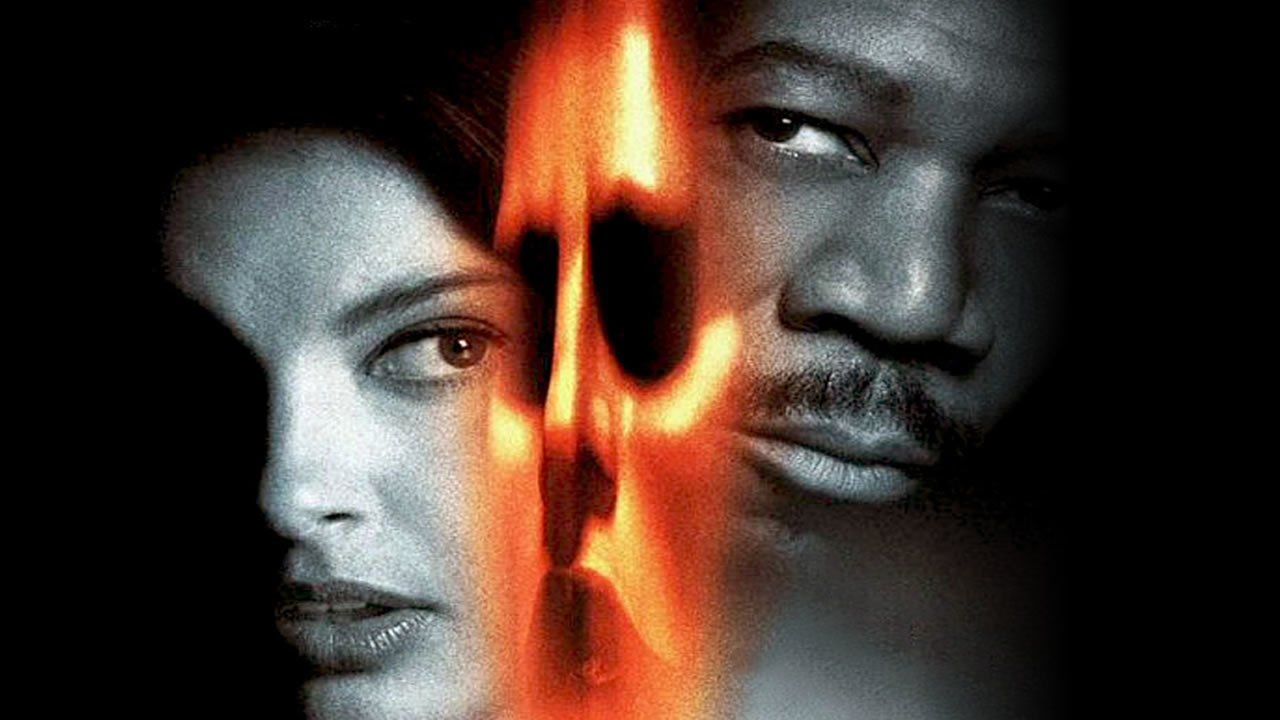
The film performed well enough to spawn a sequel, Along Came a Spider (2001), but Kiss the Girls has a grit that the follow-up lacked. It captures that pre-9/11 anxiety where the monsters weren't foreign entities or cosmic threats, but the guy living next door with a weird hobby and a basement he won't let you see. It’s a "DVD-era" staple—the kind of movie that feels like it was designed to be watched on a Tuesday night with the lights off and the door locked.
Kiss the Girls is a sturdy, well-acted thriller that suffers slightly from the conventions of its time but is elevated by its two lead performances. It’s a perfect example of the "adult thriller" that Hollywood has largely abandoned in favor of capes and multiverses. If you can handle the 90s-standard "creepy dungeon" tropes, it’s a journey well worth taking for Freeman and Judd alone. Just maybe skip the shrimp cocktail before you press play.

Keep Exploring...
-
Along Came a Spider
2001
-
The Client
1994
-
Breakdown
1997
-
Arlington Road
1999
-
The Pledge
2001
-
Edge of Darkness
2010
-
In the Valley of Elah
2007
-
Untraceable
2008
-
Kill the Messenger
2014
-
The Score
2001
-
Don't Say a Word
2001
-
In the Line of Fire
1993
-
The Net
1995
-
Basic
2003
-

Revolver
2005
-

Pride and Glory
2008
-

The Long Kiss Goodnight
1996
-
Conspiracy Theory
1997
-
Double Jeopardy
1999
-
The Bone Collector
1999