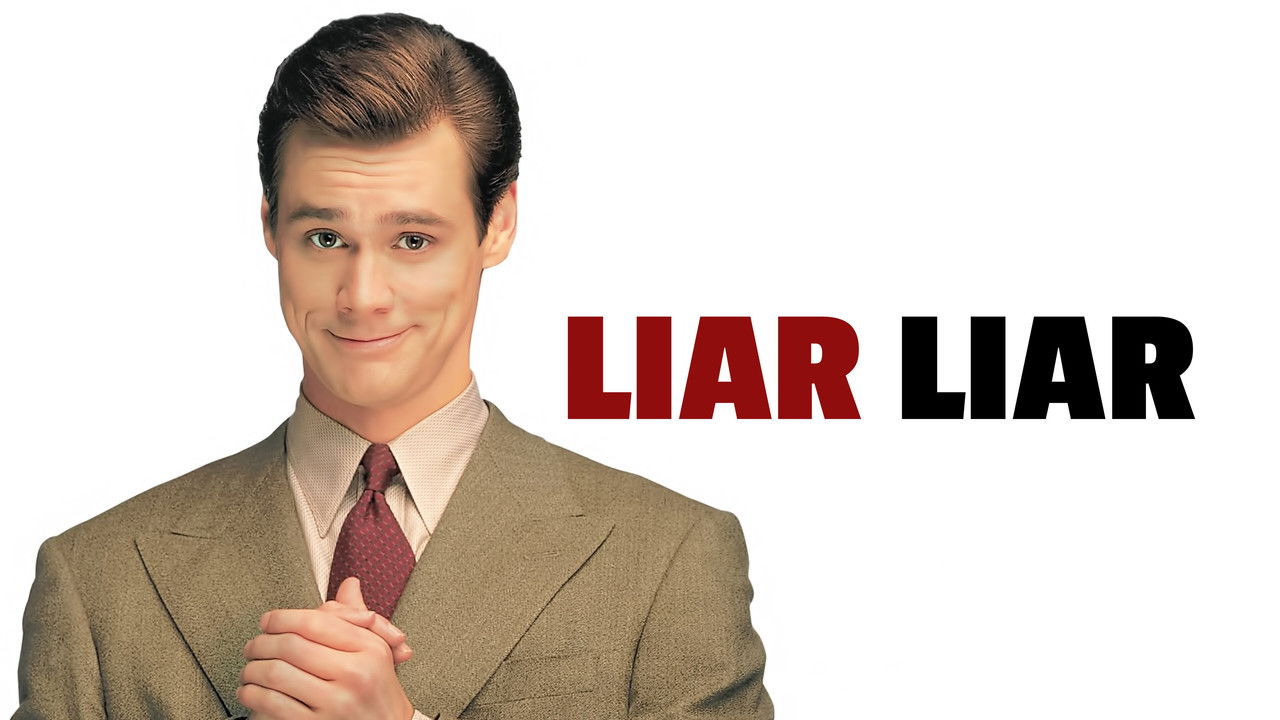
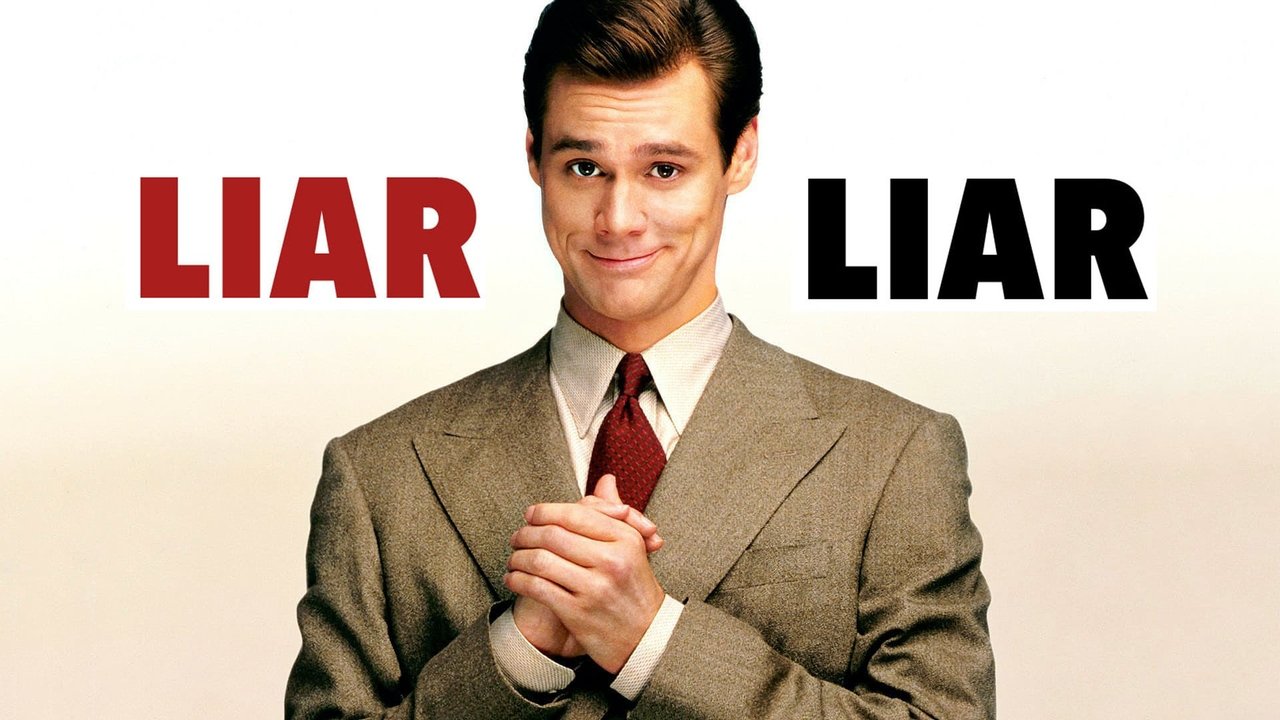
Liar Liar
"Honesty is the best policy. It’s also a total nightmare."

There was a five-year window in the mid-1990s where Jim Carrey wasn’t just a movie star; he was a localized weather event. After the triple-threat explosion of Ace Ventura: Pet Detective, The Mask, and Dumb and Dumber in 1994, the industry sat back and wondered if his rubber-faced shtick had a shelf life. By 1997, Liar Liar arrived to prove that not only was the shelf life intact, but Carrey could actually anchor a "moral lesson" movie without losing his edge. I watched this on a flight where the person in front of me had their seat reclined so far that the screen was four inches from my nose, making Carrey's facial contortions genuinely terrifying, yet I still couldn't look away.

The premise is the gold standard for "high concept" Hollywood: Fletcher Reede is a lawyer whose entire career is built on the tactical deployment of bullshit. When he misses his son Max’s (Justin Cooper) birthday party one too many times, the boy wishes that for just twenty-four hours, his dad couldn't tell a lie. The universe obliges, and suddenly, a man who survives on social lubrication is forced to tell the unfiltered, jagged truth to everyone from his boss to a police officer.
The Human Special Effect
While the late 90s were obsessing over the CGI breakthroughs of The Lost World: Jurassic Park or the digital wizardry of Men in Black, Liar Liar offered a different kind of technical marvel: Jim Carrey’s musculoskeletal system. This film is the cinematic equivalent of an espresso shot spiked with pure adrenaline.
The centerpiece of the film—and perhaps the peak of Carrey’s physical comedy career—is the bathroom scene. Attempting to get out of a court case he knows he’ll lose if he has to be honest, Fletcher decides to "kick his own ass." It is a staggering display of slapstick that feels less like acting and more like a demonic possession. He flips over toilets, rams his head into stalls, and throws himself against walls with a commitment that would make a stuntman wince. There is no digital double here; it’s just a man earning every cent of his then-unprecedented paycheck. It reminds me that before we leaned on Marvel-style post-production to create "wow" moments, we had performers willing to sustain actual bruising for a punchline.
The Calculus of Truth
Director Tom Shadyac understands that the comedy works best when the stakes are grounded. If Fletcher was just a jerk, we wouldn't care. But the script by Stephen Mazur and Paul Guay cleverly makes him a likable jerk who is simply addicted to the path of least resistance. The film's MVP, however, might be Maura Tierney as Audrey. She has the thankless job of being the "straight man" to a human hurricane, and she plays it with a weary, soulful dignity that gives the movie its heart.
Then there is Cary Elwes as Jerry, the new boyfriend. Watching the man who played Westley in The Princess Bride lean into playing a man so aggressively milquetoast it’s its own form of villainy is a masterclass in ego-free acting. He’s the human personification of a lukewarm glass of milk, and he provides the perfect foil for Fletcher’s frantic energy. The humor holds up surprisingly well because it’s rooted in the universal anxiety of "What if I actually said what I was thinking?"—though I’ll admit the boardroom scene where he insults his coworkers is a bit of 90s "mean-spirited" humor that leans heavily on the era’s love for the roast.
The $20 Million Face
Looking back, Liar Liar was a massive commercial pivot. It cost $45 million to make—a hefty sum for a comedy in 1997—and a massive chunk of that went to Carrey’s $20 million salary. It was a gamble that paid off spectacularly, raking in over $302 million worldwide. It proved that "The Carrey Brand" was a blue-chip investment.
The production was famously grueling for the lead. Apparently, Carrey was so physically exhausted by the end of the shoot that he’d often collapse in his trailer. You can see that fatigue in the final act; there’s a frantic, desperate edge to his performance during the airport chase that feels very real. It’s also worth noting the "The Claw" bit—the tickling game Fletcher plays with his son—was something Carrey actually did with his own children, which explains why those moments feel like the only times the movie stops vibrating and breathes.
While some of the courtroom logic is, shall we say, legally questionable (don't use this as a bar exam study guide), the film remains a high-water mark for the studio comedy. It’s tight, it’s 86 minutes of pure momentum, and it captures a megastar at the absolute height of his powers before he moved into the more "serious" territory of The Truman Show.
Liar Liar is a relic of a time when a single performer's charisma could justify a $300 million box office return without a single explosion or superhero cape. It captures the 90s aesthetic of 'khakis and existential dread' perfectly while delivering some of the most iconic physical gags in modern history. It’s a loud, sweaty, brilliant reminder that sometimes the simplest premises—and the most talented "rubber" faces—are all you need for a classic.


Keep Exploring...
-
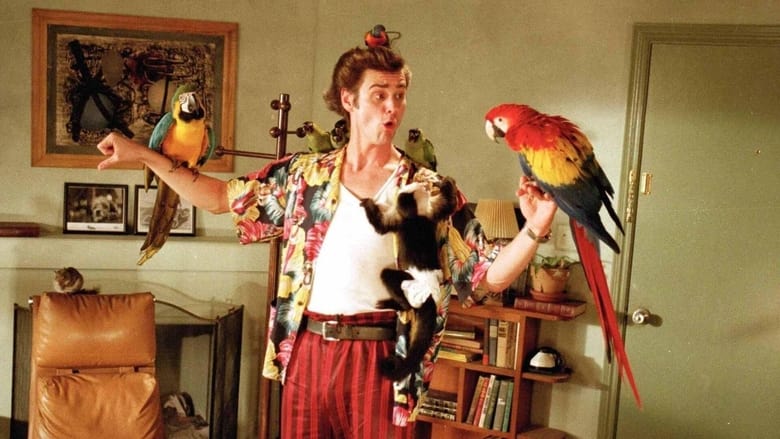
Ace Ventura: Pet Detective
1994
-

Bruce Almighty
2003
-

Patch Adams
1998
-
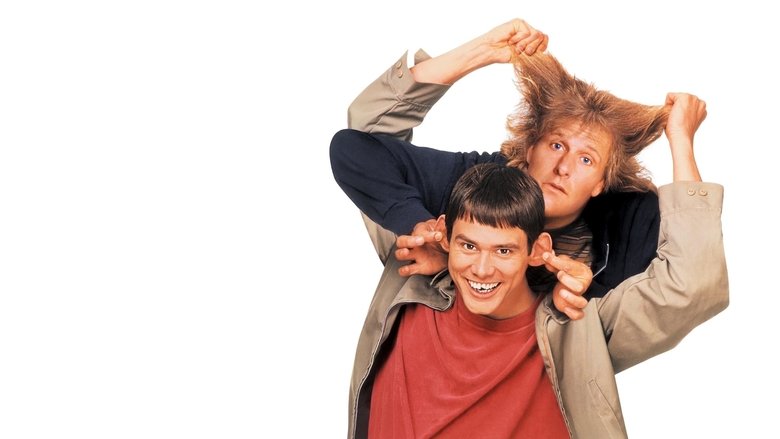
Dumb and Dumber
1994
-
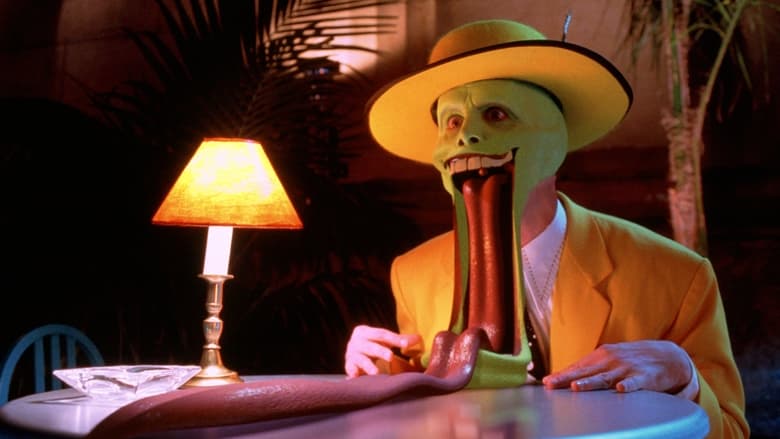
The Mask
1994
-

Ace Ventura: When Nature Calls
1995
-
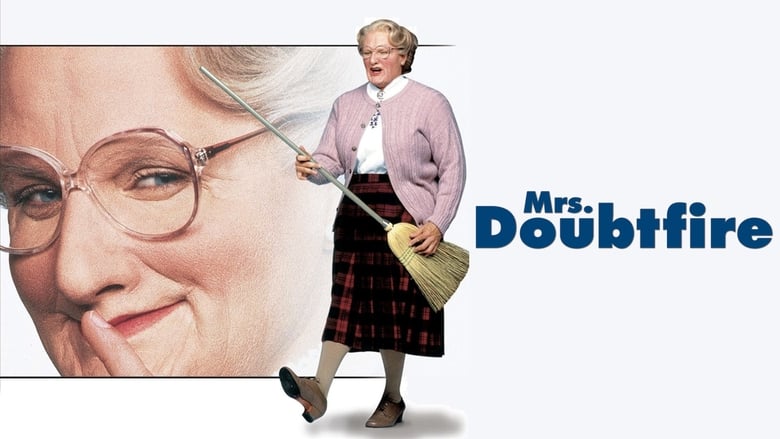
Mrs. Doubtfire
1993
-

While You Were Sleeping
1995
-
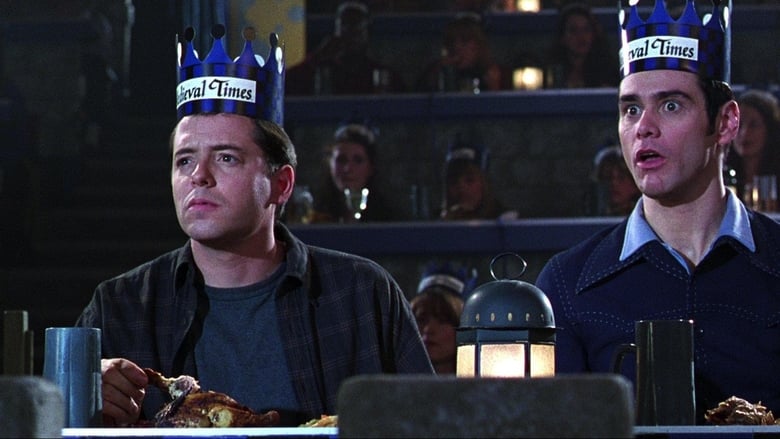
The Cable Guy
1996
-

Horton Hears a Who!
2008
-

Yes Man
2008
-
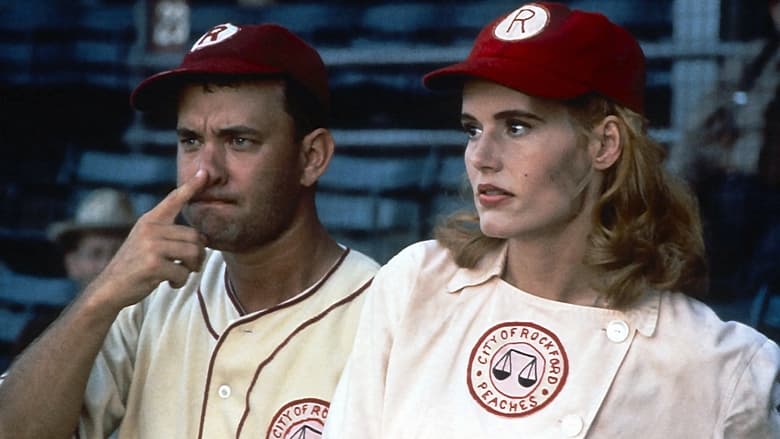
A League of Their Own
1992
-
Home Alone 2: Lost in New York
1992
-
Lethal Weapon 3
1992
-
Sister Act
1992
-
Sneakers
1992
-
Wayne's World
1992
-
Cool Runnings
1993
-
Dennis the Menace
1993
-

Hot Shots! Part Deux
1993