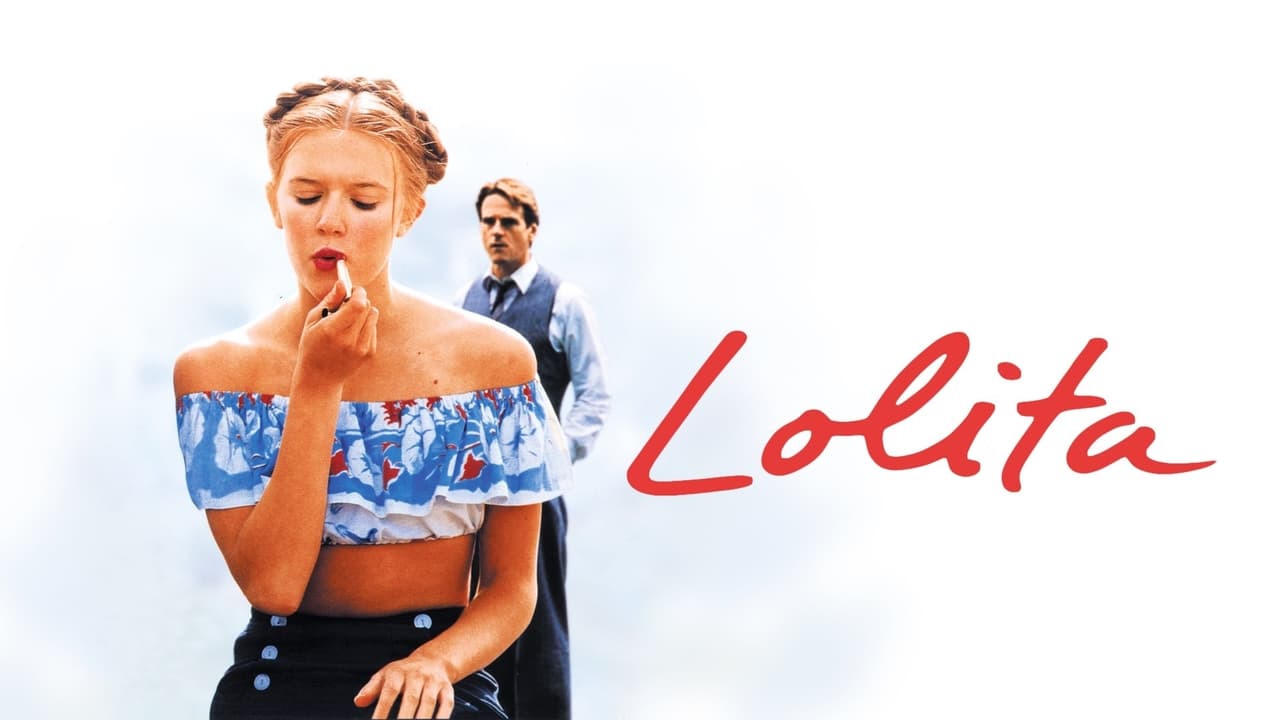
Lolita
"An elegant descent into a beautiful nightmare."
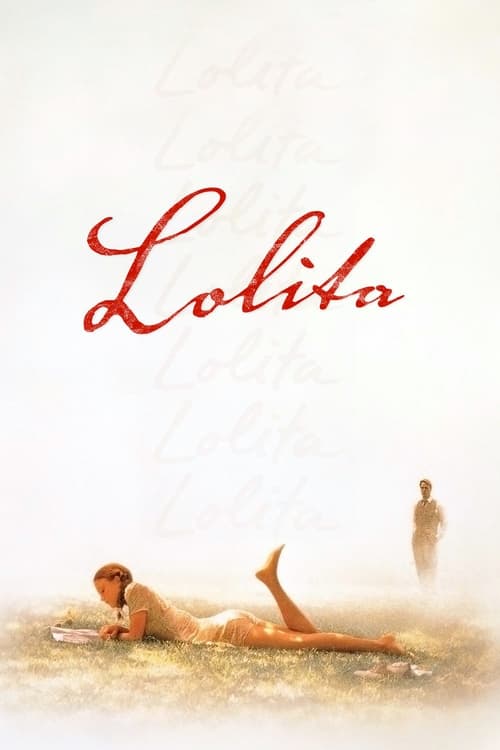
The biggest ghost of 1997 wasn’t a spirit in a horror flick; it was a $62 million prestige drama that virtually no one in America saw in a theater. While the rest of the world was sobbing over Jack and Rose on the Titanic, Adrian Lyne’s adaptation of Lolita was radioactive. It sat on a shelf for a year, orphaned by major studios who were terrified of the subject matter, eventually slinking onto Showtime before getting a blink-and-you’ll-miss-it theatrical run.
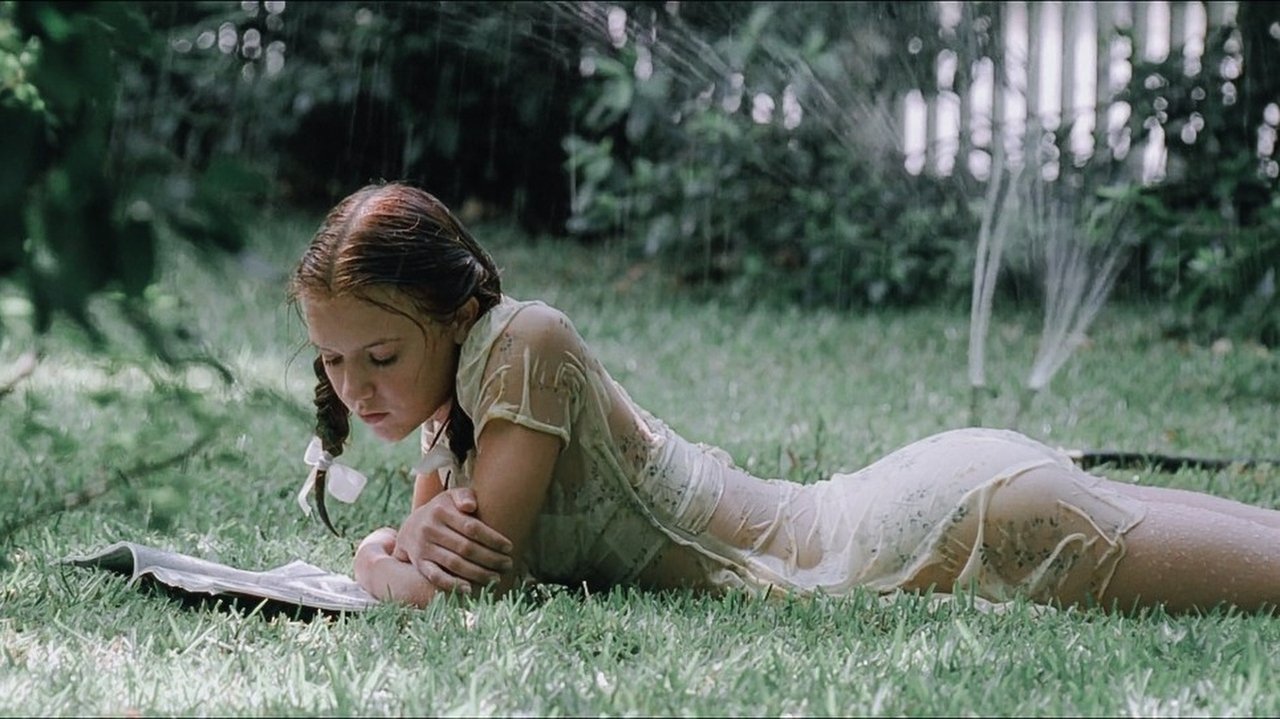
I recently revisited this film on a scratched DVD I found in the "Misc. Drama" bin of a crumbling rental shop, watching it while wearing a pair of wool socks that were just a little too itchy. That minor physical discomfort felt oddly appropriate for a movie designed to make you squirm while simultaneously dazzling your retinas.
The Monster in the Corduroy Suit
When people think of Lolita, they usually think of the 1962 Stanley Kubrick version—the one with the heart-shaped sunglasses and the heavy lifting done by suggestion and subtext. Lyne’s version, however, tosses the Hays Code out the window and sticks much closer to Vladimir Nabokov’s prose. The result is something far more harrowing. Jeremy Irons is cast as Humbert Humbert, and quite frankly, he’s almost too good at being a pathetic, predatory creep.
Irons plays Humbert not as a mustache-twirling villain, but as a man suffering from a terminal illness of the soul. He brings a brittle, European intellectualism to the role that makes his obsession with the "vulgar" American landscape—and the young Dolores Haze—feel like a slow-motion car crash. Watching him try to maintain his dignity while his life dissolves into a mess of hotel rooms and lies is a masterclass in controlled desperation. He looks like he’s perpetually trying to swallow a razor blade.
Opposite him is Dominique Swain as Lolita. This was her film debut, chosen from over 2,500 hopefuls, and she captures the "nymphet" persona with a terrifyingly accurate mix of childishness and calculated manipulation. Unlike the Kubrick version, where Sue Lyon looked like a fully grown woman, Swain actually looks like a kid. That’s what makes the film so much harder to stomach than its predecessor. It strips away the Hollywood artifice and leaves you staring at the actual ugliness of the situation.
A $62 Million Oil Painting
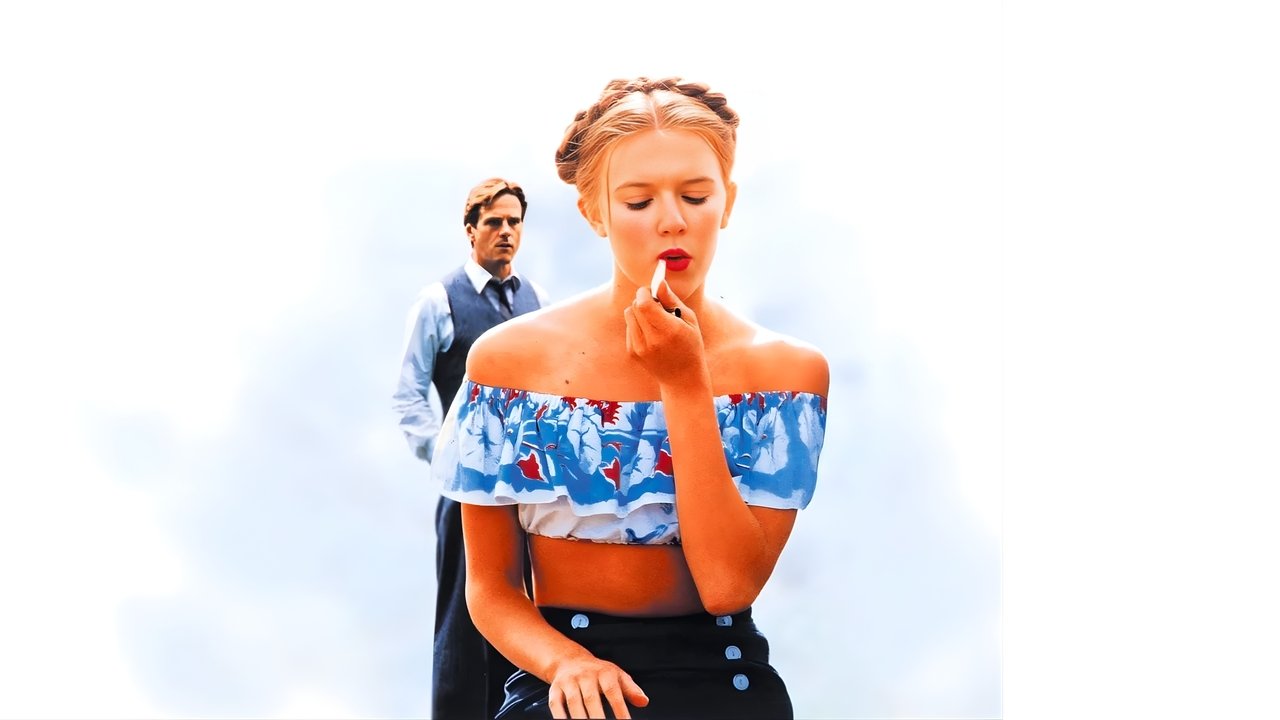
If there is one reason to seek out this forgotten oddity, it’s the sheer, decadent beauty of the production. This is arguably the most gorgeous film Adrian Lyne ever directed, which is saying something for the man who gave us the misty, backlit aesthetics of 9 1/2 Weeks and Fatal Attraction.
The cinematography by Howard Atherton captures a mid-century America that feels both nostalgic and rotting. There’s a constant play of light and shadow—sunlight filtering through dusty lace curtains, the neon hum of roadside motels, and the rain-slicked streets of New England. It’s accompanied by a score from the legendary Ennio Morricone, who delivers a haunting, melancholic theme that I’ve had stuck in my head for three days. It’s the kind of music that makes you feel sorry for people who don't deserve your sympathy.
The supporting cast is equally sharp. Melanie Griffith is pitch-perfect as Charlotte Haze, the desperate, social-climbing mother. She plays the role with a shrill, needy vulnerability that makes you understand exactly why Humbert finds her so repellant. And then there’s Frank Langella as the mysterious Clare Quilty. Langella shows up like a dark cloud, chewing the scenery with a menacing, theatrical flair that provides a much-needed foil to Irons’ internalised brooding.
The Price of Faithfulness
Looking back from a modern perspective, it’s easy to see why this film vanished. It was caught in a "Modern Cinema" transition where the indie spirit was booming, but the big-budget studio system was becoming increasingly risk-averse. A $60 million movie about a pedophile is a tough sell in any era, but in the late 90s, it was a commercial suicide note. The film is essentially a high-budget art house movie that forgot it needed to actually make money.
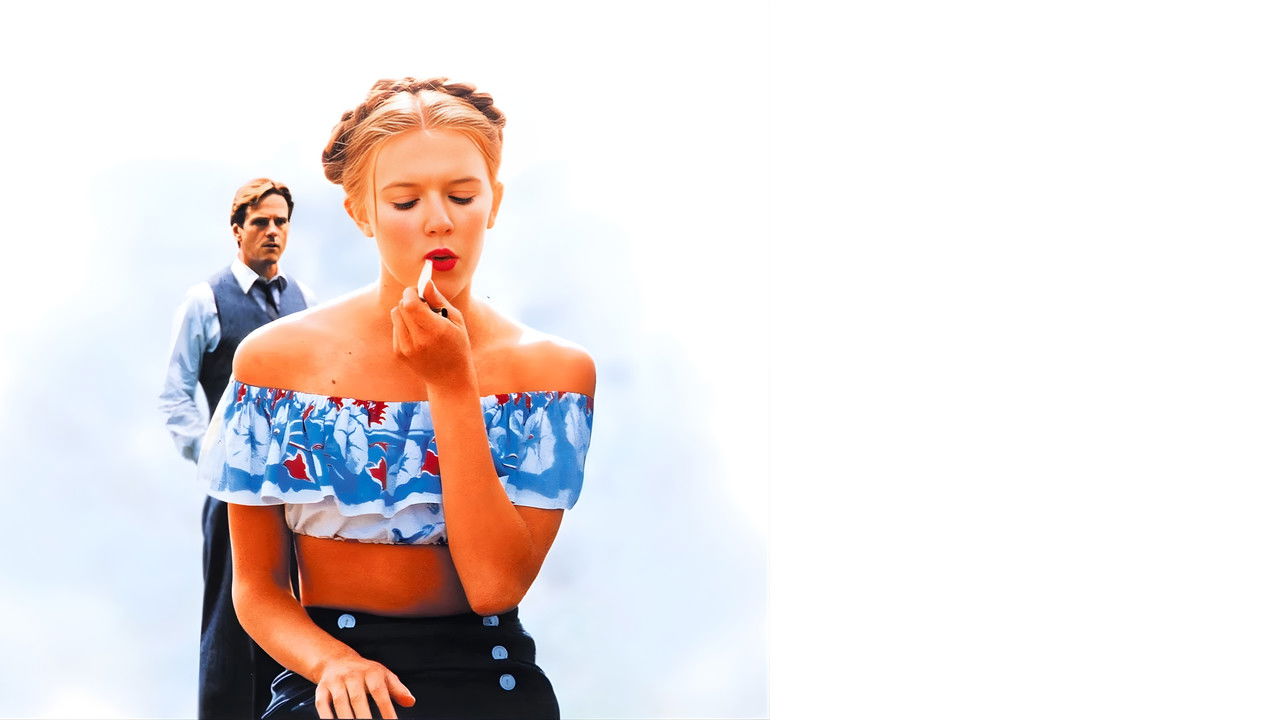
The "DVD culture" of the early 2000s gave this film a second life, where viewers could finally appreciate the craft without the surrounding media circus. What holds up is the refusal to sugarcoat the source material. Lyne doesn’t make Humbert a hero; he makes him a tragic figure of his own making, trapped in a prison of his own impulses. It’s a film that demands a lot from its audience—mostly the ability to admire the brushstrokes on a painting of something deeply unpleasant.
This isn't a film you "enjoy" in the traditional sense, but it’s one you respect for its audacity and its atmosphere. It represents a moment in the late 90s when directors were still trying to push the boundaries of what a big-budget drama could be before everything got swallowed by franchises and capes. If you can handle the discomfort, it’s a lush, poetic, and ultimately devastating piece of cinema that deserved better than a bargain bin.
Turns out, the film was so controversial during production that they had to use a body double for Dominique Swain in several scenes, not because of the nature of the shots, but because the legal requirements for child actors were so stringent they couldn't risk any hiccups. It’s a bit of trivia that mirrors the film’s own struggle to exist: a production constantly looking over its shoulder, waiting for the floor to drop out. If you’re a fan of Jeremy Irons or just want to see what $62 million worth of forbidden fruit looks like, track this one down. Just make sure your socks aren't too itchy.

Keep Exploring...
-

Unfaithful
2002
-

Indecent Proposal
1993
-
Sweet November
2001
-

Jacob's Ladder
1990
-
Far and Away
1992
-
Wolf
1994
-
The Legend of Bagger Vance
2000
-
Batman: Mask of the Phantasm
1993
-
The Age of Innocence
1993
-
The Remains of the Day
1993
-
It Could Happen to You
1994
-
Little Women
1994
-
Mary Shelley's Frankenstein
1994
-
A Walk in the Clouds
1995
-
The Quick and the Dead
1995
-
That Thing You Do!
1996
-
EverAfter
1998
-
Blast from the Past
1999
-
Never Been Kissed
1999
-
The Thomas Crown Affair
1999