Lost Highway
"Your memory isn't playing tricks. It's playing for keeps."
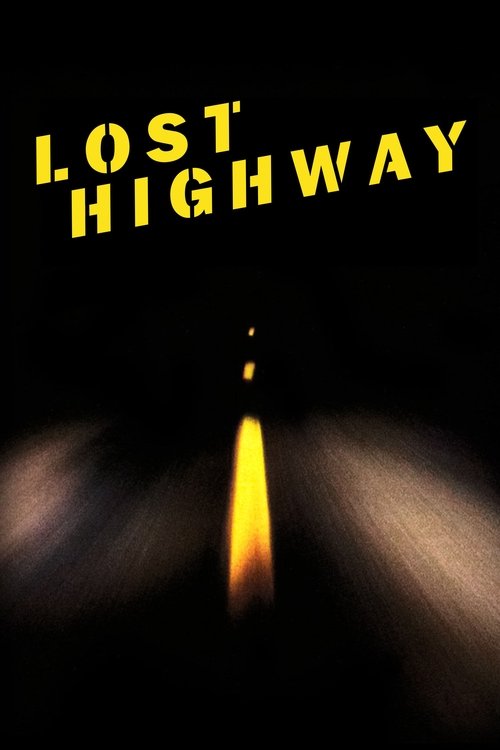
In 1997, the cinematic landscape was obsessed with the "twist." We were a few years past The Usual Suspects and a few years away from The Sixth Sense. Audiences wanted a puzzle they could solve by the time the credits rolled. Then David Lynch dropped Lost Highway into theaters like a lit cigarette in a dry forest, and suddenly, the "puzzle" didn't just lack pieces—it lacked a frame.

I watched the 2022 Criterion 4K restoration of this film on a Tuesday night while trying to ignore a neighbor’s loud, rhythmic thumping that I’m 60% sure was just an unbalanced washing machine and 40% sure was a Lynchian omen. That’s the effect this movie has on me. It bleeds into the drywall of your actual life. It’s not just a thriller; it’s a transmission from a frequency that only exists between 3:00 AM and 4:00 AM.
The Nightmare on My Living Room Floor
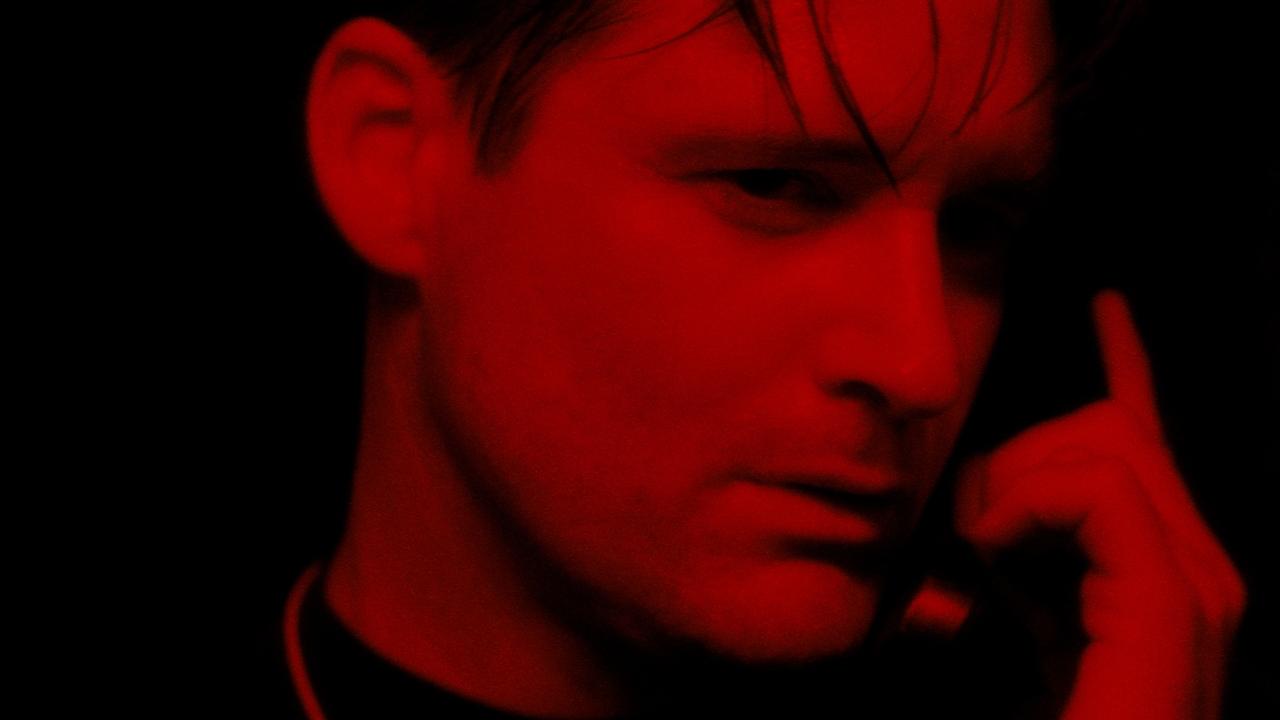
The story starts with a buzz. Fred Madison, played with a brittle, haunting detachment by Bill Pullman, hears a voice over his intercom: "Dick Laurent is dead." From there, Fred and his wife Renee (Patricia Arquette) begin receiving anonymous VHS tapes. First, of the outside of their house. Then, the inside. Finally, of them sleeping.
There is something inherently terrifying about the analog grain of a VHS tape in the late 90s. It was the era of the "snuff film" urban legend, and Lynch leans into that grainy, low-res dread. But just when you think you’re watching a home-invasion thriller, the movie literally breaks. Fred is arrested for a murder he may or may not have committed, and while sitting in a prison cell, he somehow—physically, impossibly—transforms into a completely different man named Pete Dayton (Balthazar Getty).
David Lynch makes movies for people who find "logical consistency" to be a boring personality trait. If you go into Lost Highway looking for a standard narrative arc, you’re going to give yourself a headache. But if you view it as a "psychogenic fugue"—a term Lynch and co-writer Barry Gifford stumbled upon during production—it starts to click. It’s a story about a man who would rather reinvent his entire reality than face the monster he sees in the mirror.
A Tale of Two Identities
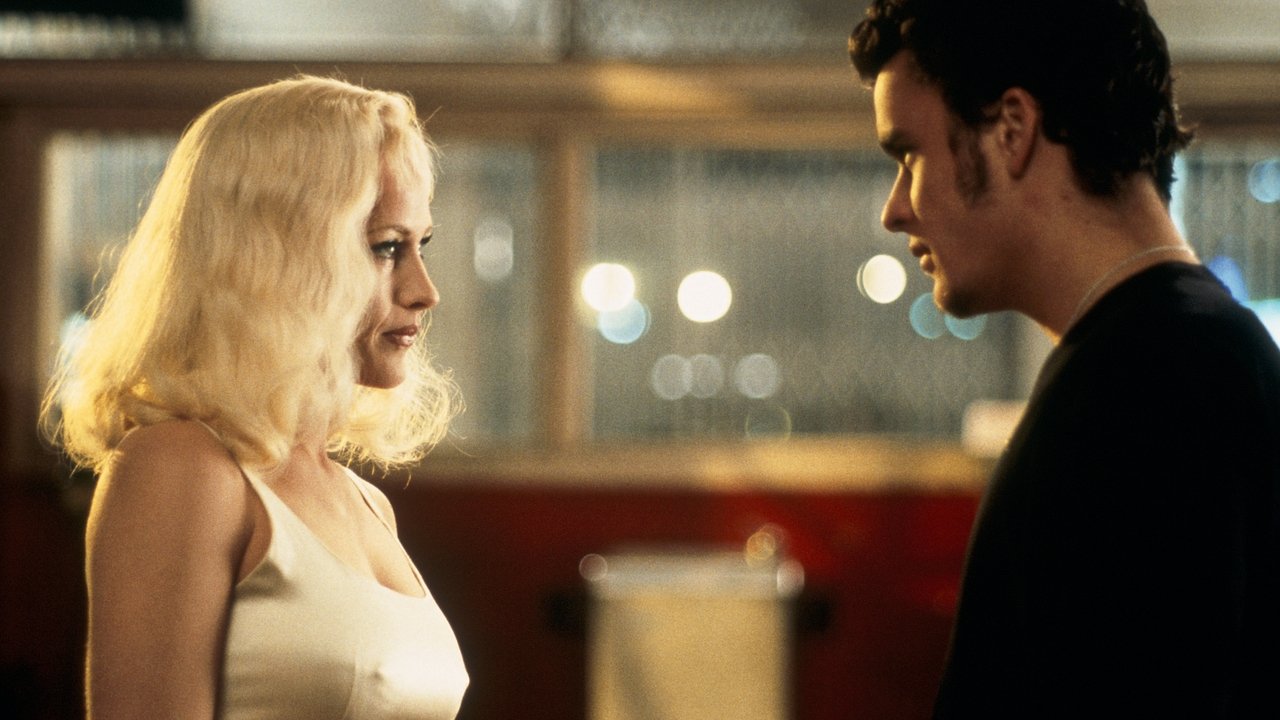
The performances here are doing a lot of heavy lifting to keep the surrealism grounded in emotion. Patricia Arquette is incredible, playing two versions of the same woman (or are they?) with a subtle shift in body language that tells you everything the script refuses to say. She is the ultimate noir femme fatale, but one trapped in a loop she didn't design.
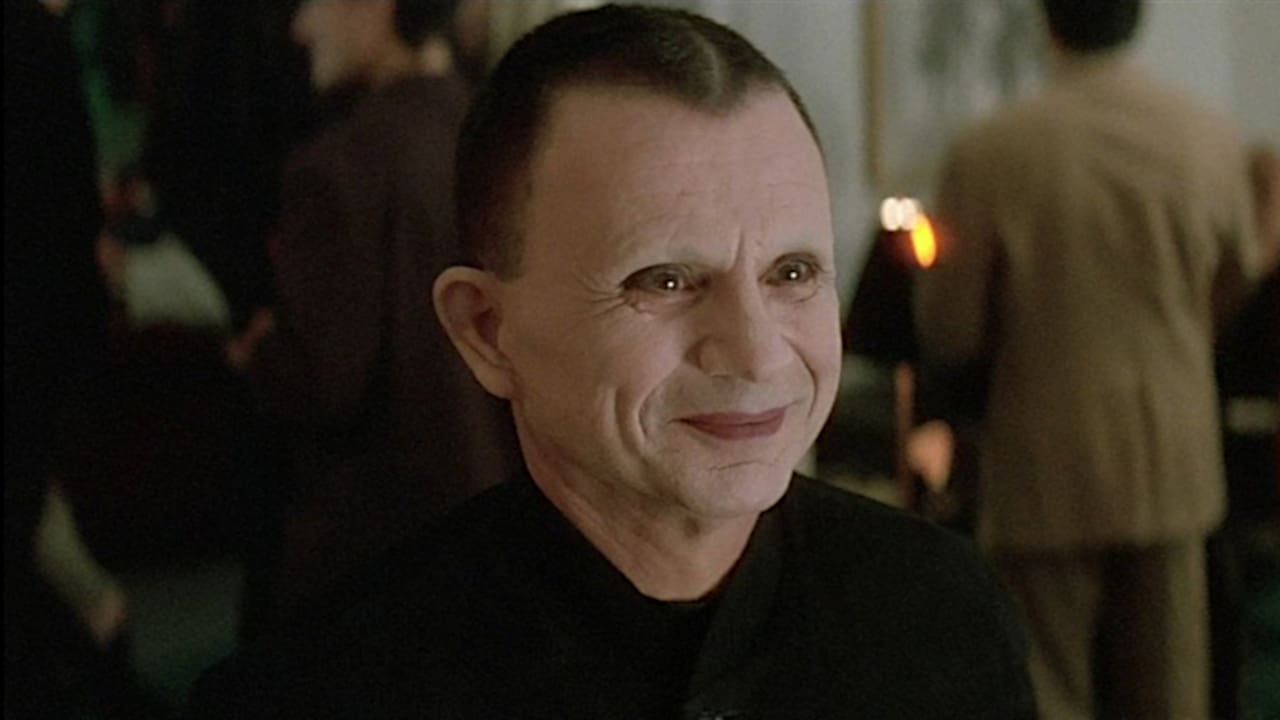
Then there’s Robert Blake as the Mystery Man. Even before you factor in the actor’s own later real-life legal infamy, his performance is pure, uncut nightmare fuel. The scene where he asks Bill Pullman to call his own house—only to answer the phone himself while standing right in front of him—is one of the most effective horror beats in cinema history. It’s simple, practical, and it makes my skin crawl every single time.
On the other end of the spectrum, we have Robert Loggia as Mr. Eddy. Loggia's road-rage freakout over a tailgater is the most relatable cinematic moment for anyone who’s ever been stuck behind a slow driver on a one-lane road. It’s explosive, terrifying, and weirdly hilarious. It captures that 90s indie energy where a movie could be a pitch-black tragedy one second and a grotesque caricature the next.
The Sound of the Void
We have to talk about the 1997 of it all. This film arrived at the peak of "Industrial Cool." Produced by Trent Reznor, the soundtrack is a time capsule of 90s angst, featuring Nine Inch Nails, Marilyn Manson, and Rammstein. It’s loud, oily, and mechanical. It perfectly complements the cinematography of Peter Deming, who captures shadows so deep they look like holes in the screen.
Looking back, Lost Highway was a crucial bridge for Lynch. It was his way of shaking off the commercial baggage of Twin Peaks and finding the dream-logic language he would eventually master in Mulholland Drive. It was a box office bomb initially, clawing back less than $4 million on a $15 million budget. Critics like Siskel and Ebert gave it "two thumbs down," with Ebert calling it a "vacant exercise in style."
But time has been kind to this particular wreck. The cult that formed around it didn't just like the movie; they inhabited it. Fans obsess over the Moebius strip timeline and the fact that the house used in the film was actually Lynch’s own home. It’s a film that demands to be felt rather than understood.
Lost Highway isn't a "fun" watch in the traditional sense, but it’s an essential one for anyone who likes their cinema with a side of existential crisis. It’s a dark, looping highway that leads nowhere and everywhere at once. It captures the late-90s anxiety of identity and surveillance perfectly, and despite its age, it still feels like it was filmed tomorrow. If you’re ready to let go of the steering wheel and drive into the dark, this is your ride.

Keep Exploring...
-
Mulholland Drive
2001
-
Twin Peaks: Fire Walk with Me
1992
-

Inland Empire
2006
-

The Game
1997
-
Blue Velvet
1986
-
Lucky Number Slevin
2006
-
Eyes Wide Shut
1999
-
Primal Fear
1996
-
L.A. Confidential
1997
-
Arlington Road
1999
-
The Sixth Sense
1999
-
The Skin I Live In
2011
-
Wild at Heart
1990
-
Pi
1998
-
Unbreakable
2000
-
Infernal Affairs
2002
-
The Bourne Identity
2002
-

Falling Down
1993
-
Natural Born Killers
1994
-
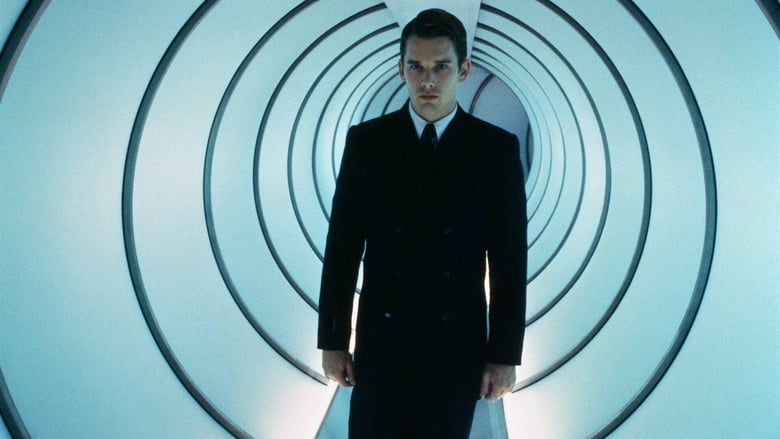
Gattaca
1997