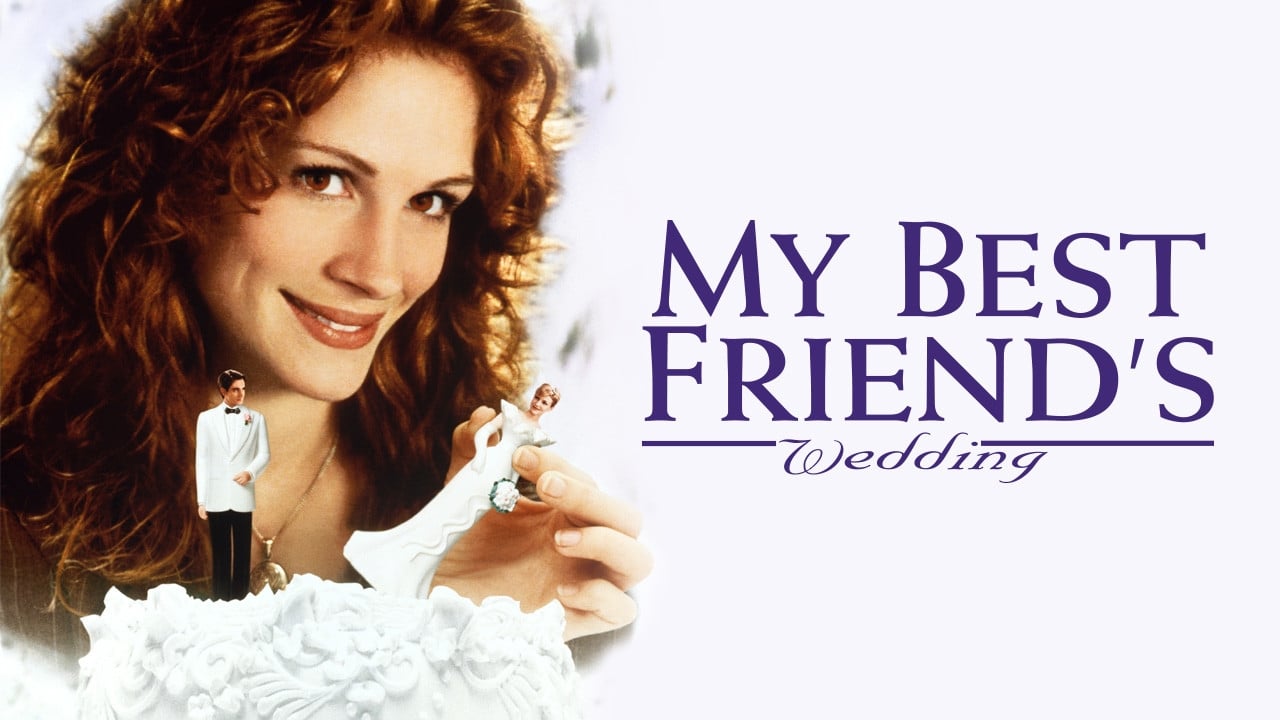
My Best Friend's Wedding
"Marriage is for friends. Sabotage is for best friends."
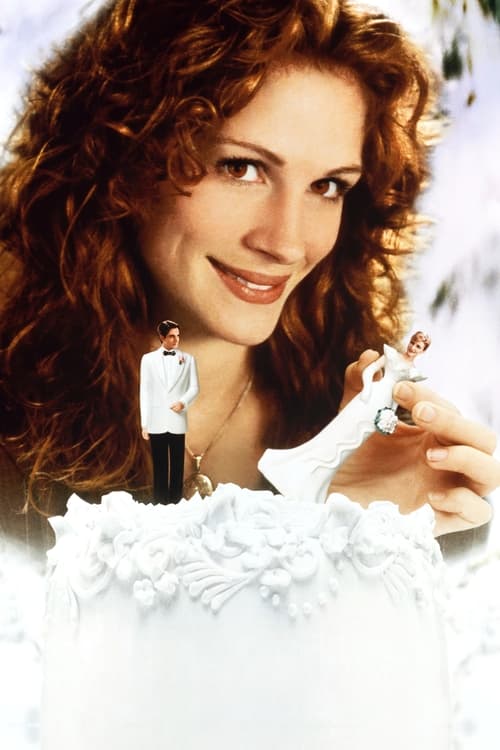
Julia Roberts has a laugh that can sell even the most questionable life choices, and in 1997, she decided to test that theory by playing a woman who is, by all reasonable standards, a complete and utter sociopath. This wasn't the "pretty woman" waiting for her knight; this was the knight coming back to burn the castle down because she realized she forgot her keys. Looking back at My Best Friend’s Wedding, it’s a miracle it works at all. We’re essentially asked to root for a woman who tries to dismantle the happiness of a perfectly lovely 20-year-old girl just because her own ego felt a sudden chill. But that’s the magic of 90s star power—when you have the biggest actress in the world at the peak of her "America's Sweetheart" era, you can get away with actual narrative murder.
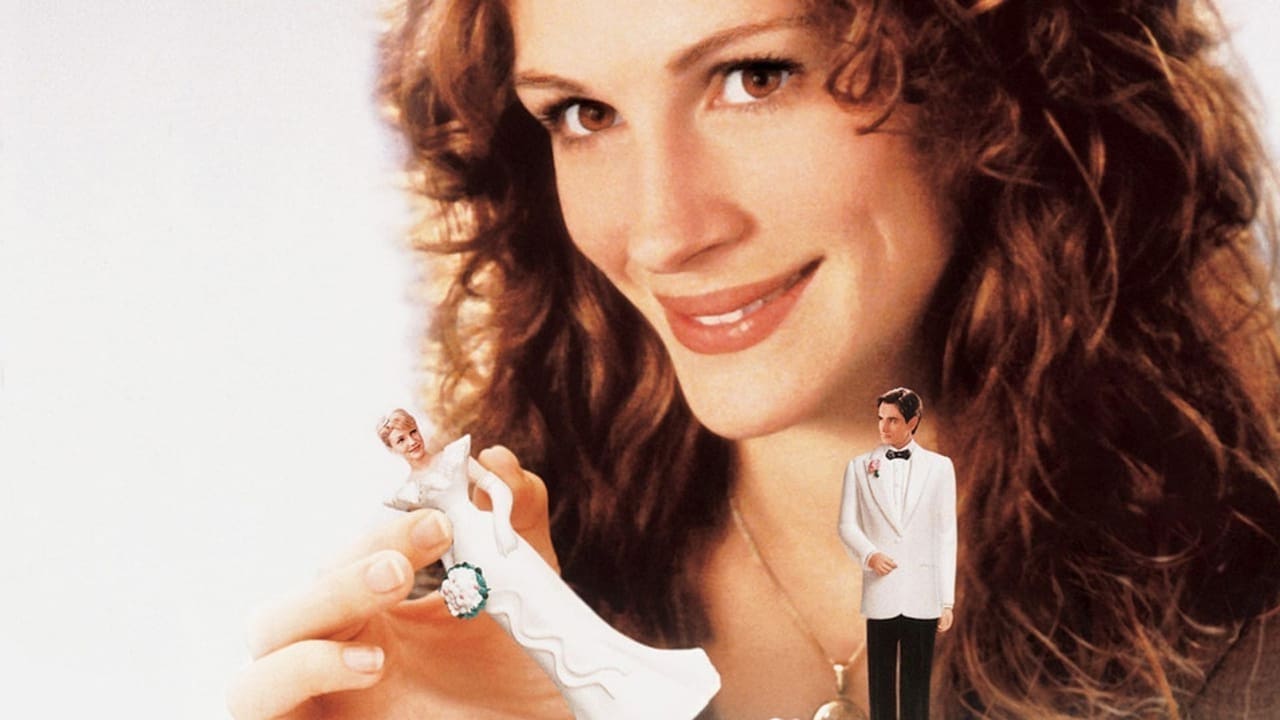
The Villain in the Designer Suit
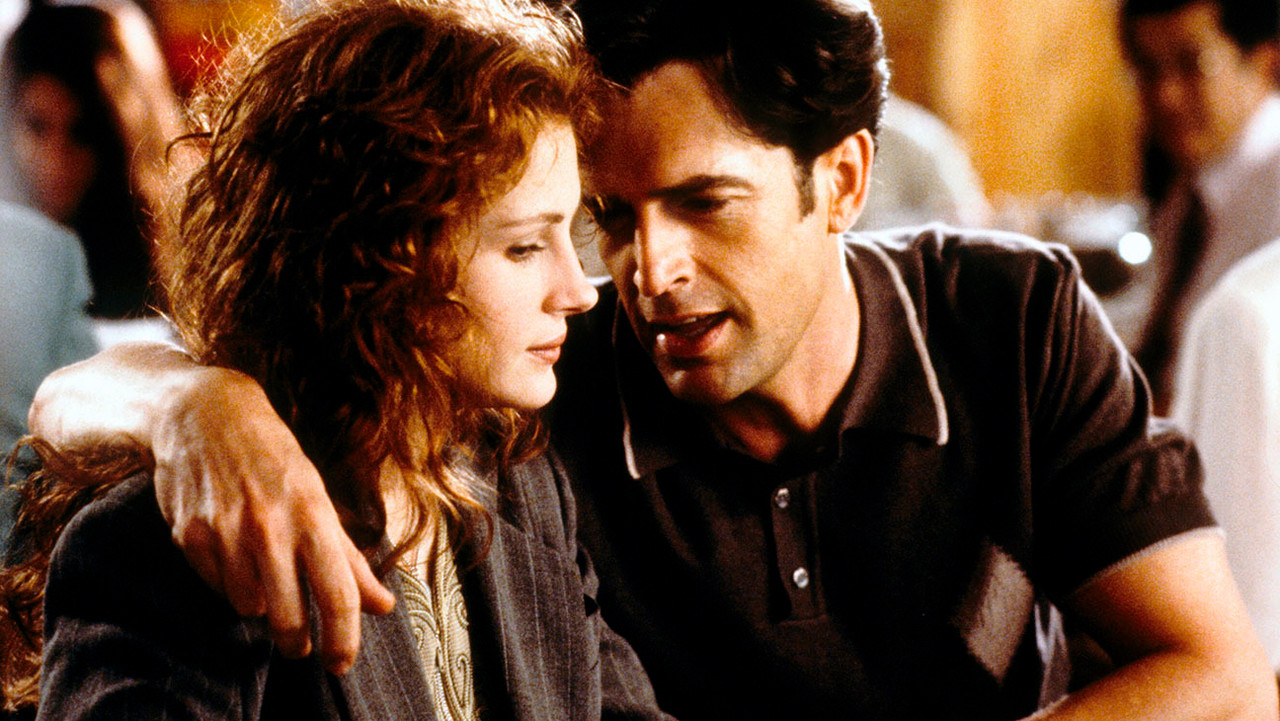
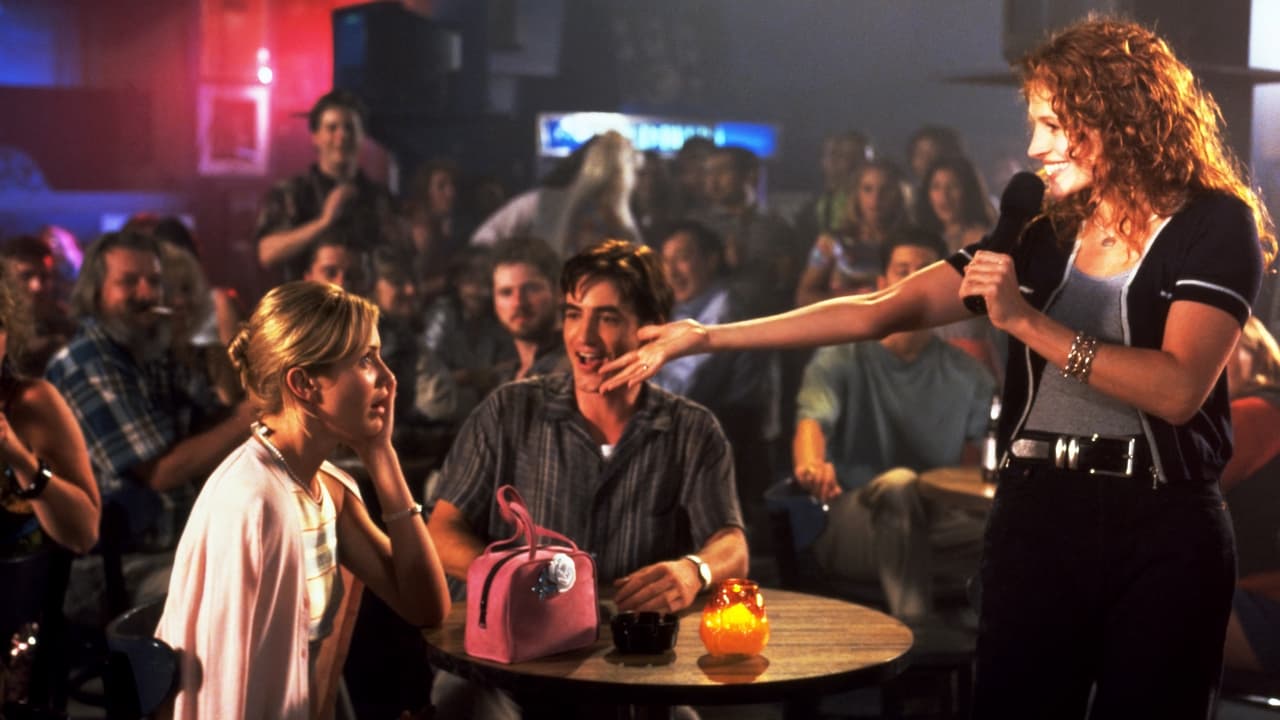
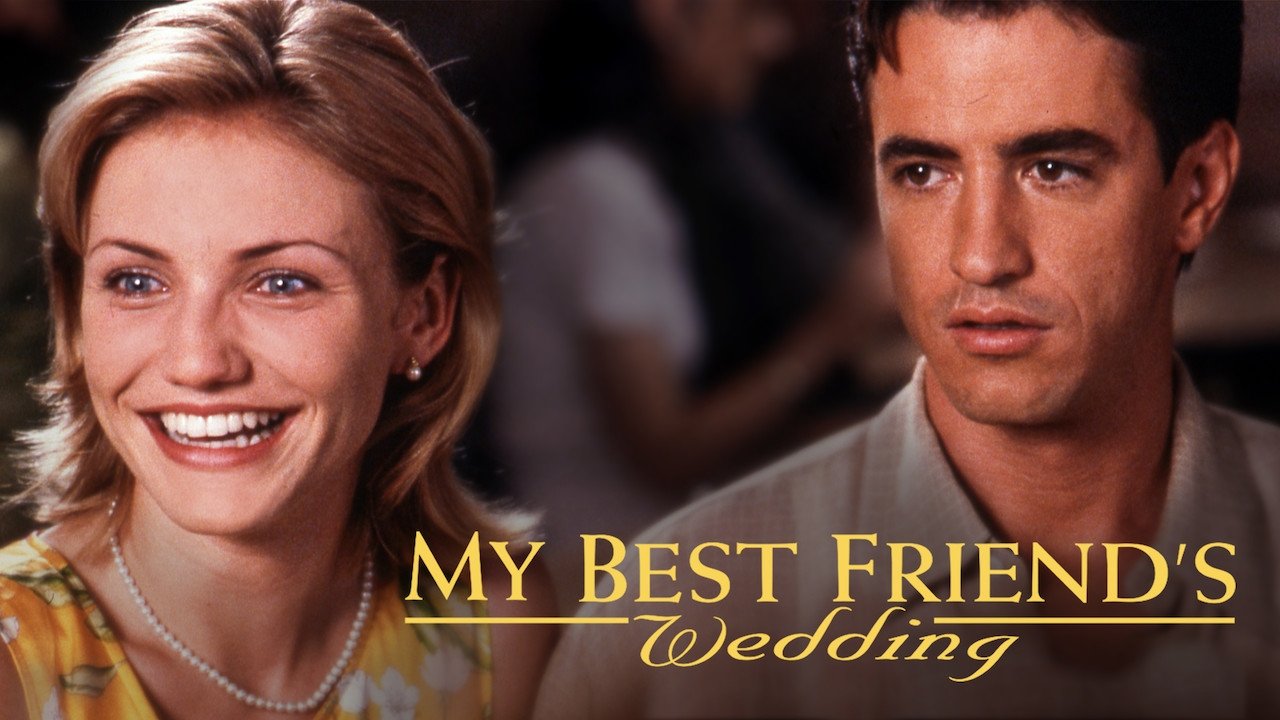
The premise is a classic ticking clock: Julianne Potter (Julia Roberts) realizes she’s in love with her best friend Michael (Dermot Mulroney) only when he announces his impending nuptials to Kimmy (Cameron Diaz). Instead of a graceful retreat, Julianne chooses a scorched-earth policy. What’s fascinating about rewatching this today is how much the film refuses to redeem her through the usual tropes. Usually, the "other woman" in a rom-com is a caricature—cruel, icy, or fundamentally wrong for the guy. But Kimmy? She’s a delight. She’s kind, wealthy, hopelessly in love, and possesses the singing voice of a dying seagull, which only makes her more endearing.
Director P.J. Hogan (who brought us the wonderfully weird Muriel’s Wedding) doesn’t let Julianne off the hook. He frames her schemes—the fake engagement, the email sabotage—as the desperate, flailing acts they are. There’s a palpable anxiety to the film that sets it apart from the more sugary Nancy Meyers or Nora Ephron offerings of the time. It feels like a high-stakes heist movie where the "diamond" is a guy who, let’s be honest, is basically a human beige cardigan. Michael is the weakest link in the chain, a man so oblivious to the emotional carnage around him that you wonder if he’s just there for the catering. I watched this most recently while my radiator was making a rhythmic clanking sound that perfectly synced up with the "Say a Little Prayer" sequence, and it honestly added a industrial-grind layer to the scene that felt appropriate for Julianne’s mental state.
The Summer Julia Roberts Saved the Multiplex
By 1997, the industry was shifting. We were in the middle of a massive blockbuster arms race. This was the summer of The Lost World: Jurassic Park, Men in Black, and the neon-soaked disaster that was Batman & Robin. In fact, My Best Friend's Wedding performed a feat of box-office strength that is unthinkable today: it opened against George Clooney’s Batman and, by its second week, actually started beating it in daily grosses. It was the "counter-programming" that became the main event.
The film cost roughly $38 million to produce—a healthy budget for a comedy then—and returned a staggering $299 million worldwide. It wasn't just a hit; it was a cultural reset for the romantic comedy genre. It proved that audiences didn't need a traditional "happy ending" where the girl gets the guy; they just needed a story that felt emotionally honest, even if that honesty was messy and bitter. It also cemented the "soundtrack as marketing" strategy. The Dionne Warwick-heavy tracklist didn't just support the movie; it dominated adult contemporary radio for months. The "I Say a Little Prayer" singalong at the lobster lunch is the kind of organic, joyful moment that test audiences went so wild for, the studio reportedly asked for more scenes featuring Rupert Everett.
The George Downes Effect
Speaking of Rupert Everett, we need to talk about George. If Julia Roberts is the engine of the movie, Everett is the steering wheel that keeps it from flying off a cliff. As Julianne’s editor and confidant, he provides the only moral North Star in the film. It’s a performance that launched a thousand "gay best friend" clones, but none ever matched Everett's dry, weary charisma.
Originally, George’s role was much smaller. However, after early test screenings, it became clear that the audience found Julianne too unlikable without his presence to ground her. The filmmakers actually went back and expanded his role, giving us that iconic "look" he gives her at the end of the movie. It’s a testament to the era’s "DVD culture" that we know so much about these pivots—the special features on the later releases detailed how the original ending, where Julianne meets a new man, was scrapped because it felt "unearned." The ending we got—the dance between George and Julianne—is infinitely more poignant. It’s a reminder that while romantic love is a battlefield, friendship is the field hospital where you go to lick your wounds.
The film serves as a perfect time capsule of Chicago in the late 90s, captured with a glossy, architectural reverence by cinematographer László Kovács. From the Union Station chase to the Comiskey Park outing, the city looks like a dream you’d have after eating too much deep-dish pizza. Even if you find Julianne’s behavior reprehensible, the film’s commitment to its "anti-heroine" remains refreshing. It’s a polished, hilarious, and occasionally biting look at the moment we realize that life doesn’t always hand us the trophy just because we finally decided to show up for the race.
This is the peak of the studio system doing what it does best: taking a potentially dark script about obsession and loss, and dressing it up in a $2,000 suit with a killer soundtrack. It’s the kind of movie that makes you want to call your ex, realize that’s a terrible idea, and then go out dancing with your best friend instead. In the landscape of 90s cinema, it remains a high-water mark for a genre that eventually became too formulaic to survive its own success.
Keep Exploring...
-
Stepmom
1998
-
Notting Hill
1999
-
Runaway Bride
1999
-
Confessions of a Shopaholic
2009
-
Sleepless in Seattle
1993
-
The Three Musketeers
1993
-
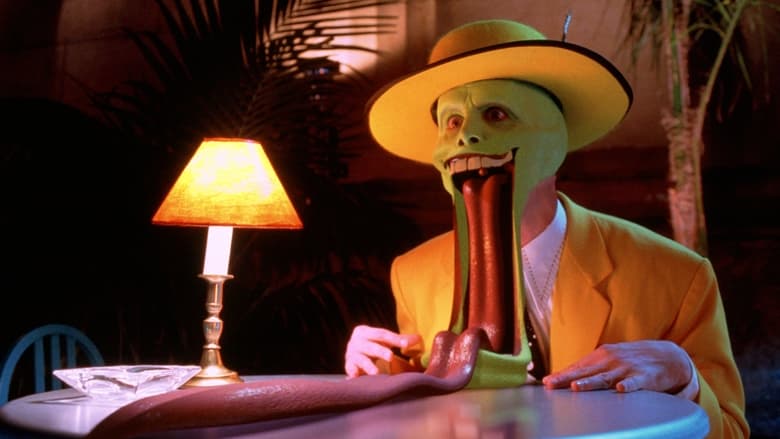
The Mask
1994
-

While You Were Sleeping
1995
-
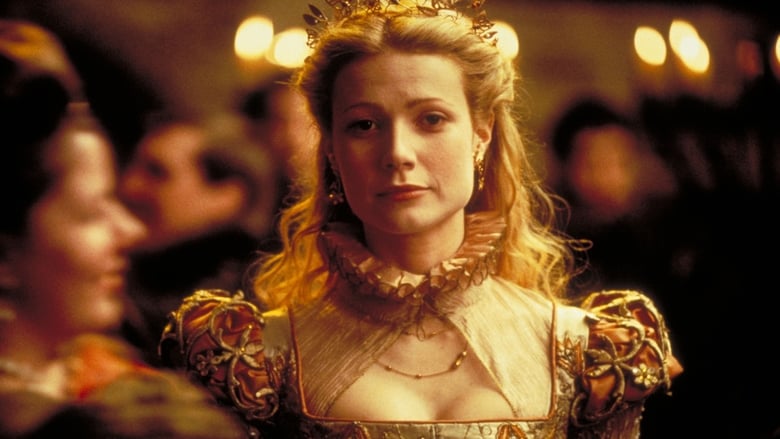
Shakespeare in Love
1998
-
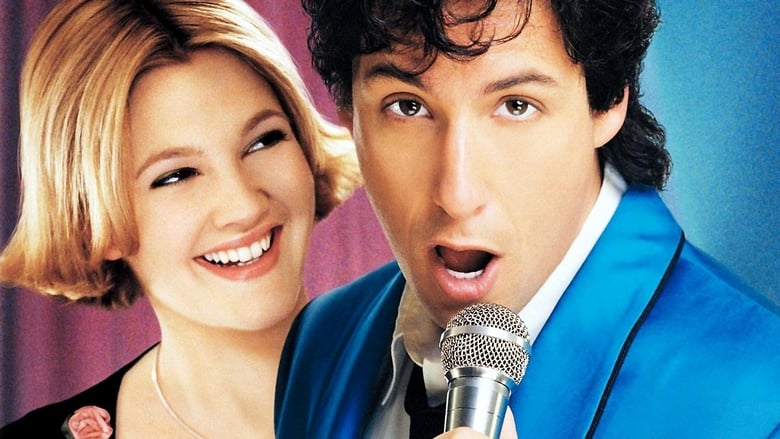
The Wedding Singer
1998
-
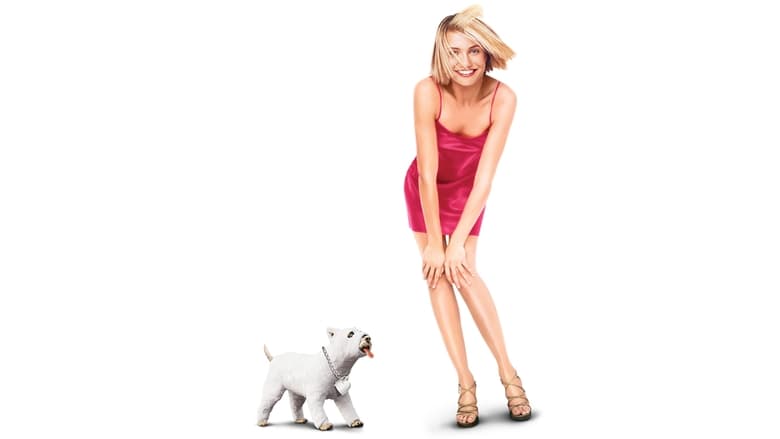
There's Something About Mary
1998
-
American Pie
1999
-
She's All That
1999
-
Chocolat
2000
-
American Pie 2
2001
-

Legally Blonde
2001
-
Shallow Hal
2001
-
The Princess Diaries
2001
-
About a Boy
2002
-
Sweet Home Alabama
2002